
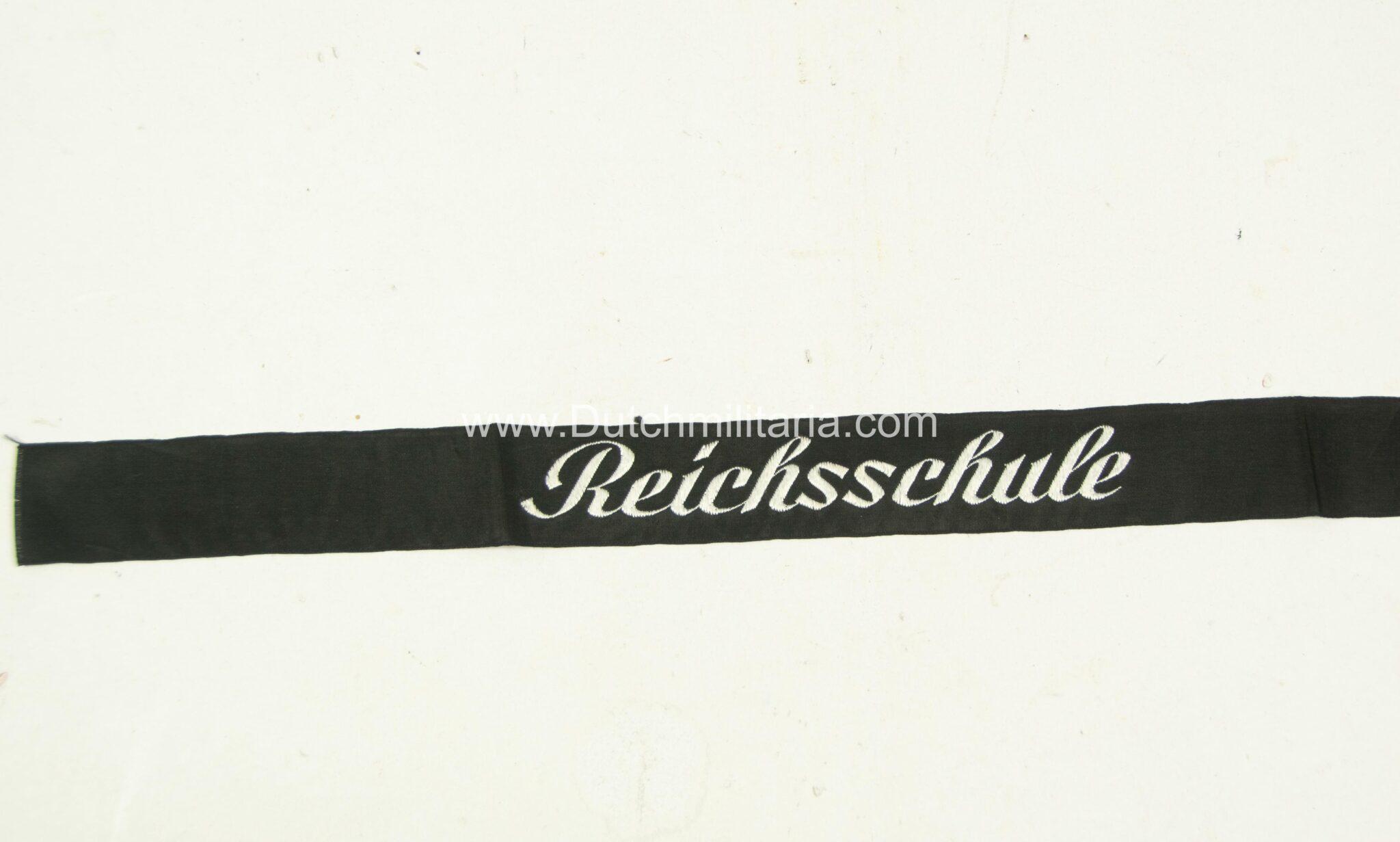
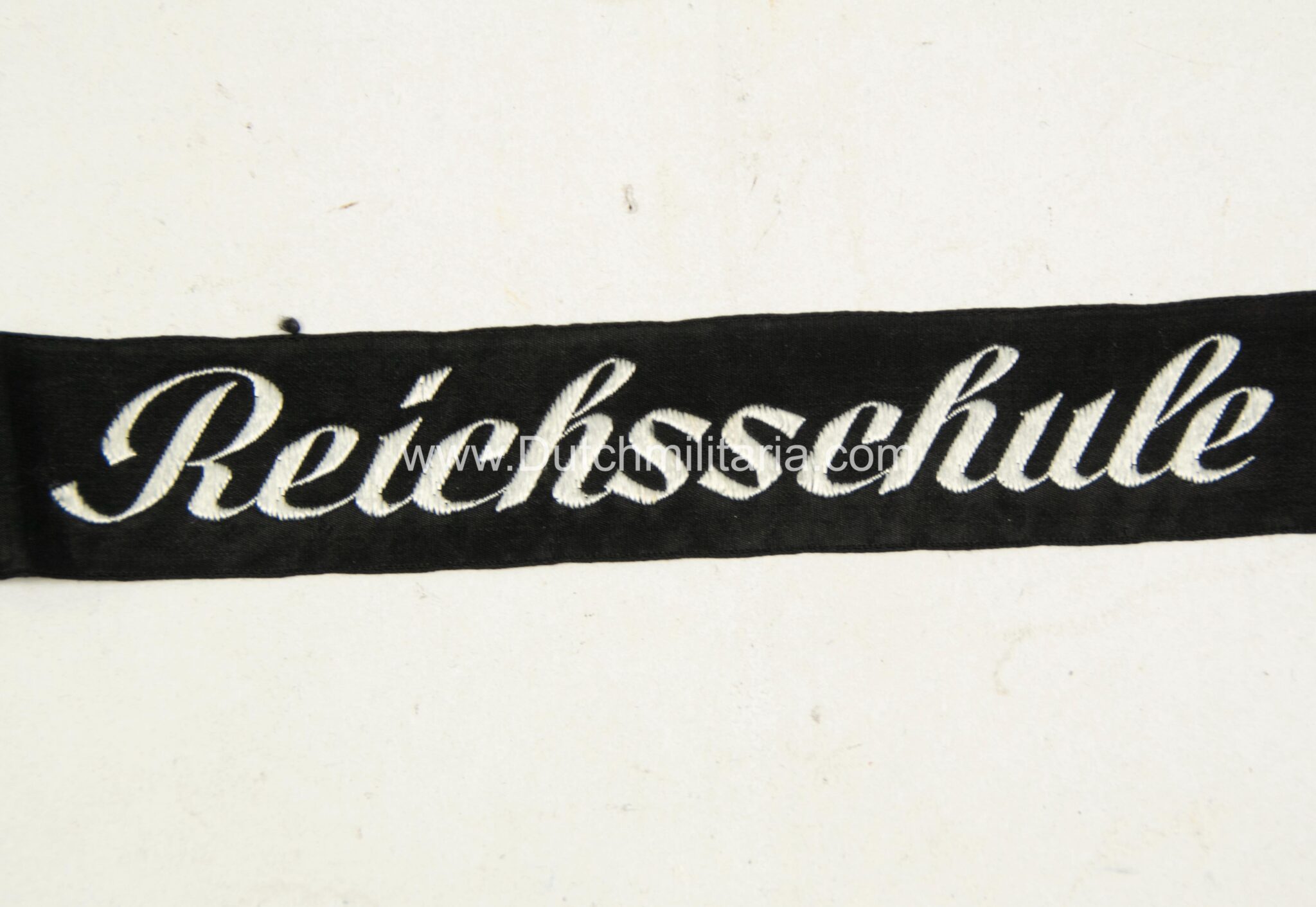
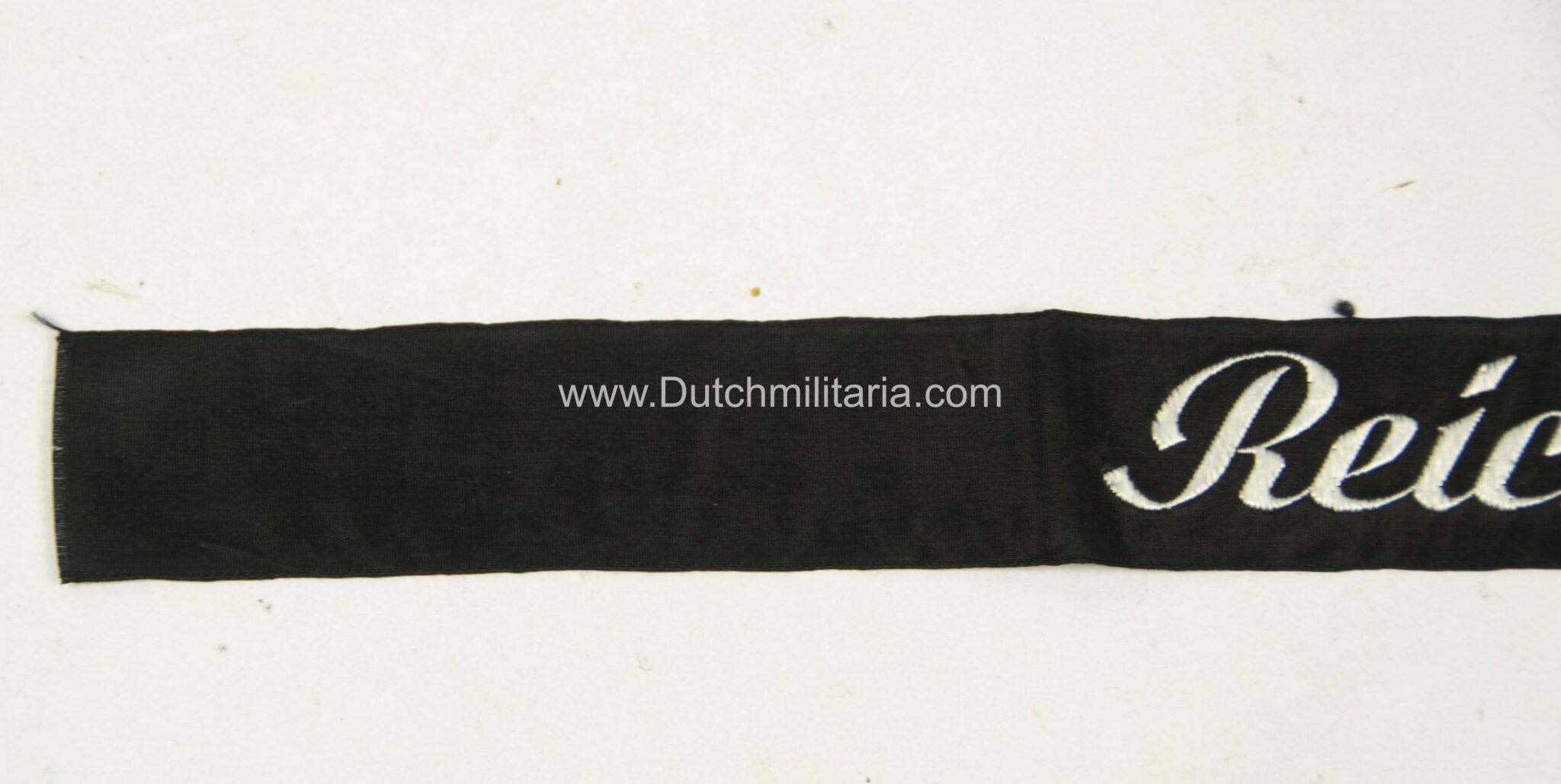
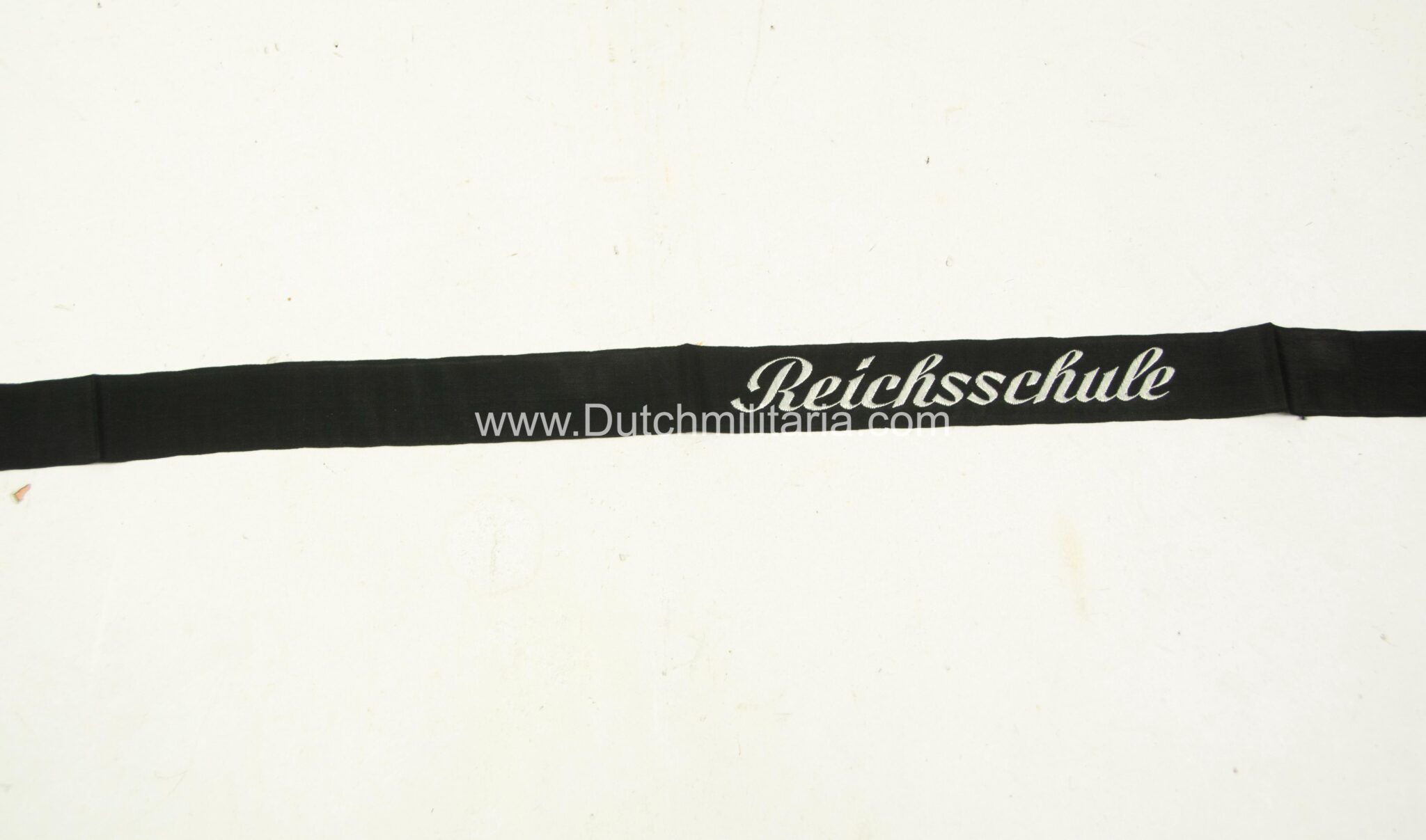
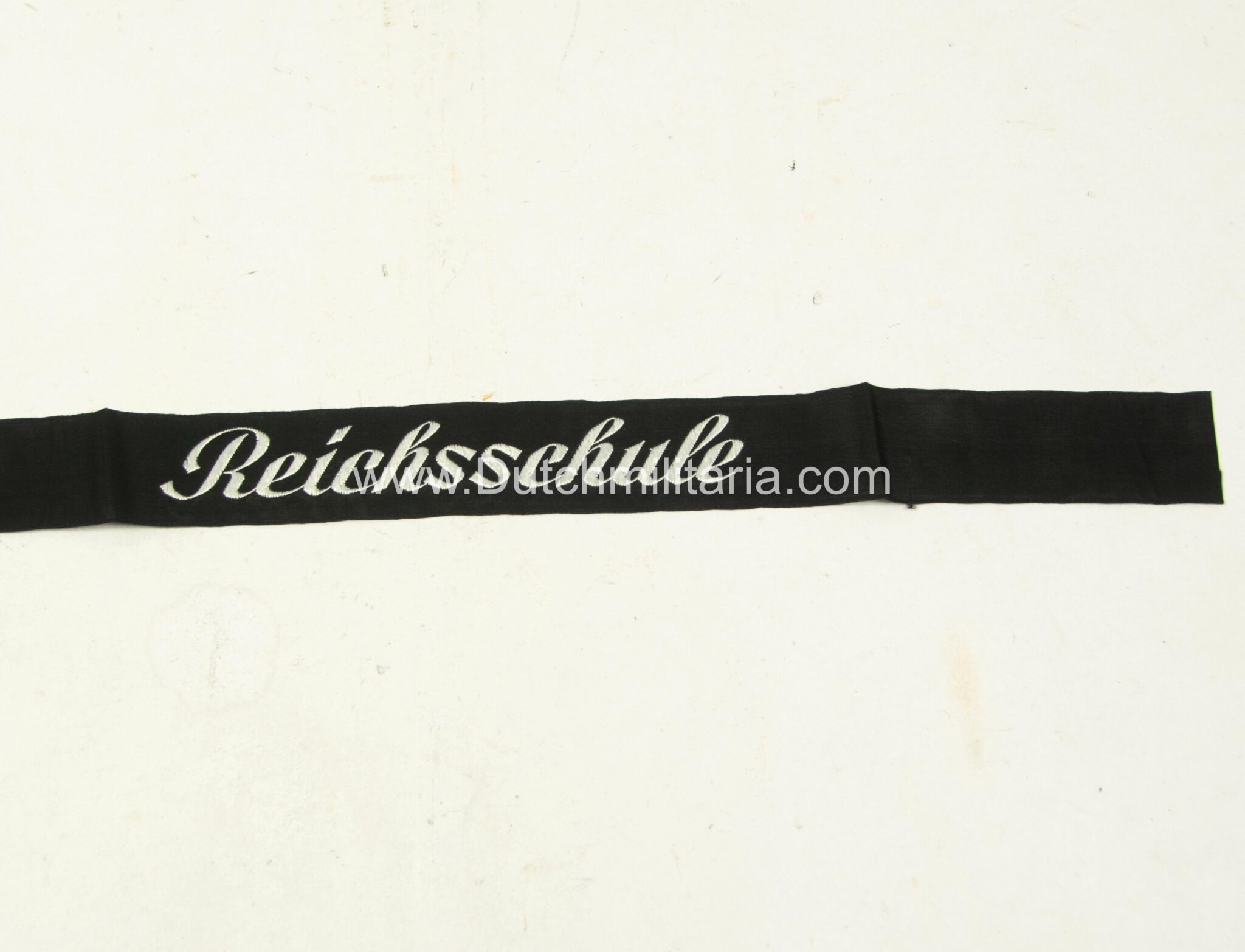
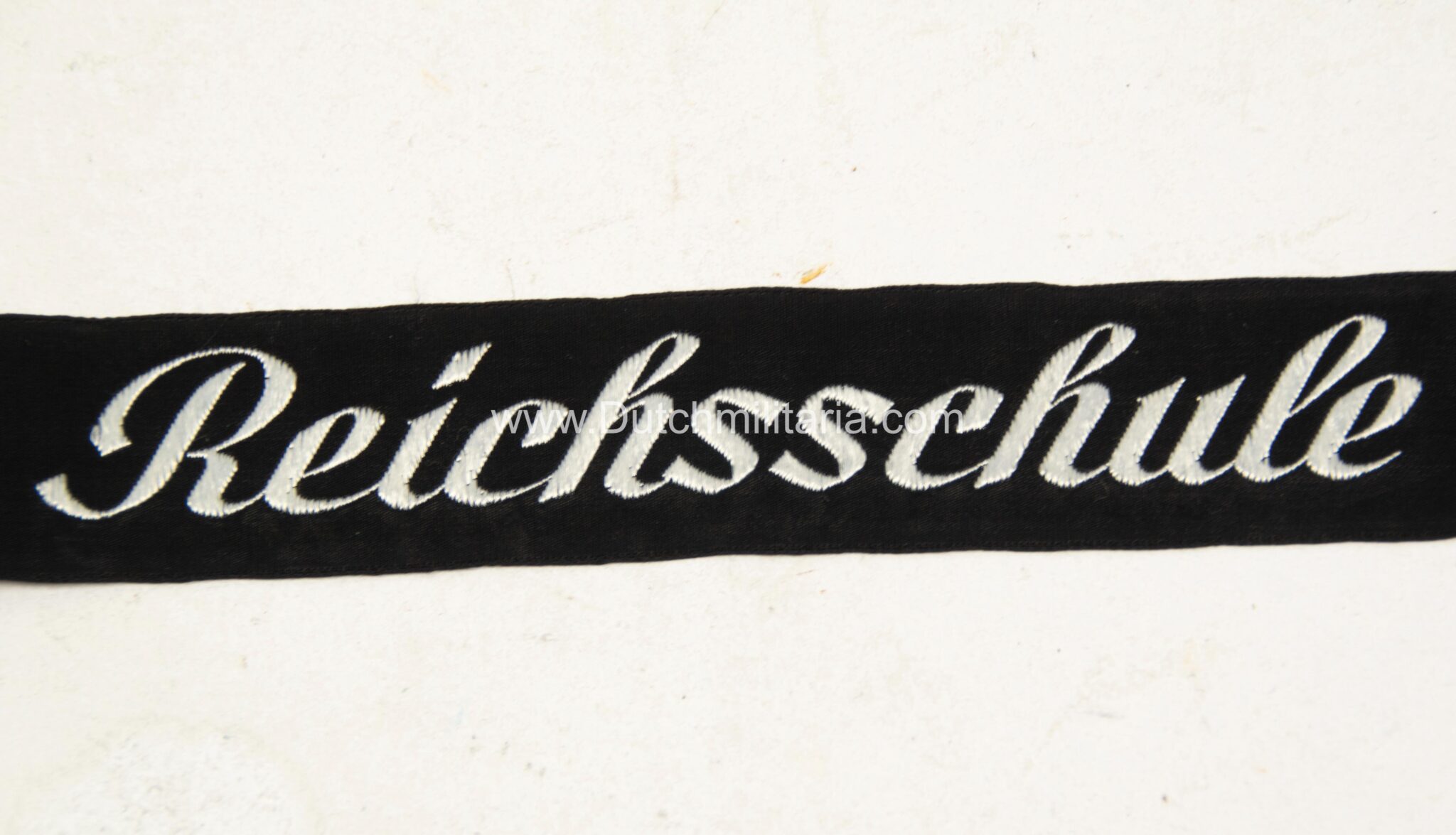
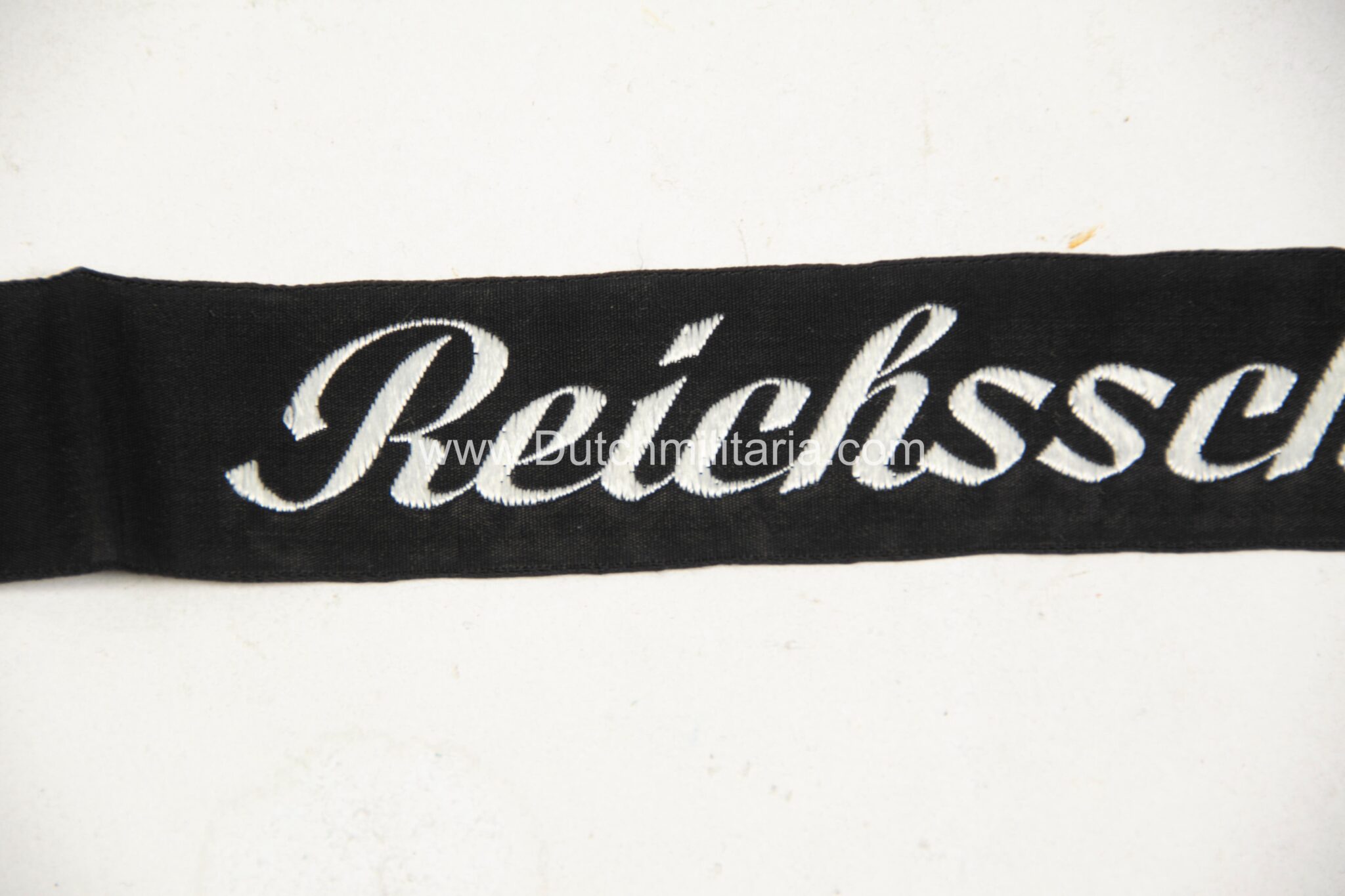
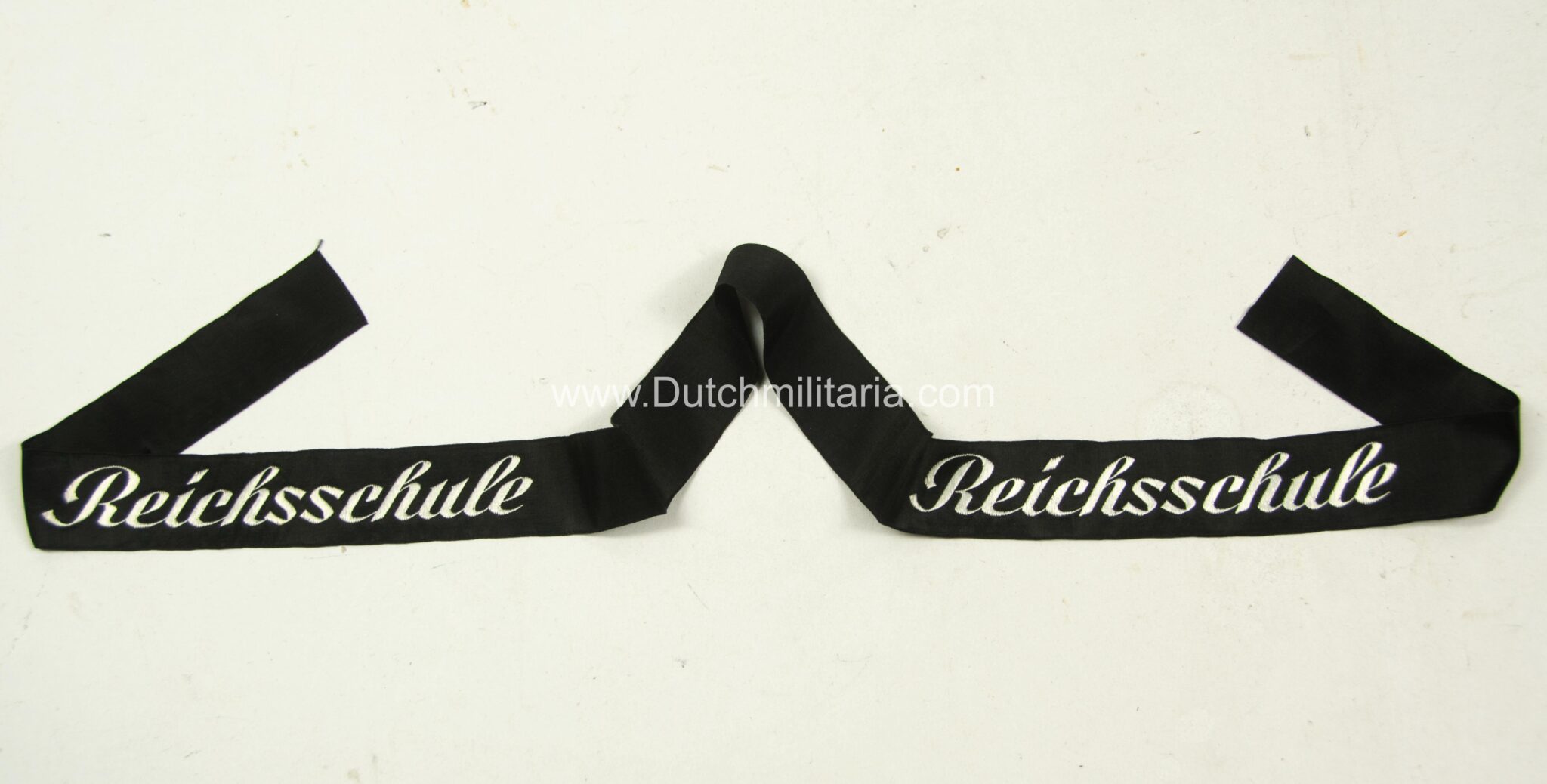
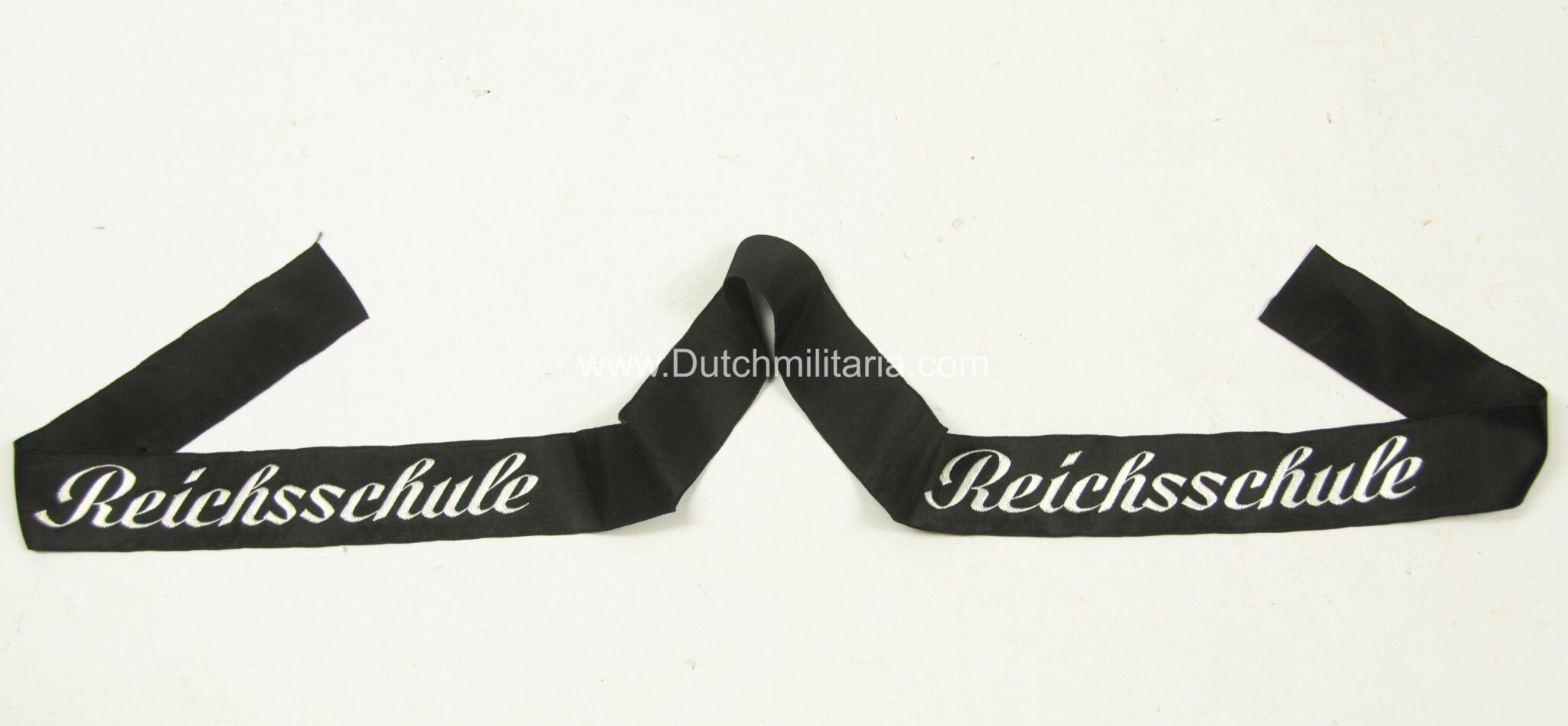
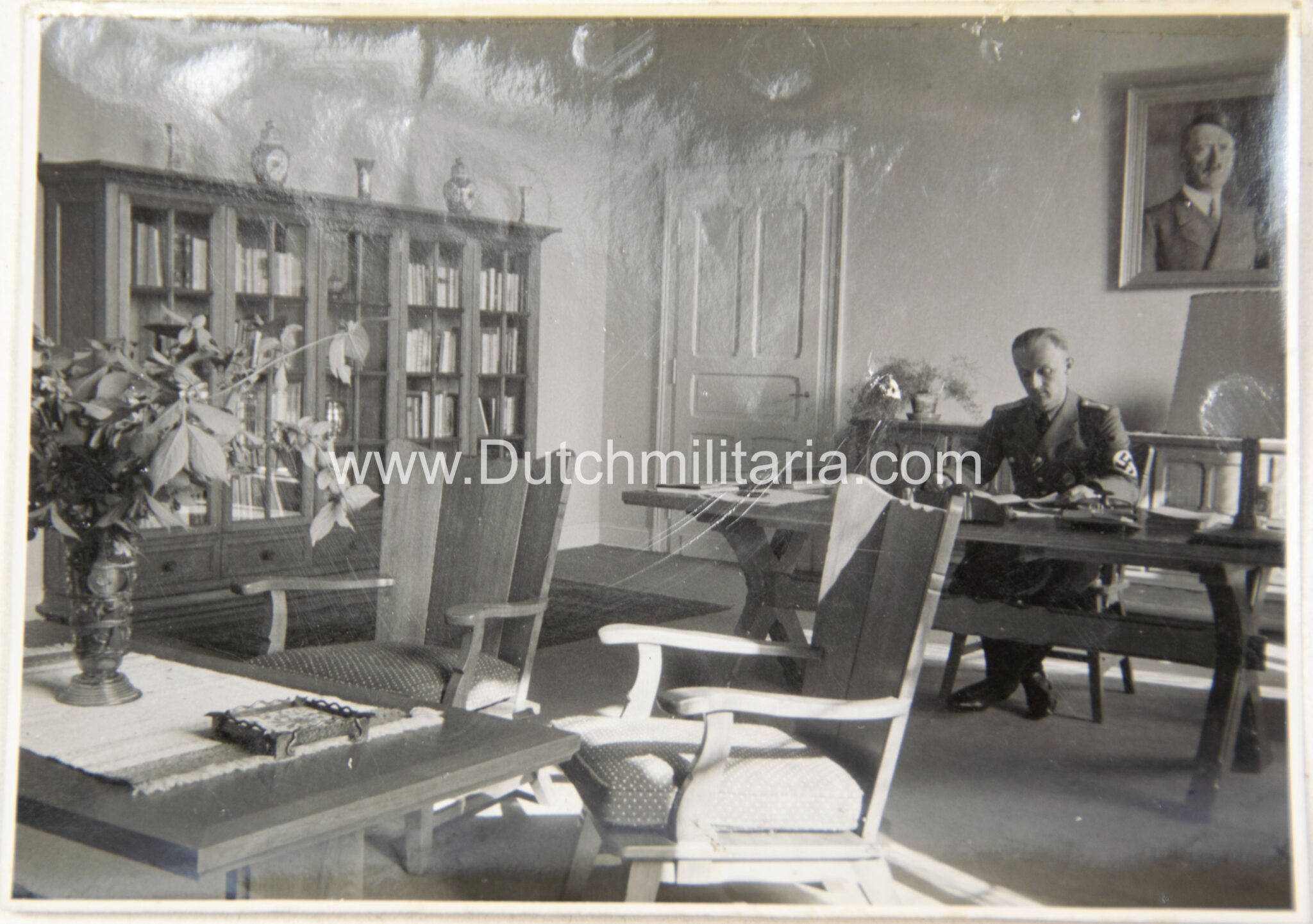
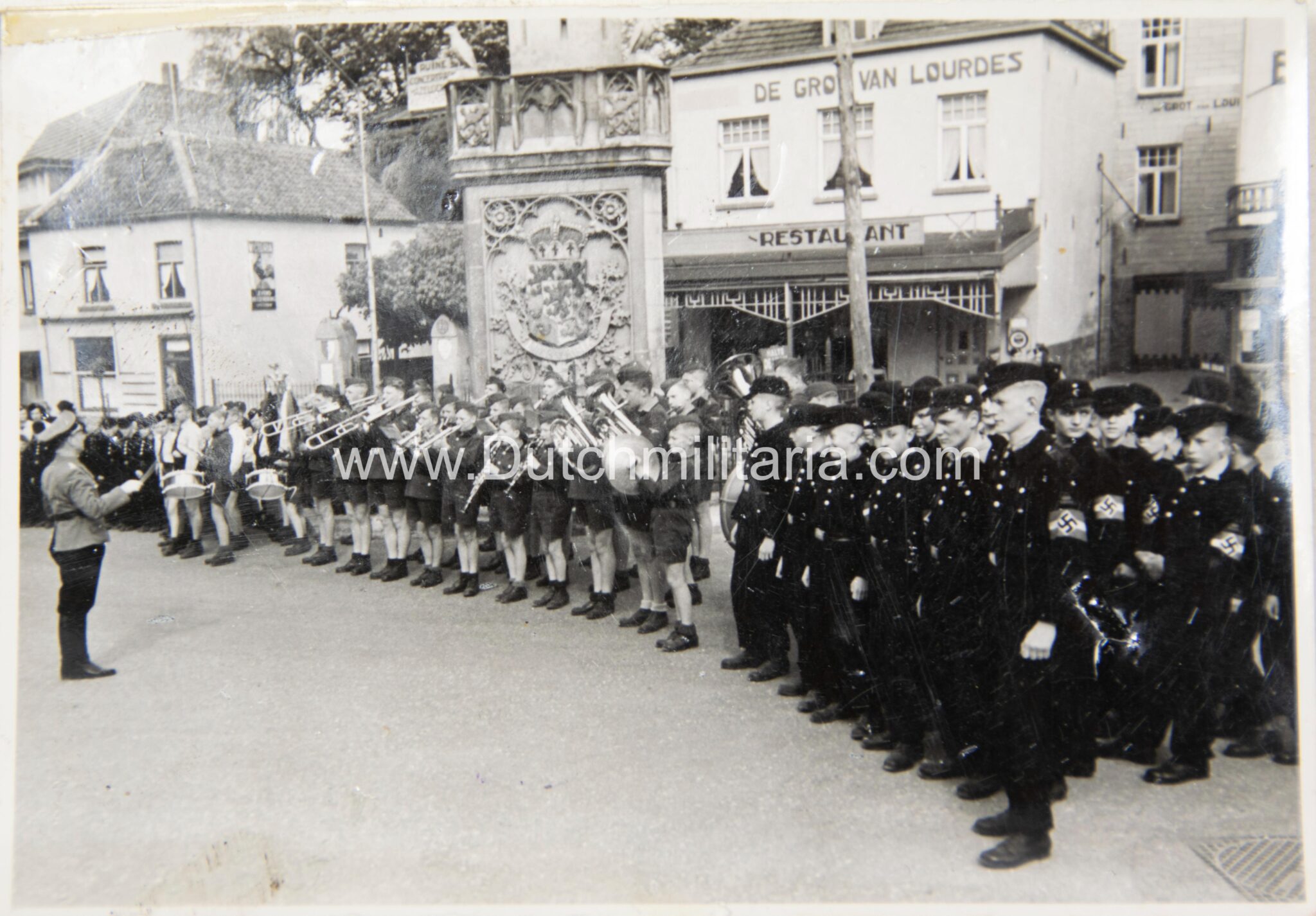
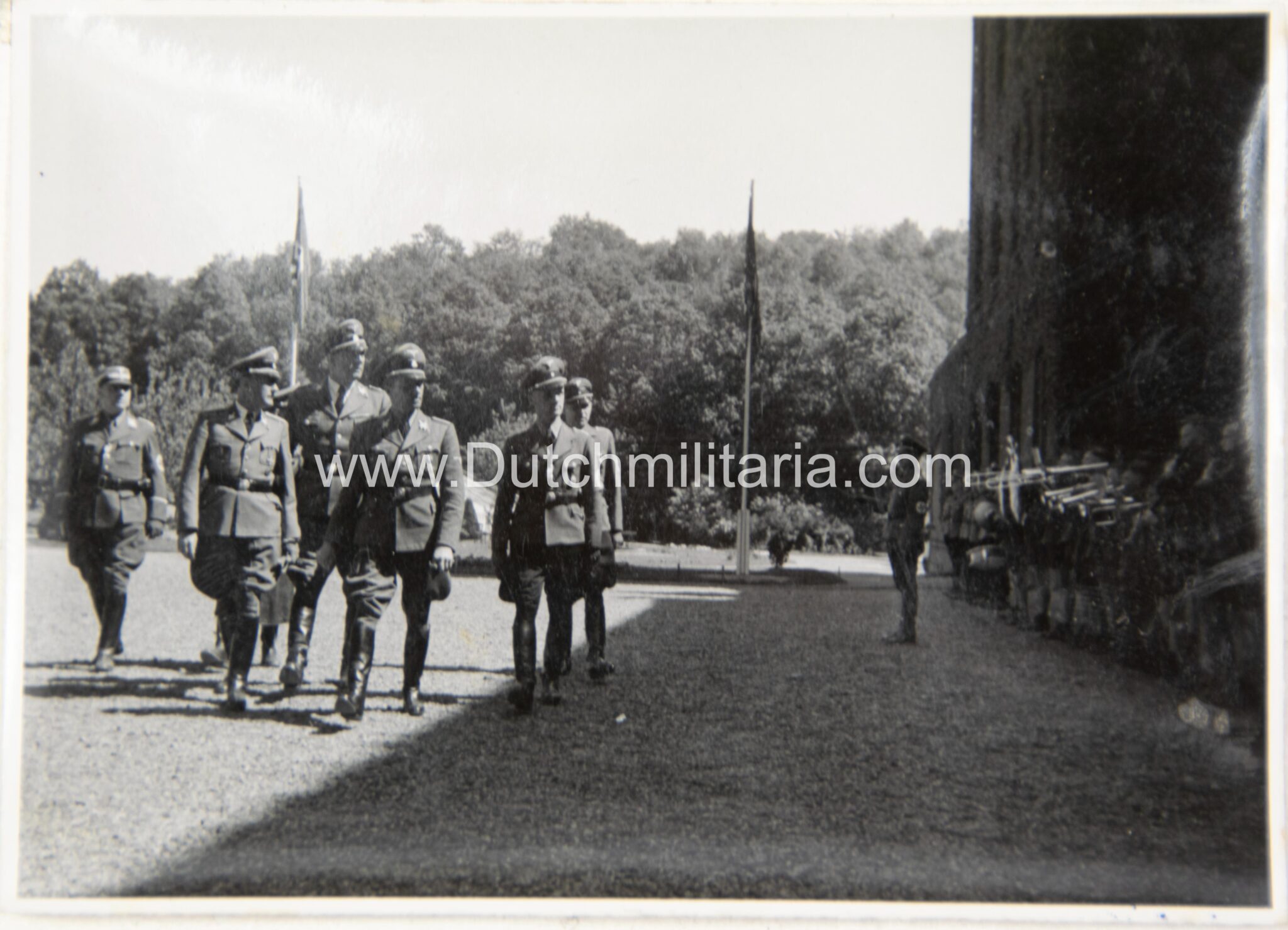
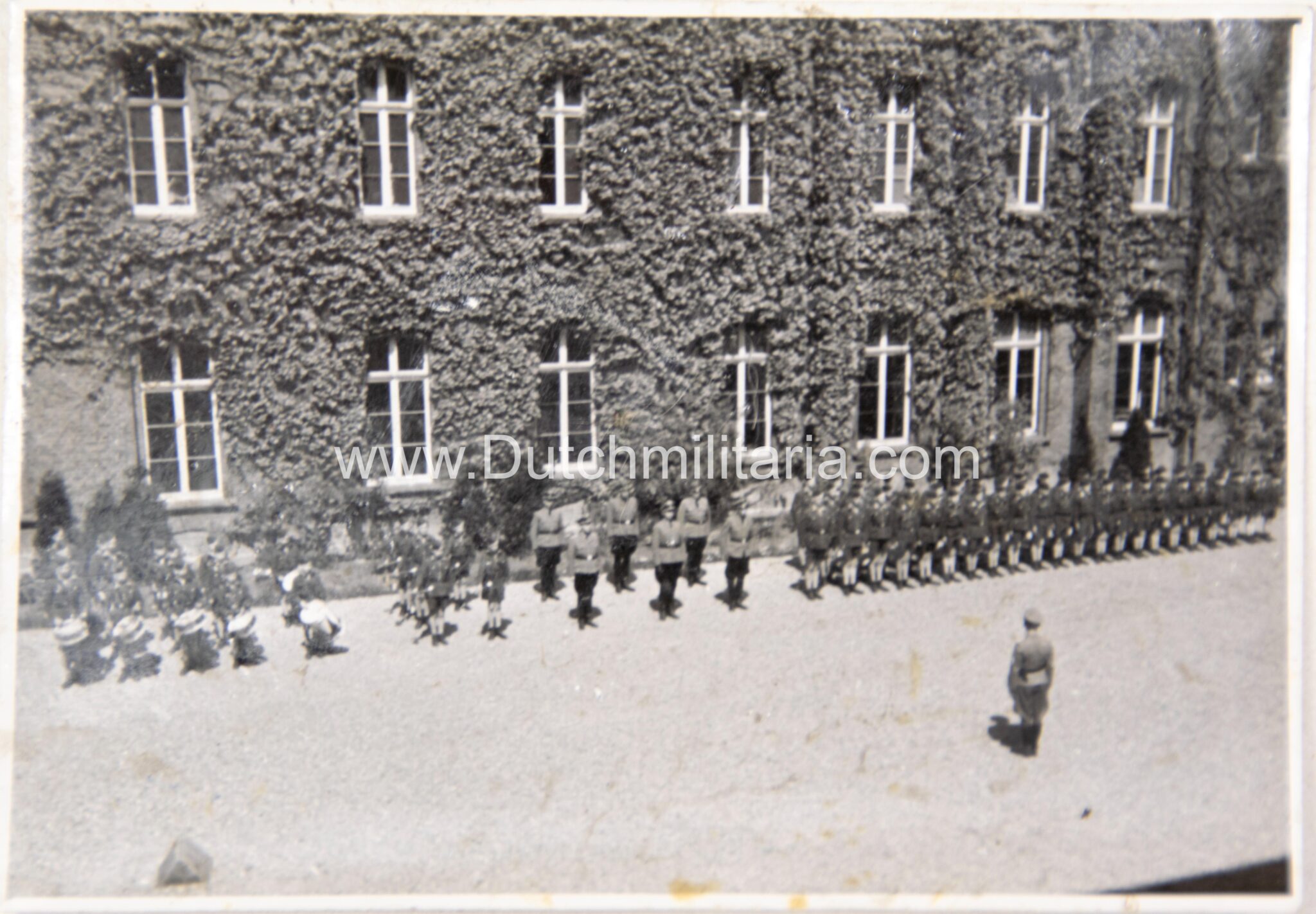
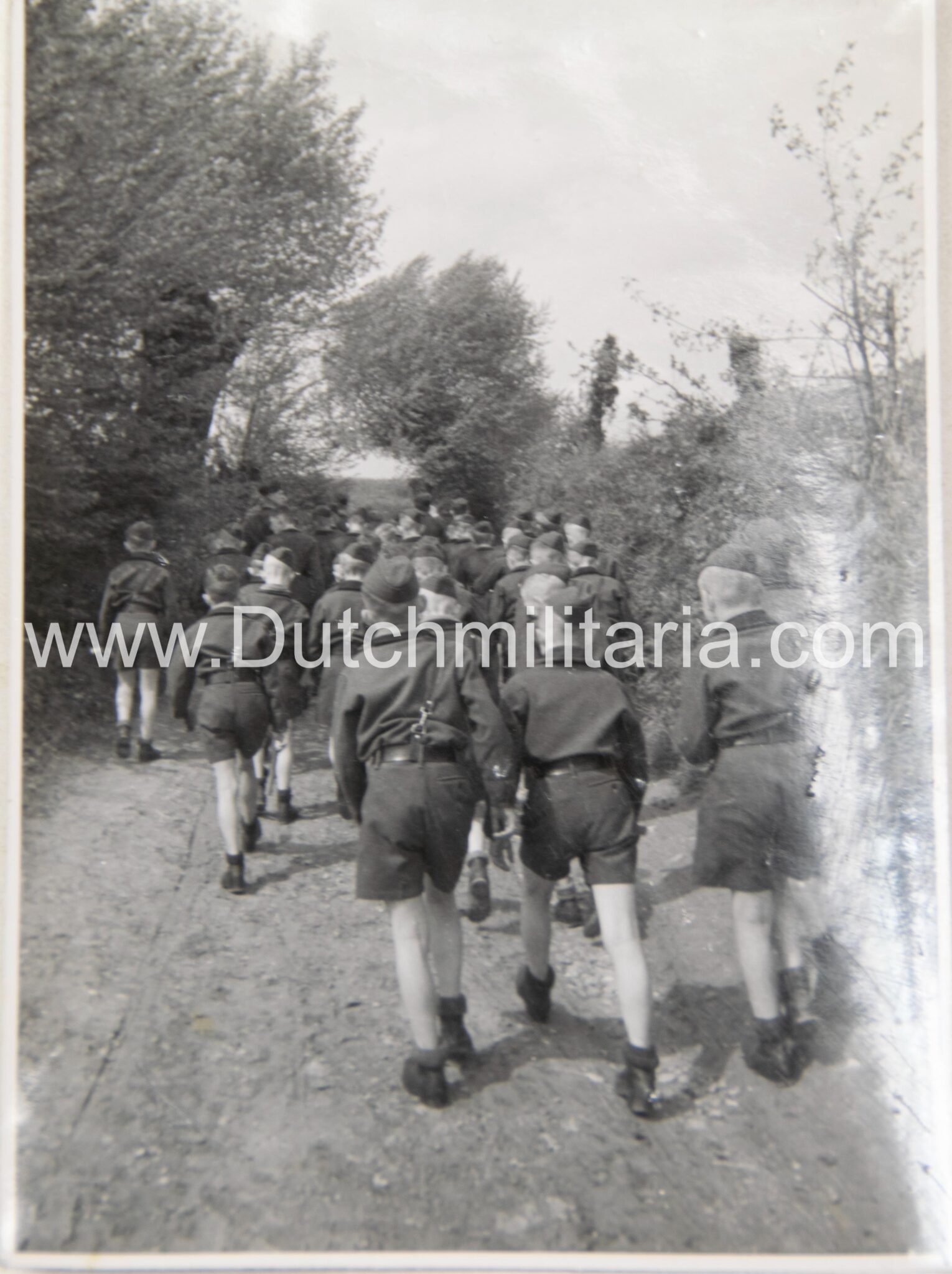
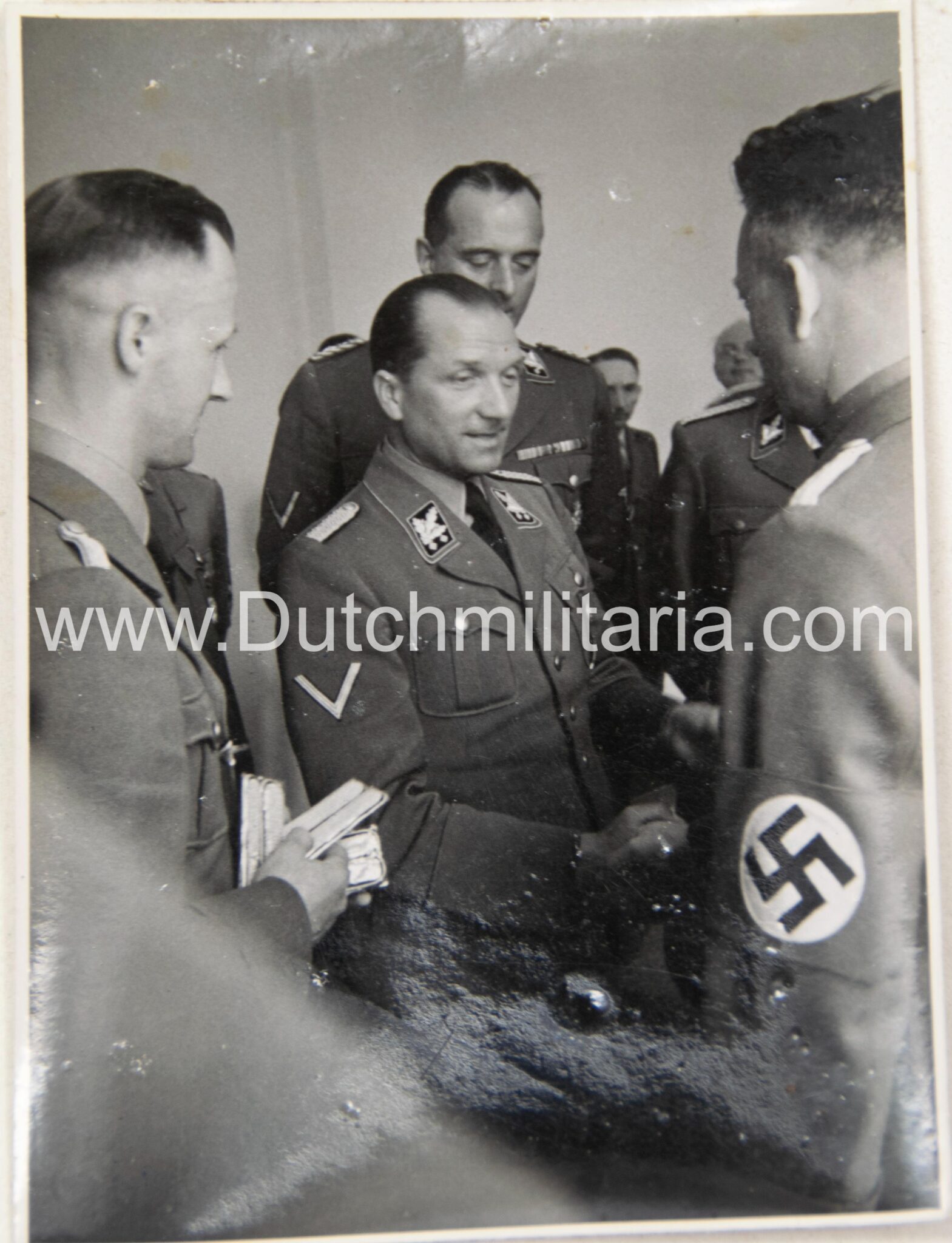
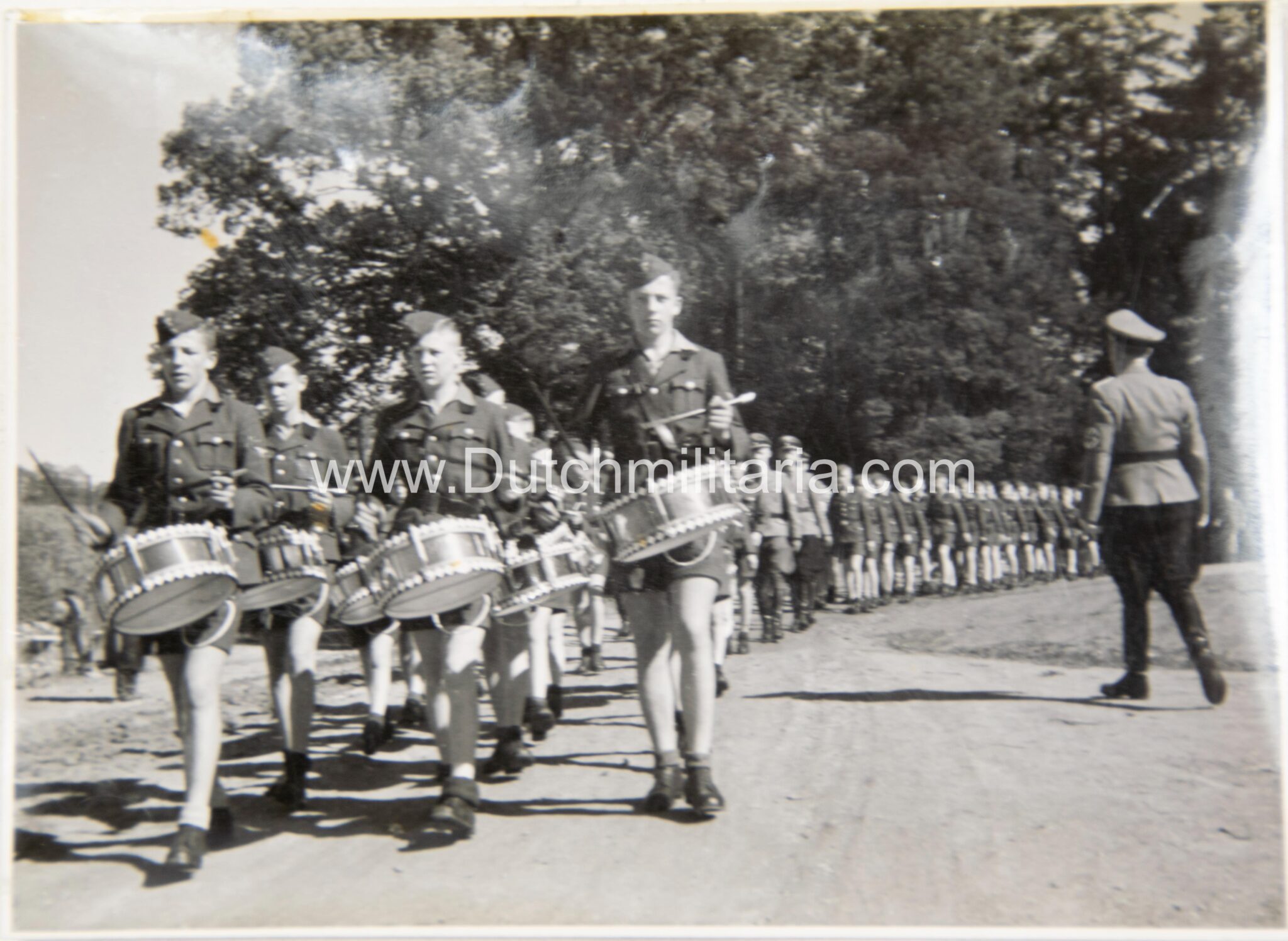
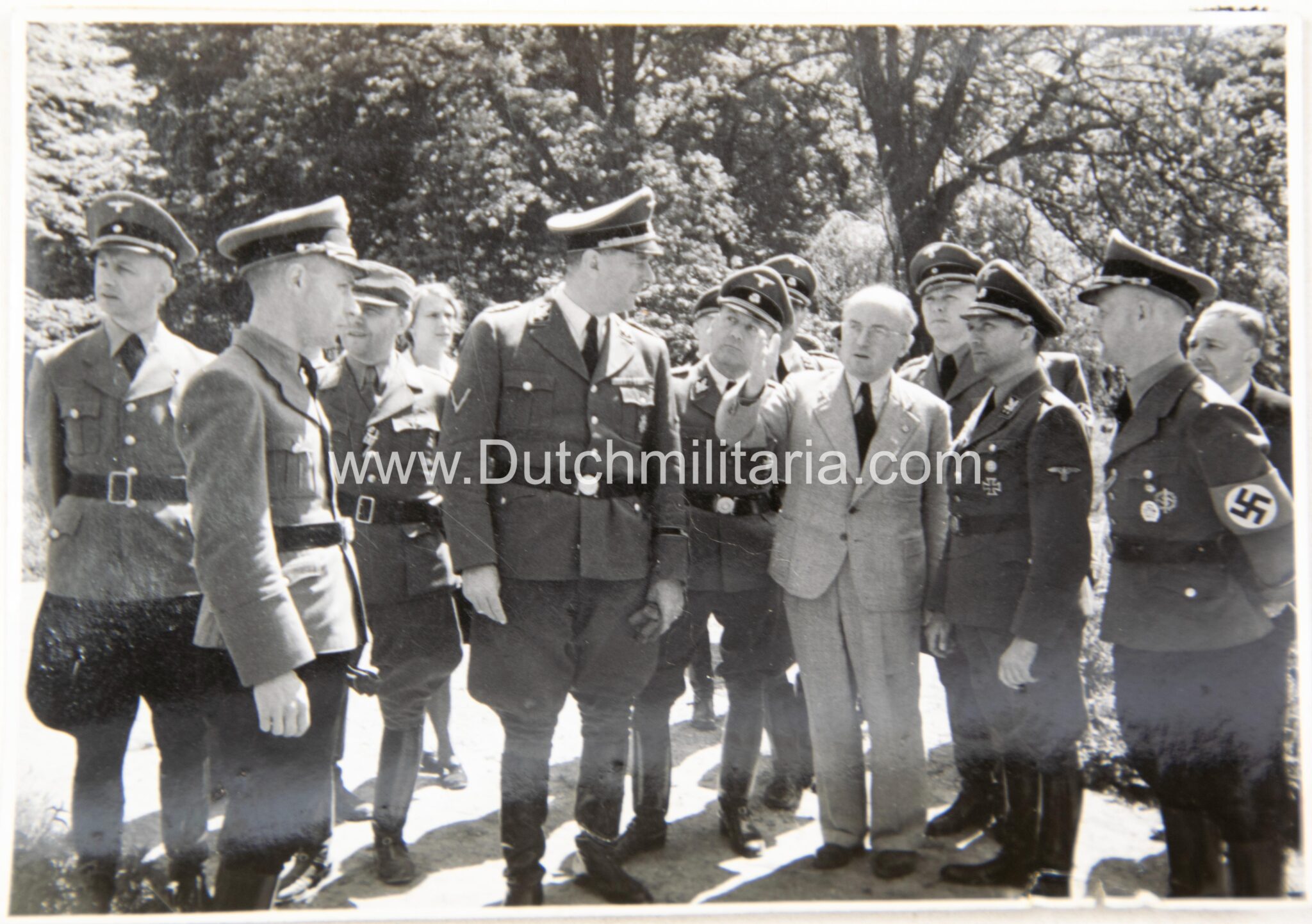
Description
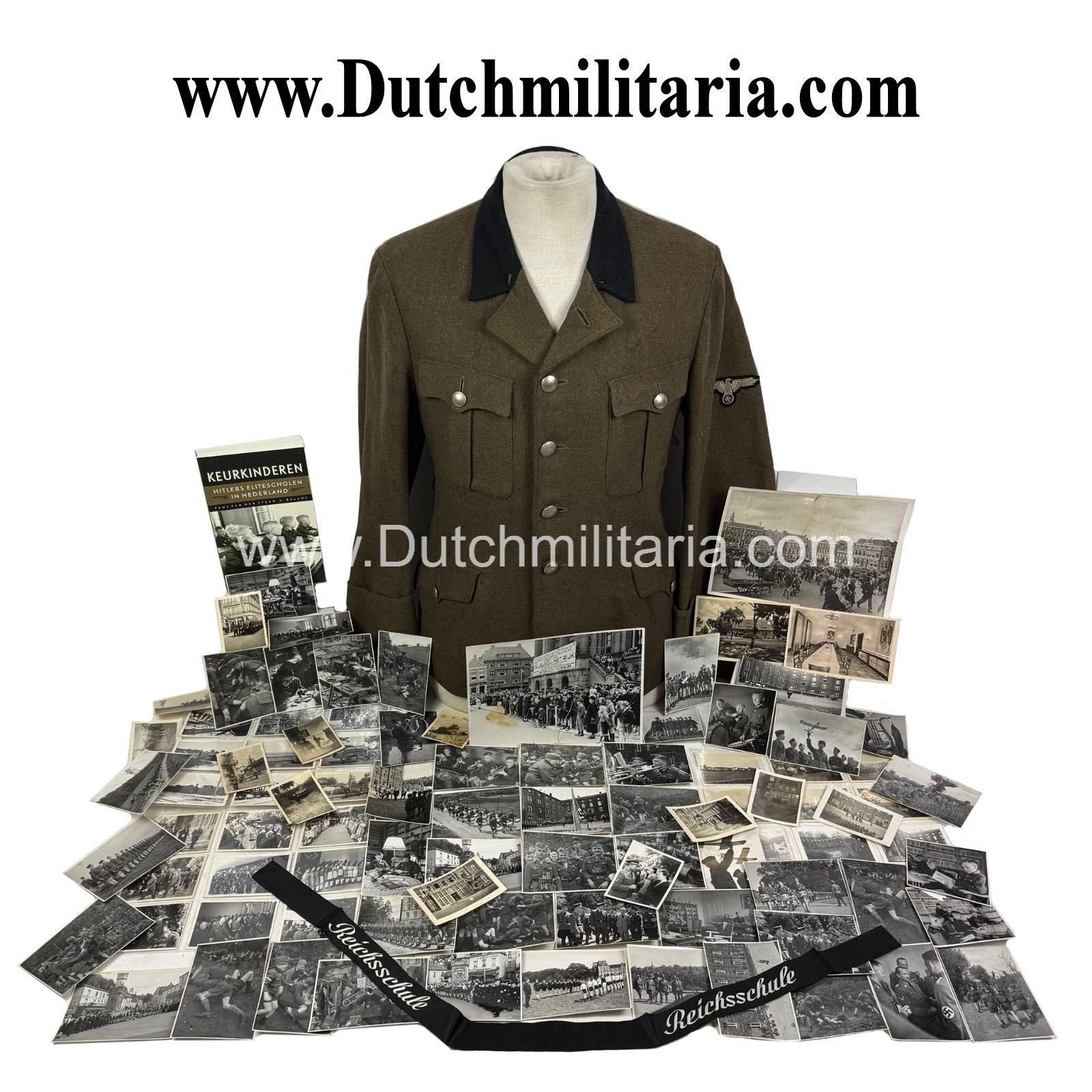
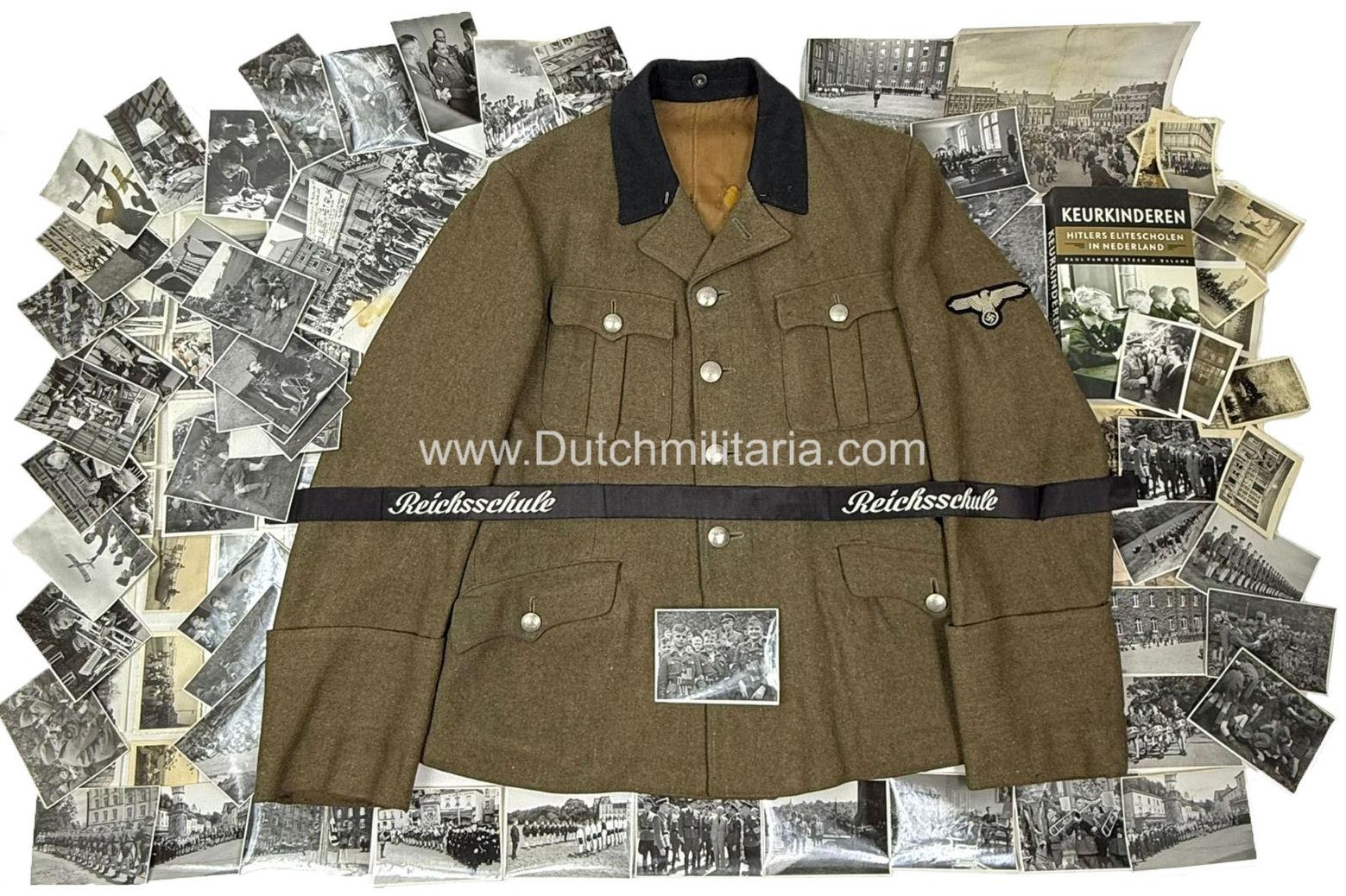
This is probably the rarest lot i could ever offer on the website. It’s a unique collection regarding the SS Reichsschule in the Netherlands. Telling the seperate background of these items is a bit longer as i usually write to describe items on the website. The story of the items also comes with several sidestories to explain where they all come from and what they are. Ill try and keep this under here well-organised and clear to understand for the reader. A logic step is to tell point by point the history of each seperate item (or group of items as there are e.g. two seperate photo lots).
First things first: this is a collection, not a bring back together belonging grouping. Over the time of many years an advanced collector collected these items seperately as they surfaced. Some of these, like the cufftitles, are well known in the collectorscene and have seperate topics that can be found on the biggest collectorsforum, the Wehrmacht Awards Forum (WAF), where they have been discussed. I will link to those topics as well under here. All items are easily to be classified as RARE. There simply are no common items regarding the Dutch SS Reichsschule Valkenburg training institute.
As a collection of such a niche part of interesting history, it would be a shame to break this collection up. I will not do this. This is too rare to sell seperately and the history is altogether too important.
Under here i will describe step by step the following:
1. The history and background of the Reichschule Valkenburg
2. A short history of this whole collection and what it represents
3. The contents of the collection
4. Why this is such a rare collection
5. A description of all included items. With the photo’s described in seperate related groups.
A The cufftitles and their interesting background
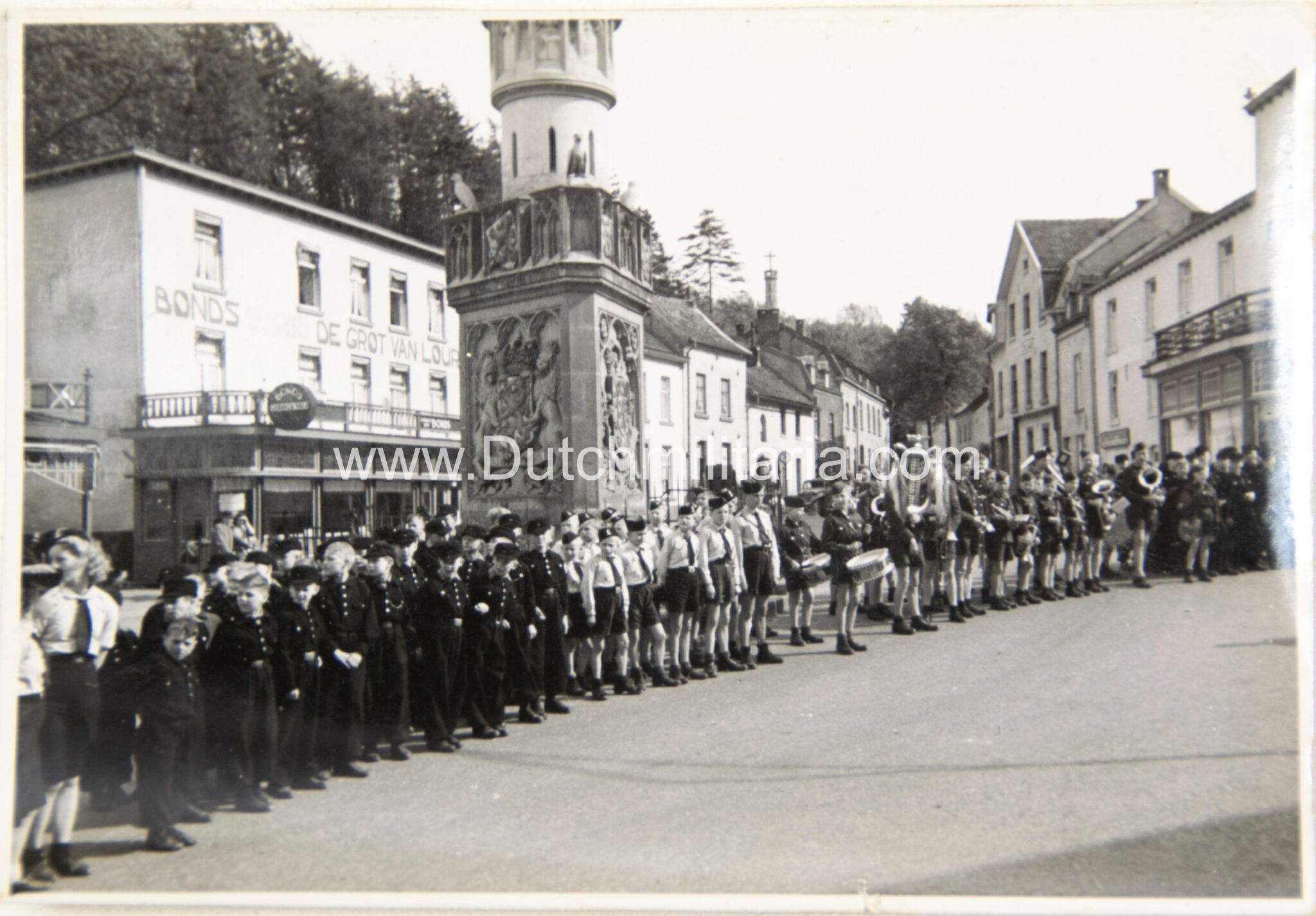
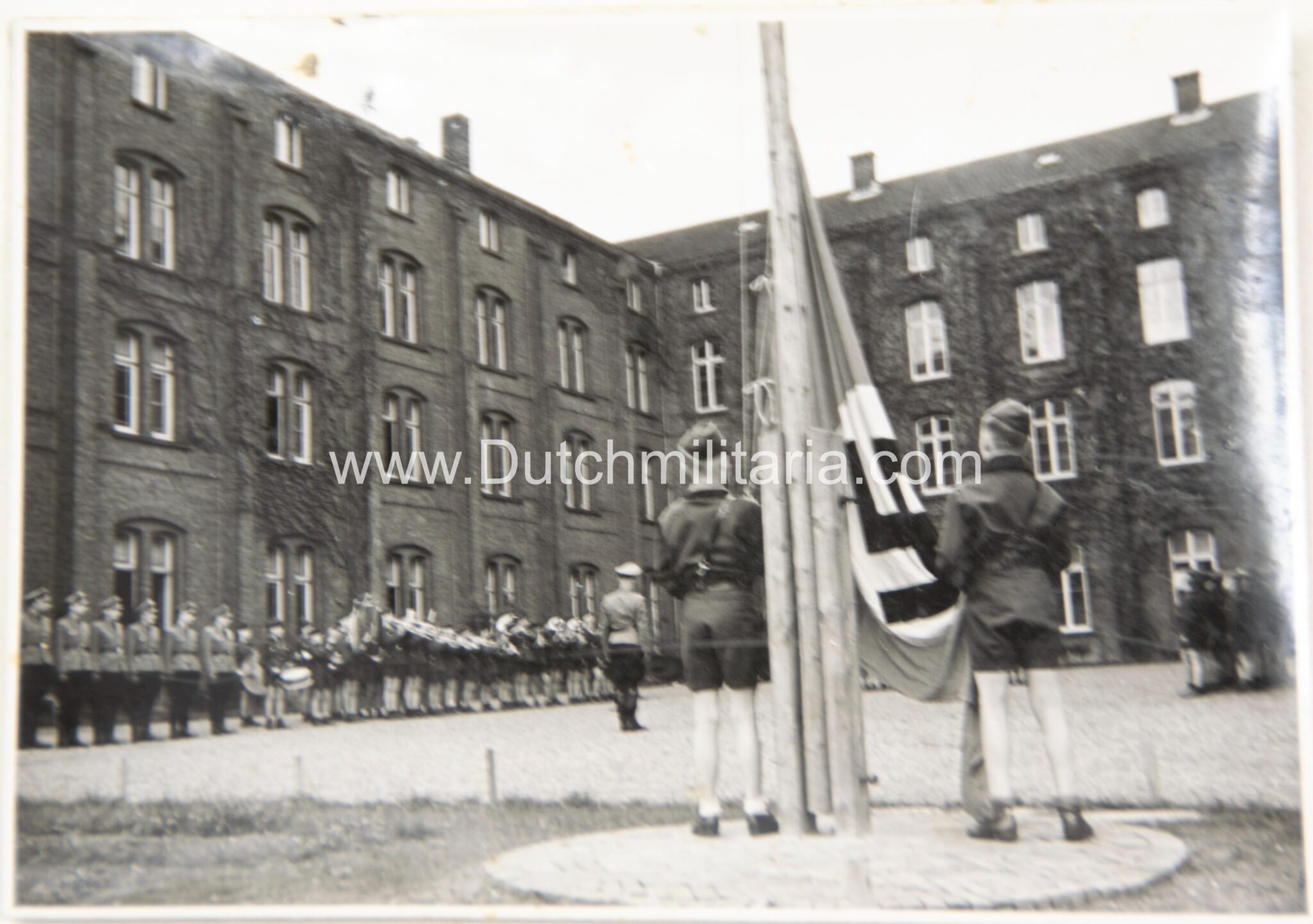
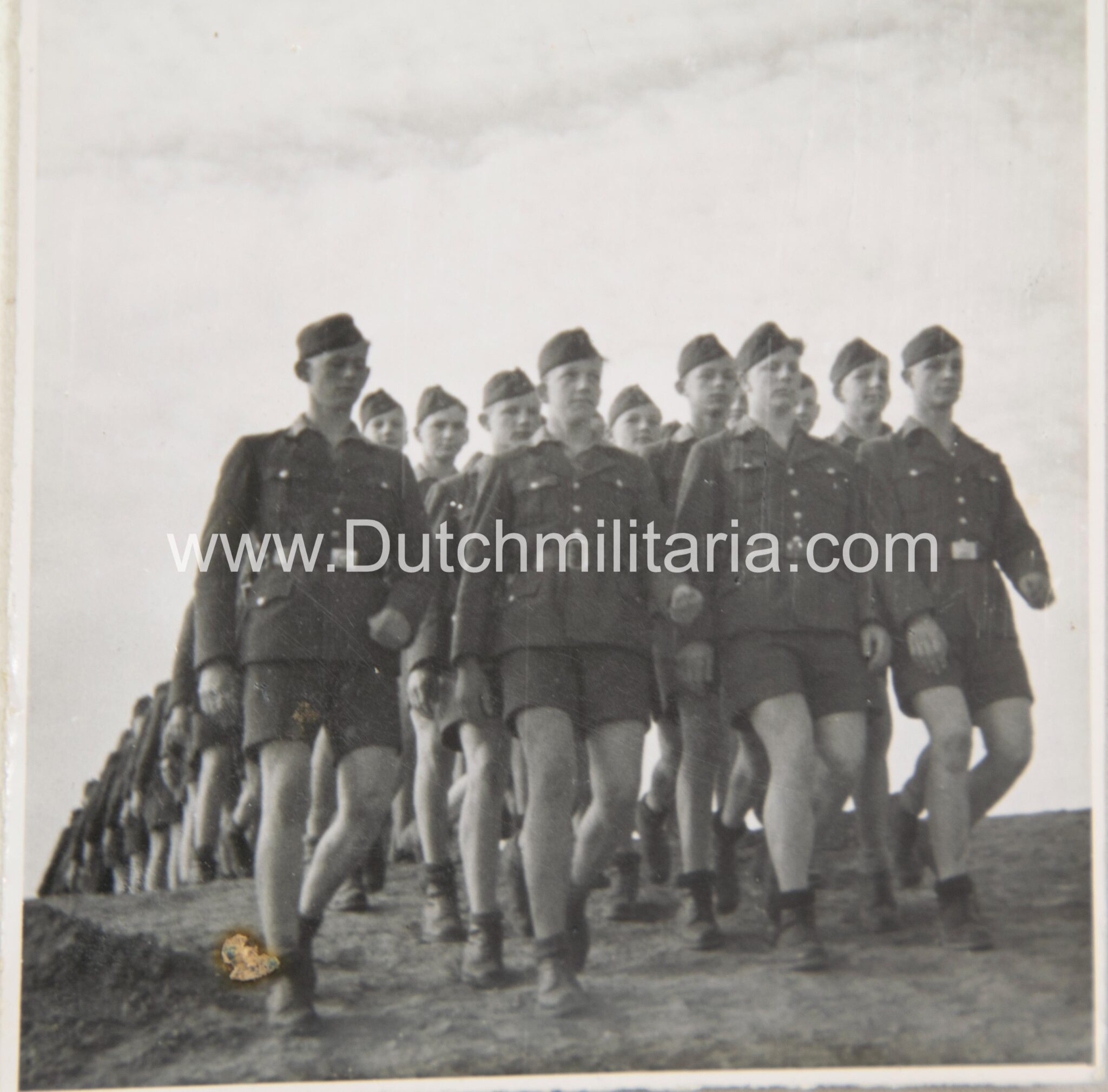
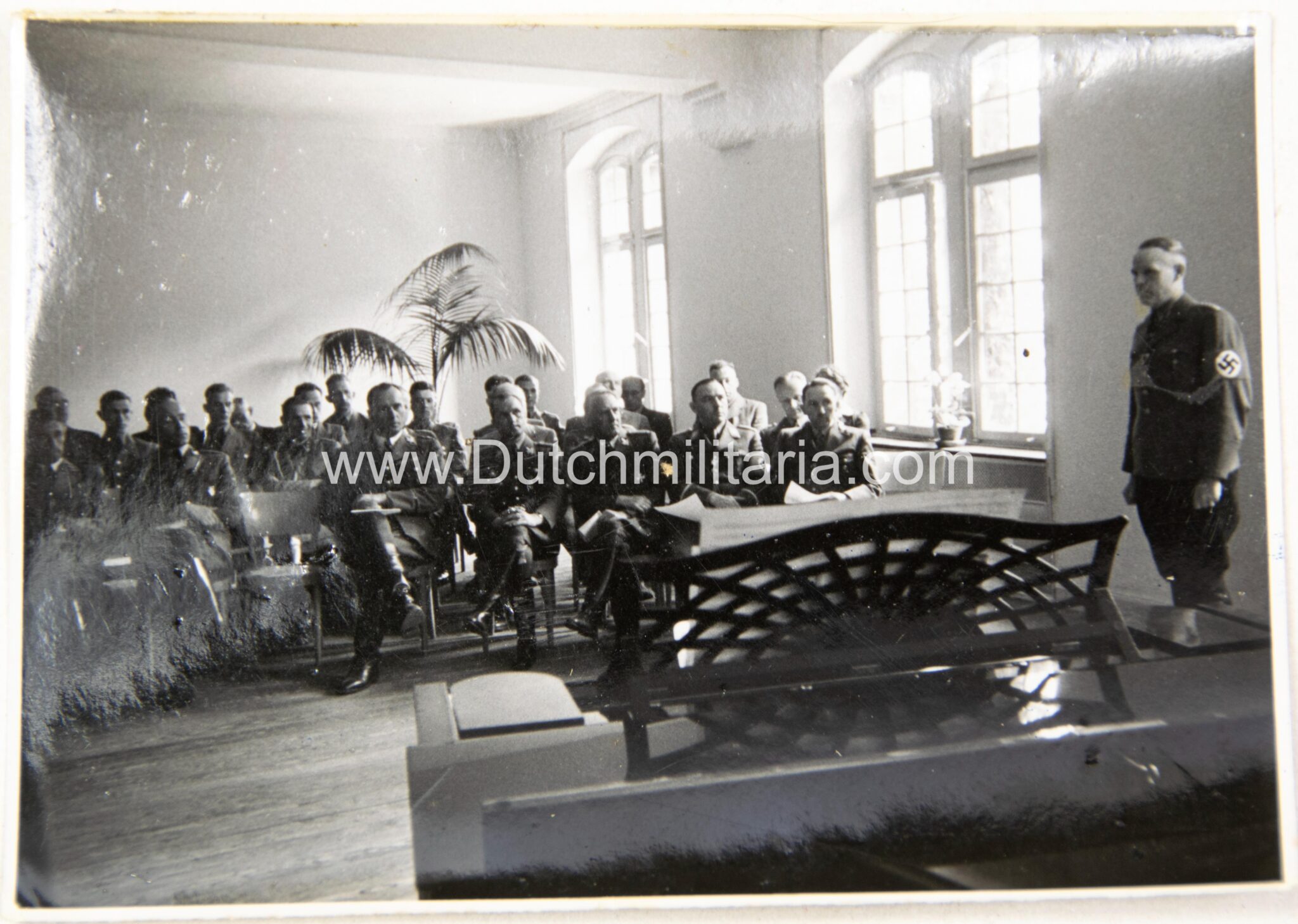
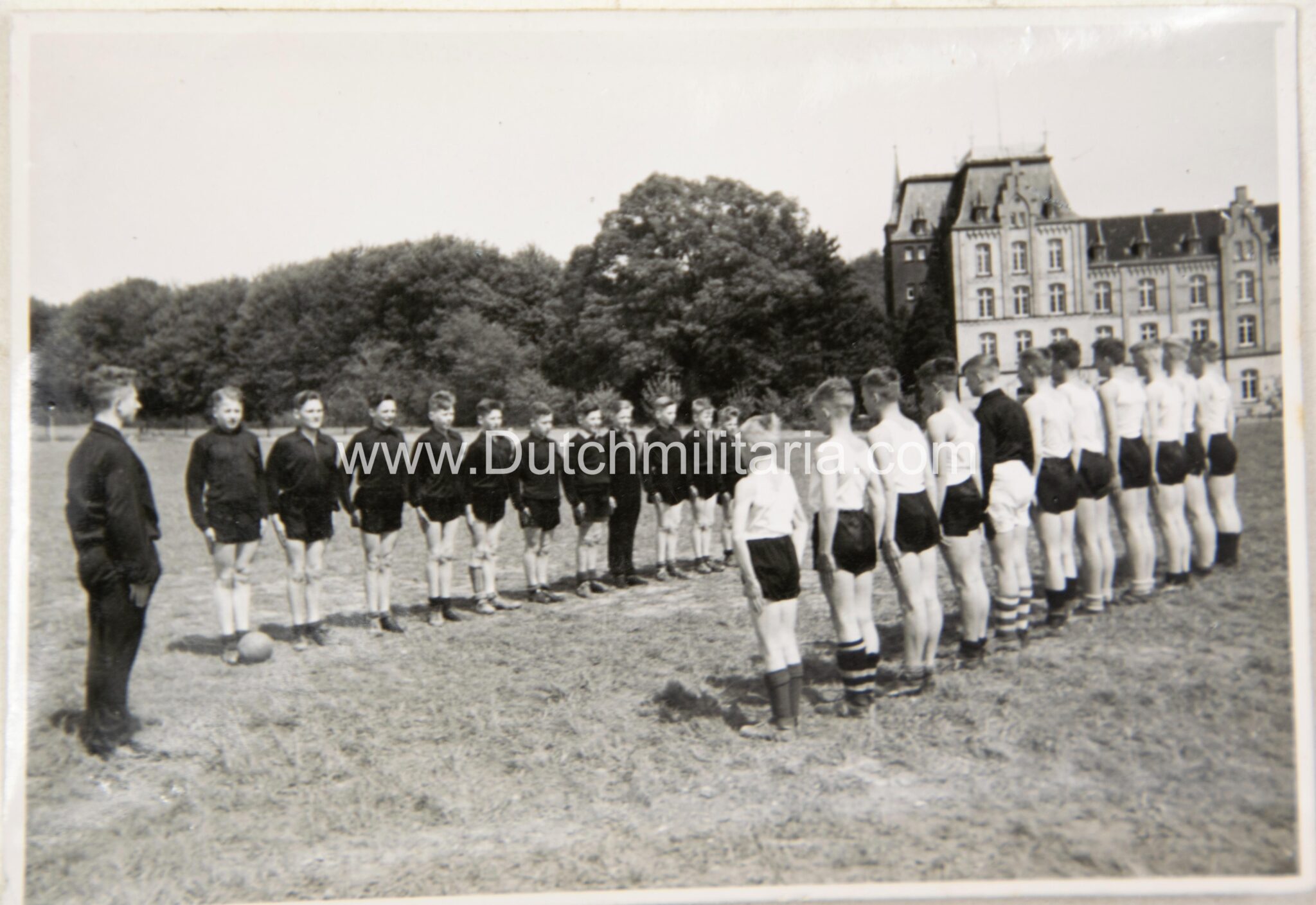
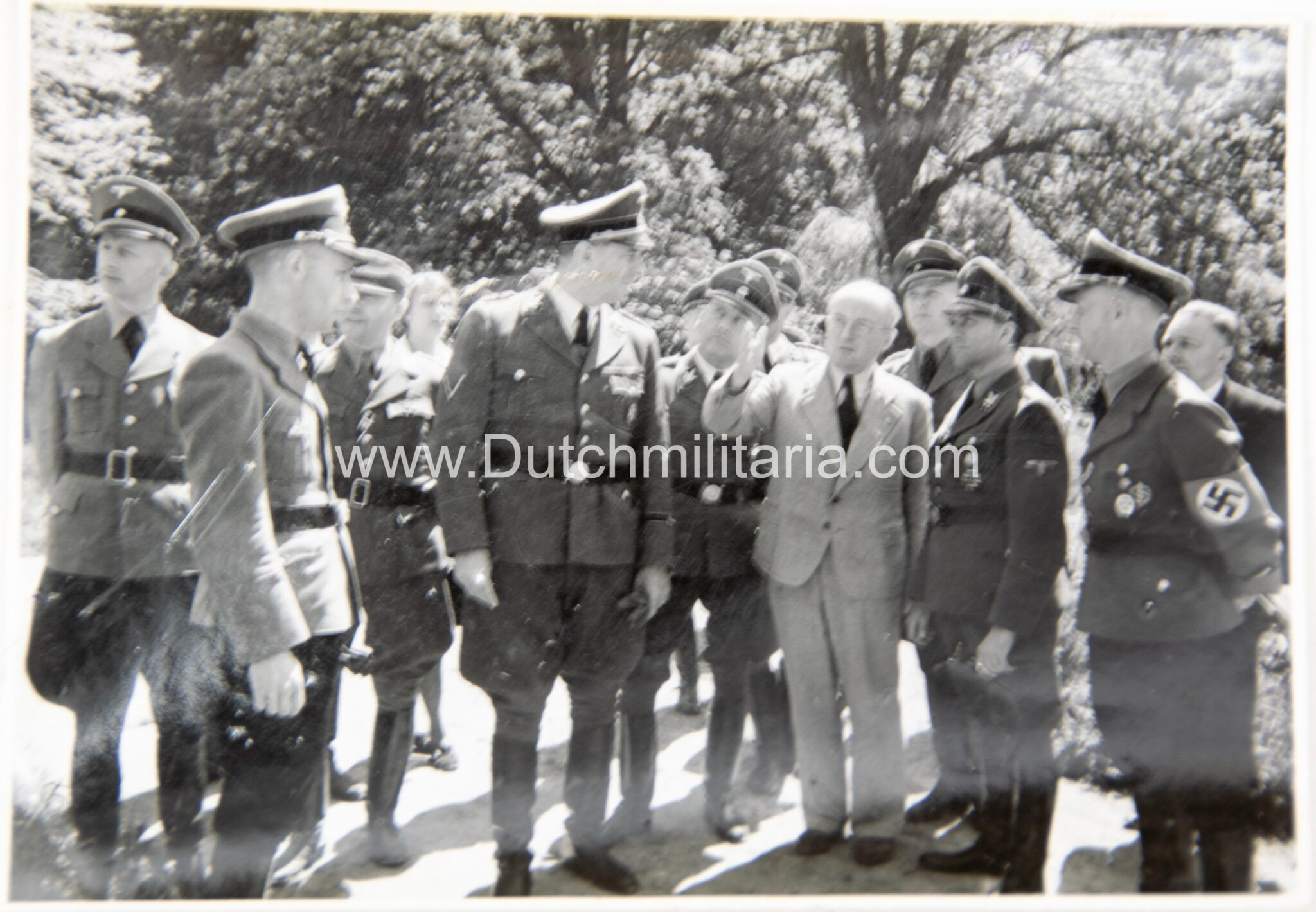
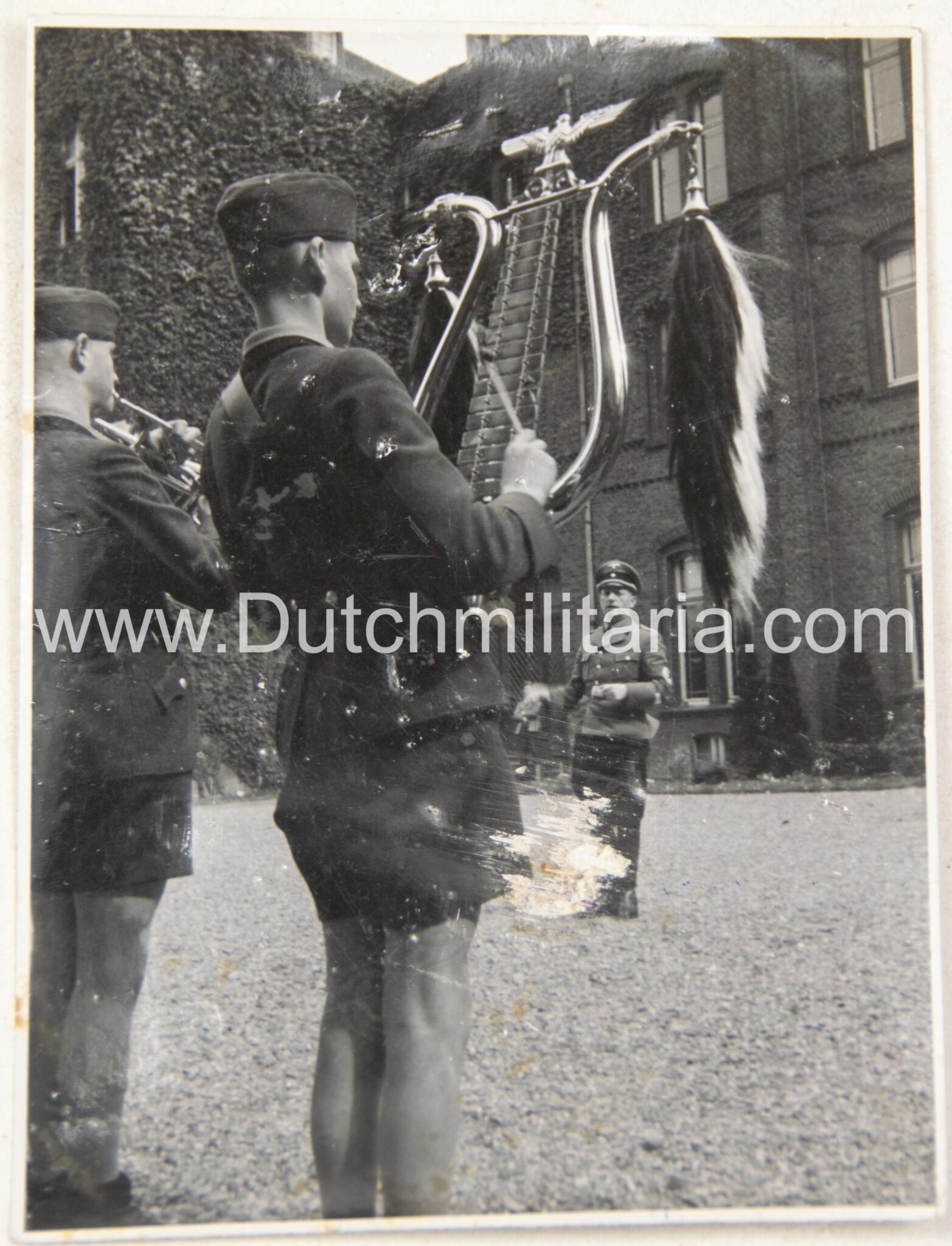
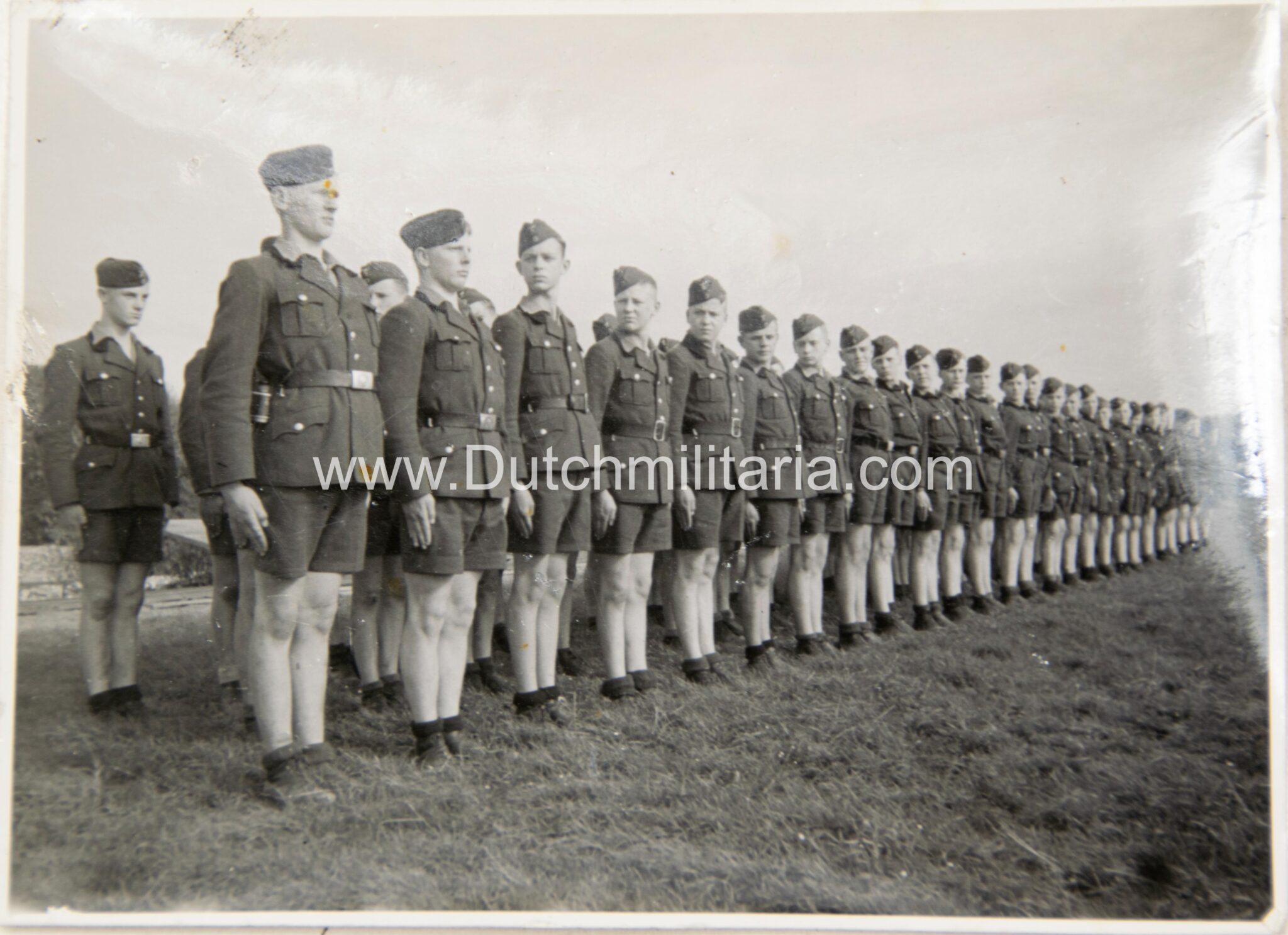
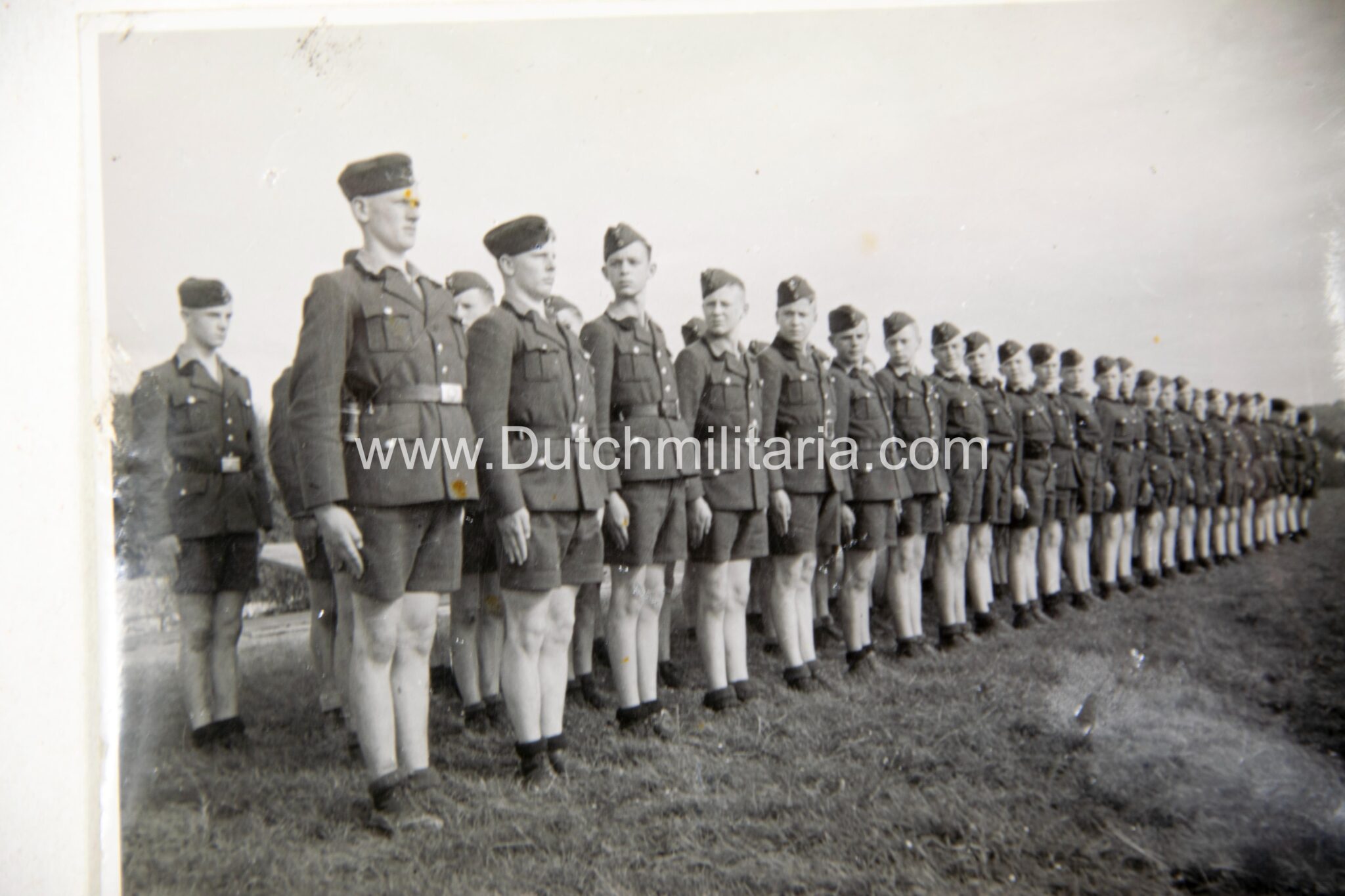
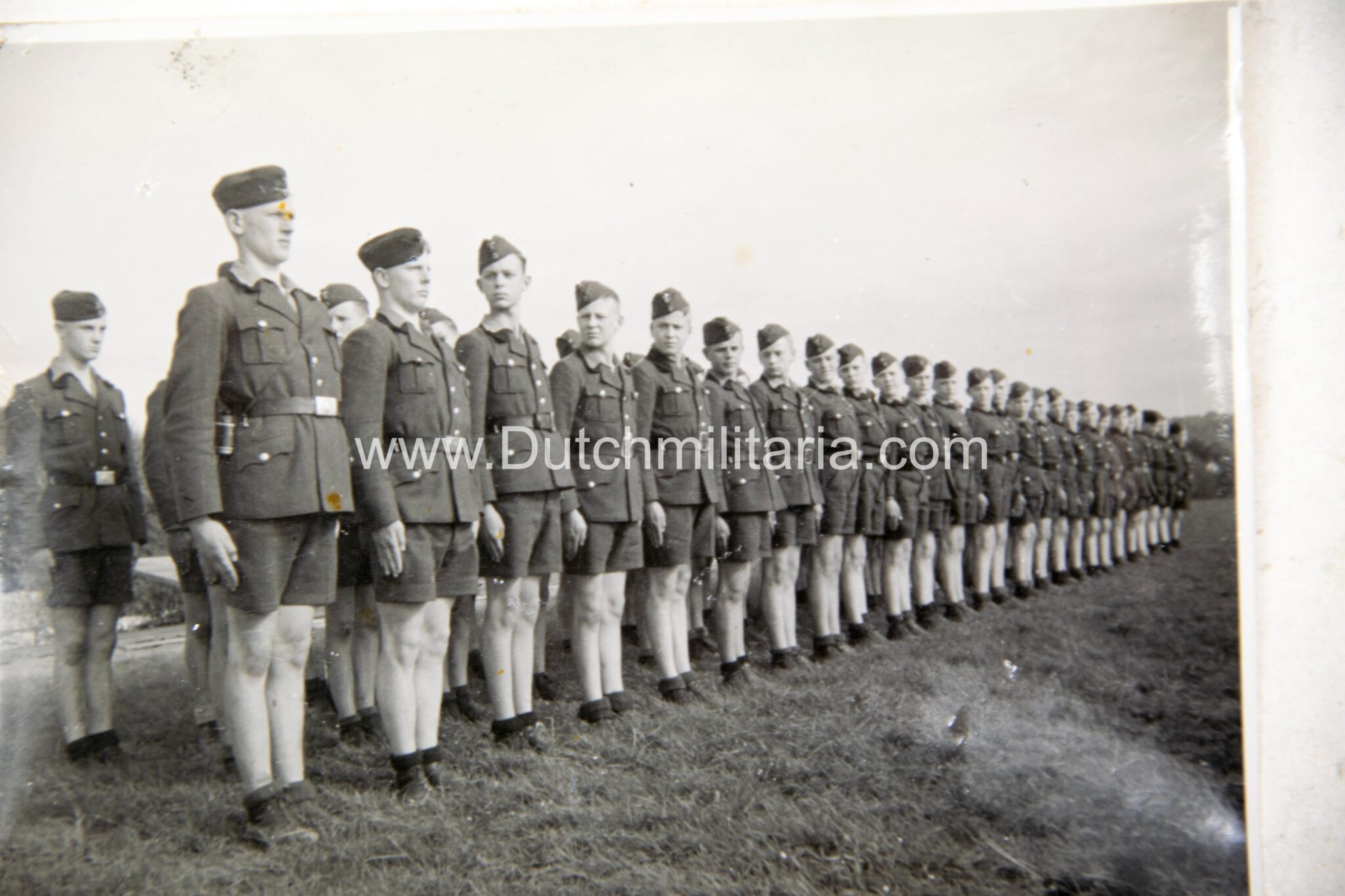
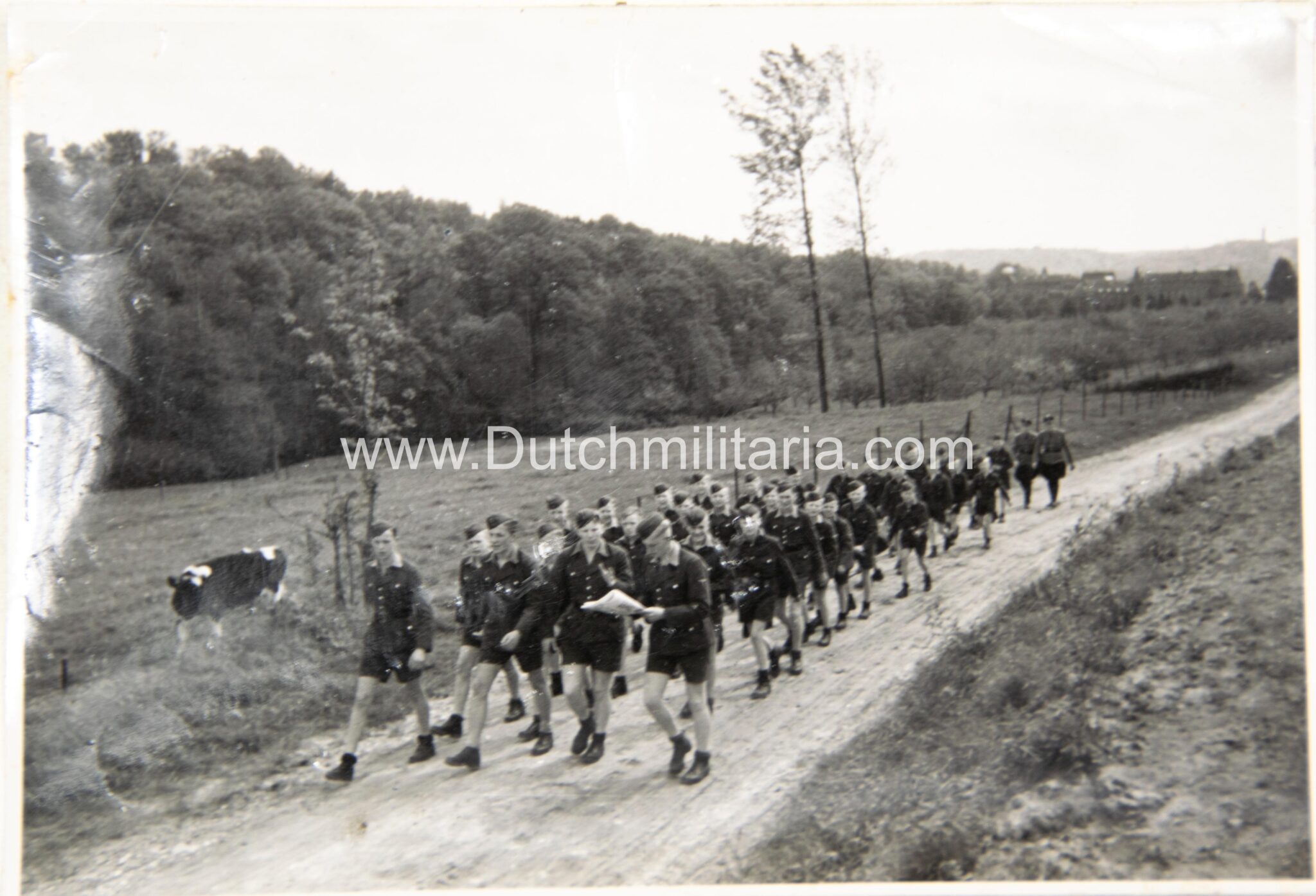
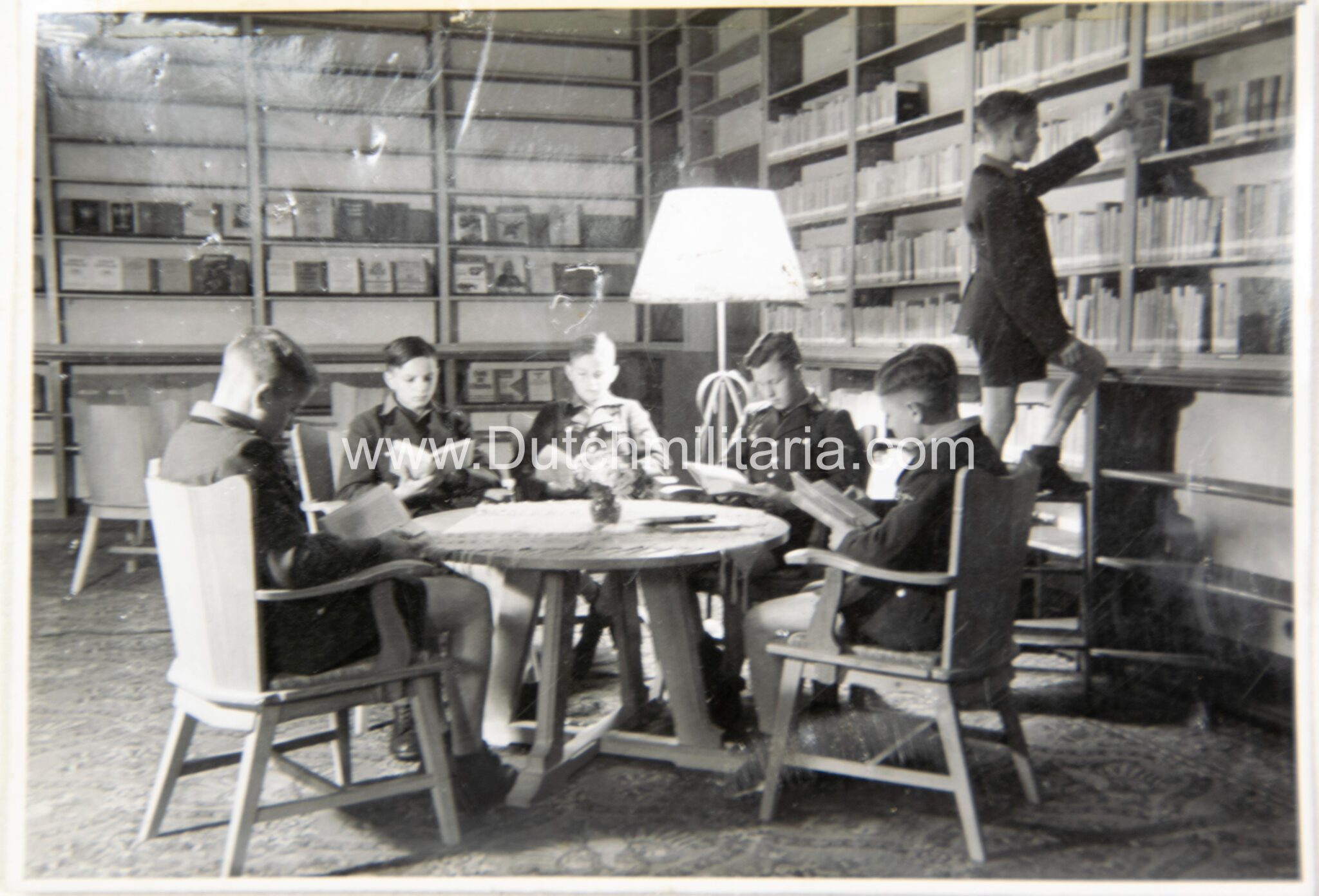
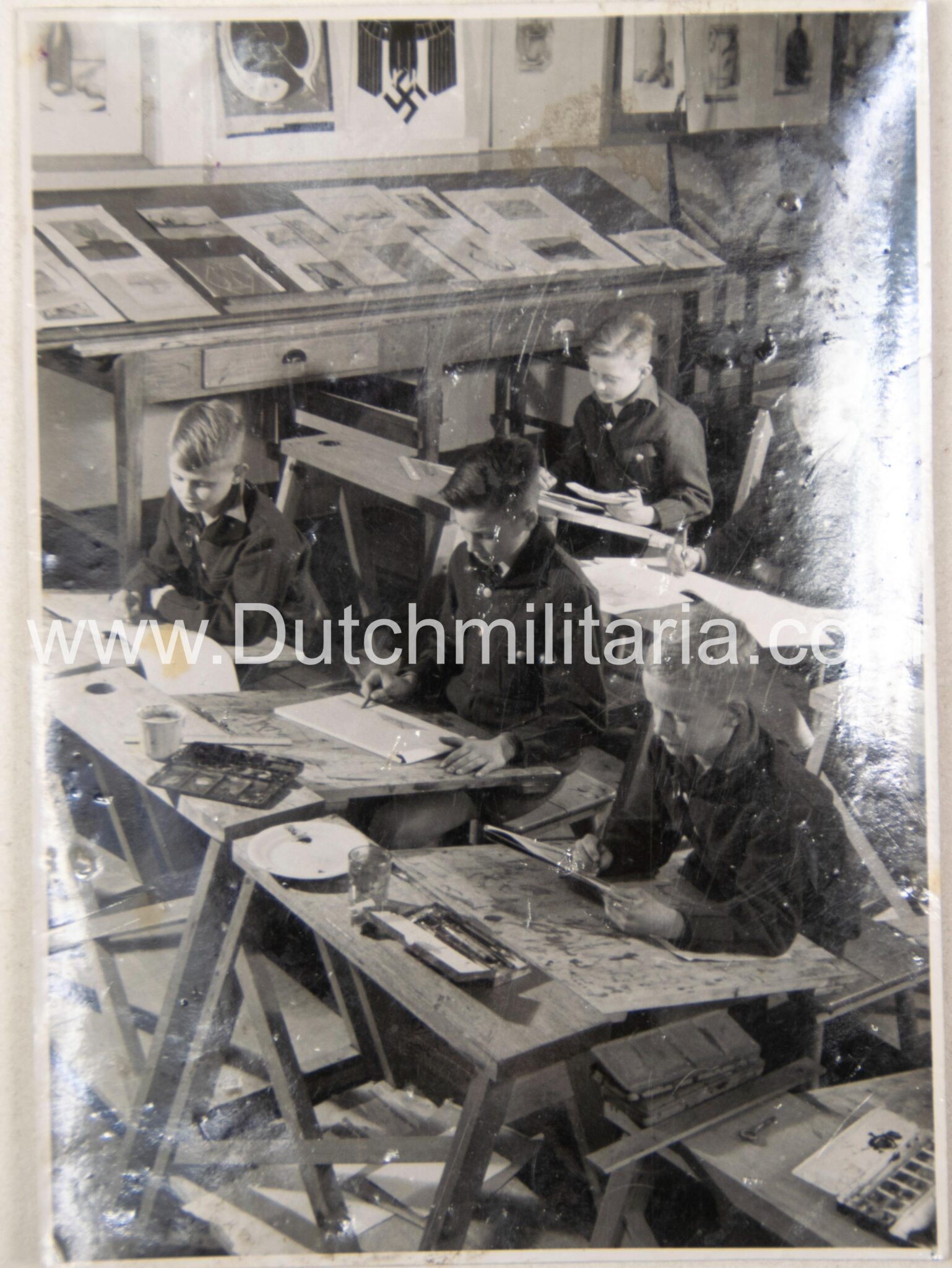
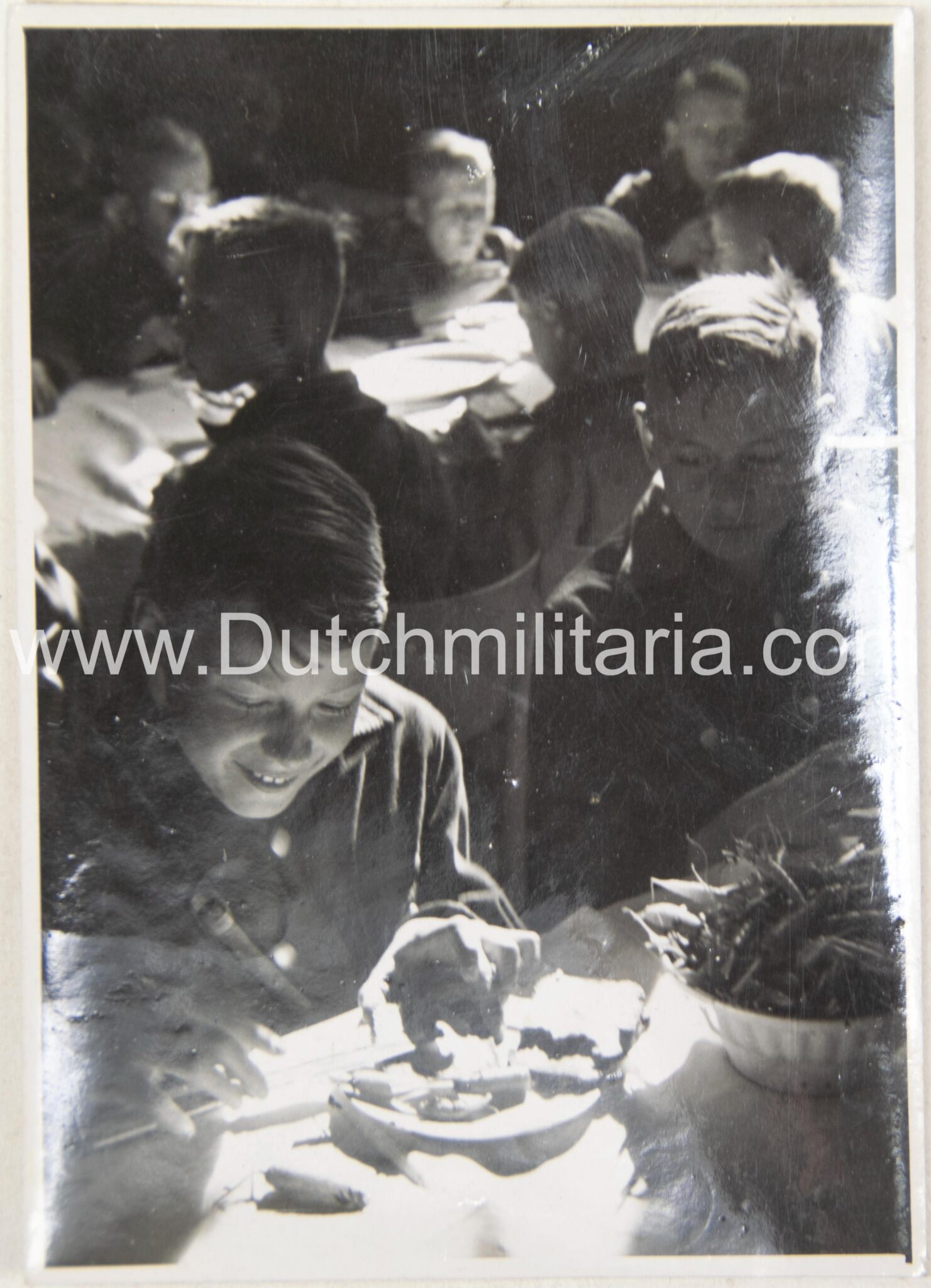
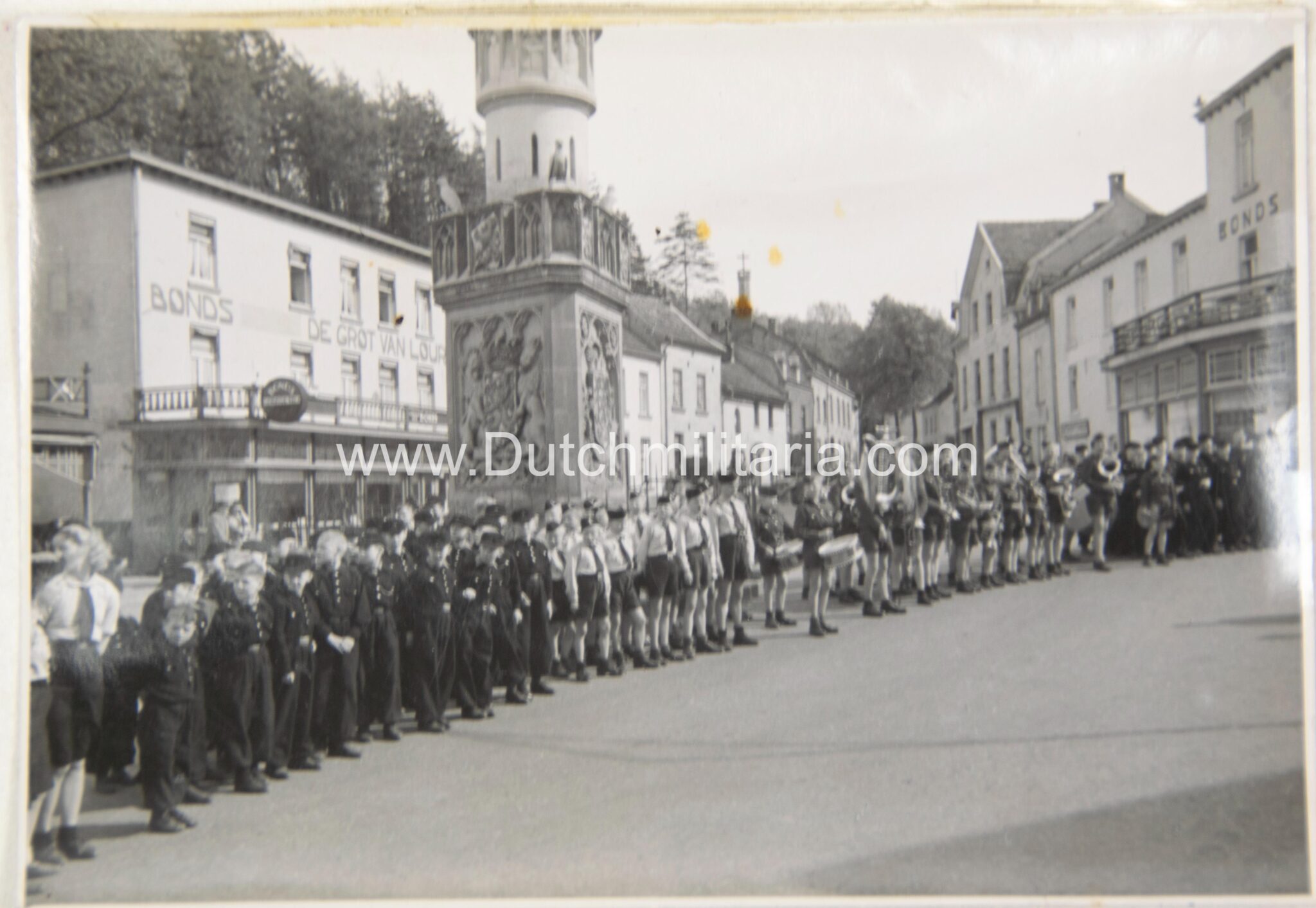
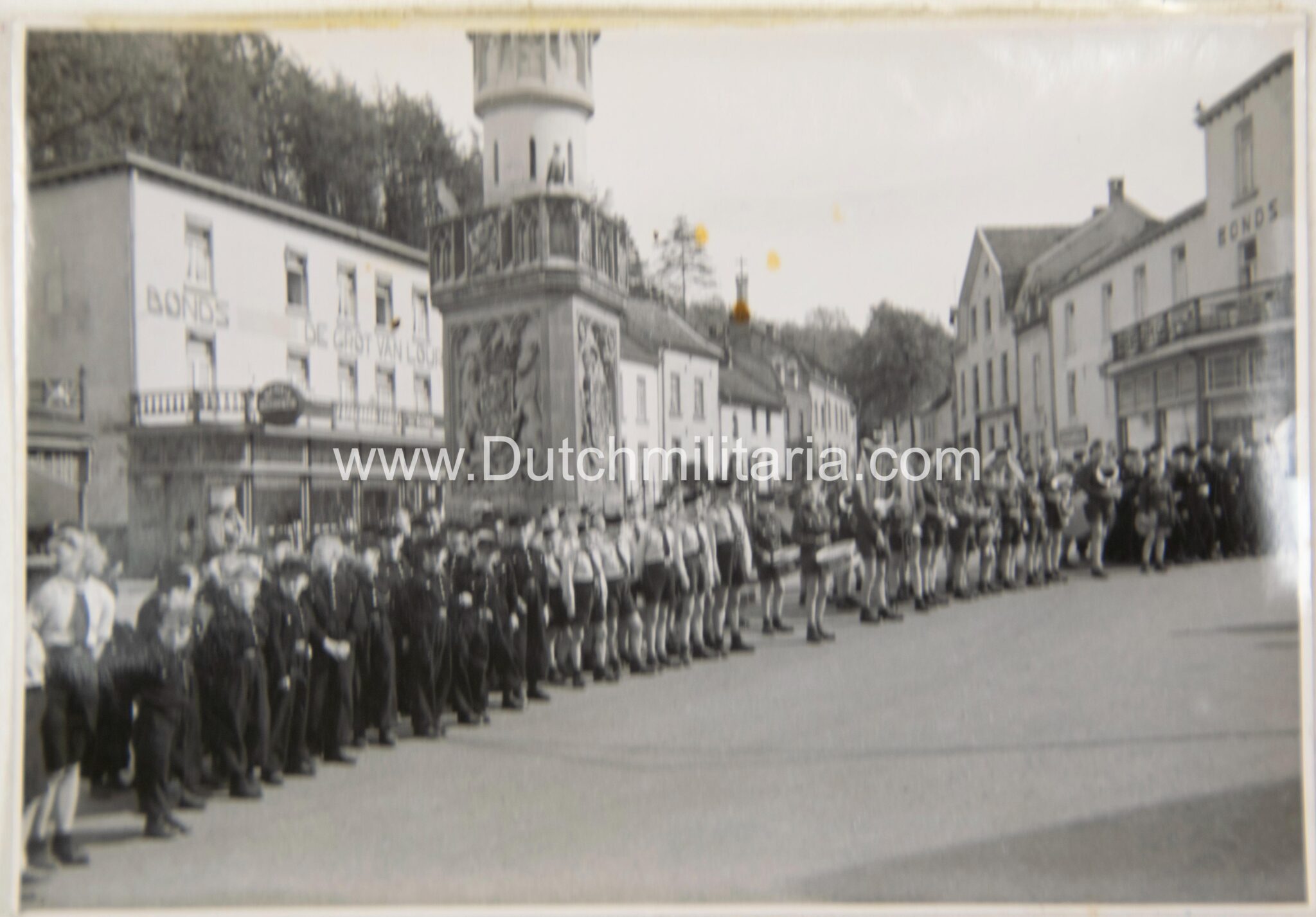
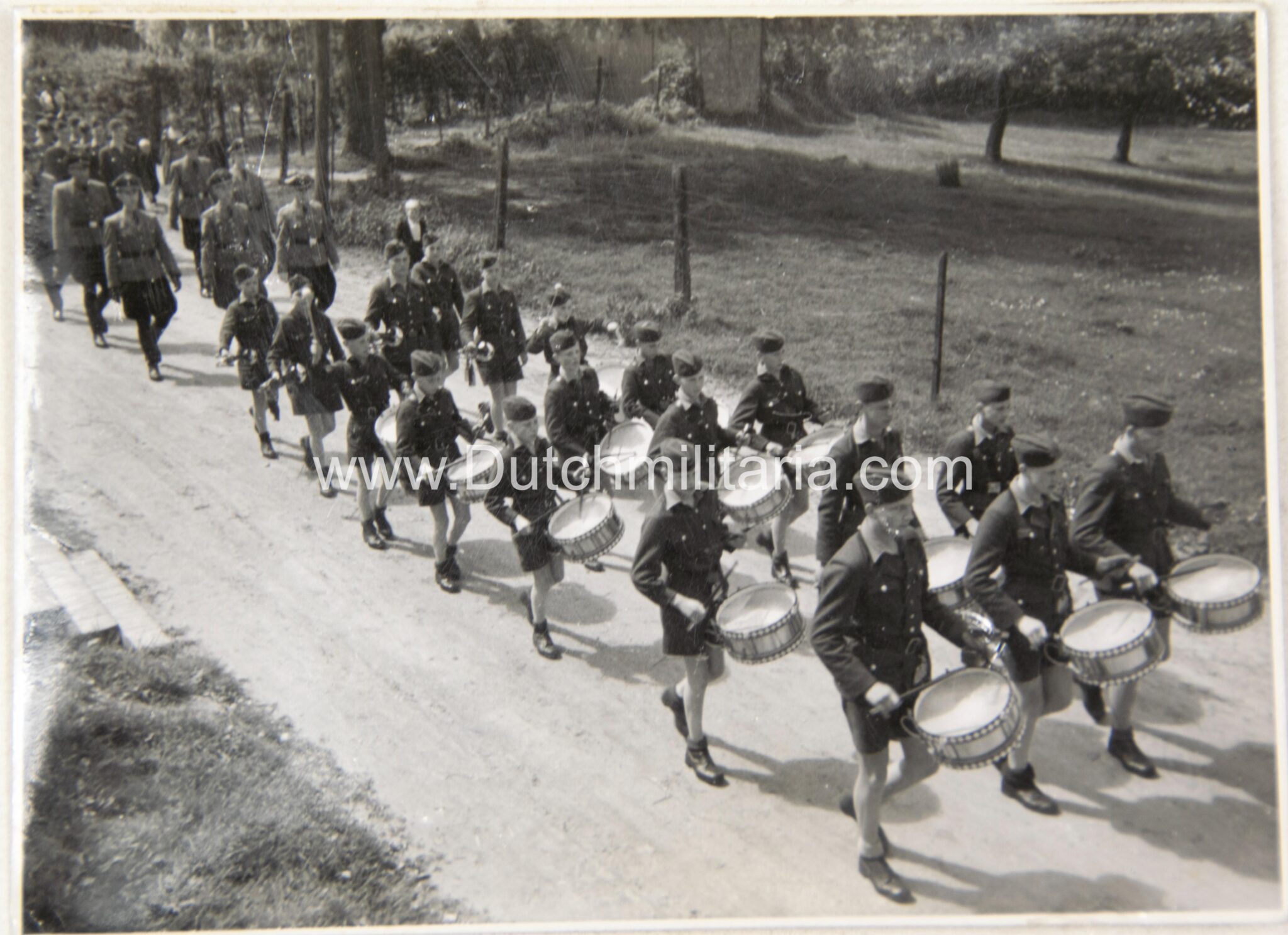
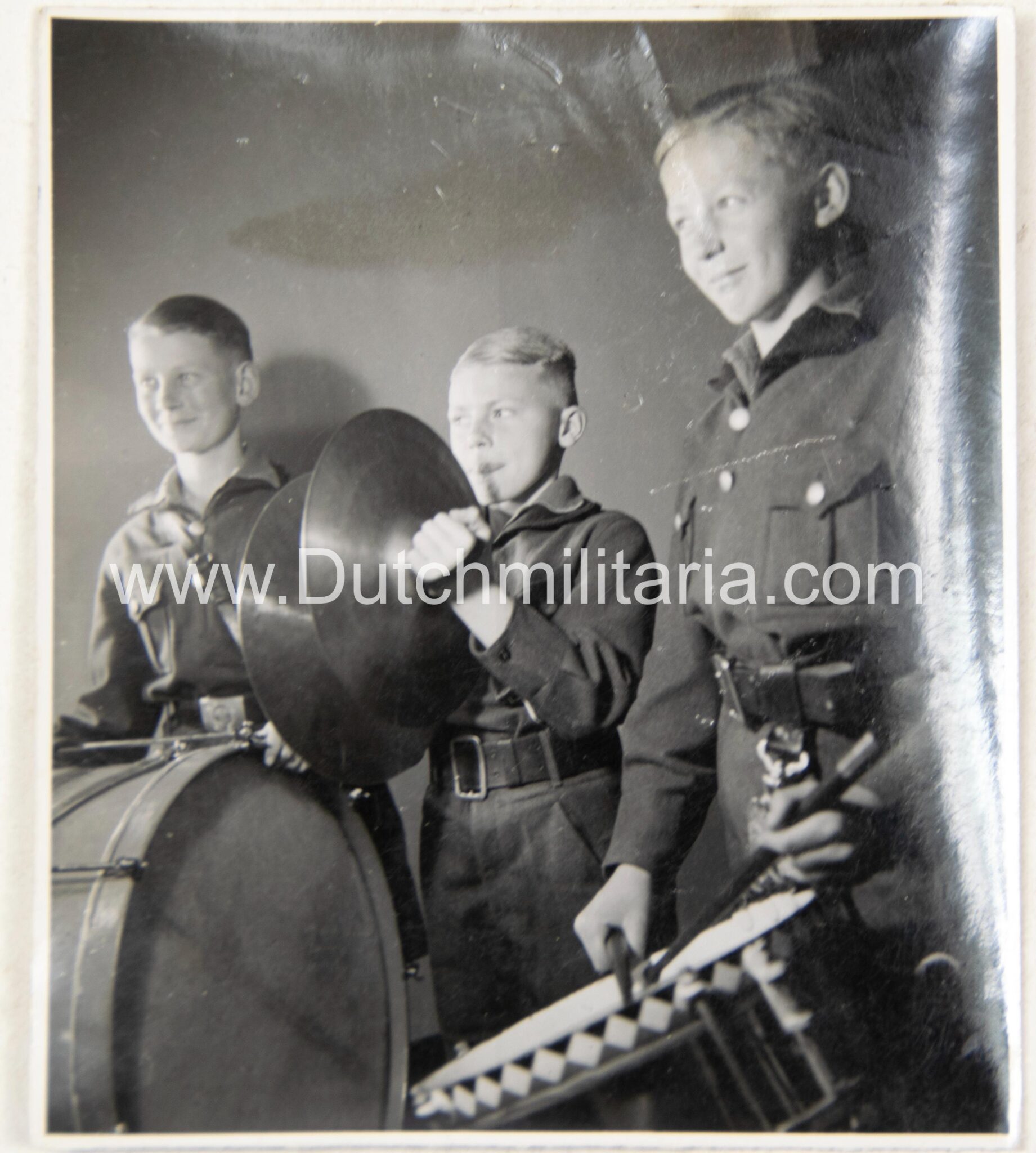
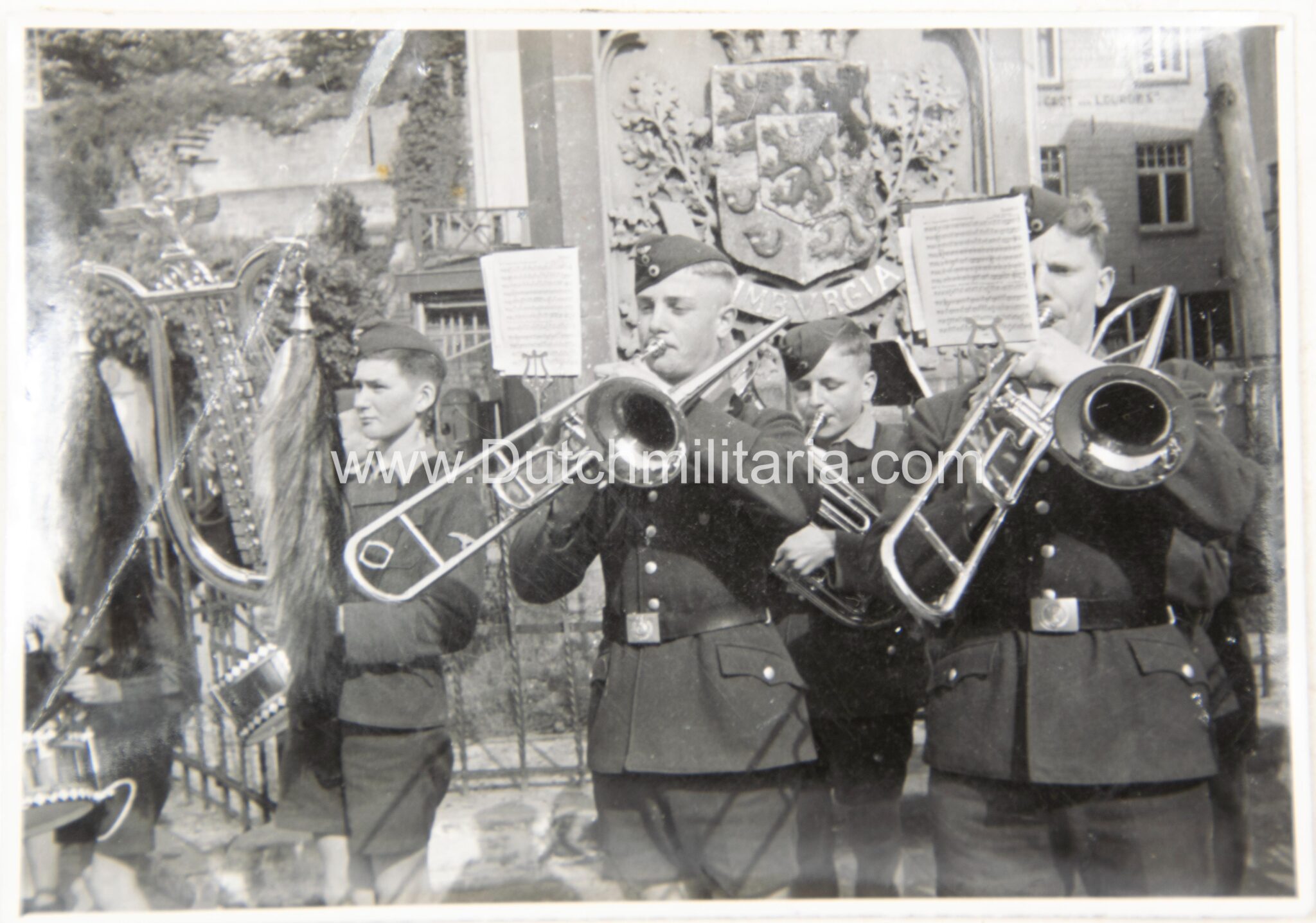
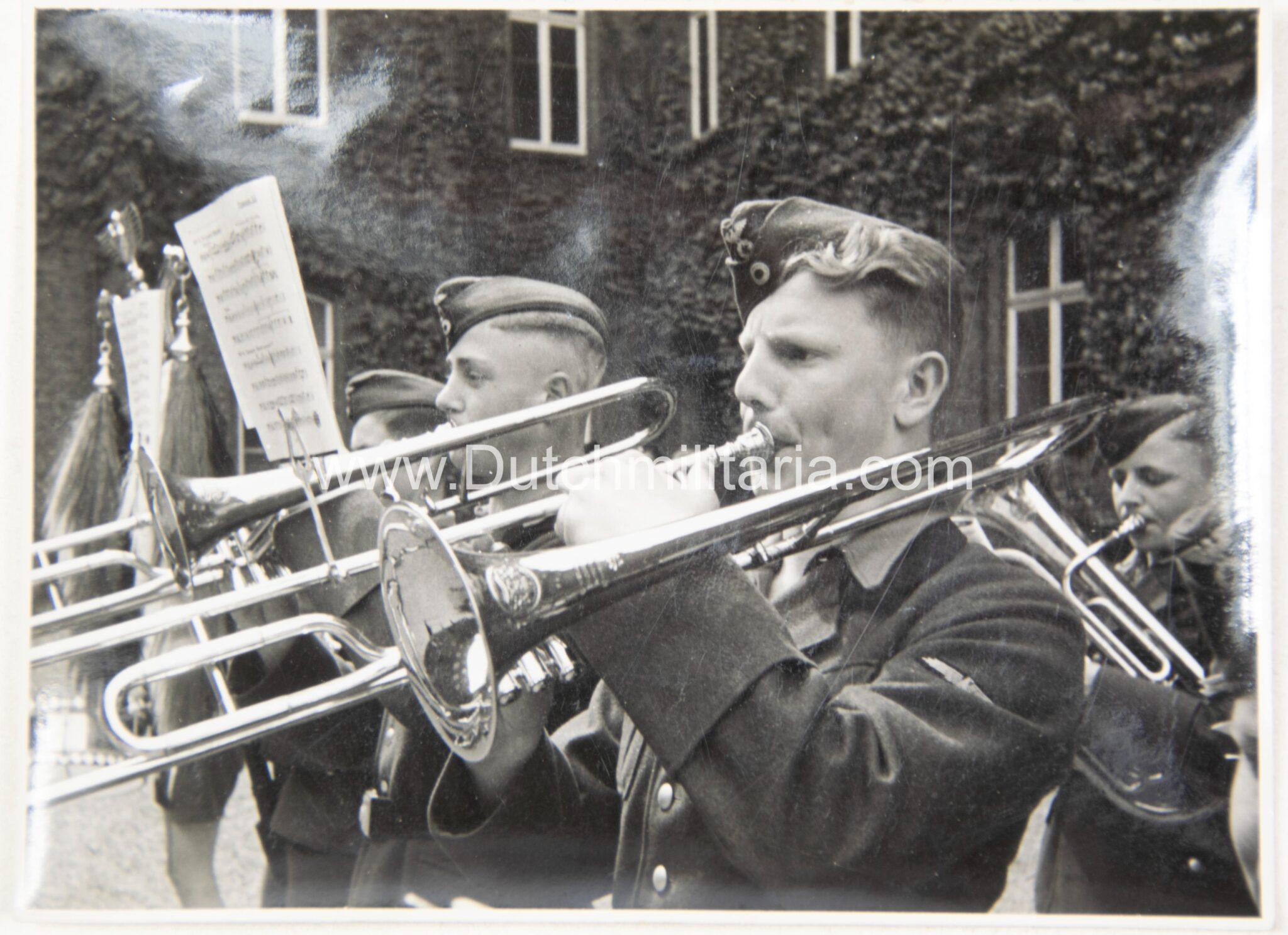
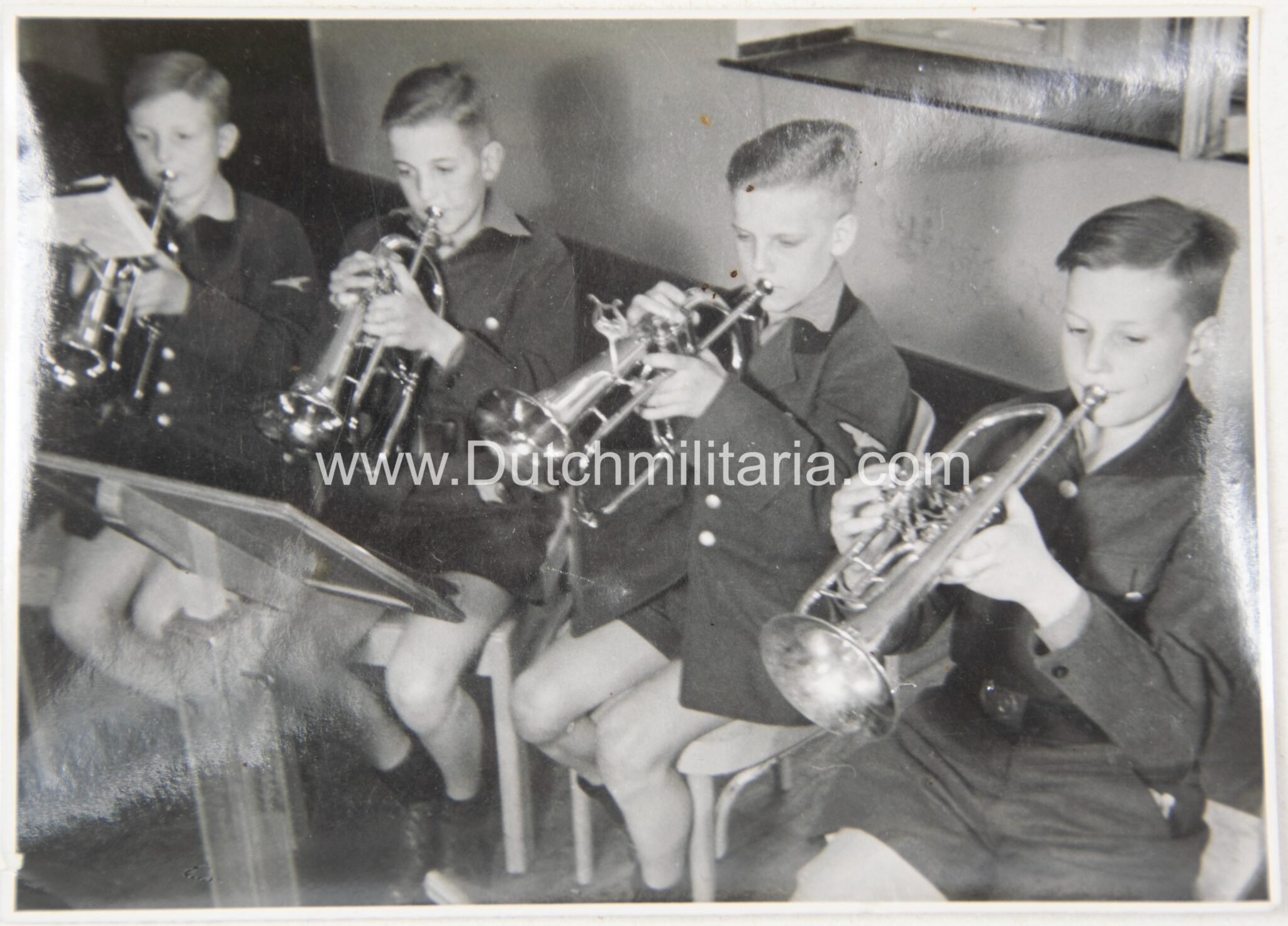
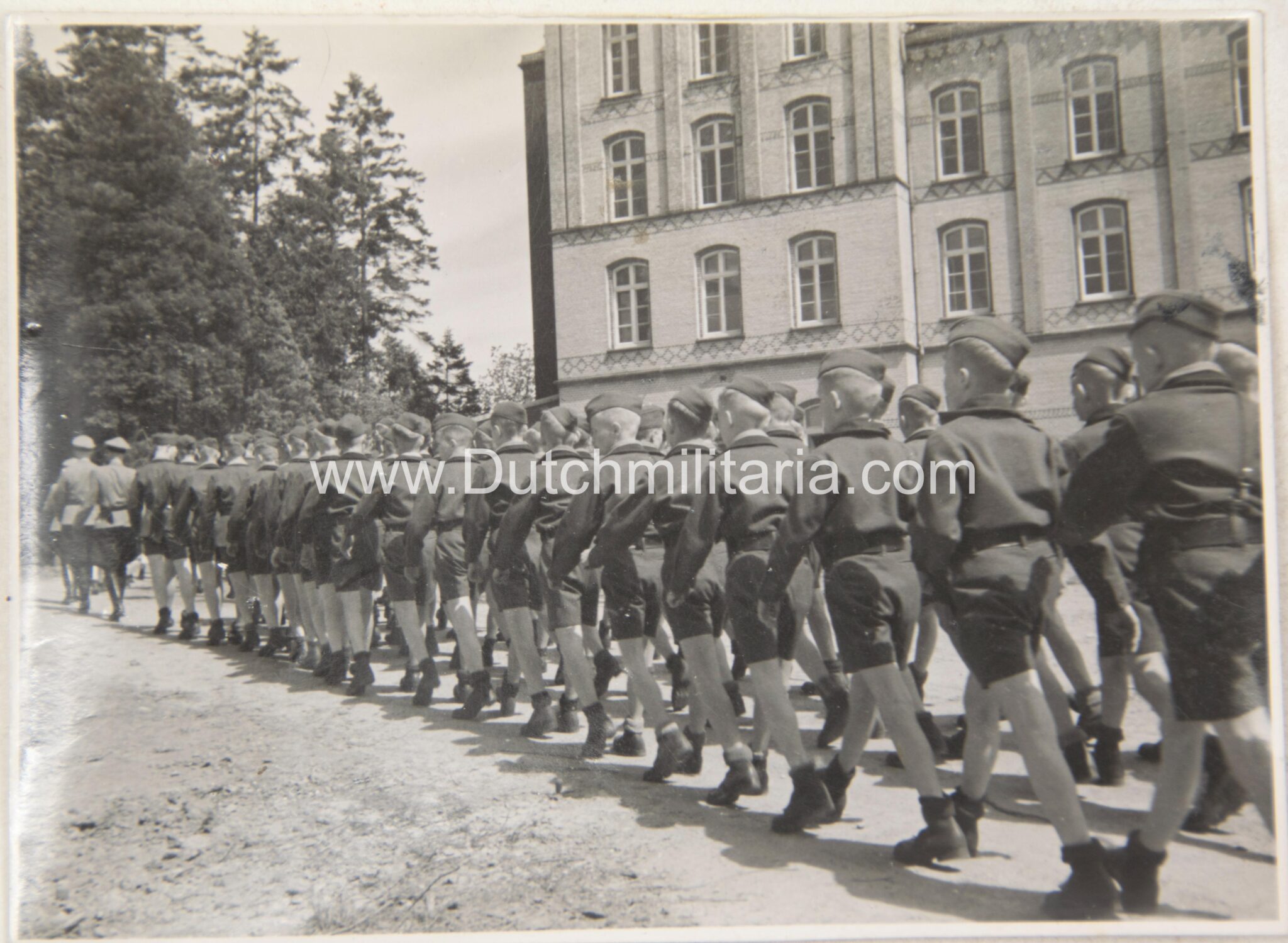
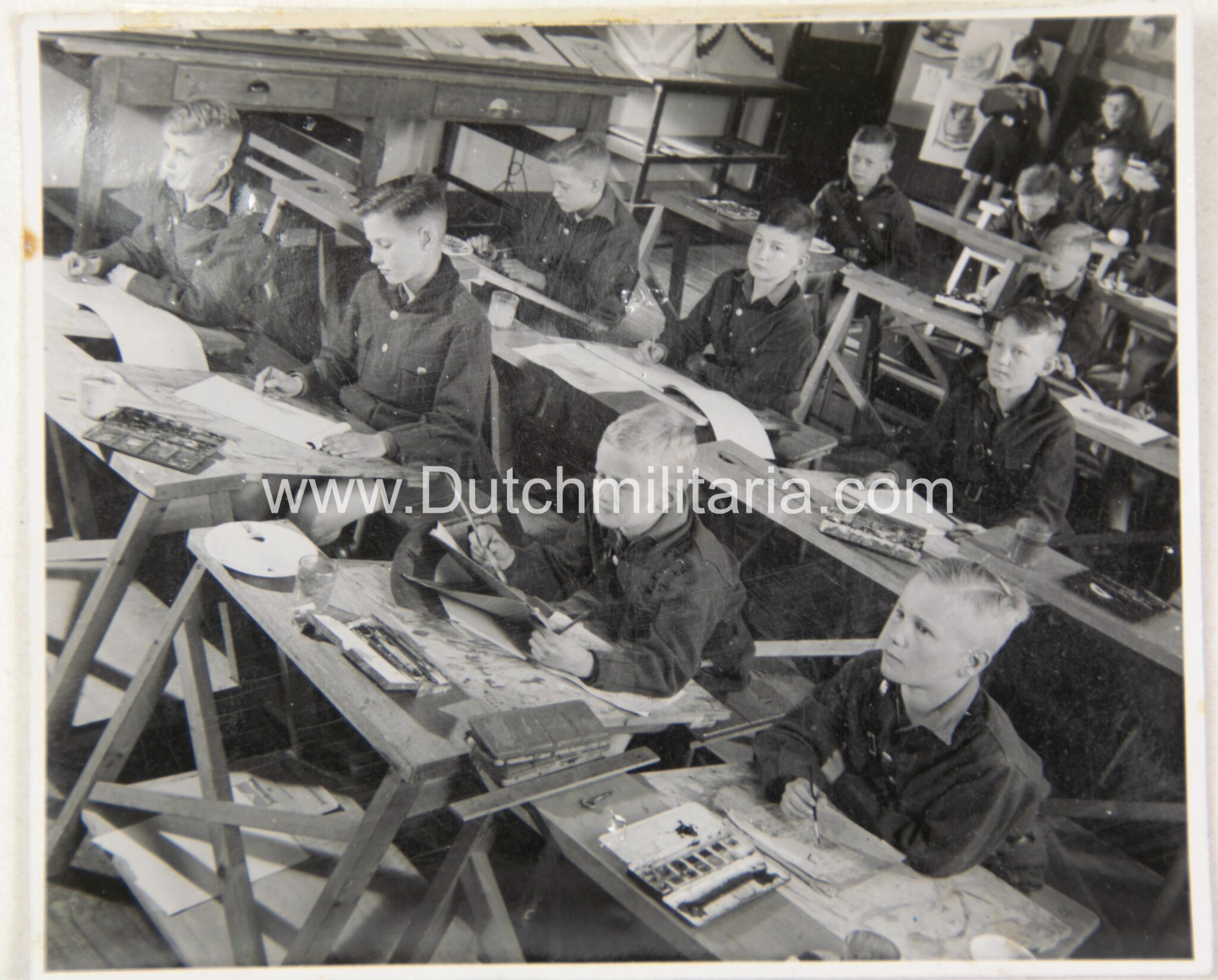
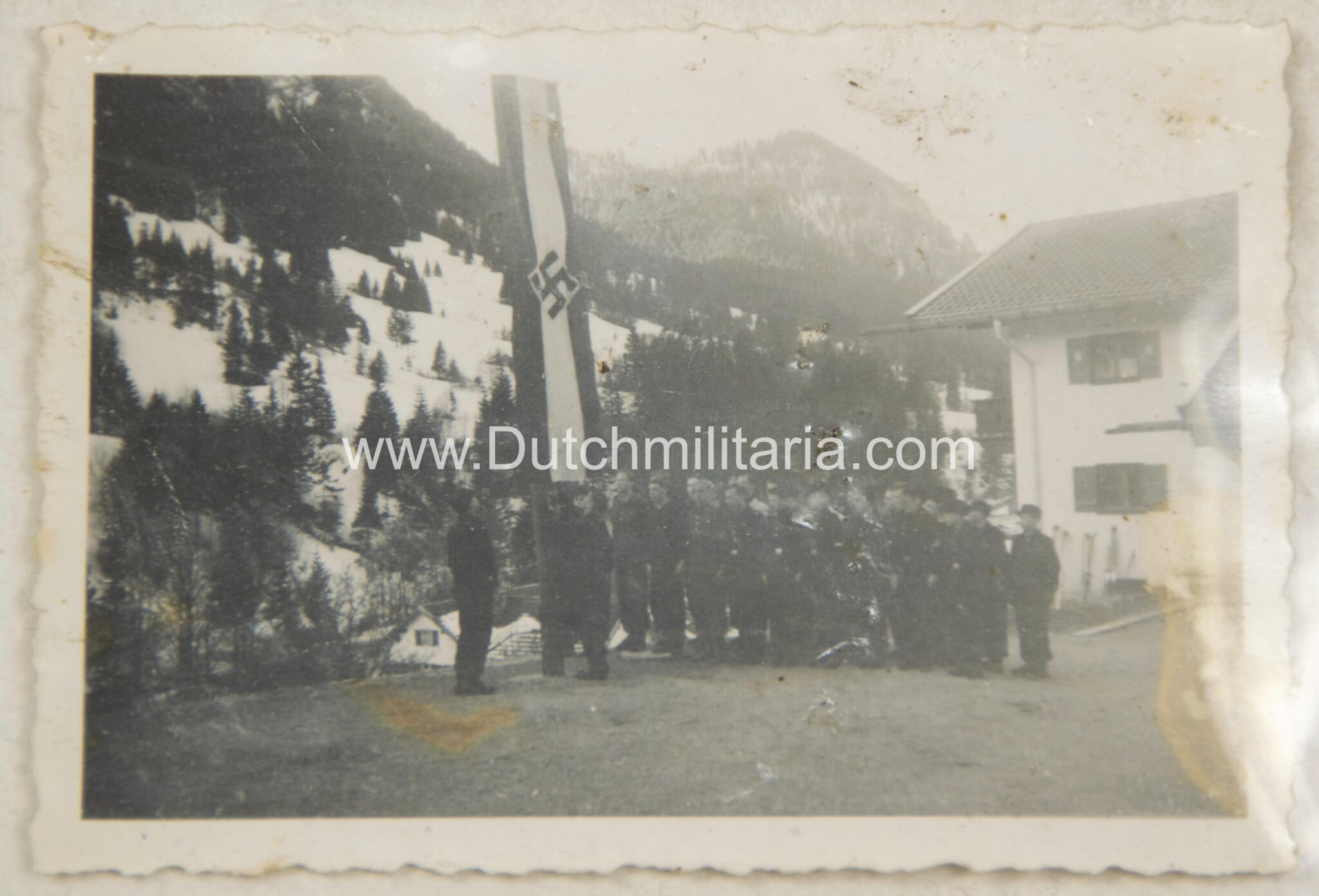
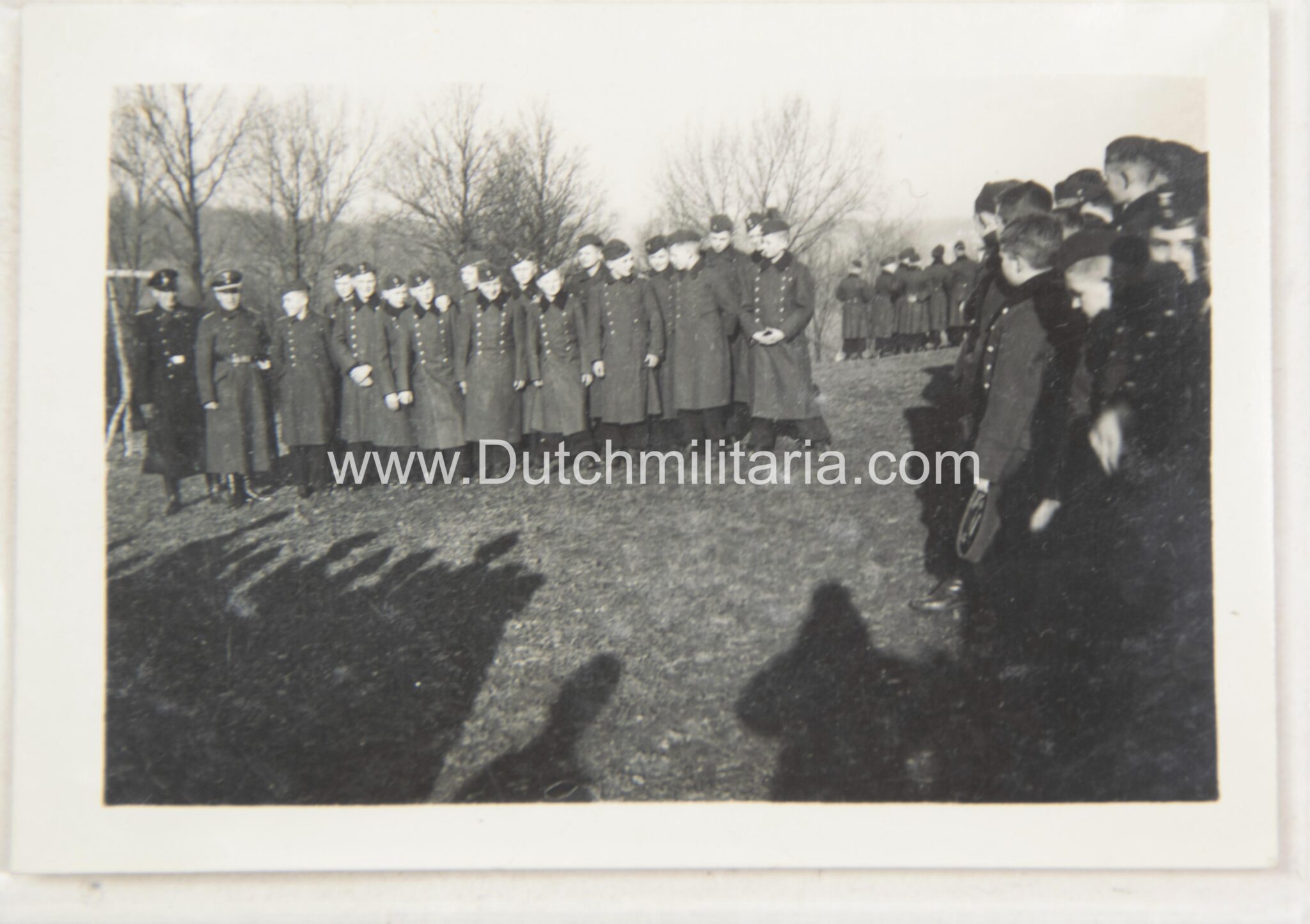
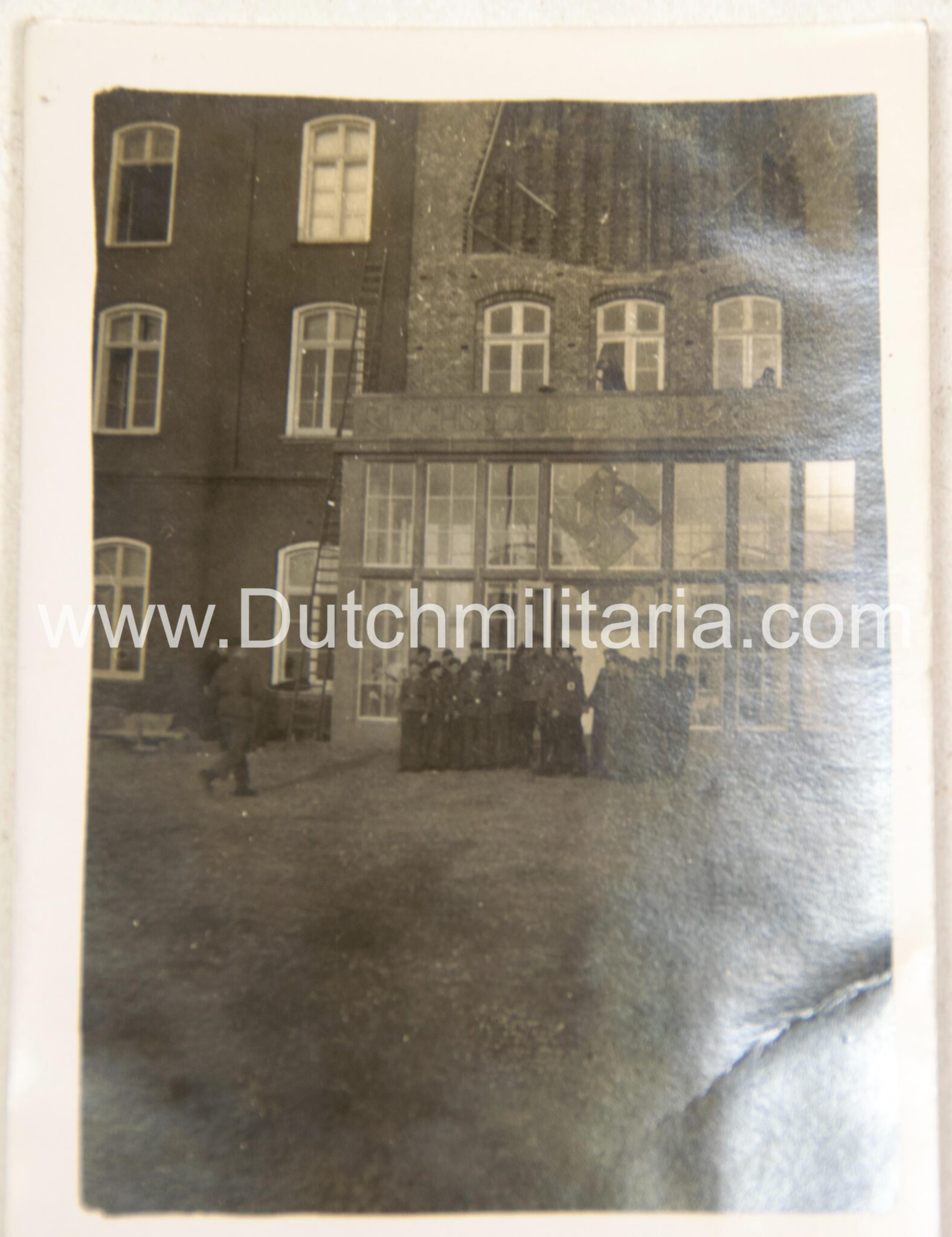
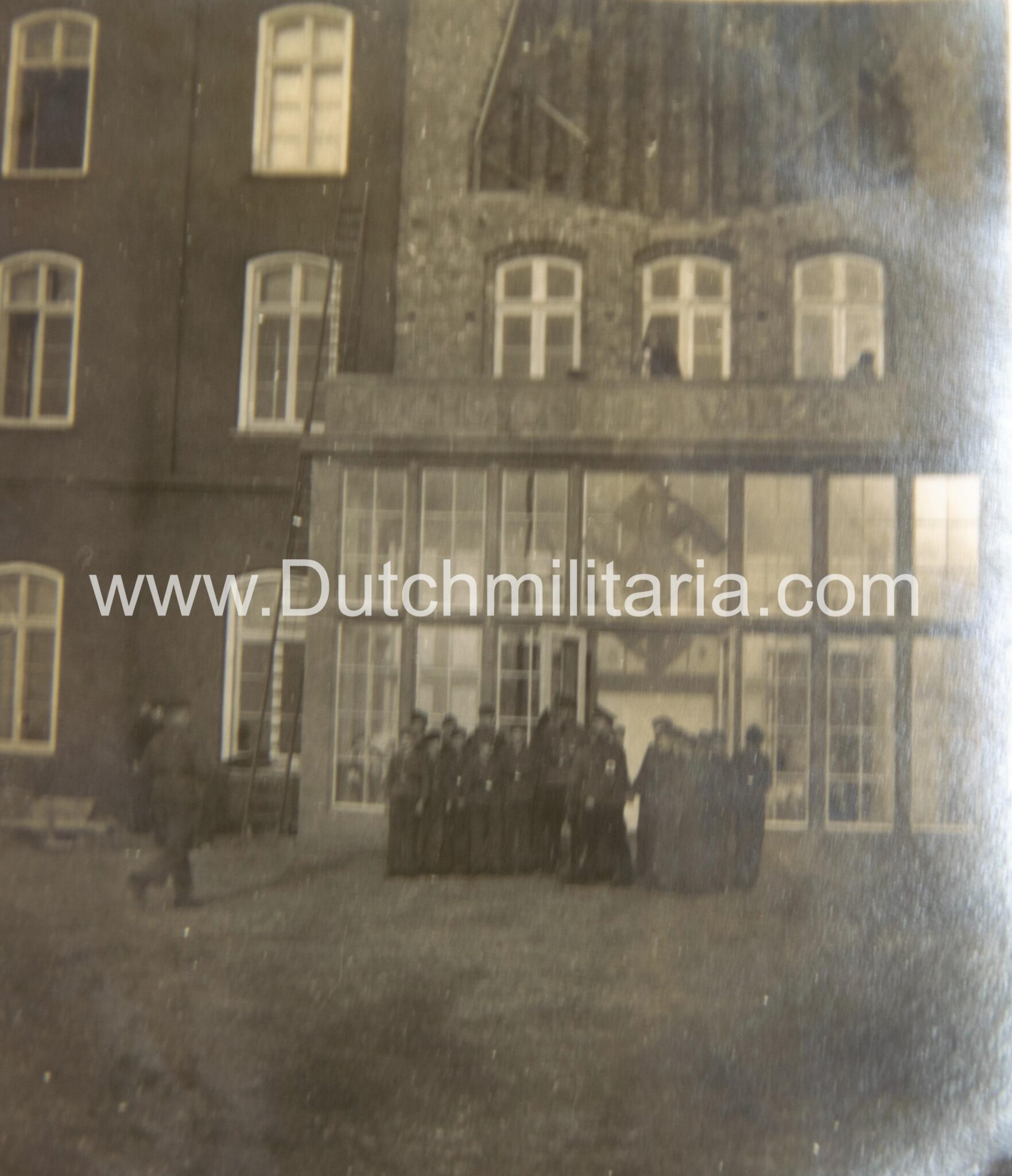
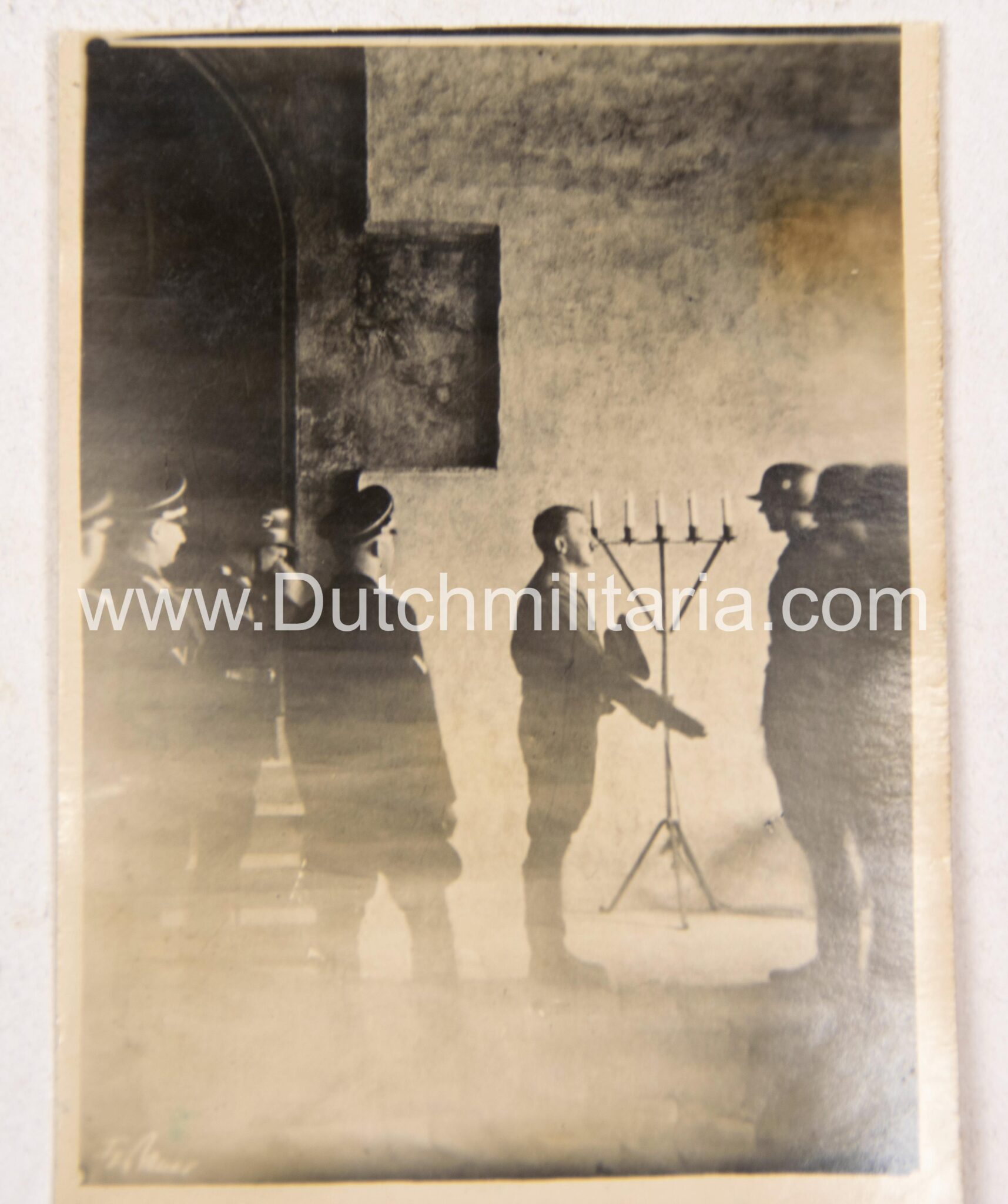
B A unique large grouping of 48 together belonging pressphoto’s of the reichsschule Valkenburg.
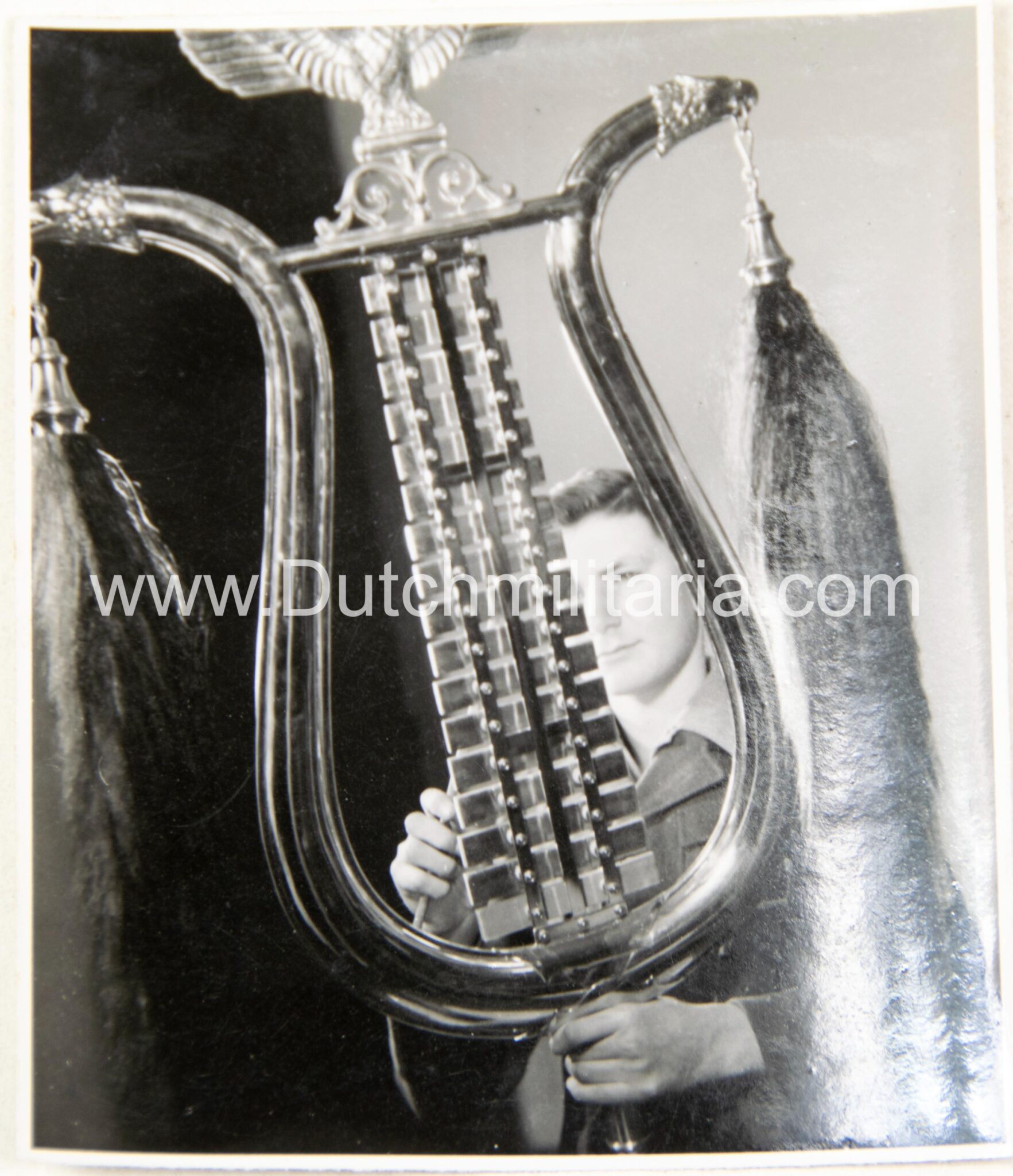
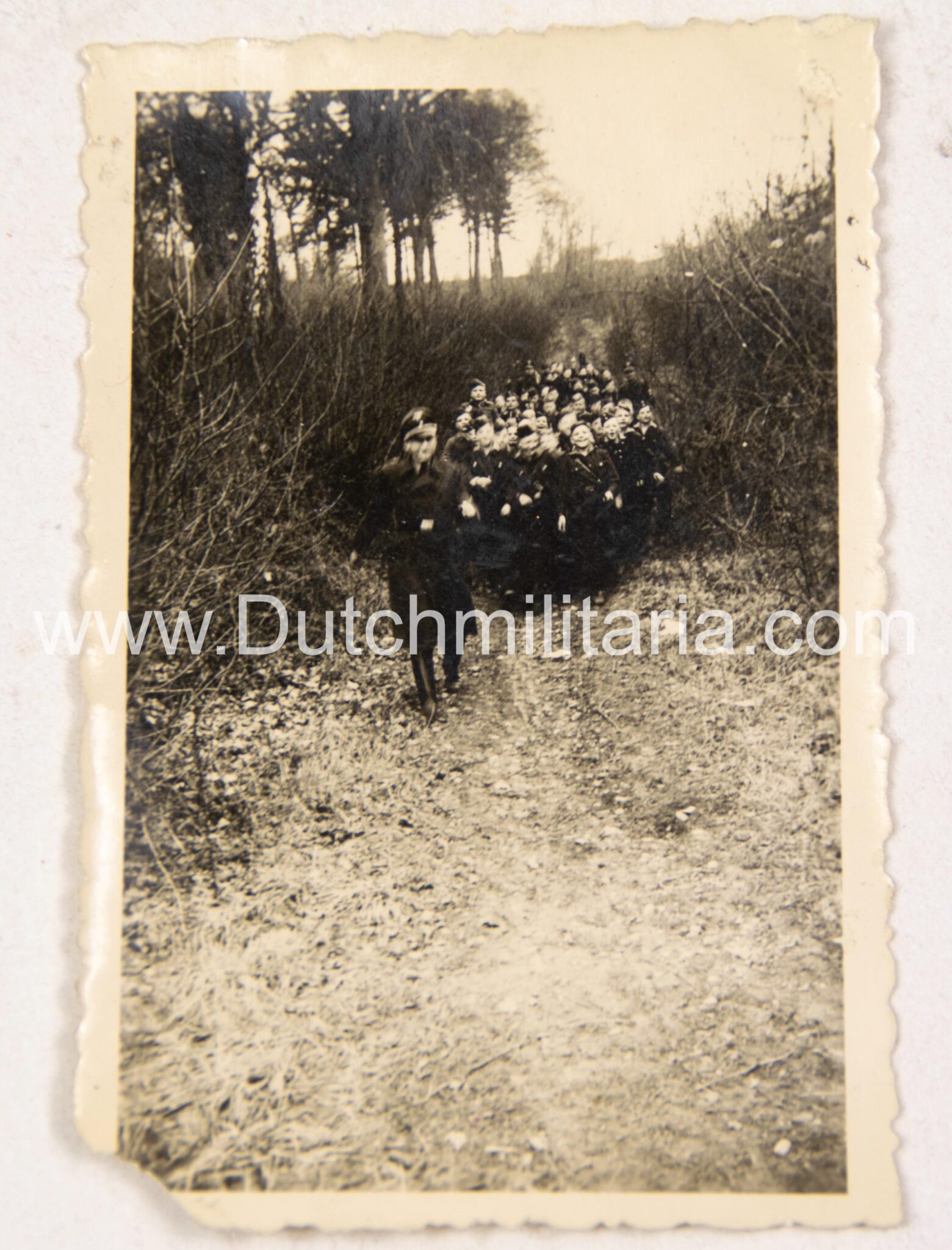
C A lot of approximately 35 private photos
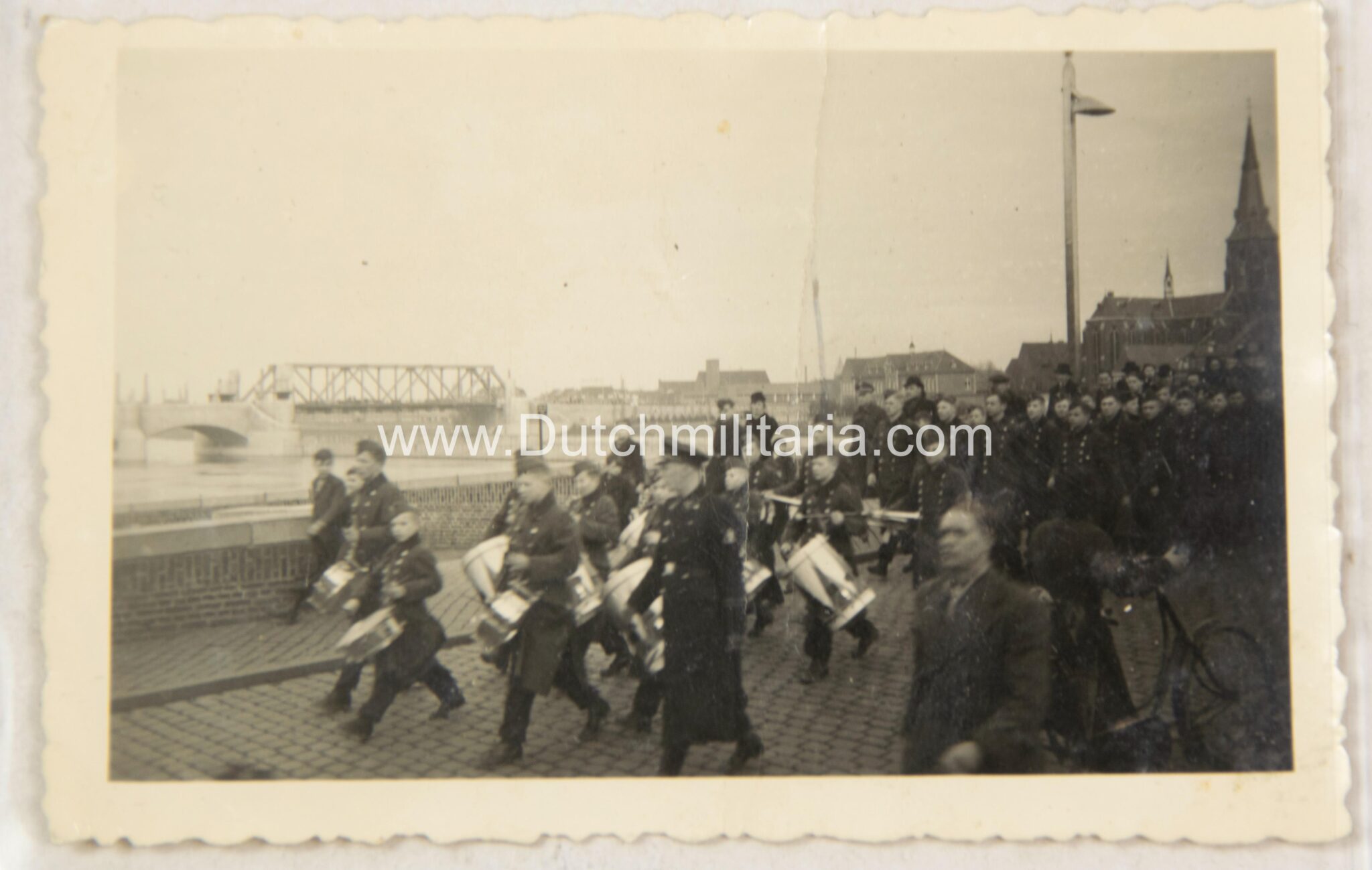
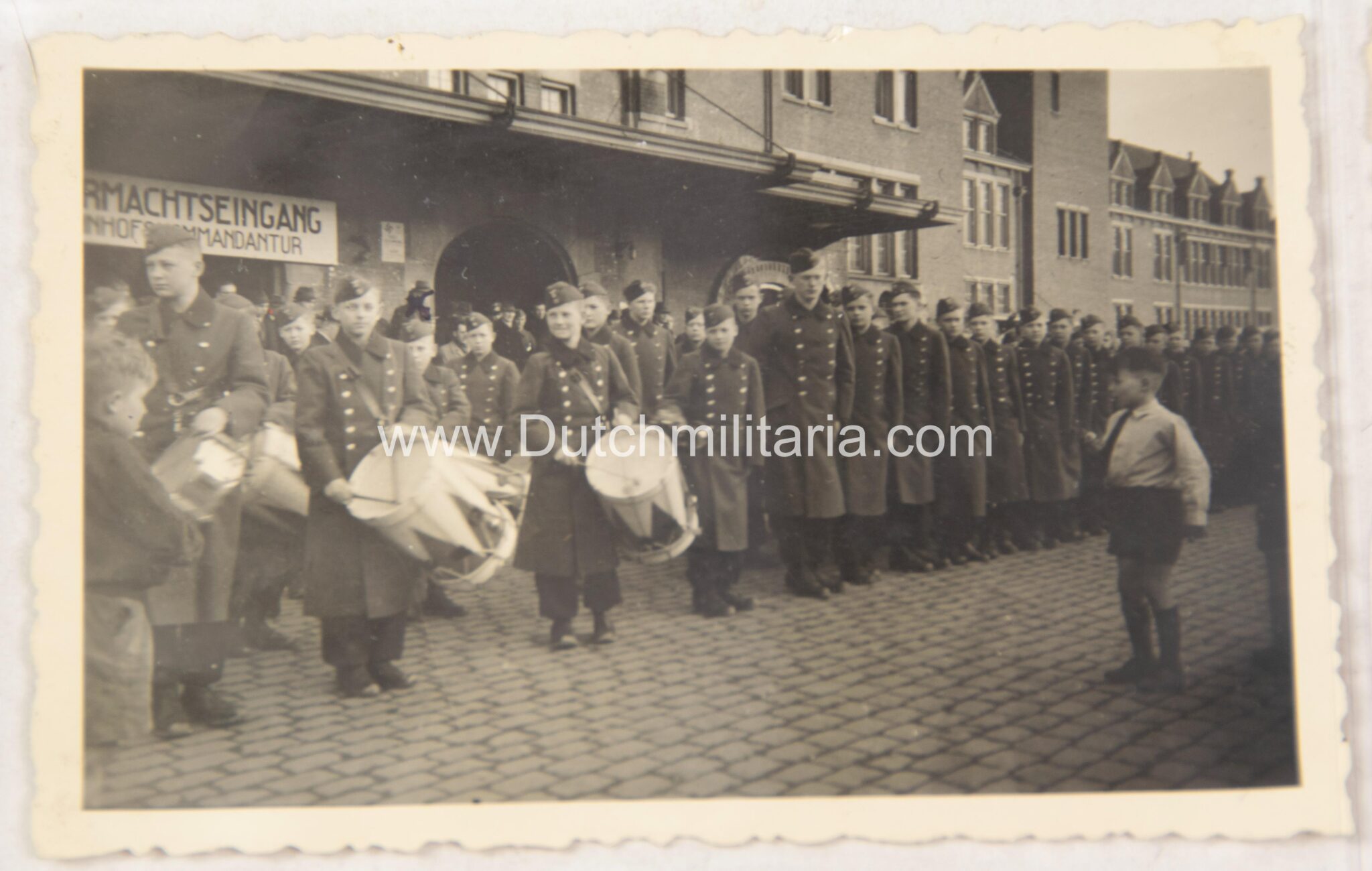
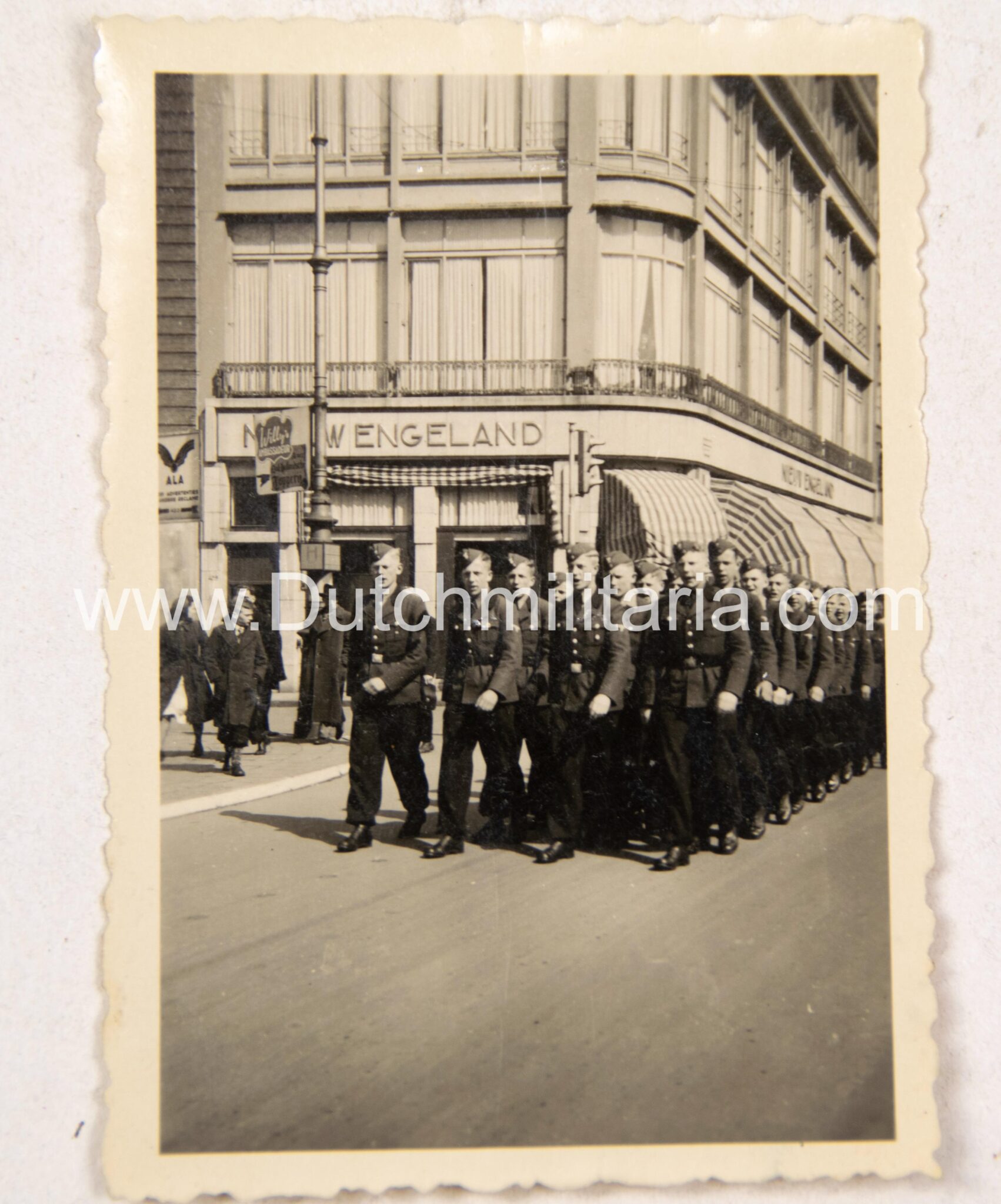
D Other remaining photo’s and postcards
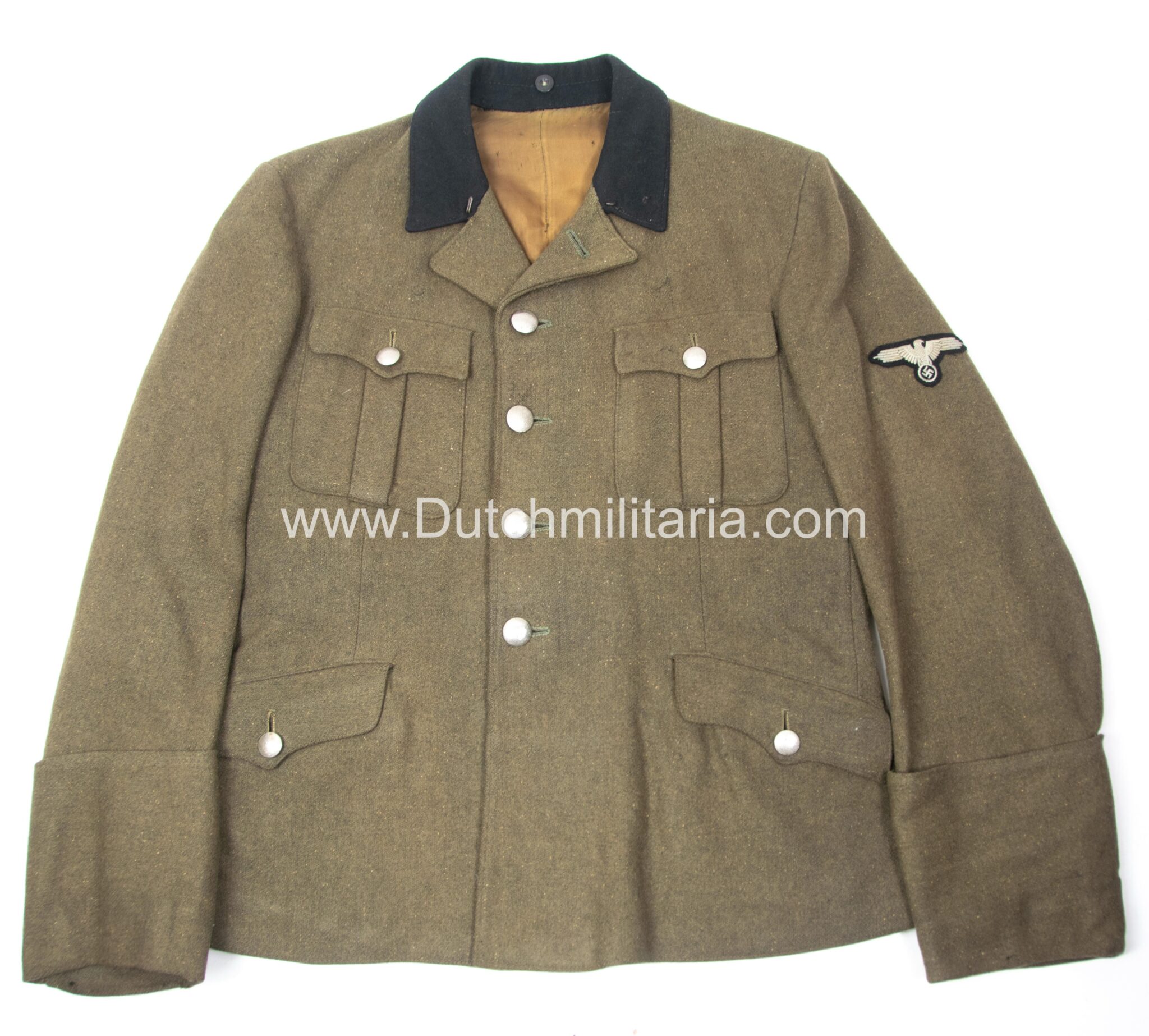
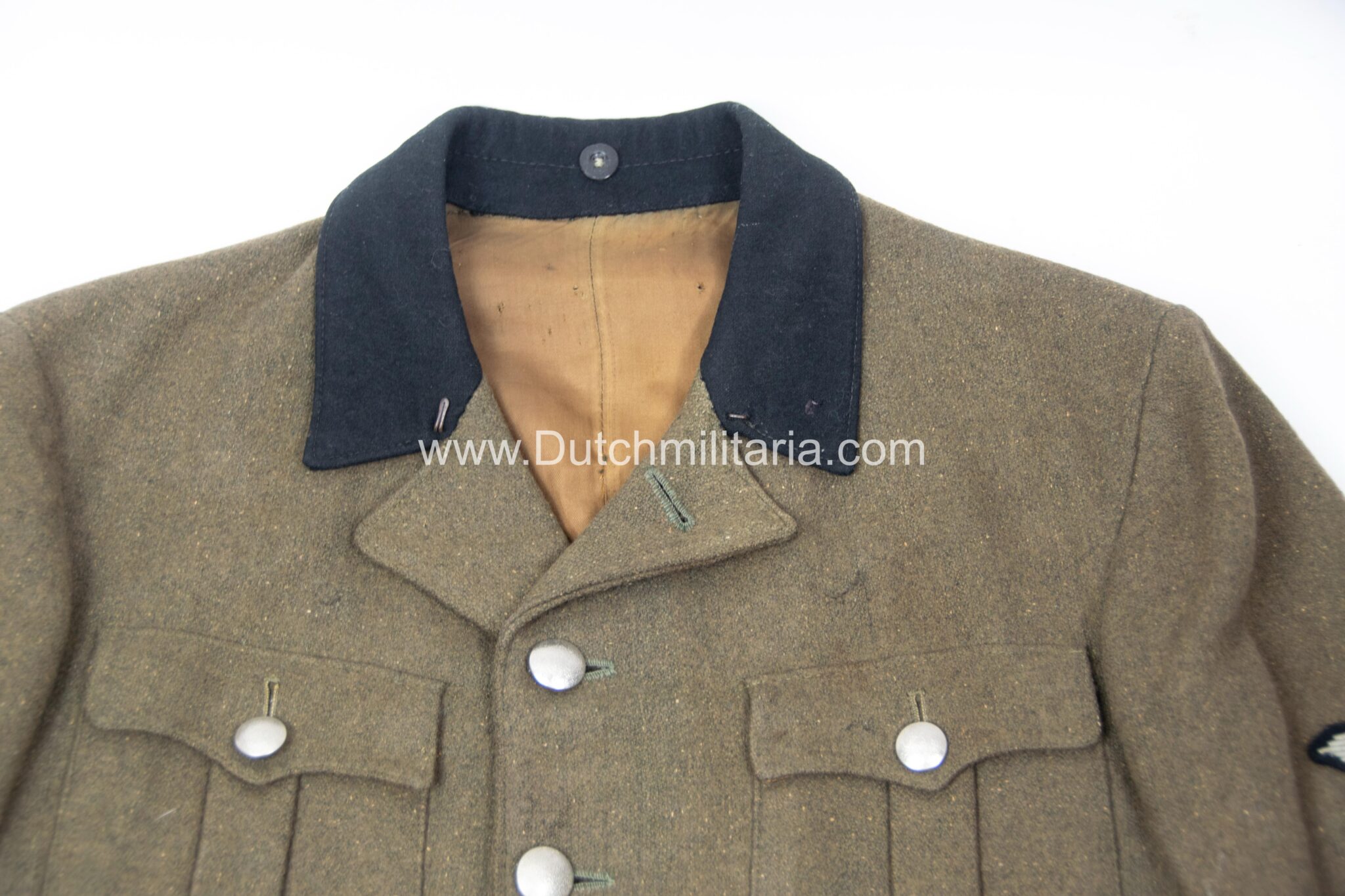
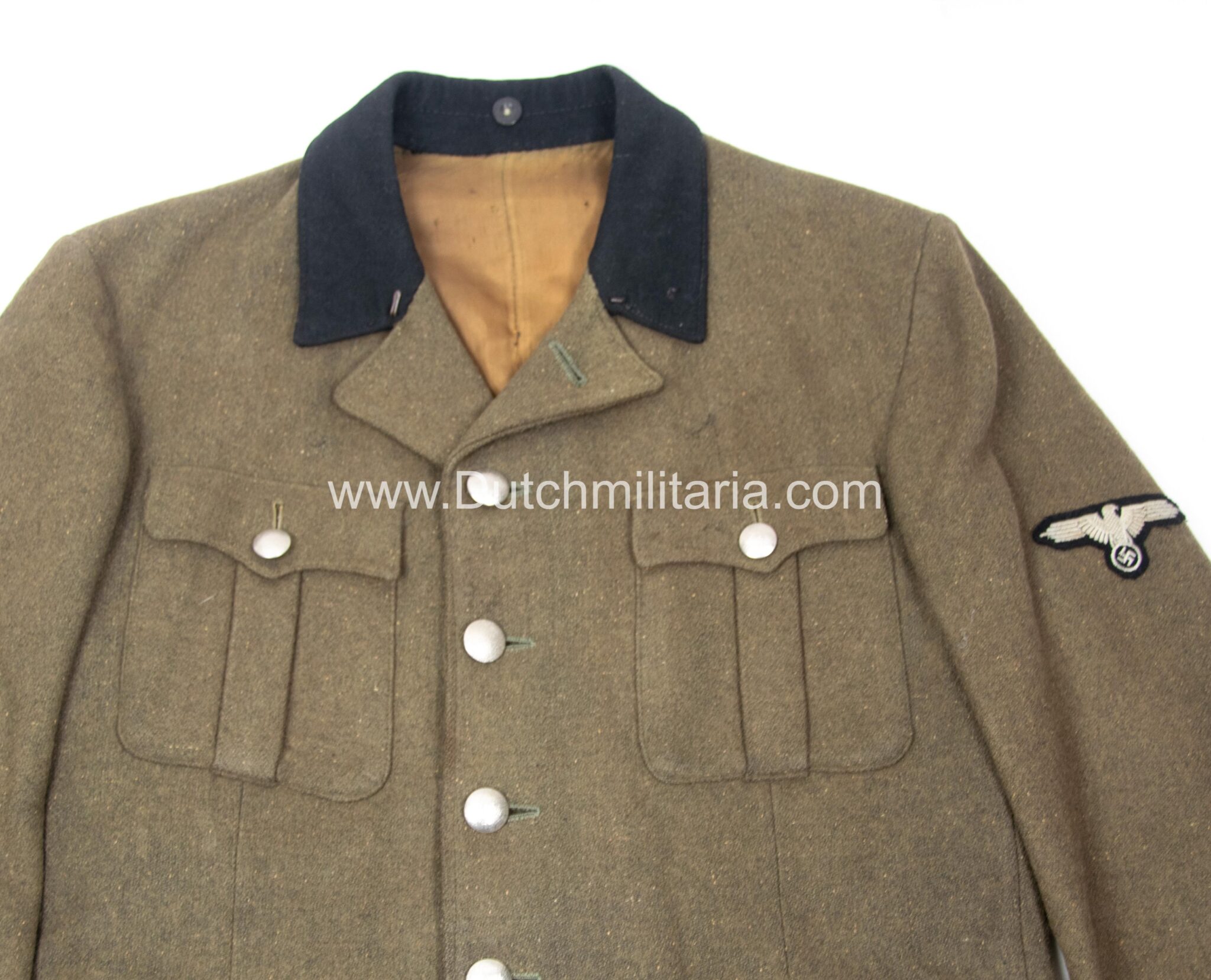
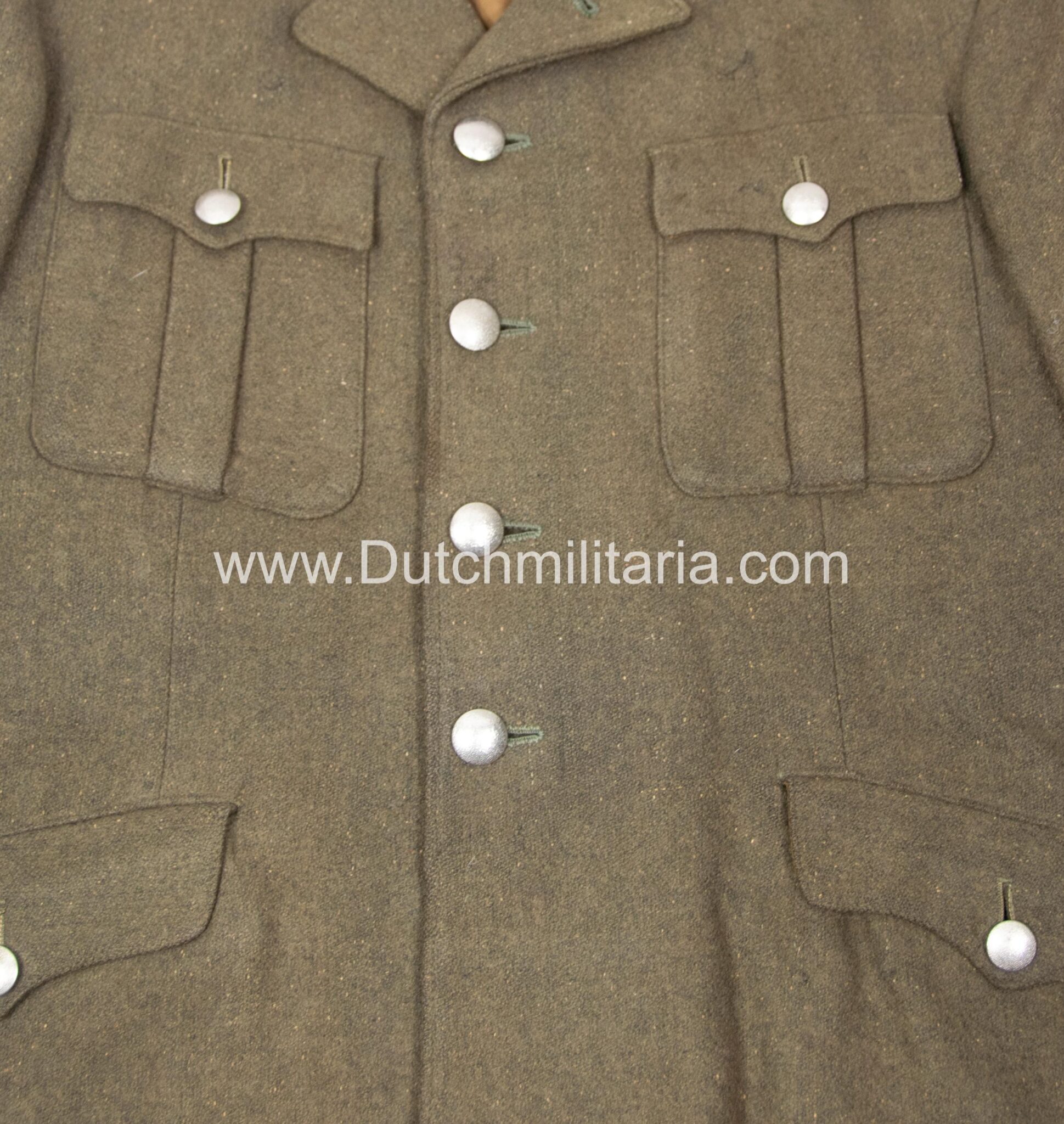
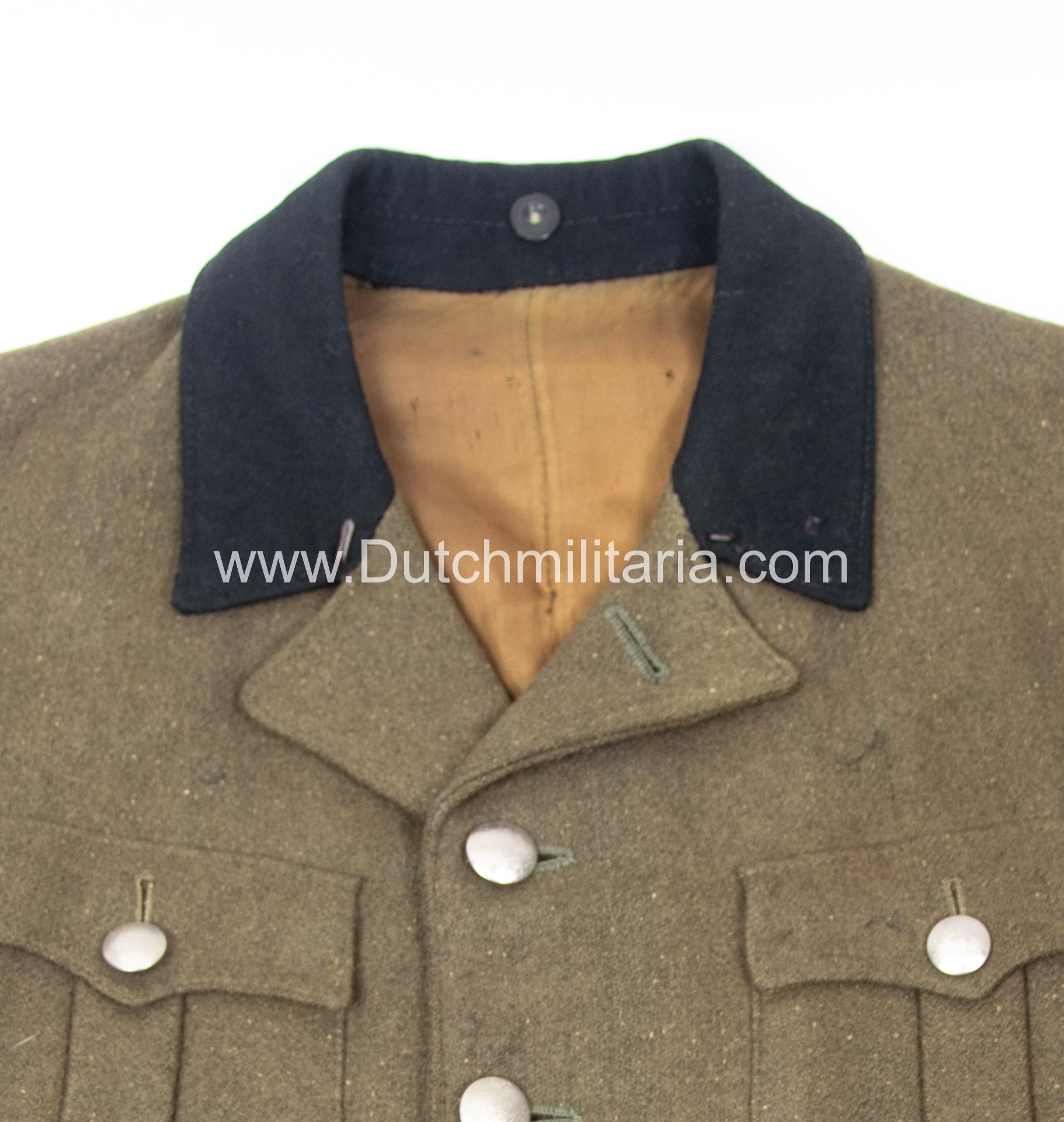
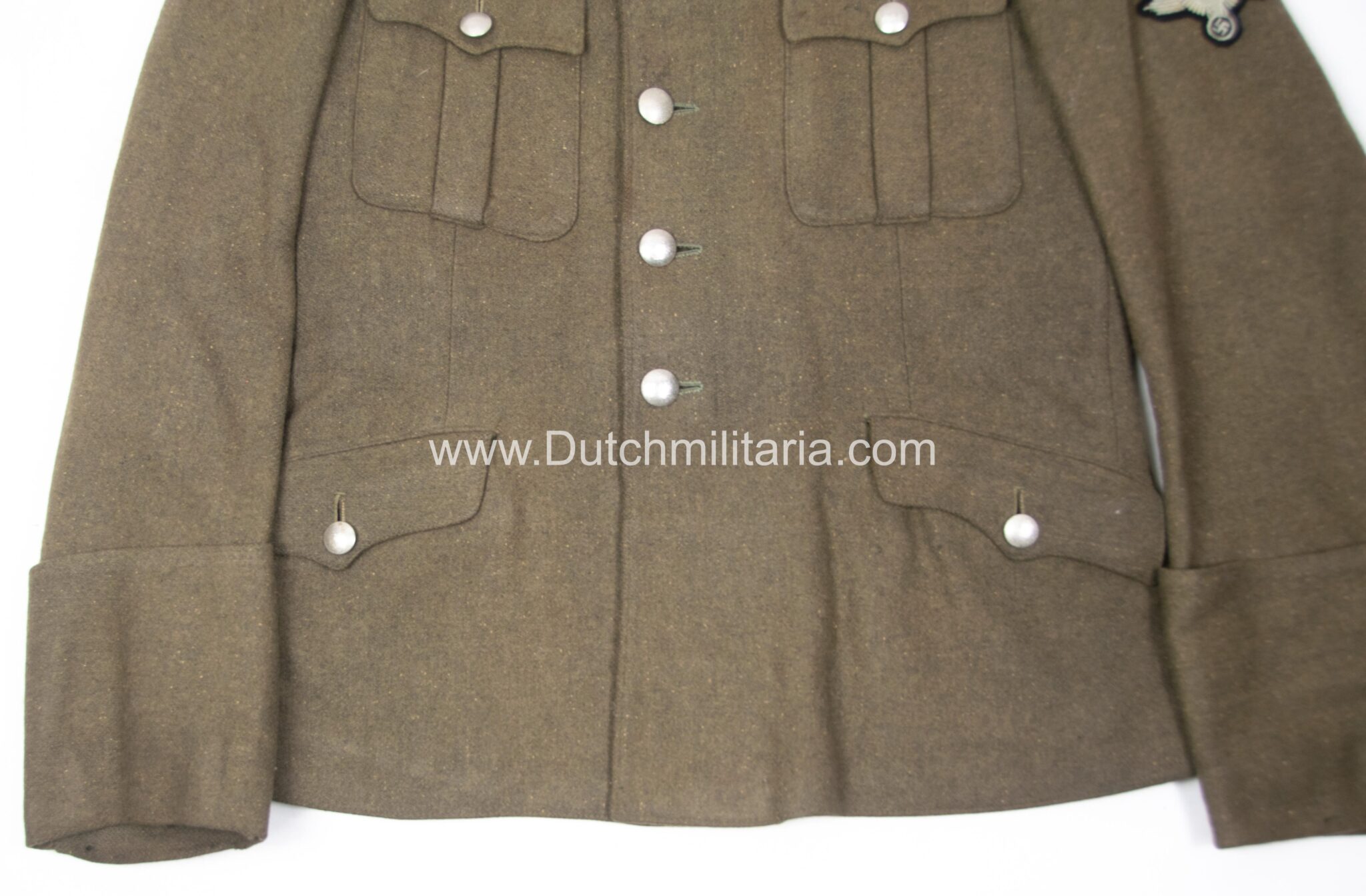
E The Reichschule Valkenburg SS tunic / HJ.-Dienstrock.
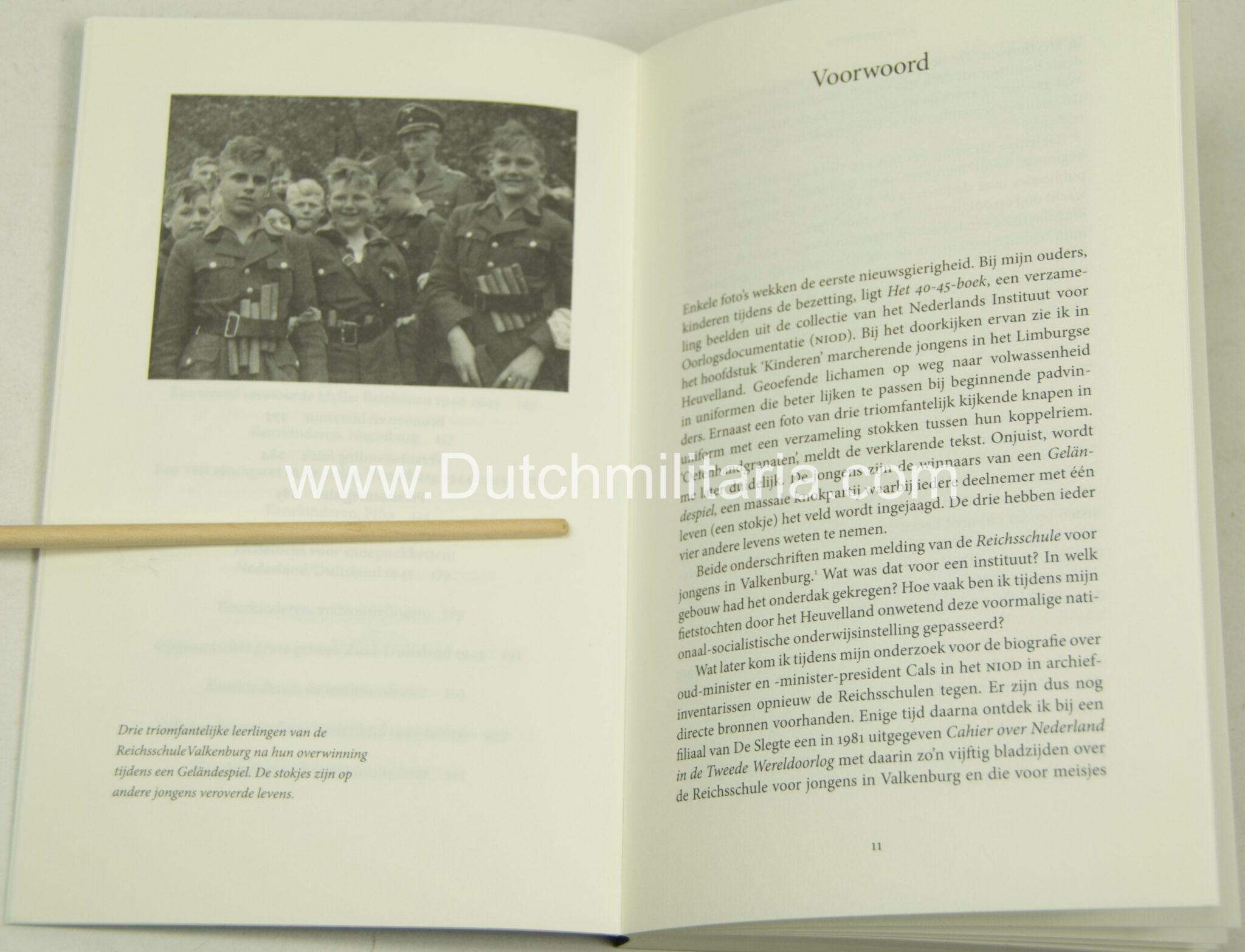
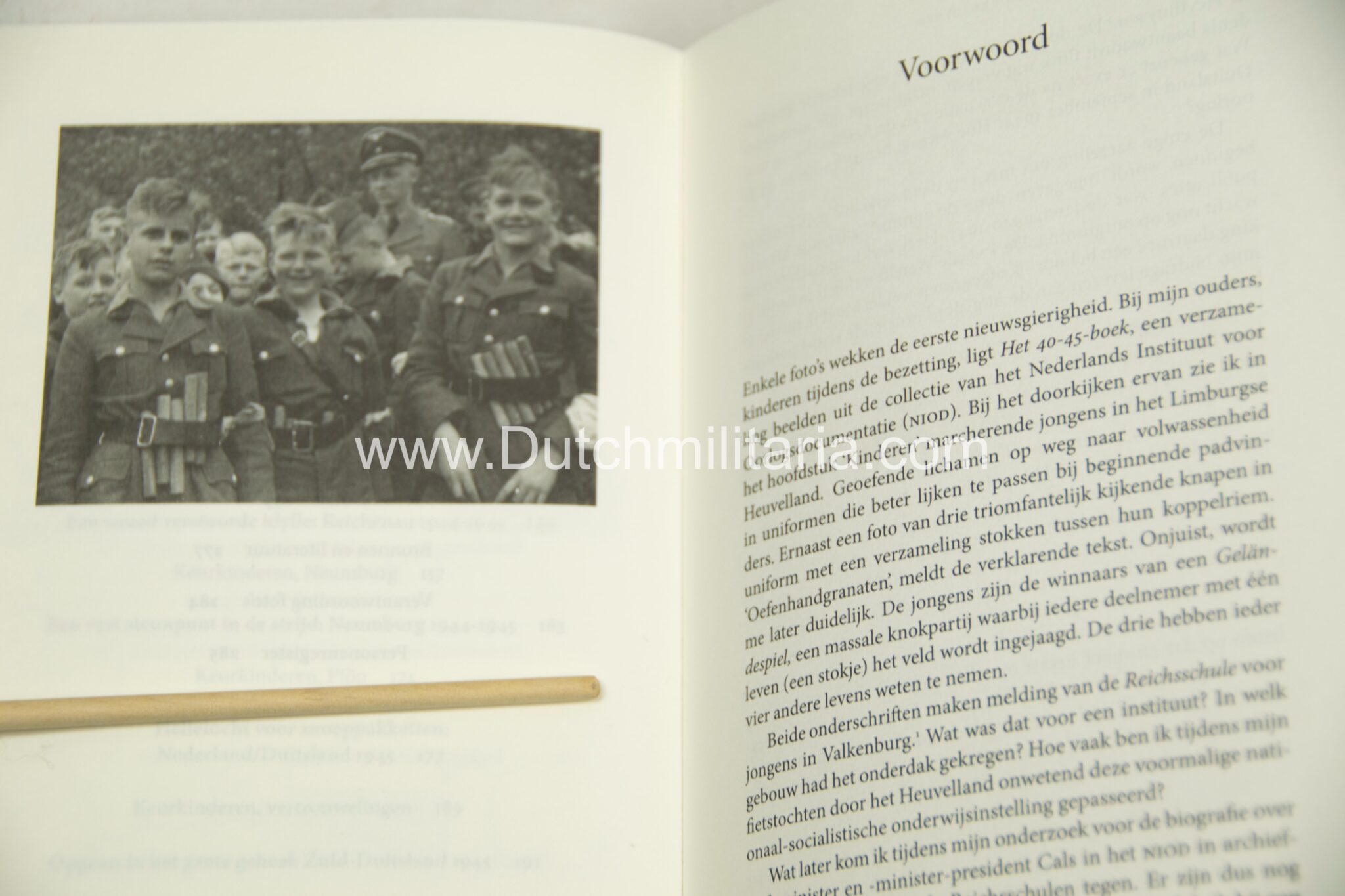
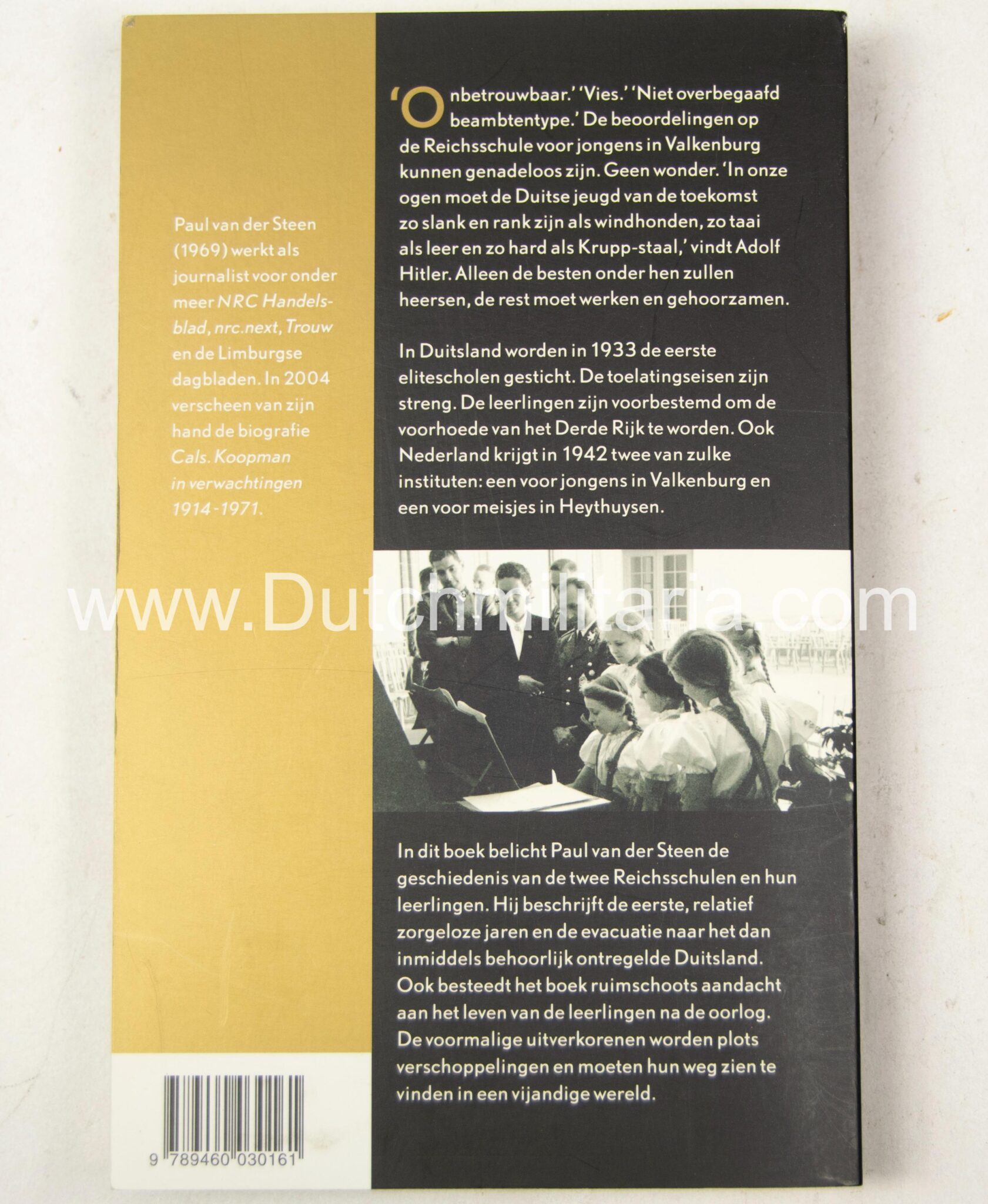
F A book on the subject “Keurkinderen – Hitlers Elitescholen in Nederland” [Selected Children – Hitler’s Elite Schools in the Netherlands].
—–
1. Lets first check a short background on the Dutch Reichsschule Valkenburg. This was a training institute founded by the SS in Valkenburg (Limburg) in the south of the Netherlands in 1942, with the aim of training young (Dutch) students for leading positions within the Greater German Reich.
From 1933 onwards, dozens of National Socialist elite schools for secondary students were established as boarding schools, the so-called Napolas (Nationalpolitische Lehranstalten) and NPEAs (Nationalpolitische Erziehungsanstalten). Here students were trained to become “political soldiers”, who were to form the future military and administrative elite of the Third Reich.
The German occupier also wanted to recruit the children of dutch NSB members and other pro-German sympathizers in the Netherlands by educating them according to the standards of National Socialist ideology. Therefore they had established the Nederlandse Inrichting voor Volksche Opvoeding (NIVO) [the Dutch Institution for National Education] for boys, at the Reichsschule Koningsheide, established in Schaarsbergen ear Arnhem in September 1941. It soon became apparent that the education did not meet the standards applied by the occupier: it was too focused on the Netherlands and lacking discipline. Therefore, with the support of höhere SS- und Polizeiführer/Generalkommissar für das Sicherheitswesen Hans Albin Rauter, the first Reichsschule für Jungen – Reichsschule Valkenburg – was established close to Germany, in the south of the Netherlands in Valkenburg, located in a Jesuit monastery from which the Jesuits had recently been expelled, and under the auspices of Himmler’s SS. For girls, the Reichsschule für Mädel – Reichsschule Heythuysen – was established in nearby Heythuysen, near Roermond. Both schools were opened on September 1, 1942. From the NSB perspective, however, this development was viewed with suspicion as these were openly SS institutes.
The selection was rigorous: the hundreds of candidates were judged not only on their academic performance and physical abilities, but also on the correct Aryan racial characteristics, such as height, slenderness, blond hair, blue eyes, specific head dimensions, displays of courage, outstanding physical or mental achievements, or a certain degree of artistic ability. The minimum admission age was 10 years. The examination was conducted by Rauter’s Rasse- und Siedlungsführer H. Aust. A probationary period of one year applied. The duration of the training was to be 8 years and equivalent to the HBS/gymnasium education, thereby enabling admission to higher education.
In addition to the usual school subjects, such as German, English, Dutch, Latin, and French (if desired), history, geography, music, mathematics, and physics, much attention was paid to political education and extensive physical education. The students were to be trained to meet the standards set by Hitler: to be slim and slender, as fast as greyhounds, as tough as leather, and as hard as Krupp steel. Attention was also paid to creativity through participation in a choir and playing a musical instrument. The students wore a uniform with headgear, which they, like the shoes provided to them, had to maintain themselves. Teachers were not referred to as teachers, but as educators.
The language of instruction was German, and to increase German influence, education director Ernst Debusmann was recruited with a group of German students from the Napola in Bensberg. The first cohort in 1942 consisted of only 66 German and 57 Dutch boys. In total approximately 200 boys attended the school before the war was over. It is estimated over half of these were german. The teachers were of German or Dutch descent. In keeping with the Napola tradition, some had served in the Waffen-SS. Those who had served at the front were considered the best educators. Strict discipline was instilled: no asking critical questions, following orders, no contradiction. Emotional matters, such as homesickness, could be discussed with a so-called “Heimmutter“. She also taught the students how to wash their clothes and sew on buttons.
The fact that the Germans attached great importance to the education at this school was evident from the visit of SS-Obergruppenführer Hanns Albin Rauter, SS-Obergruppenführer August Heißmeyer, and SS-Brigadeführer Friedrich Wimmer on July 6, 1943. Also Reichsführer SS Heinrich Himmler personally visted the school on 1 februari 1944. Due to continuous air raids in the immediate vicinity and the threat of Allied troops advancing from the south towards the Dutch border in September 1944, the school was relocated and incorporated into the Napola at Schloß Bensberg near Cologne.
—–
2. The collection offered here was part of a large collection focused on Third Reich youth organisations. It has been assembled over a period that spans over 4 decades. This collection resided in the United States of America and focussed on quality. The former collector had wel established connections in the international collecorsscene and managed as such to obtain top class collectables. As can be seen by the here offered collection and it’s rare contents this was not an average collector. One simply does not get these items without an international network.
—–
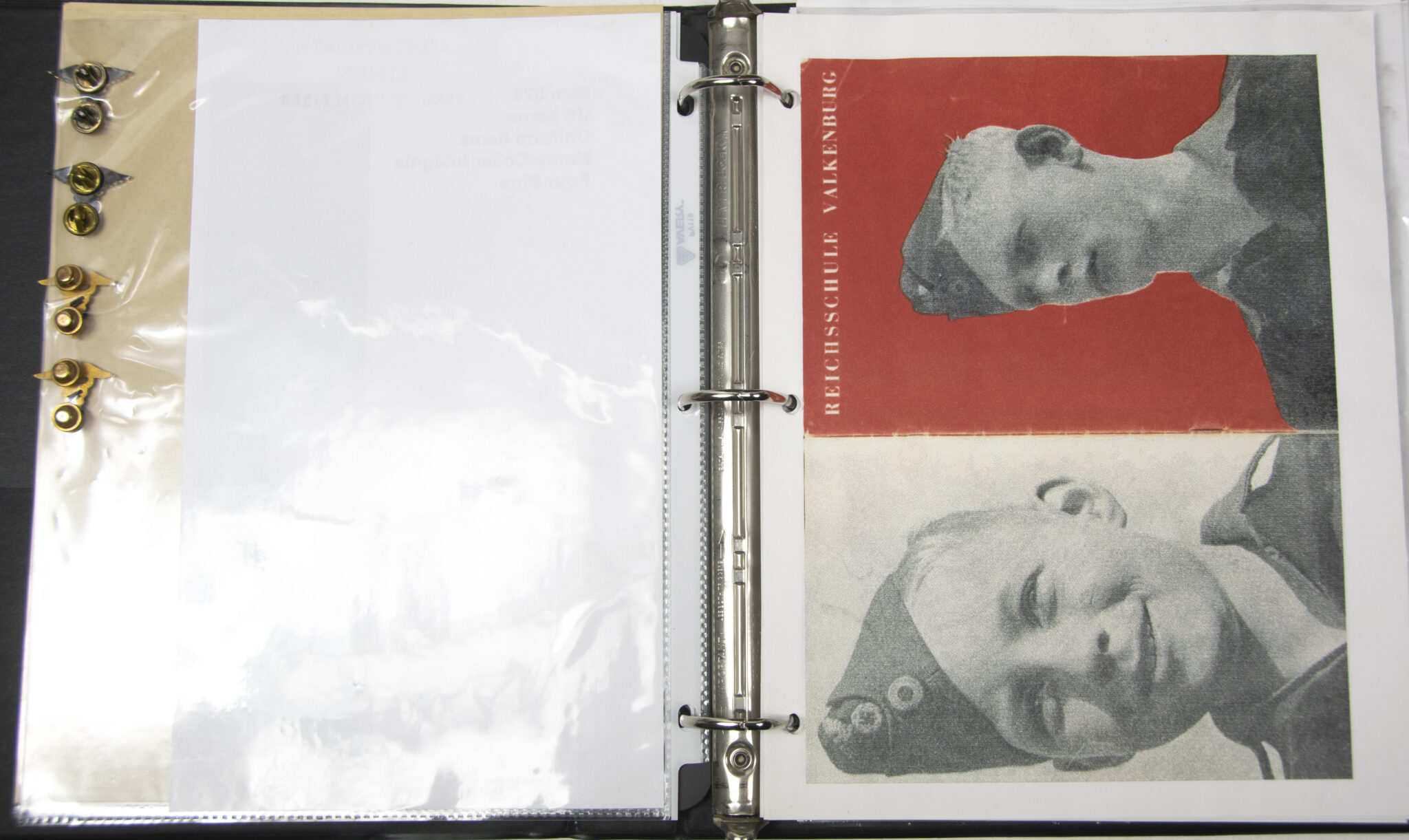
3. The contents of this collection can be divided in four main parts: One, a one of kind known Reichsschule Valkenburg tunic, the only one known to have survided. Two, a collection of 48 pressphoto’s by the photo Archive of the dutch “Volksche Werkgemeenschap”. Three, a collection of 42 privat photos and postcards focused on the Reichsschule Valkenburg, Reichschule Heythuysen and Maastricht during the Second World War. Four, two still attached together extremely rare cufftitles brought back by an American frontline nurse and member of the 91st Evacuation Hospital Unit. Also included in the collection is the book “Keurkinderen – Hitlers Elitescholen in Nederland”. This i added to the collection and it comes from my personal library. i thought it should be included as it deals specifically with this subject.
—–
4. Why is this such a rare collection? The Reichsschule Valkenburg was a relative small training institute founded by the SS in the south of the Netherlands. It existed only a little over 2 years and had over it’s total course of existence maximum approximately 200 students. When the allied liberators arrived in September 1944 a period of chaos broke out. In the time of it’s existence a brochure – which is in its original condition not included in this collection, although a photocopy is present and will be given to the next collector/owner – was published. This is very hard to find as it was printed in limited numbers, but is nowadays the best known item to exist regarding the Reichschulle Valkenburg. It shows period photo’s and tunics, just like the ones here included for real. Any snippet or object can be regarded as museumgrade material and is extremely rare. To my knowledge no such items are known in either privat collectors, nor any of the many warmuseums in the Netherlands (or abroad). This makes this a unique collection of the utmost rarity. Even in the relatively wellknow book on the subject: “Keurkinderen – Hitlers Elitescholen in Nederland” by author Paul van der Steen, only a very selective number of photo’s could be added at the time of writing said book. More photo’s were simply not known at the time. Dito when searching today online via Google. It illustrates how rare the hereby large lot of photo’s actually is. The collection as a whole could easily be the subject of a new book on the Reichsschule. Preferably i’d like to see this go to a museum or researchinstitute, to be used as future basis for a study on the dutch Reichsschulen phenomenon.
—–
5. This brings us then finally to a description of the actual objects included in this collection.
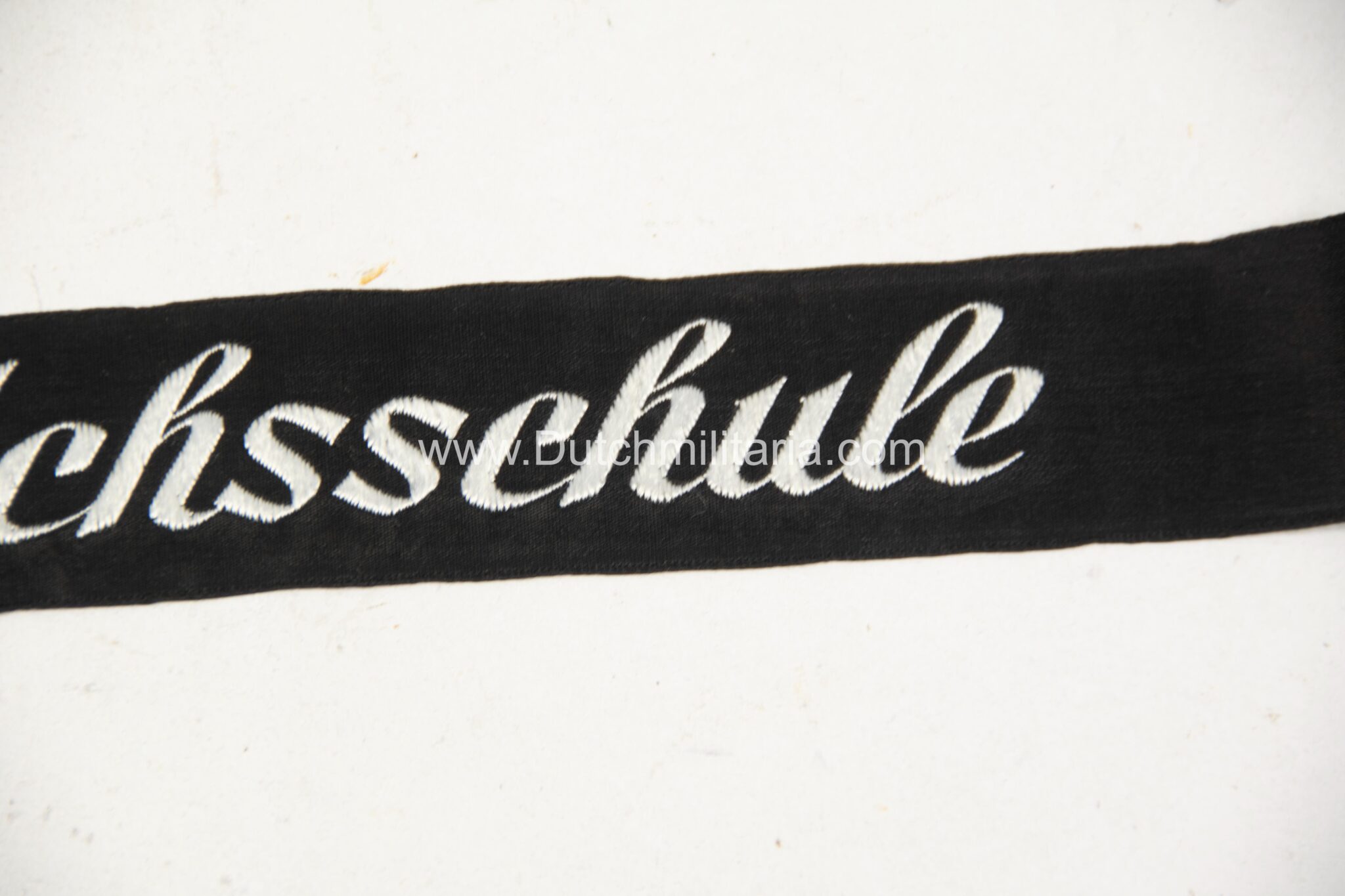
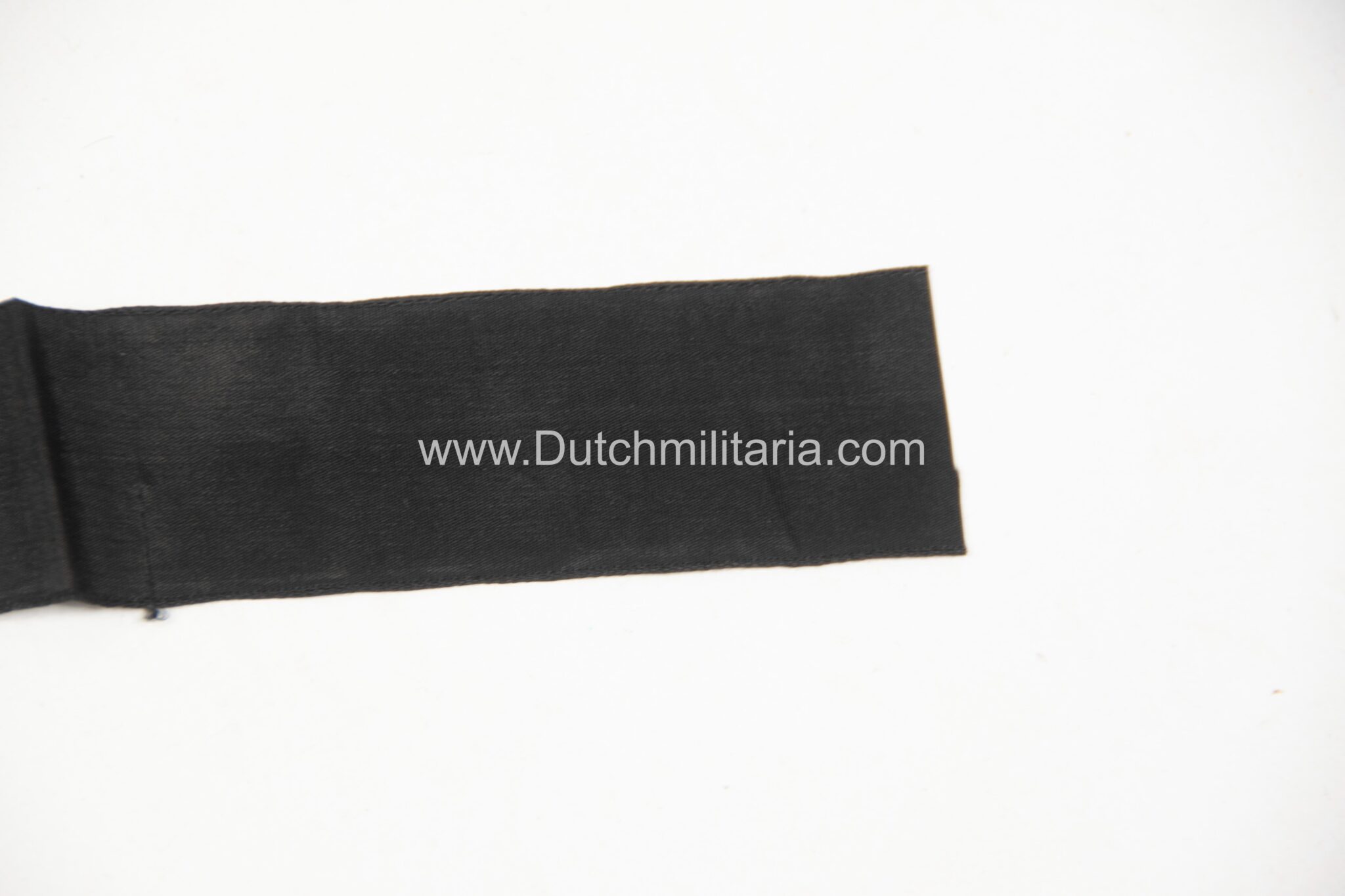
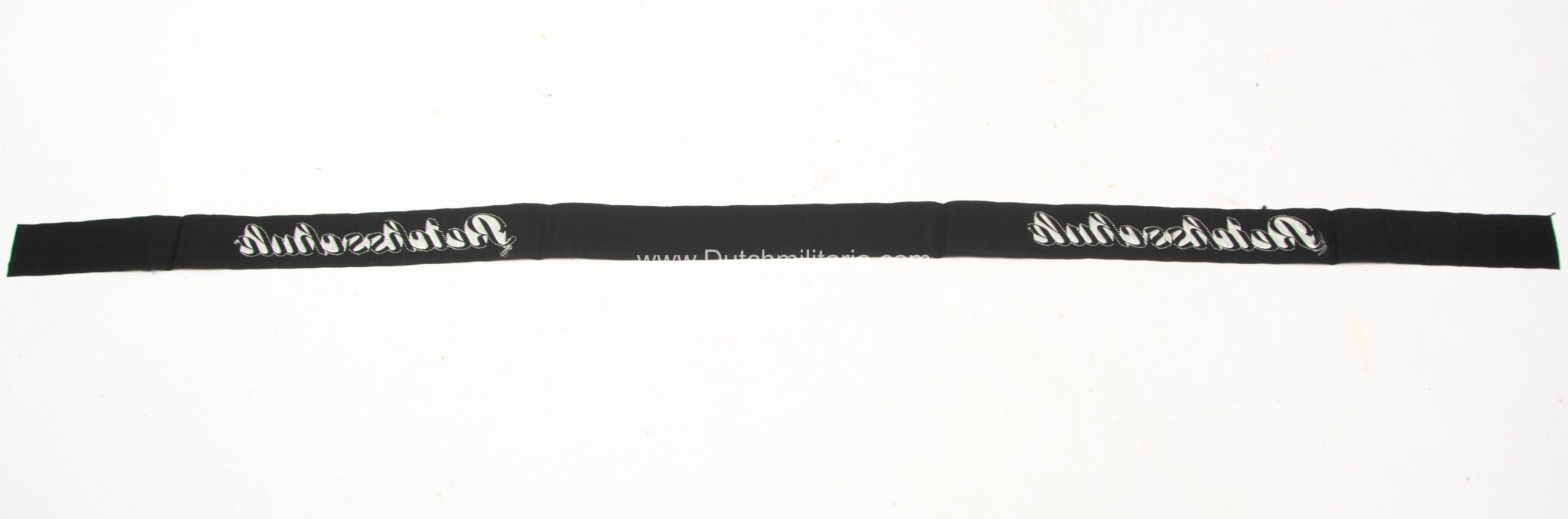
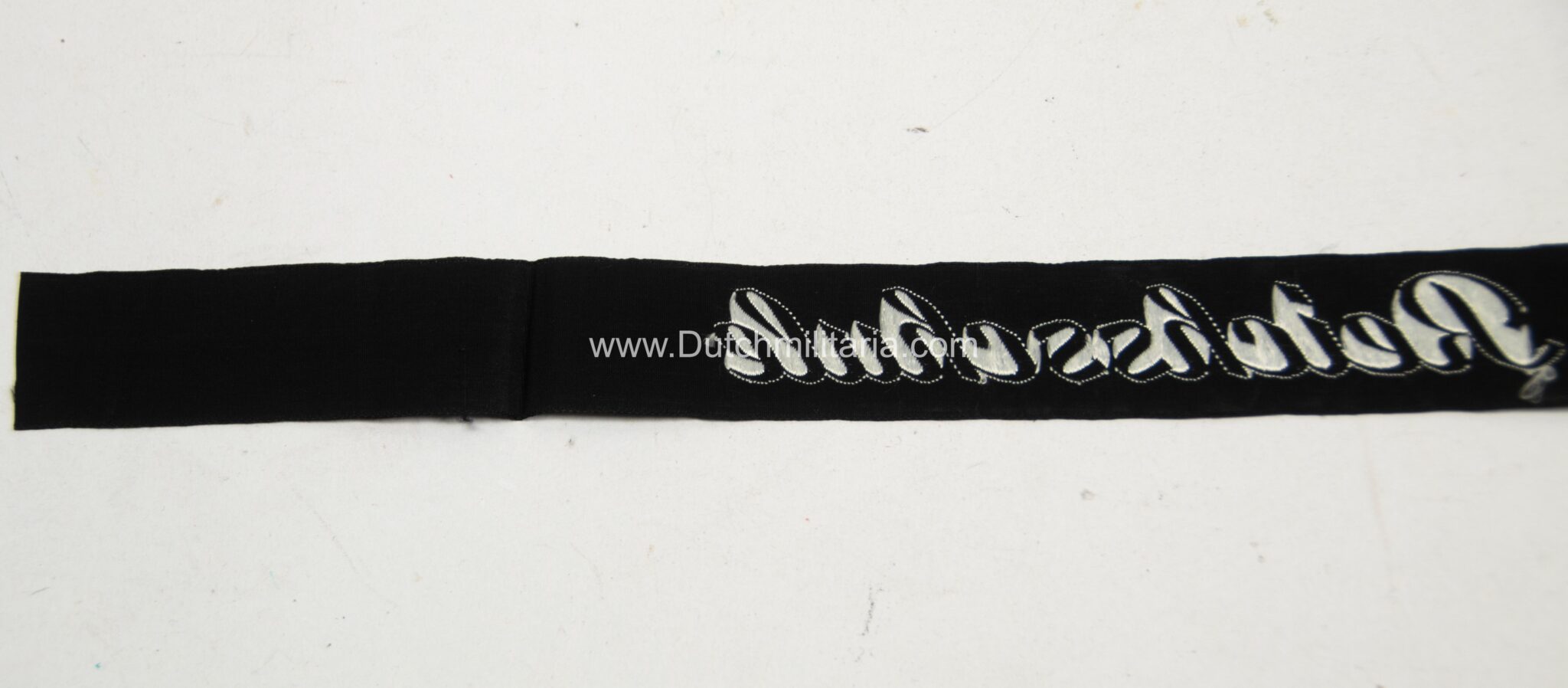
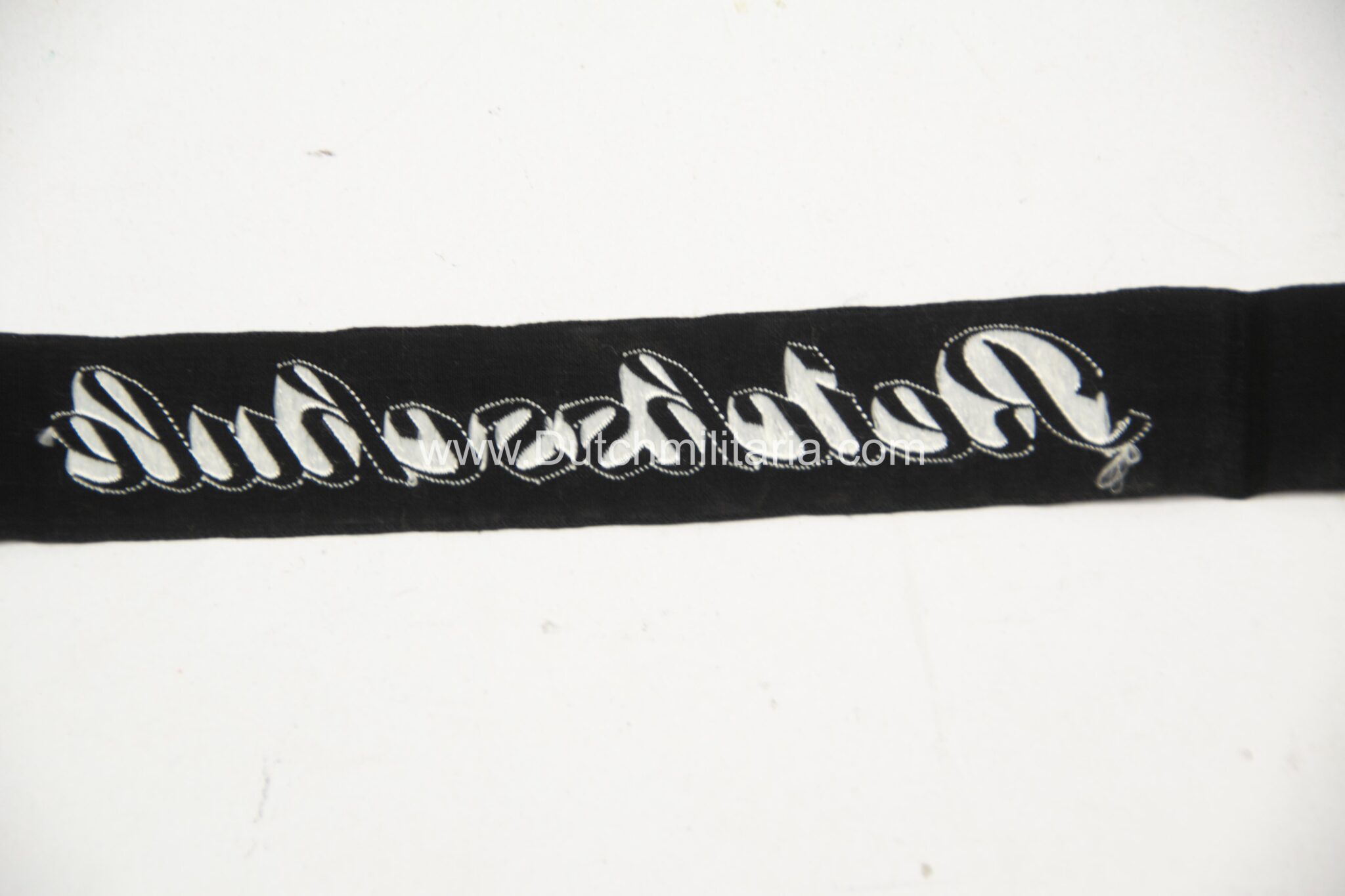
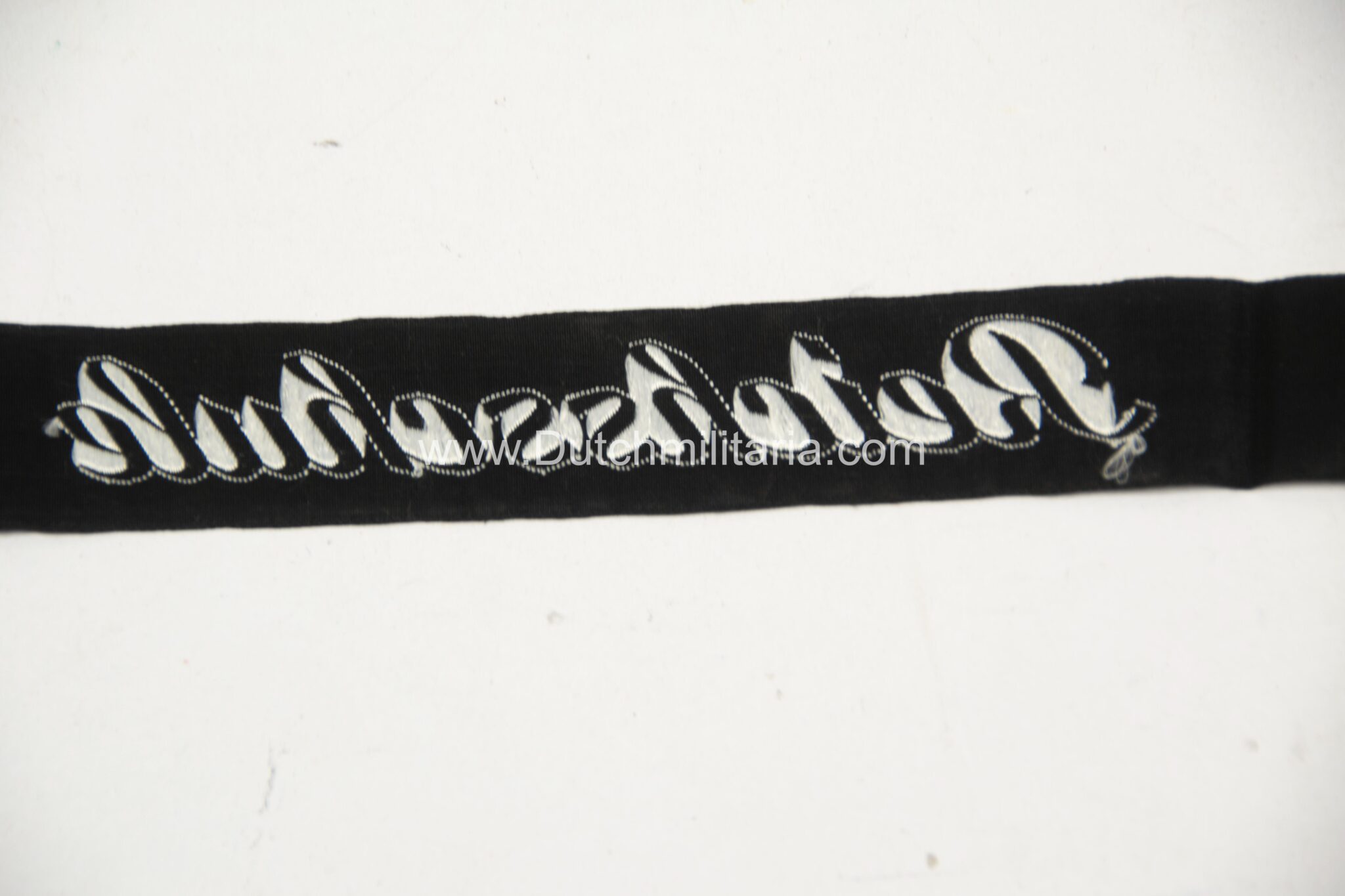
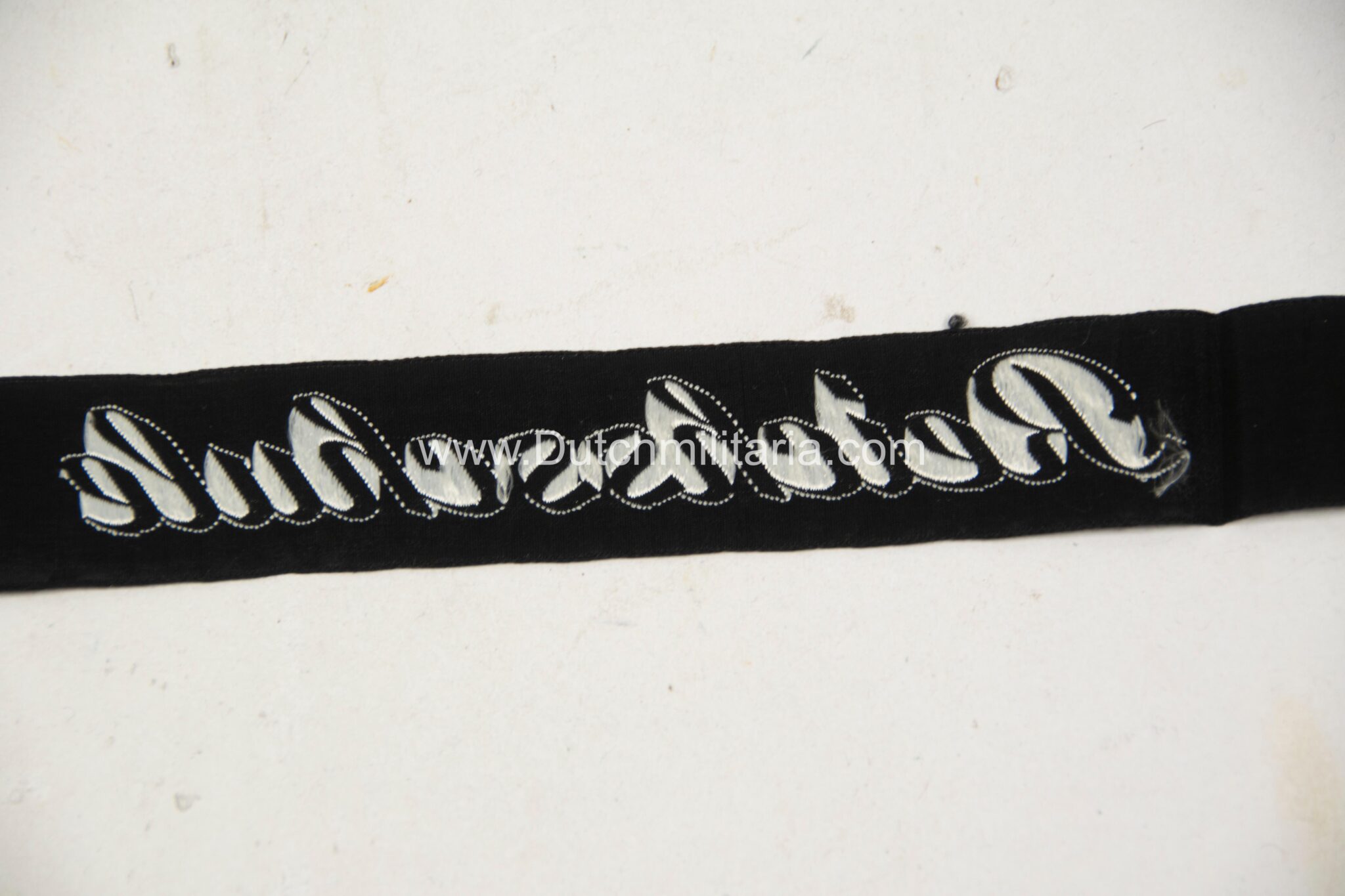
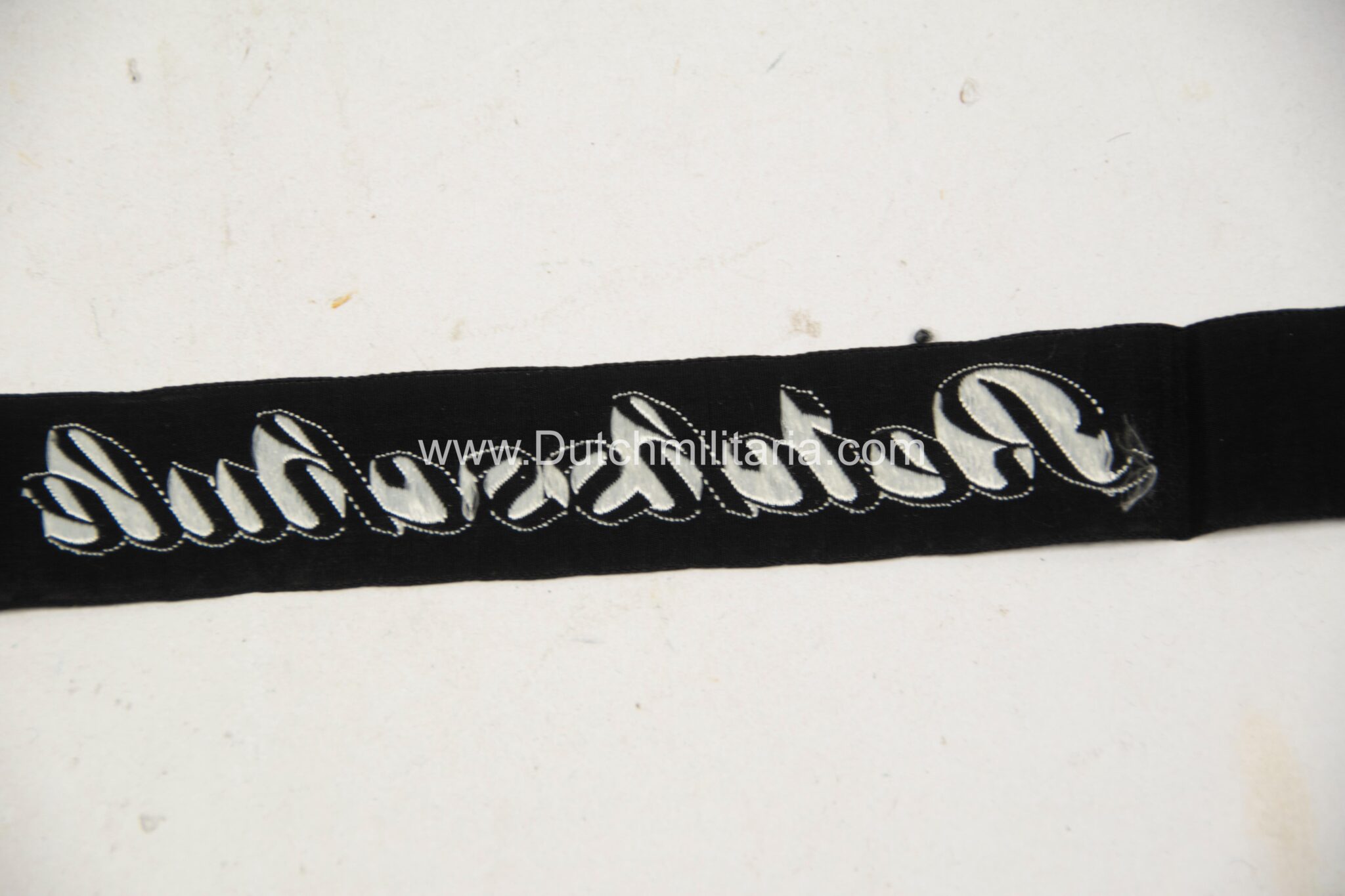
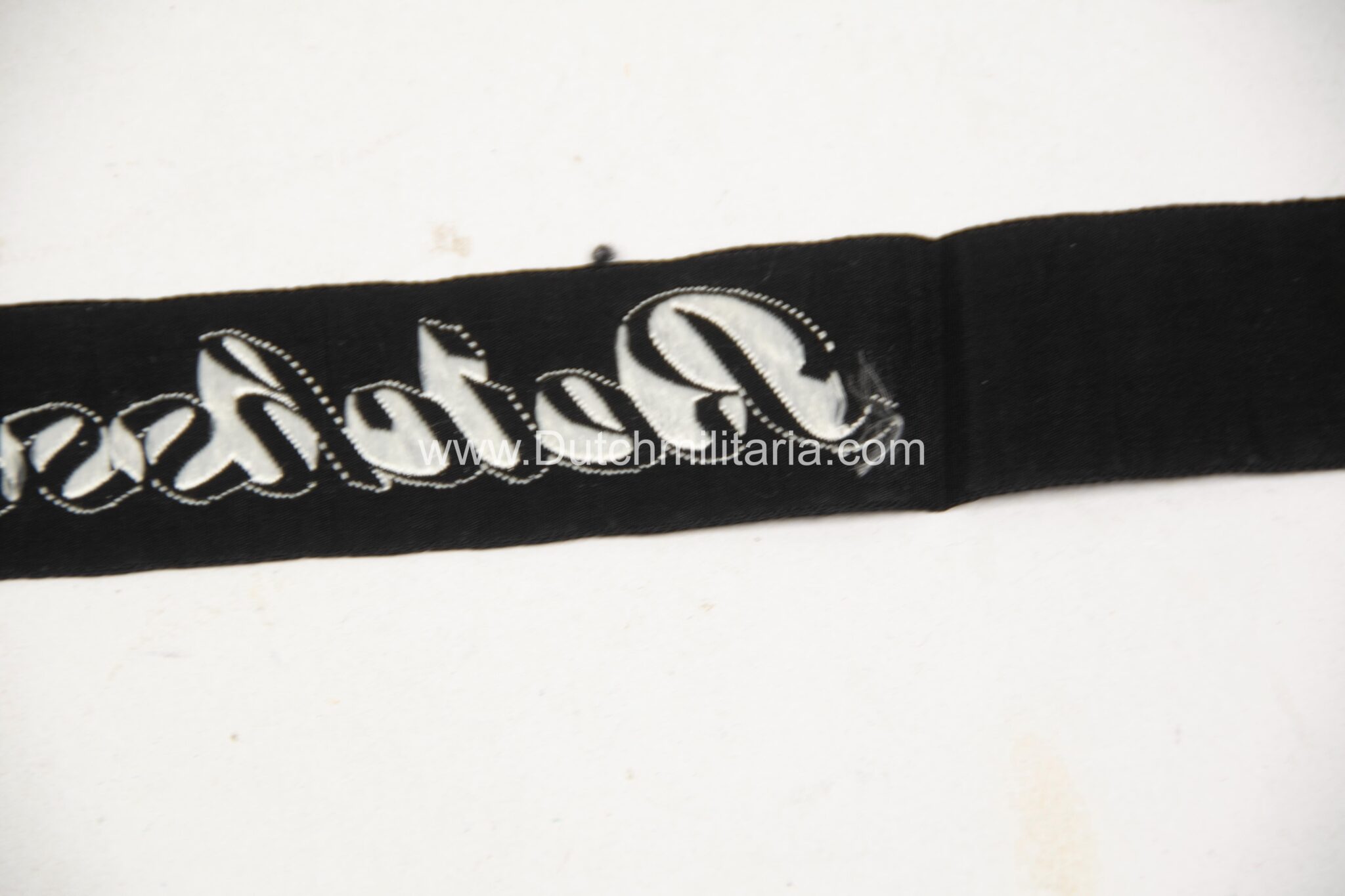
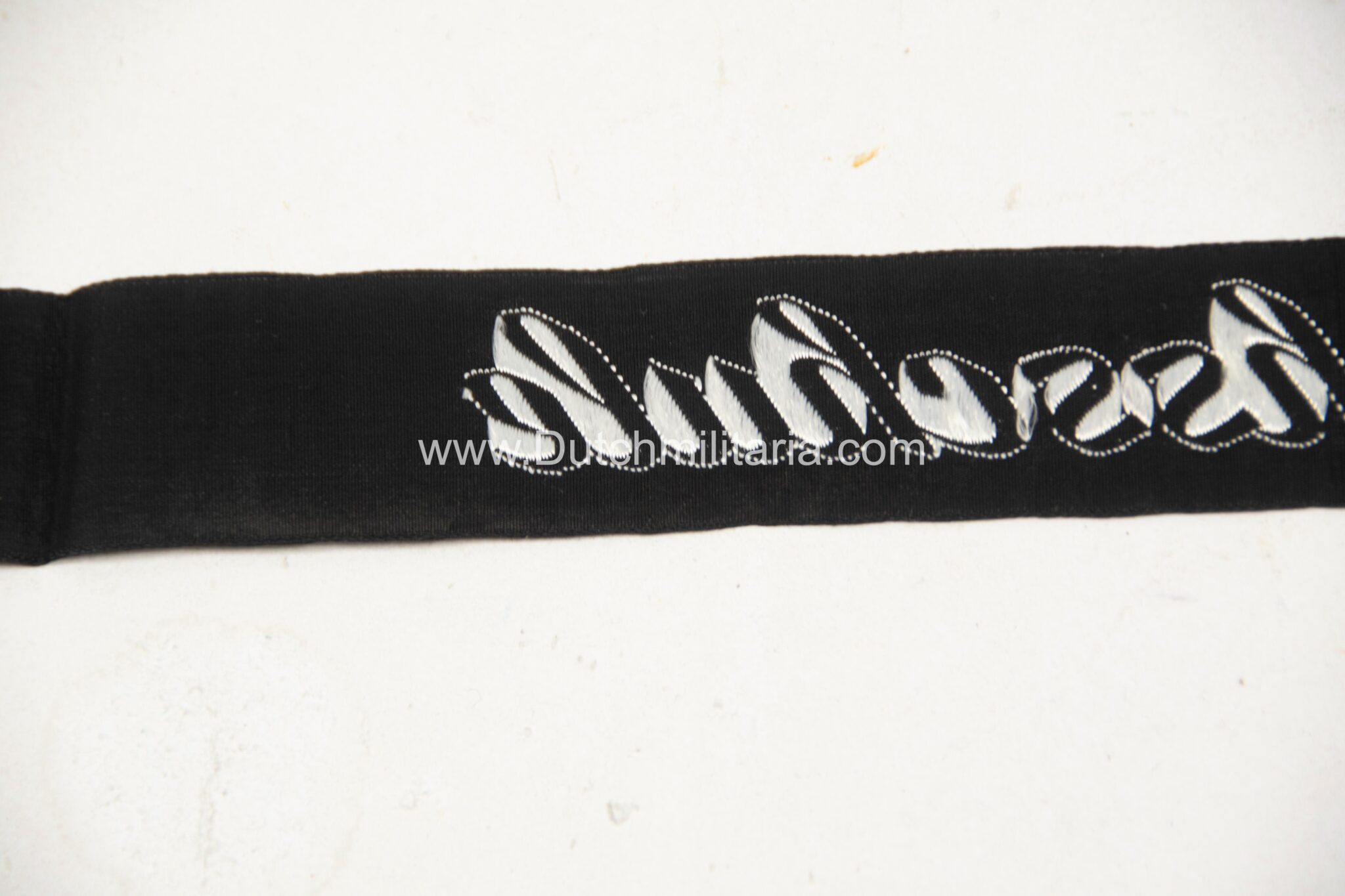
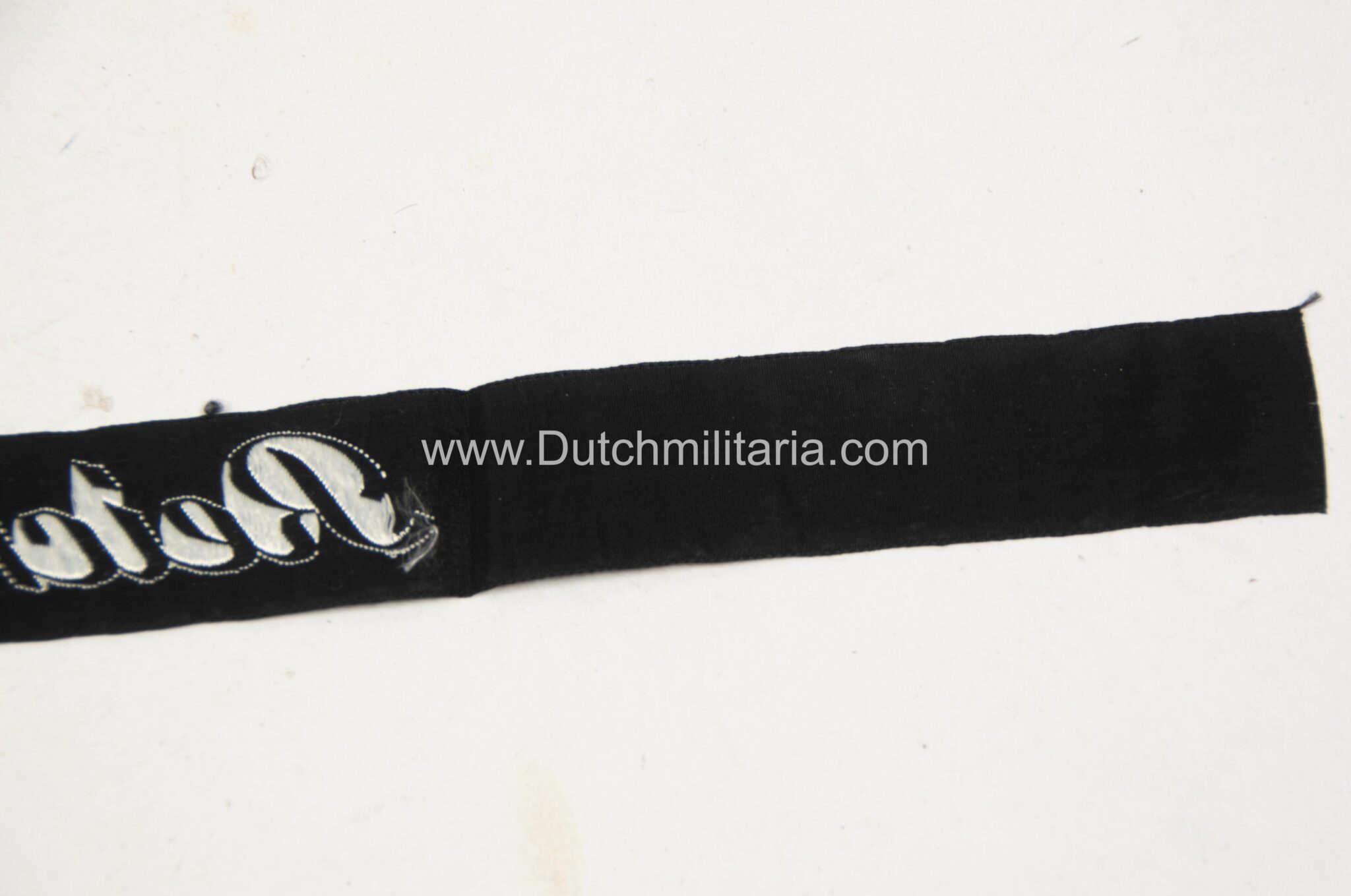
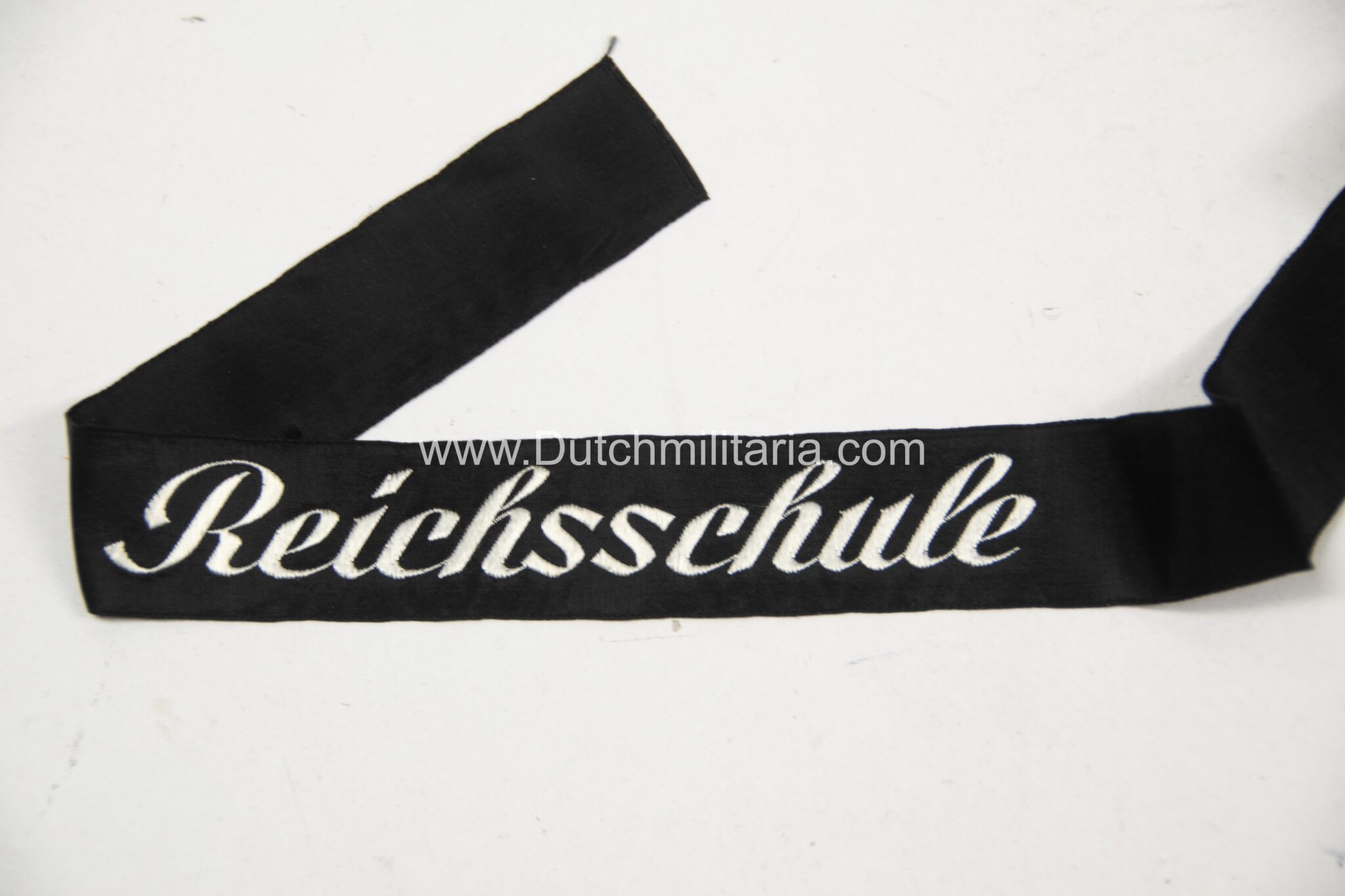
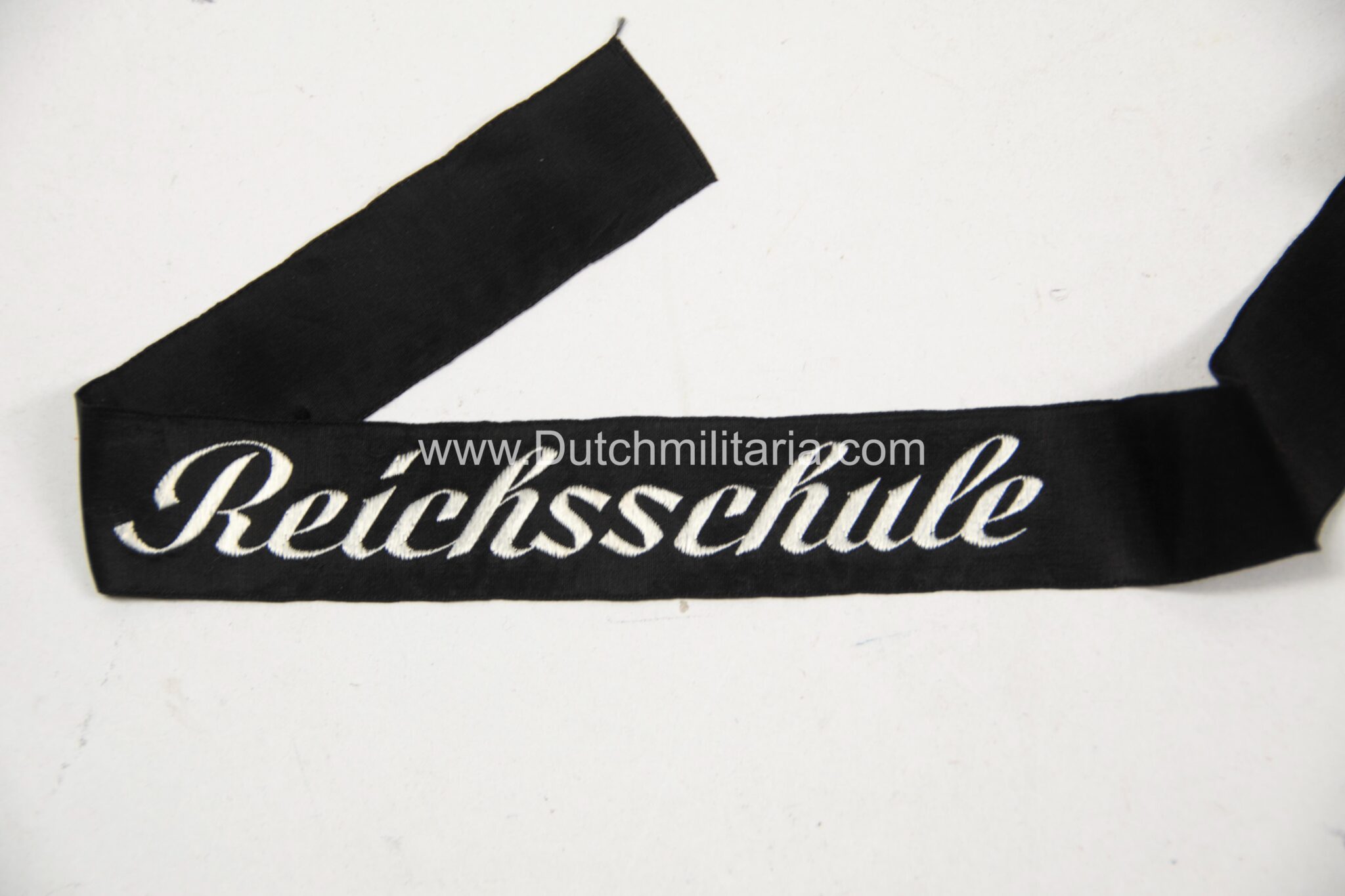
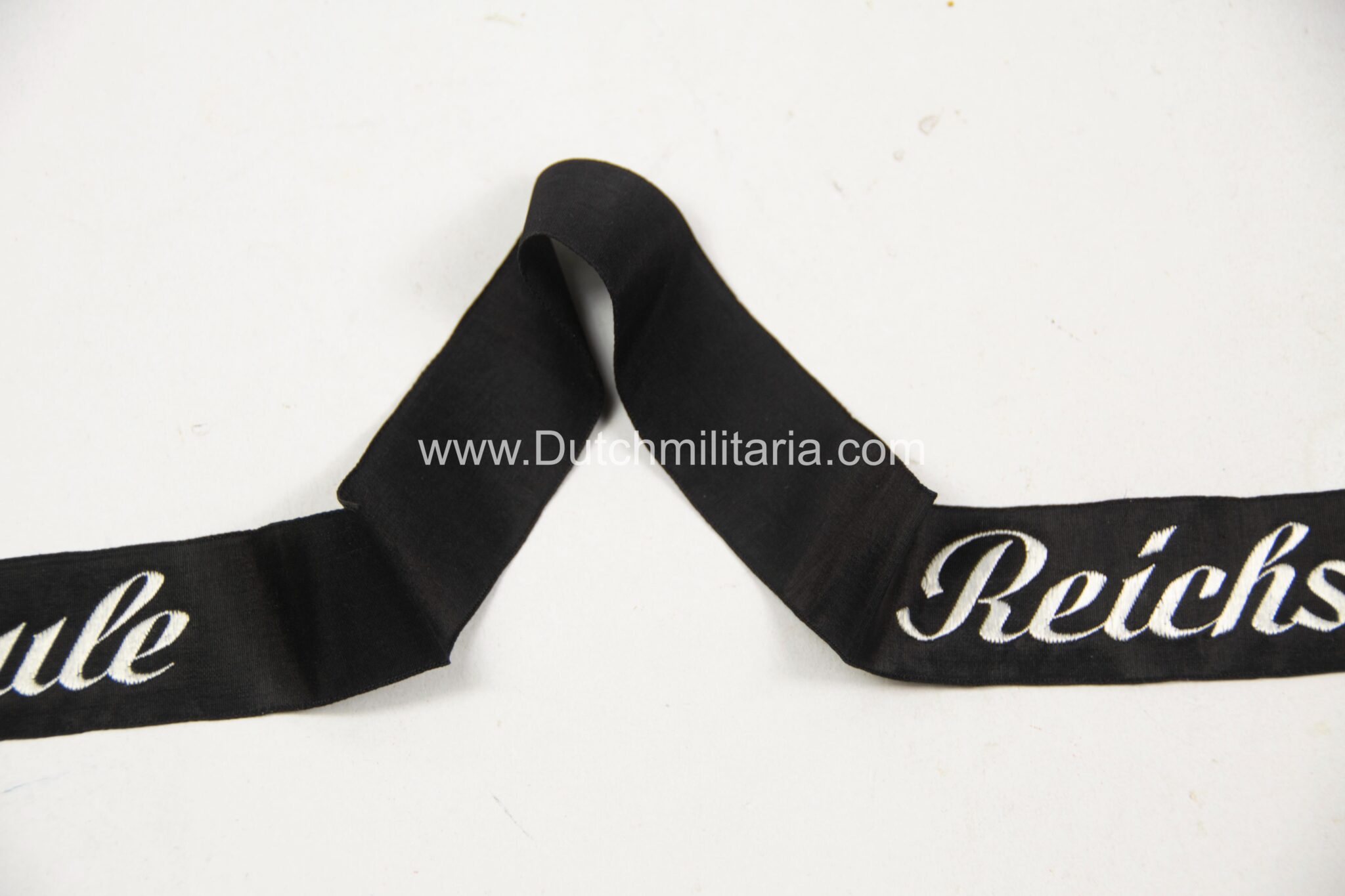
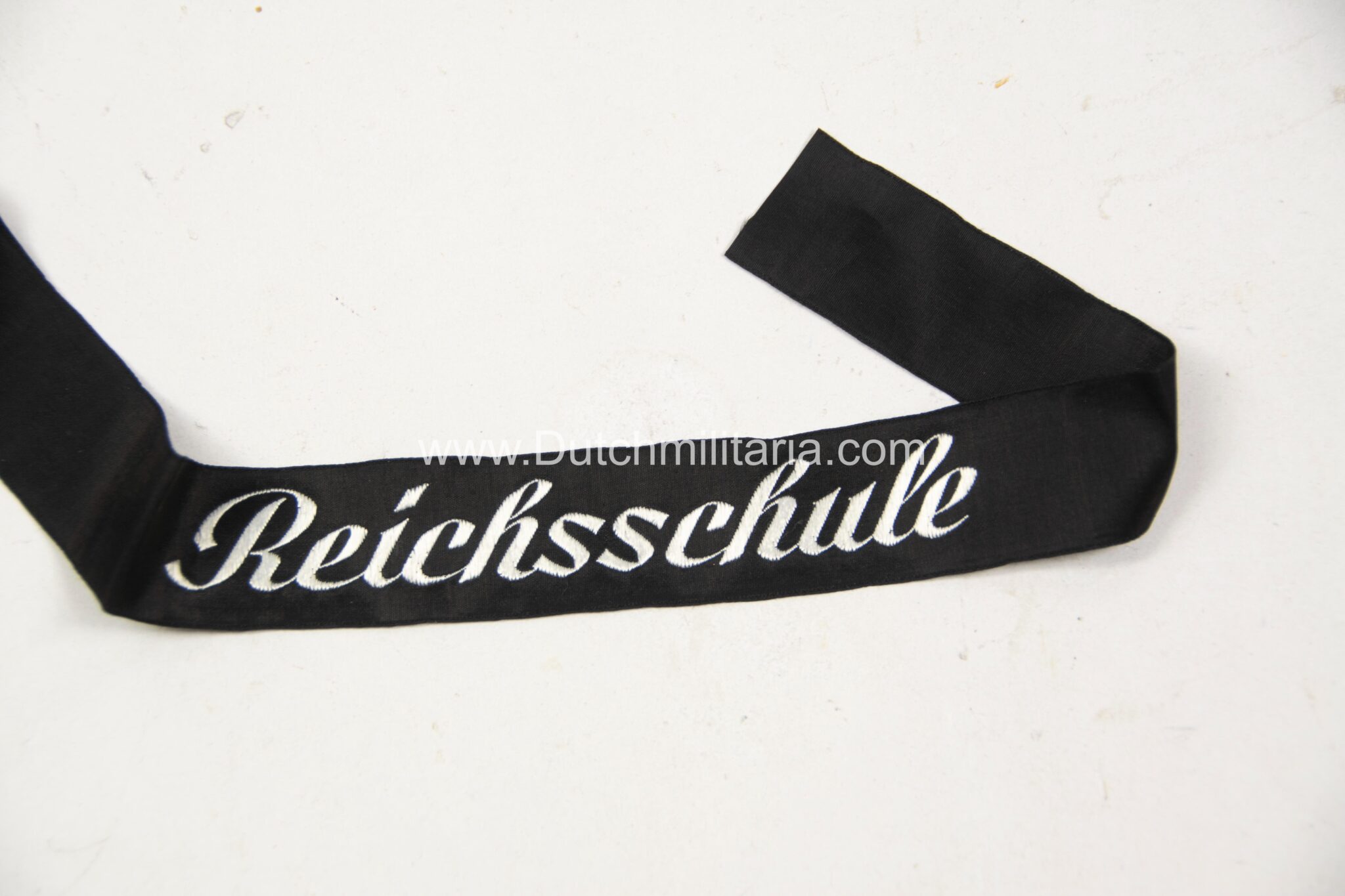
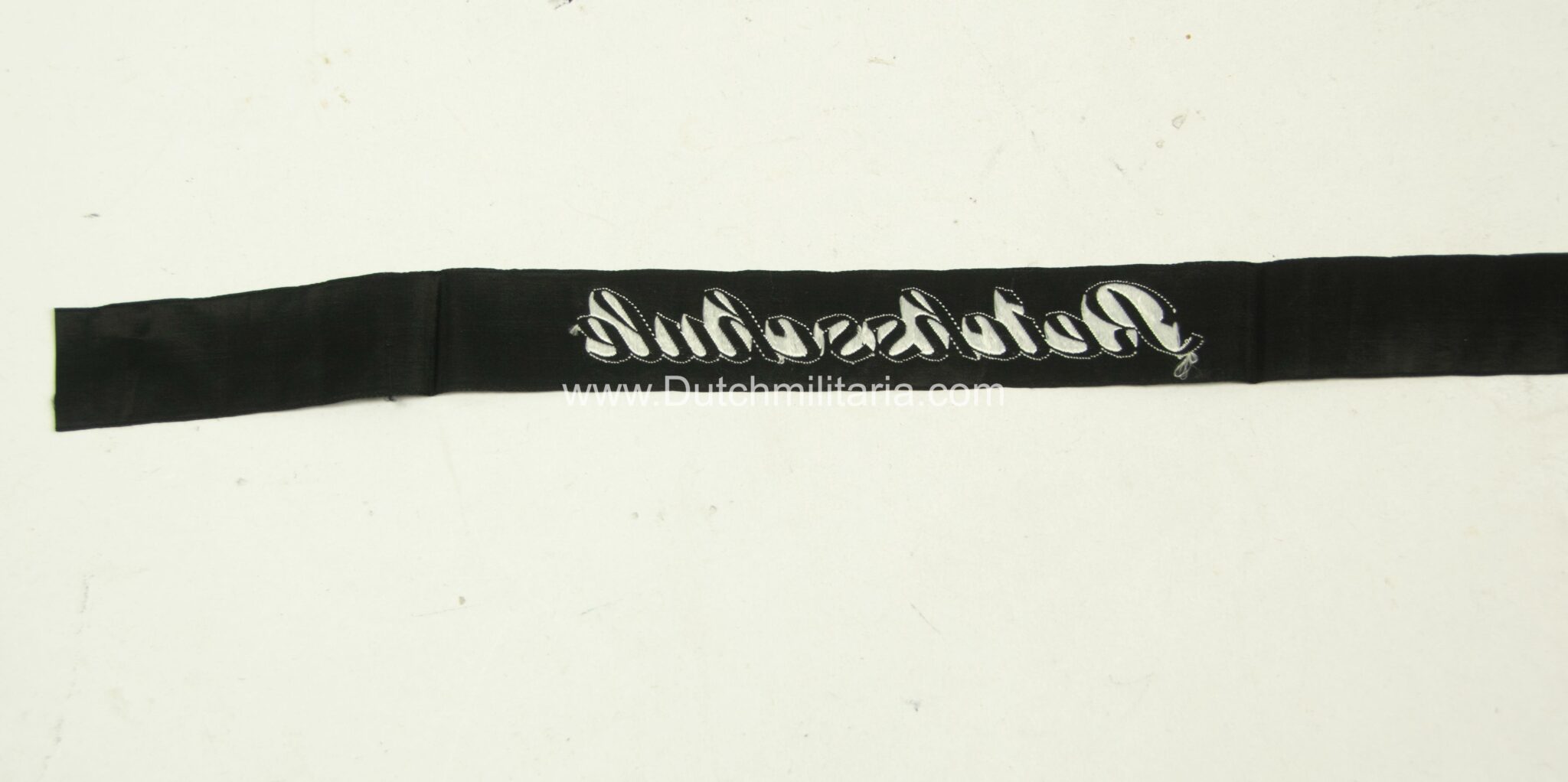
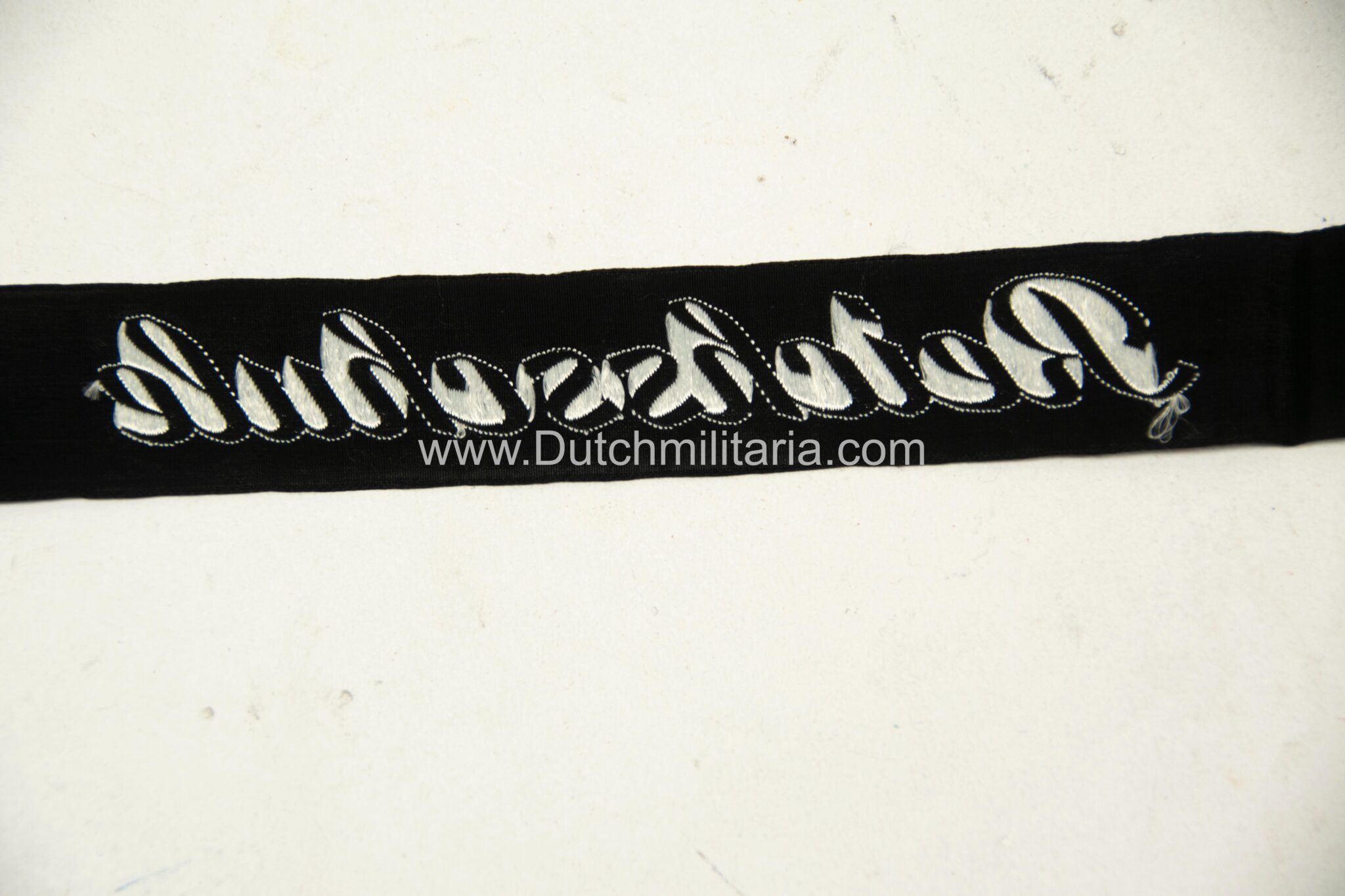
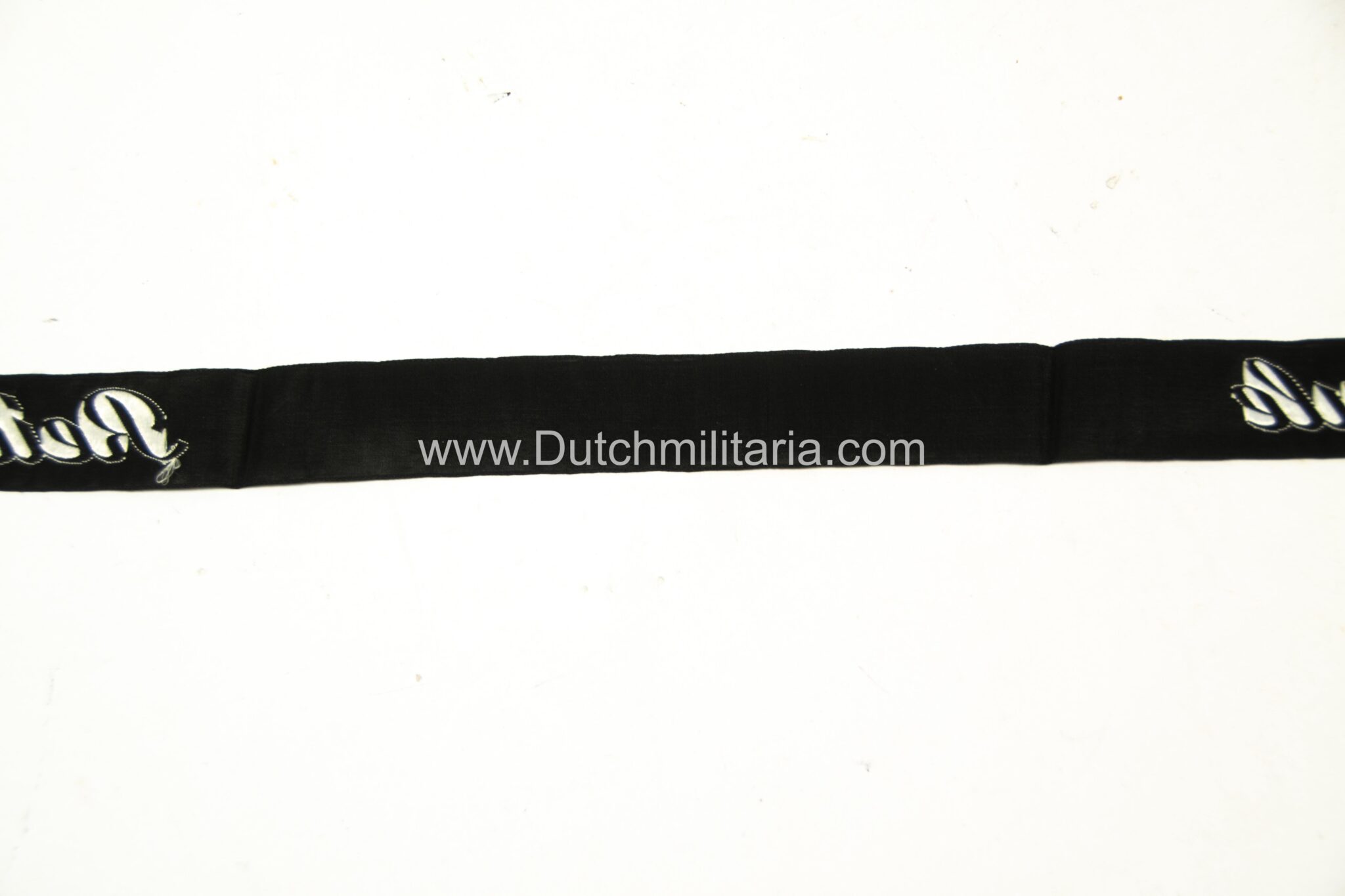
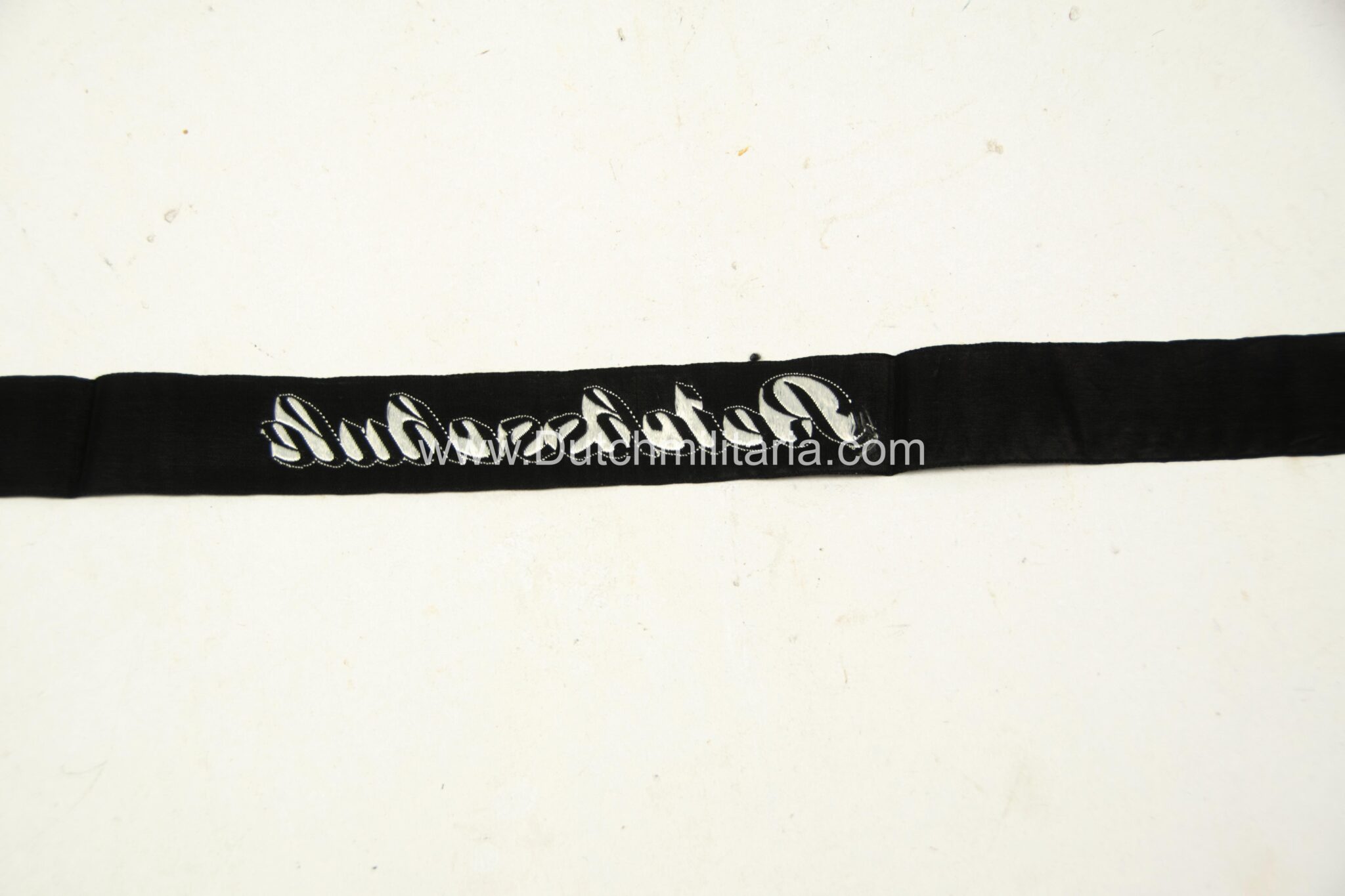
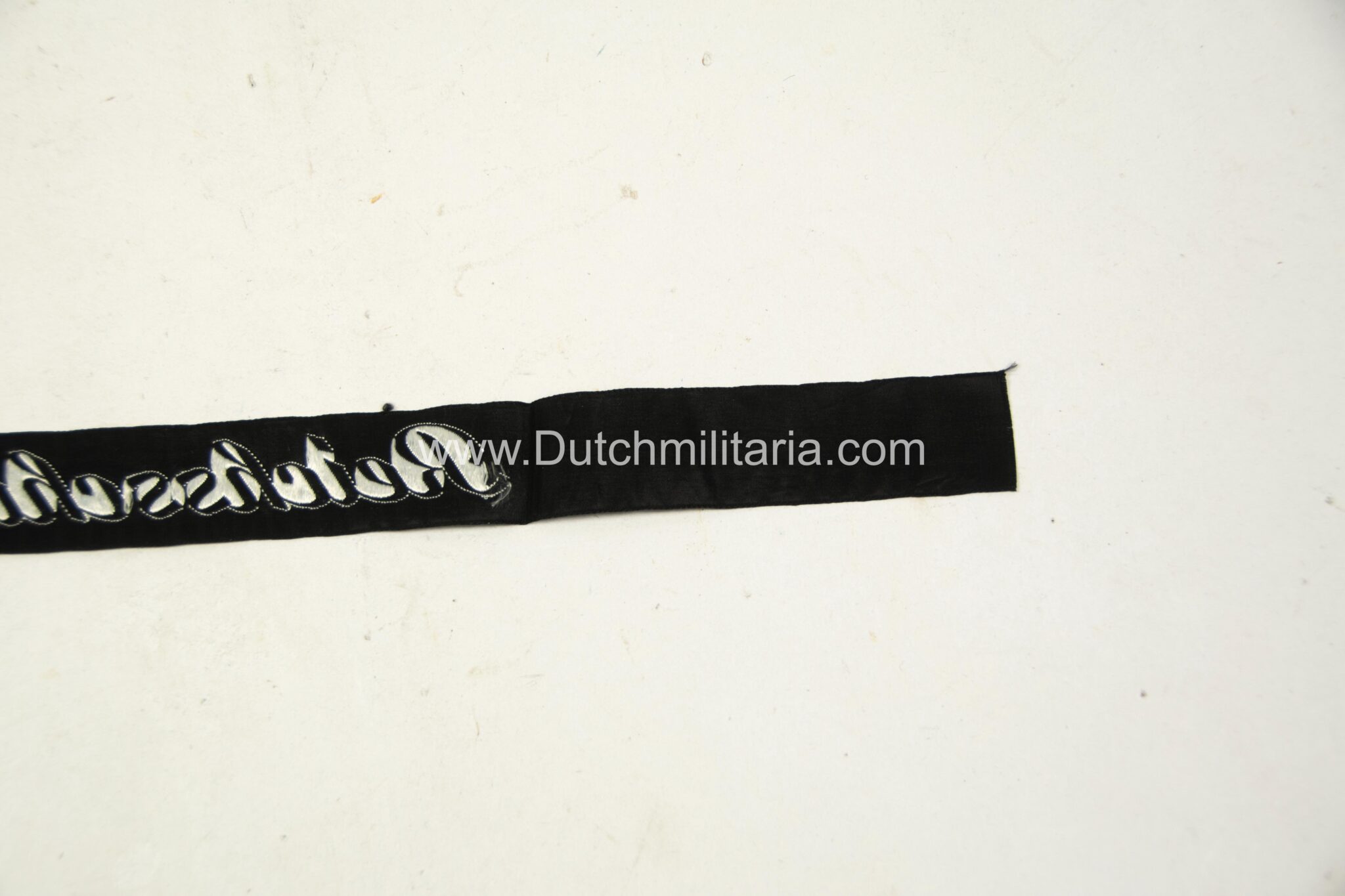
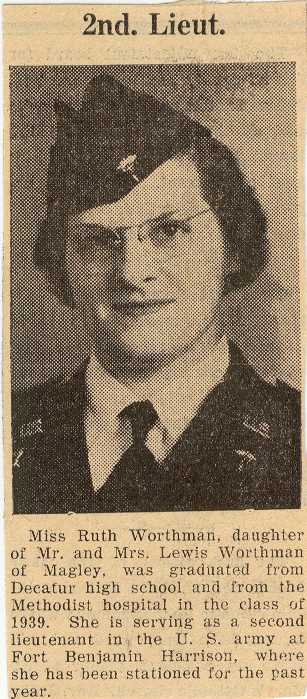
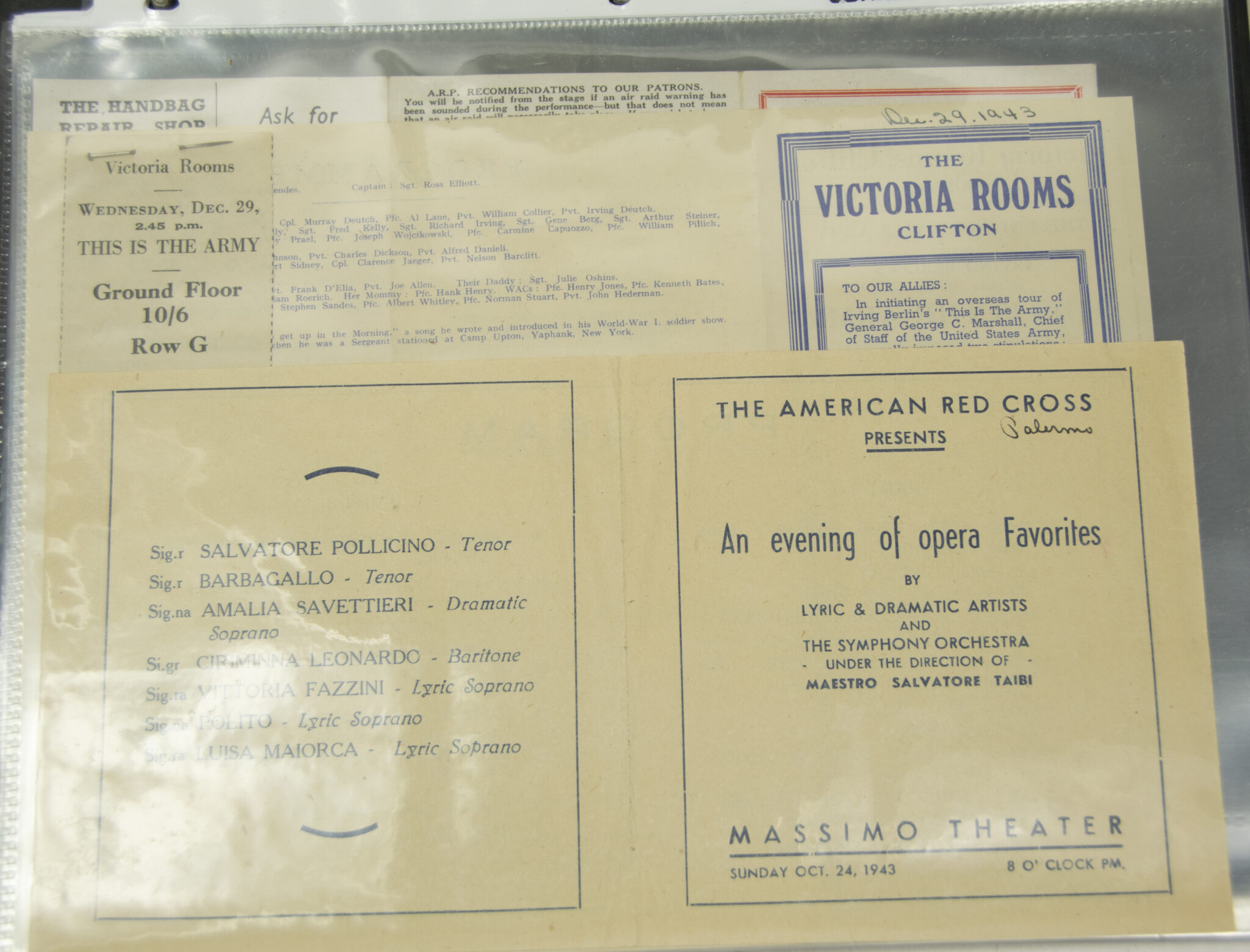
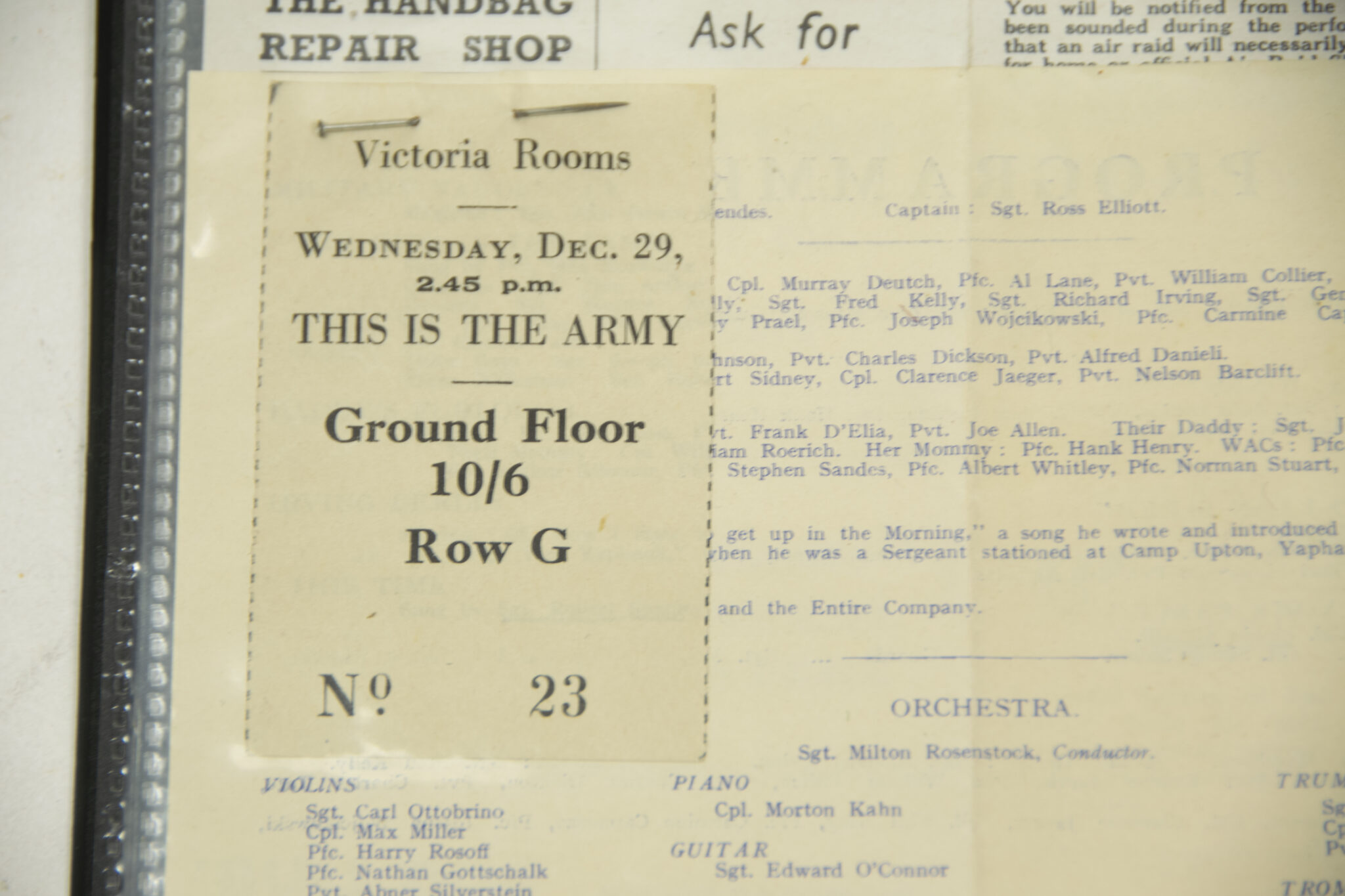
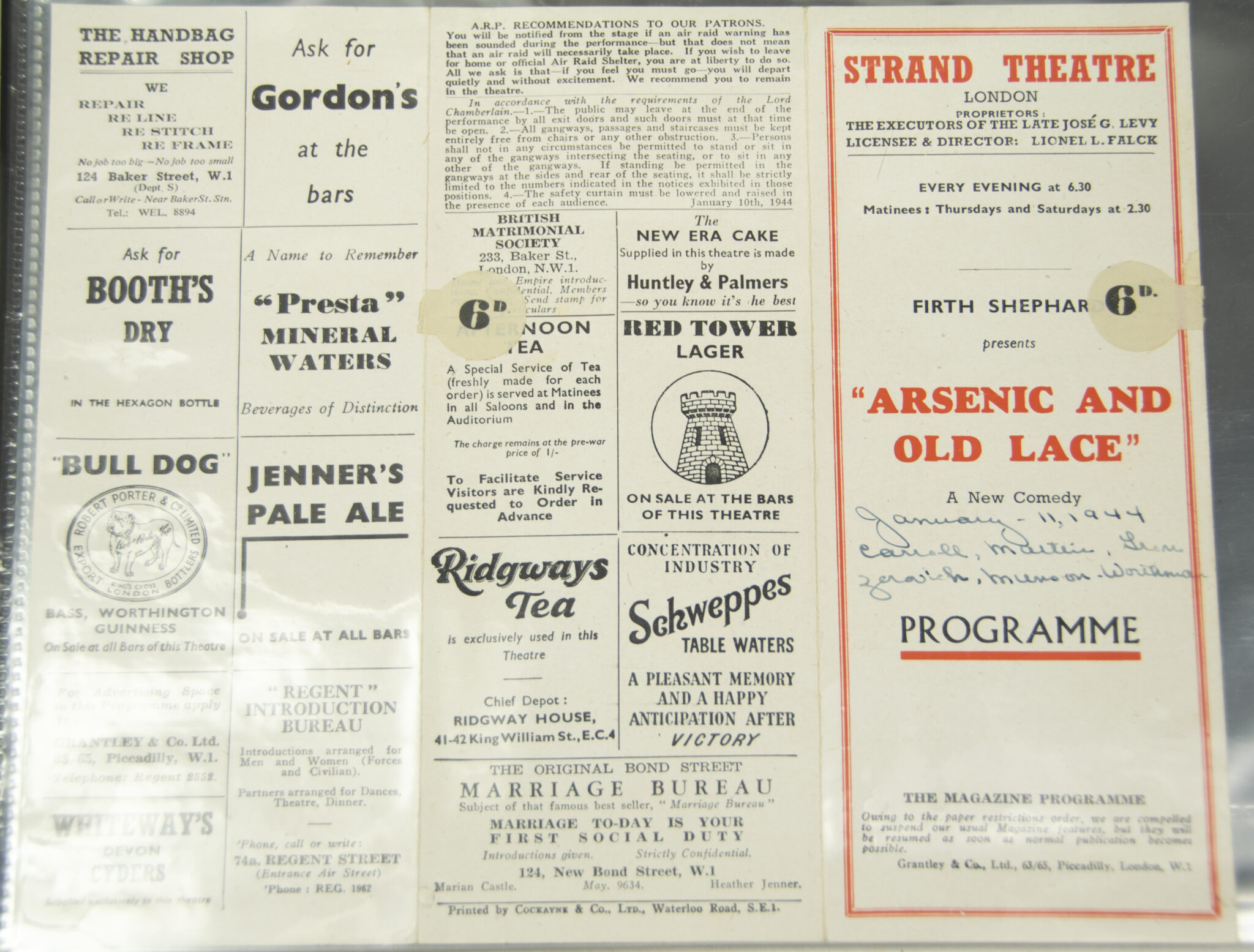
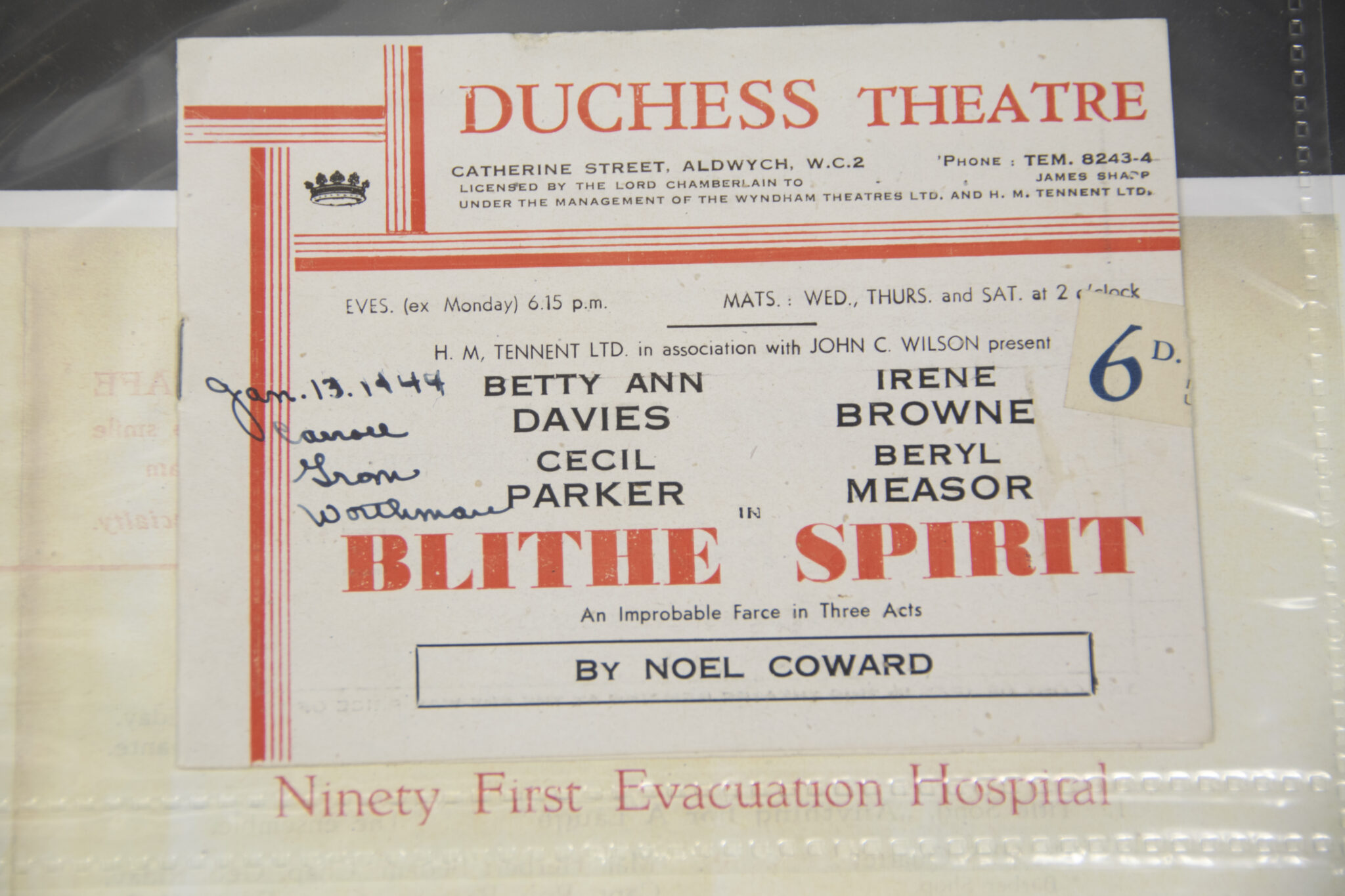
A. There are two cufftitles in this collection. Both are still attached to eachother and were part of a stripe of only four such cufftitles that were brought back by Lt. Ruth E. Worthman, who was a front line nurse in WW2, and a member of the 91st Evacuation Hospital Unit. She was stationed in Valkenburg as part of the 91st Evacuation Hospital in the former Reichsschule, after the south of the Netherlands was liberated and the hospital became situated there. Ruth Worthman collected small souvenirs and brought them back to the United States. One of these souvenirs was a strip of four “Reichsschule” cufftitles. These are the only ones known in existence today. Over the past decades two have been cut of the strip of four, and were sold to advanced collectors. This has all been written down on collectorsforums. See. e.g. here:
https://www.wehrmacht-awards.com/forums/forum/wehrmacht-uniforms-and-equipment/tony-barto-ss-uniforms-and-insignia-forum/328664-reichsschule-valkenburg-holland
and here:
https://www.wehrmacht-awards.com/forums/forum/wehrmacht-uniforms-and-equipment/tony-barto-ss-uniforms-and-insignia-forum/221740-reichsschule-valkenburg-holland#post4307087
and here:
https://www.wehrmacht-awards.com/forums/forum/wehrmacht-uniforms-and-equipment/tony-barto-ss-uniforms-and-insignia-forum/13399041-niederlande-bevo-like-cuff-title
Which leaves these two still attached to eachoter as a unique set that consists of 50% of all known such cufftitles. The cufftitles were by the way intended to be worn by staff members of the Reichsschule. Since the institute was an SS organisation these are among the rarest of all cufftitles one can collect, making this strip of two a unique collectable on it’s own.
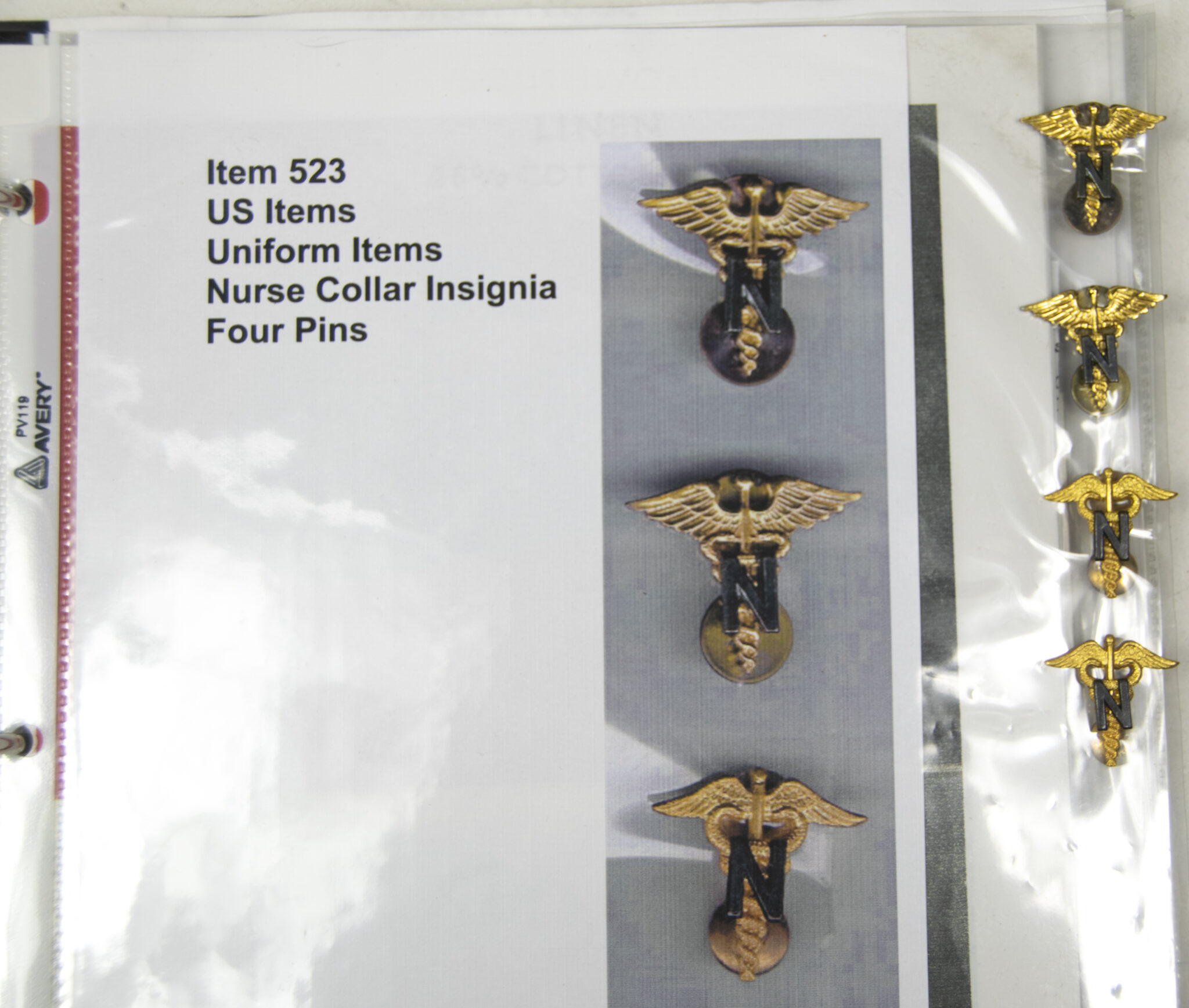
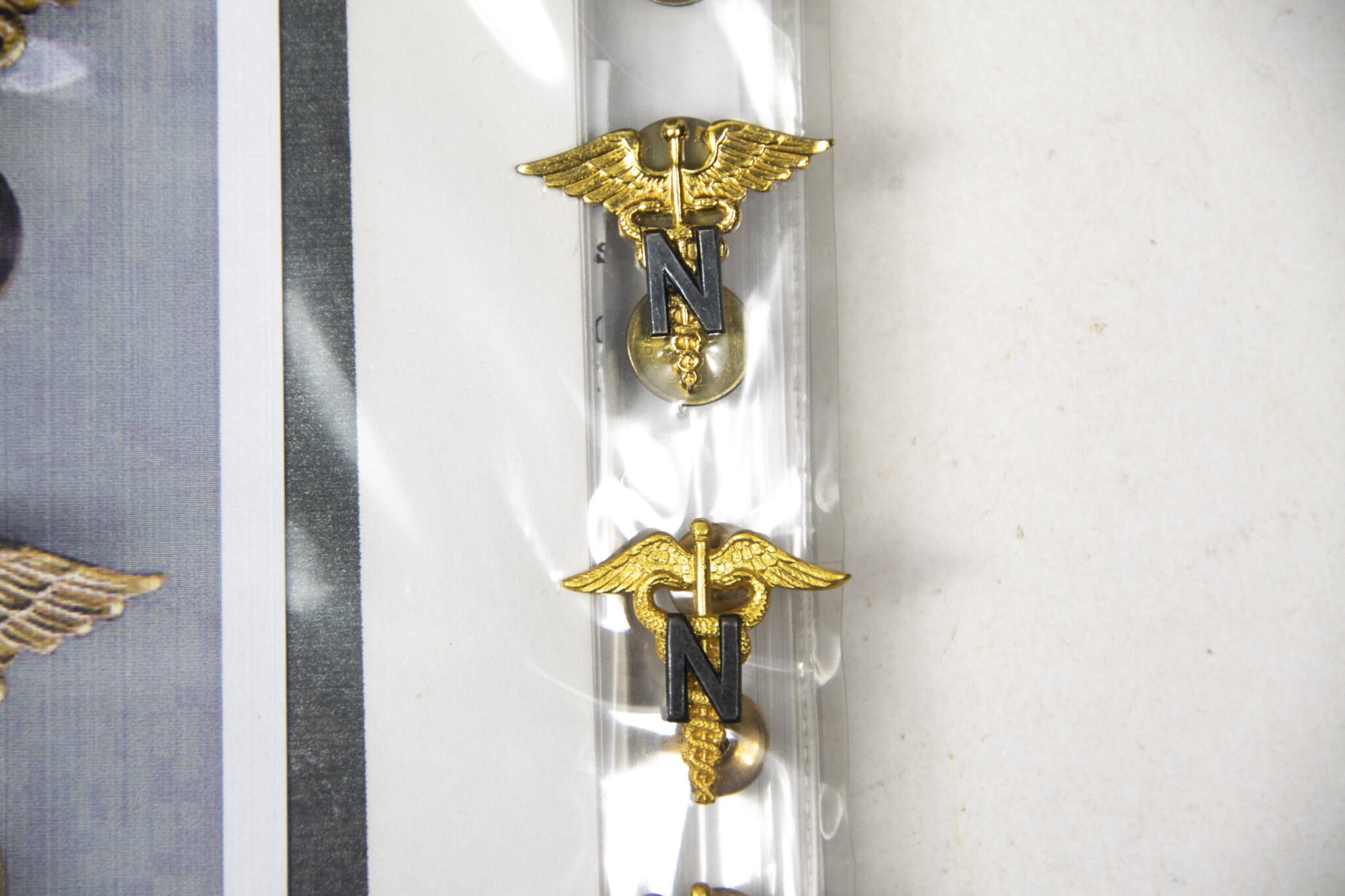
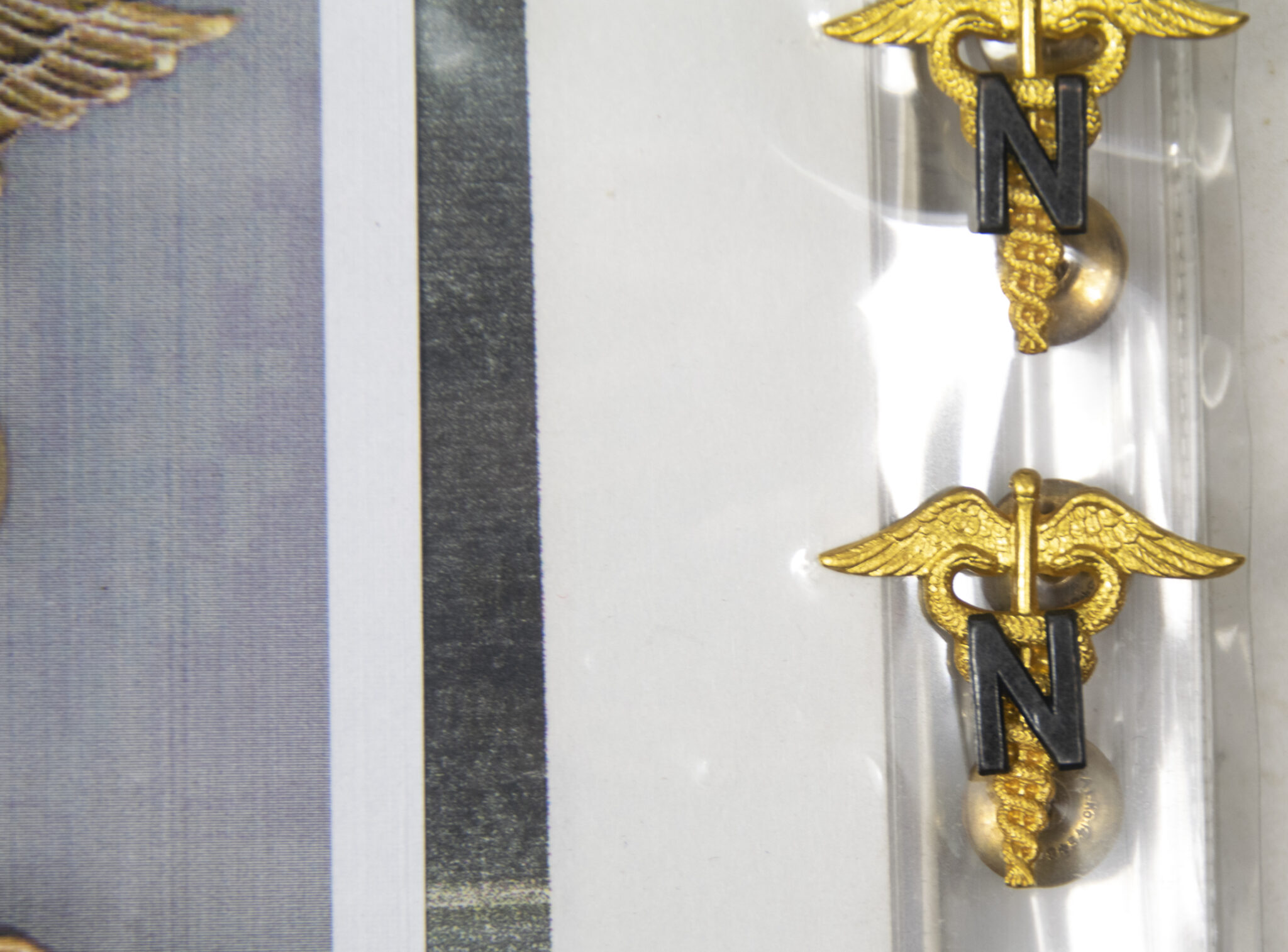
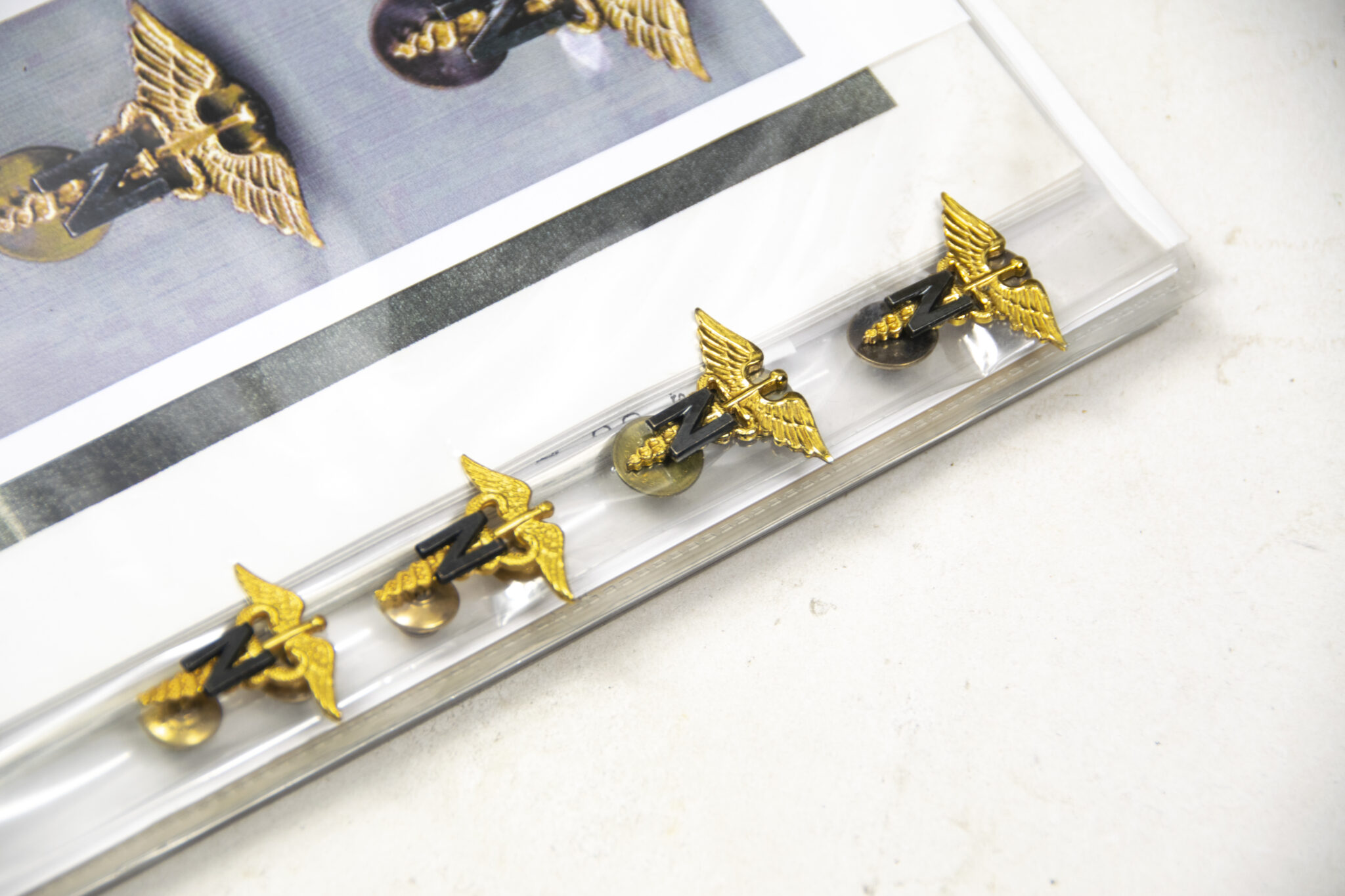
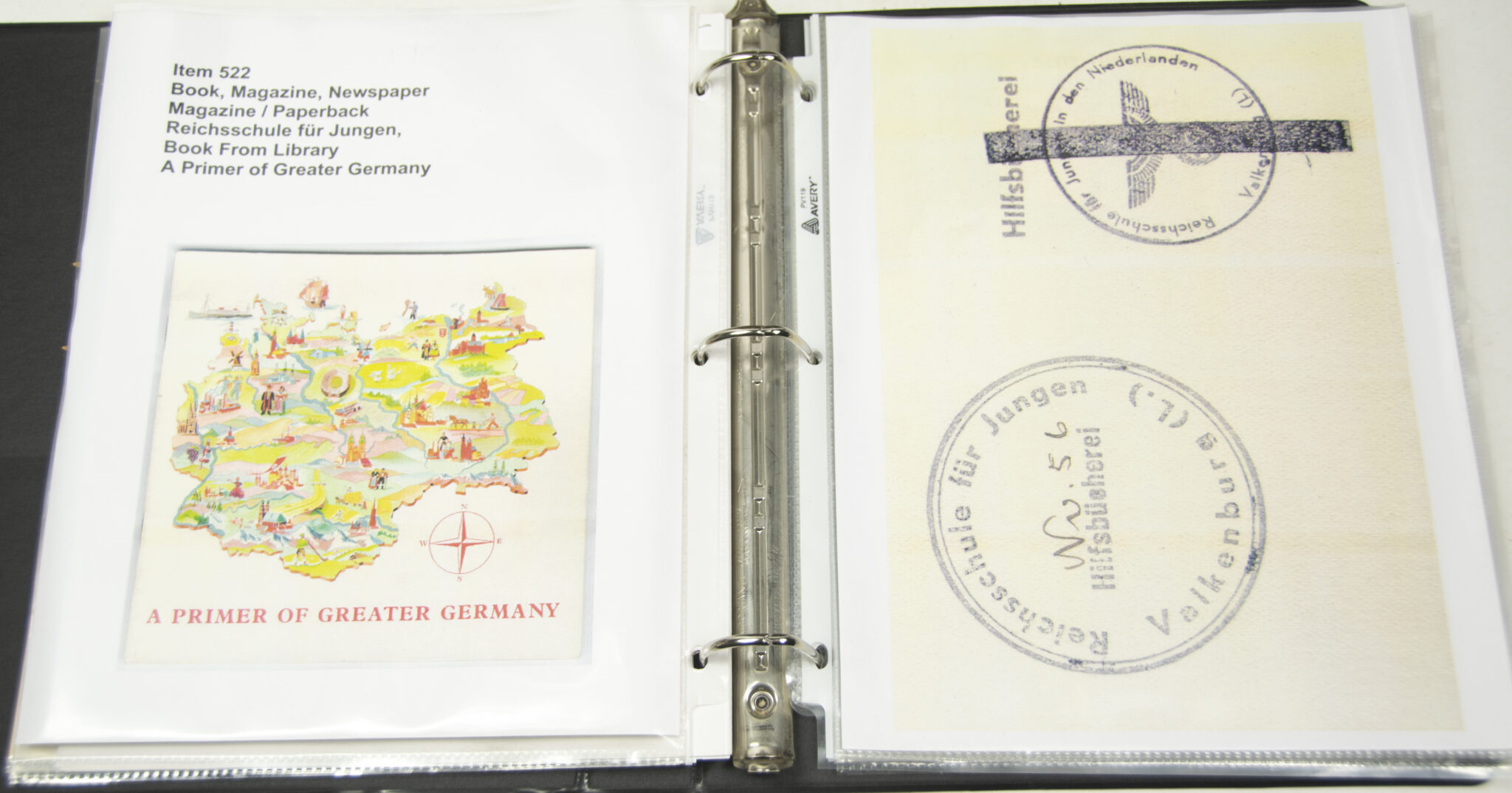
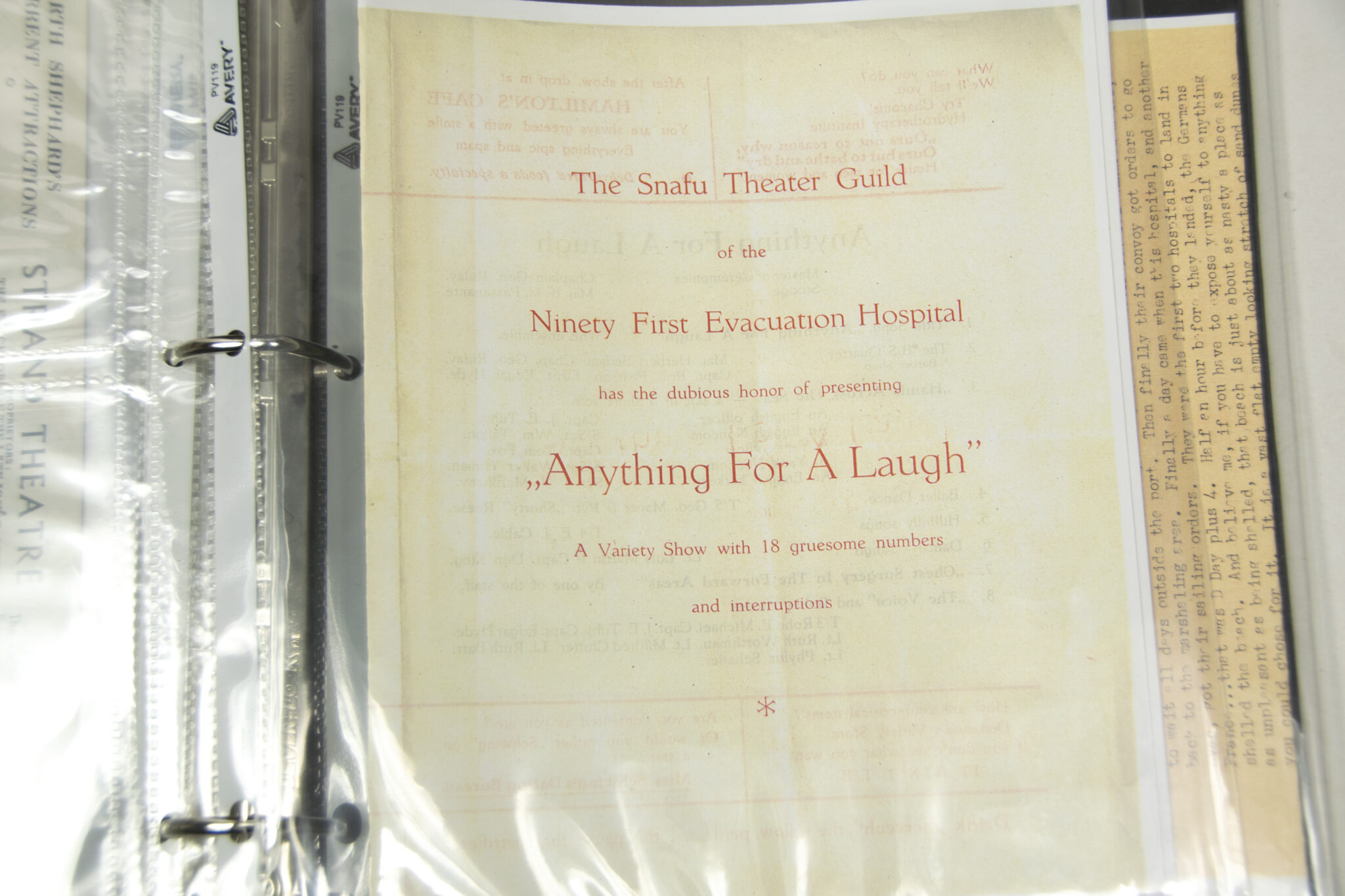
Included to the buyer will be a binder with many modern copies of documents regarding Ruth Worthman. Also included are four Nurse collarattachments that are supposed to have belonged to her. I also add under here a (digital) photo of Ruth Worthman. More on her van be read here:
https://www.angelfire.com/biz/KHC1/WW2/WW2index.html
Again: included in this sale is a binder with information the backgrund of Ruth Worthman and the cufftitles. Also included are four of here collar insignia.
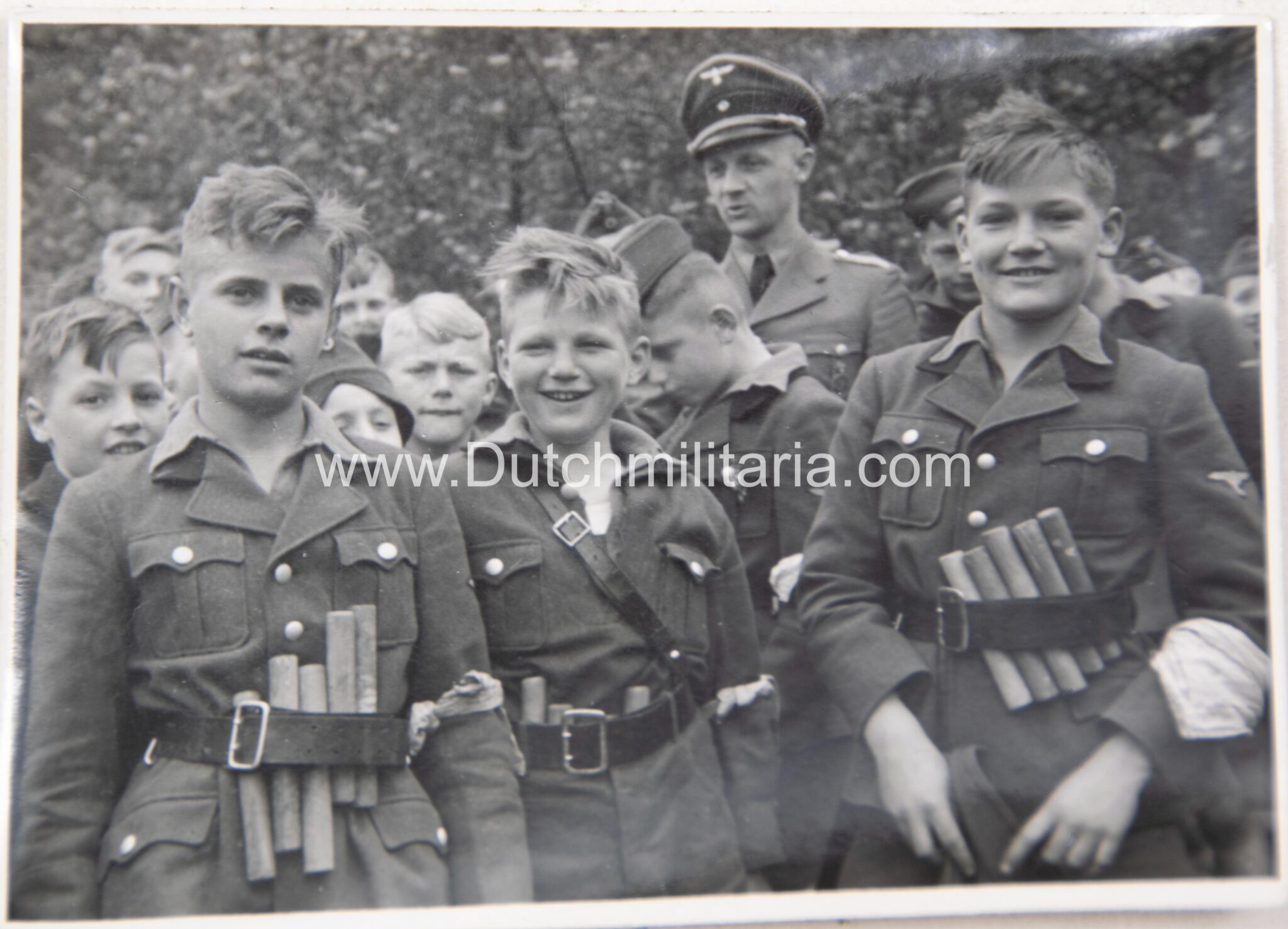
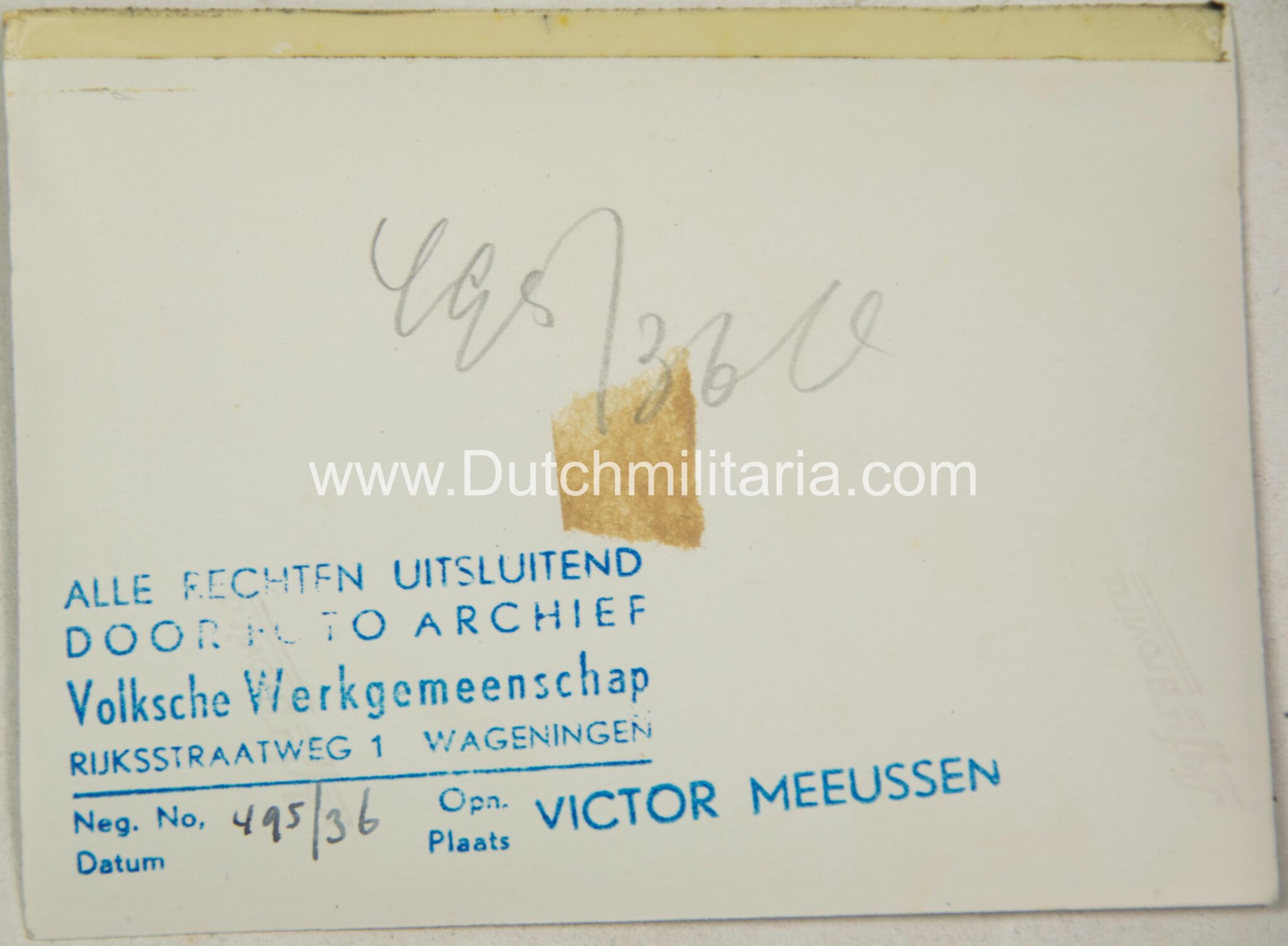
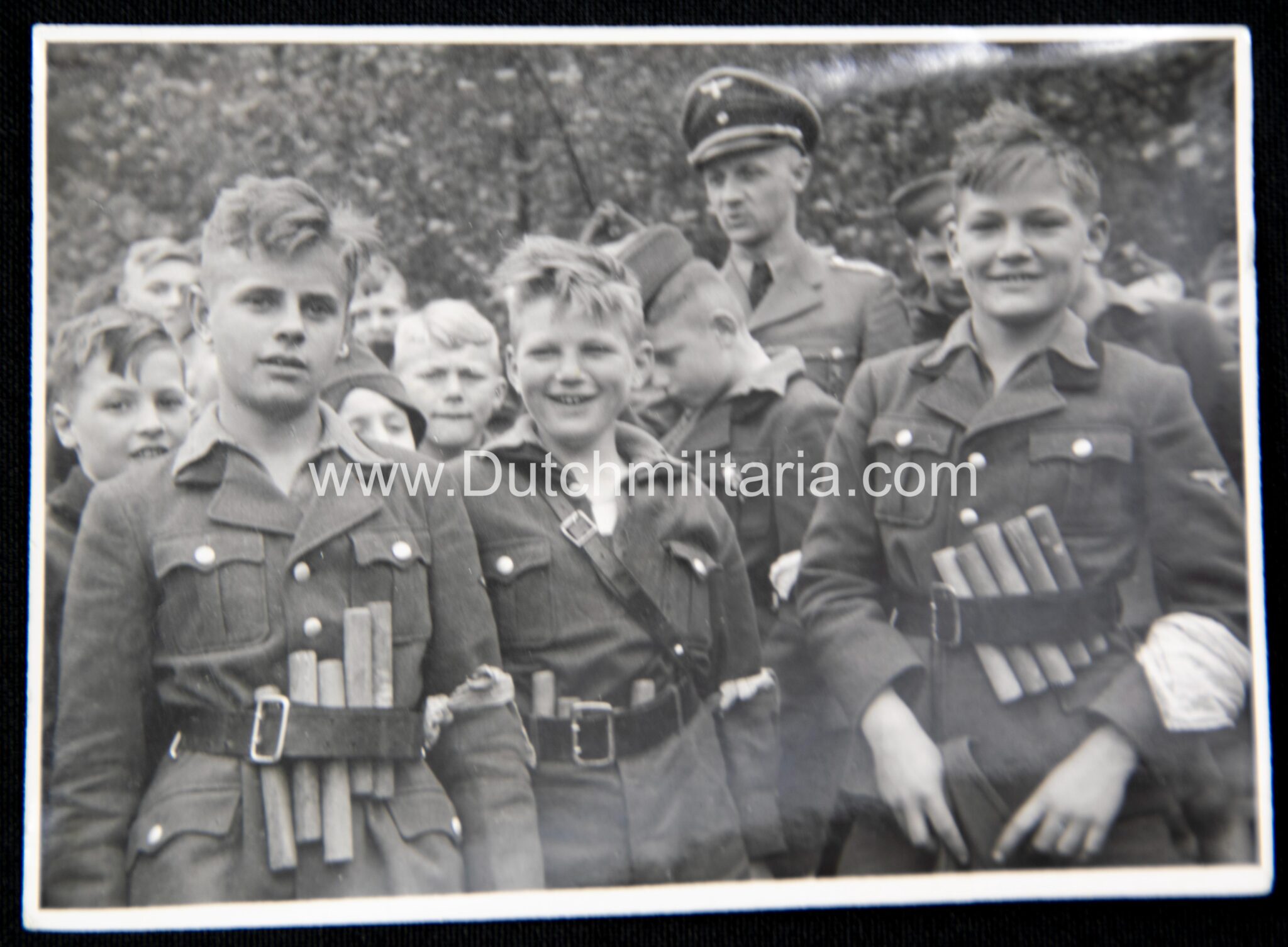
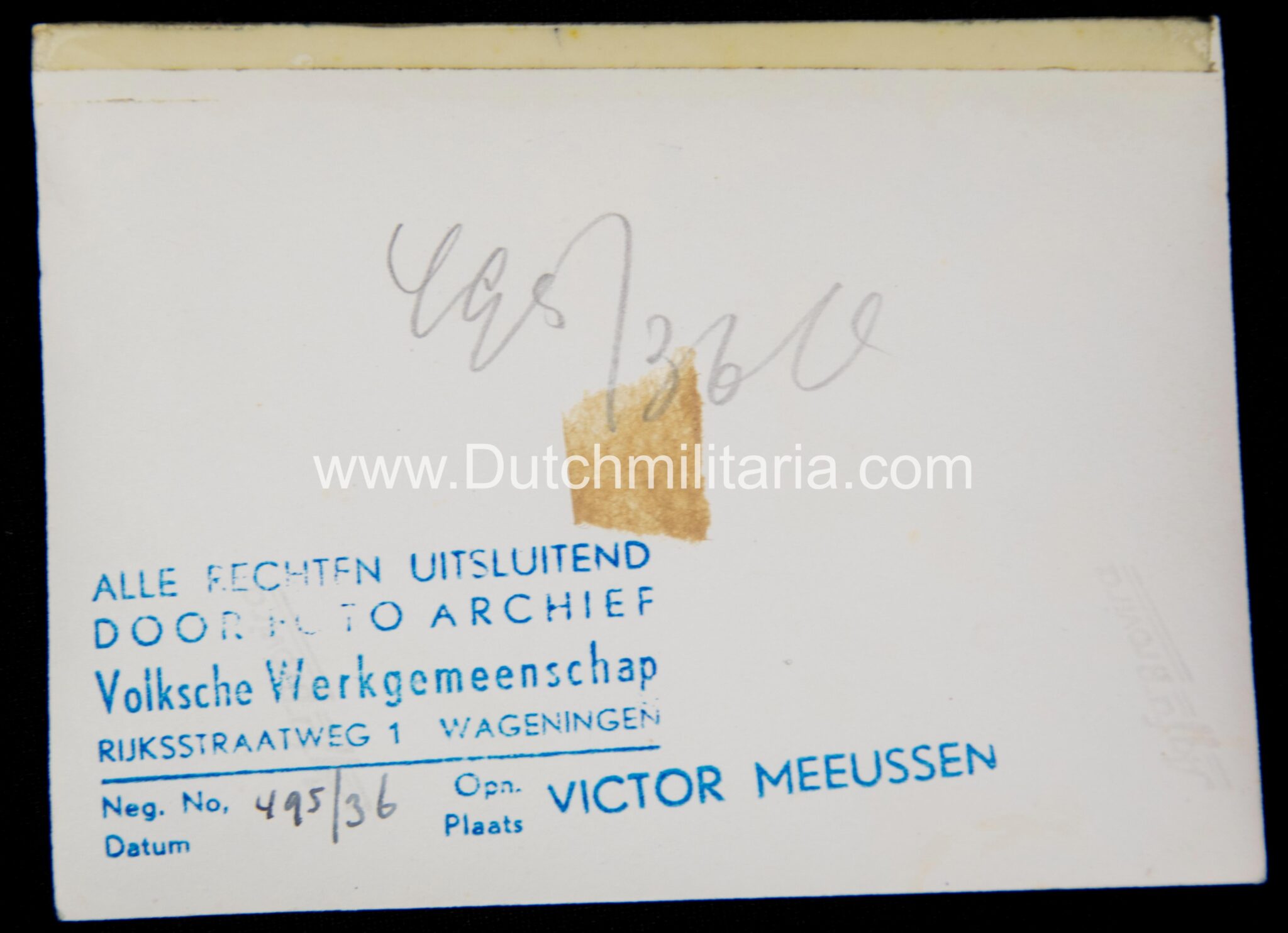
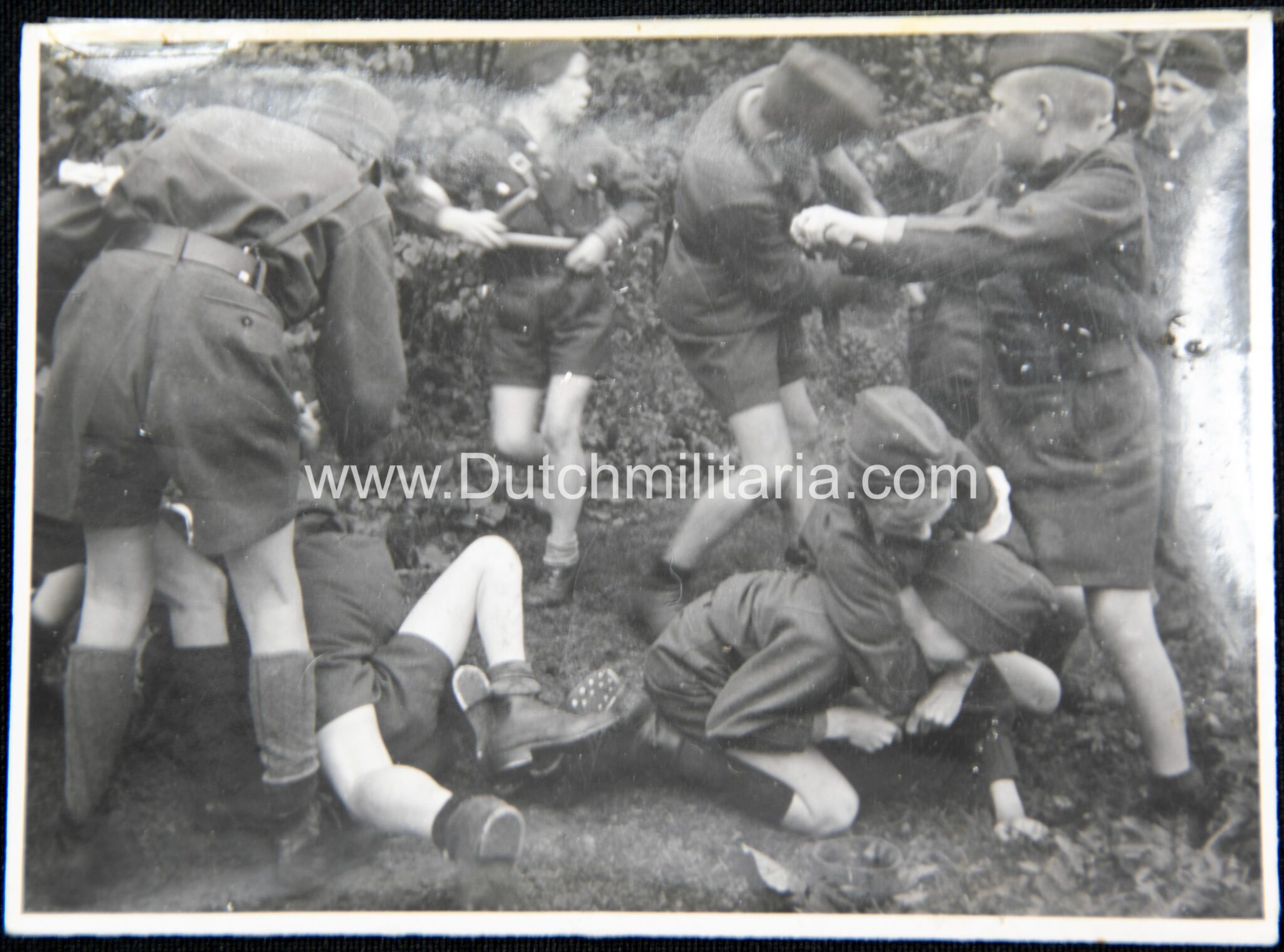
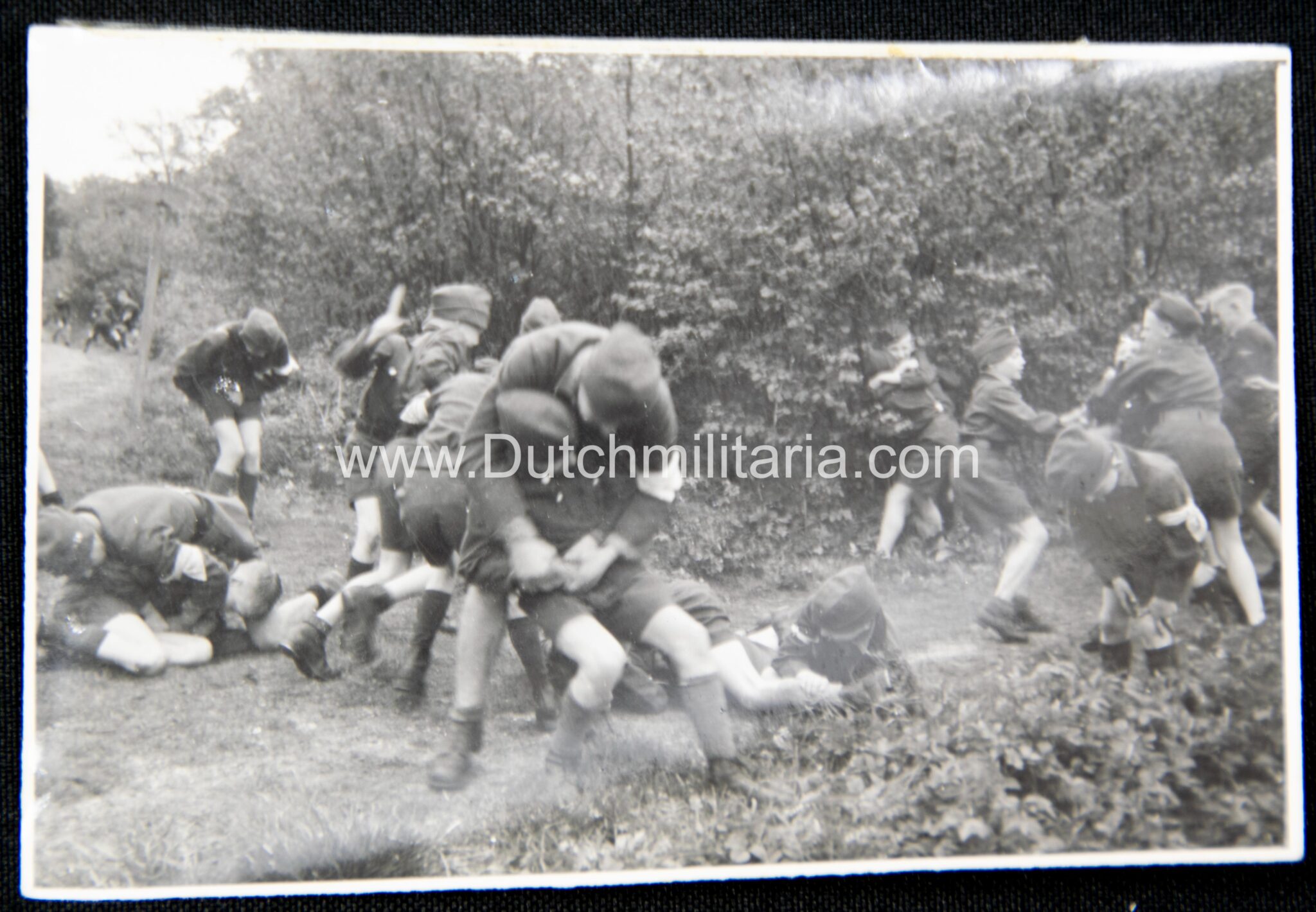
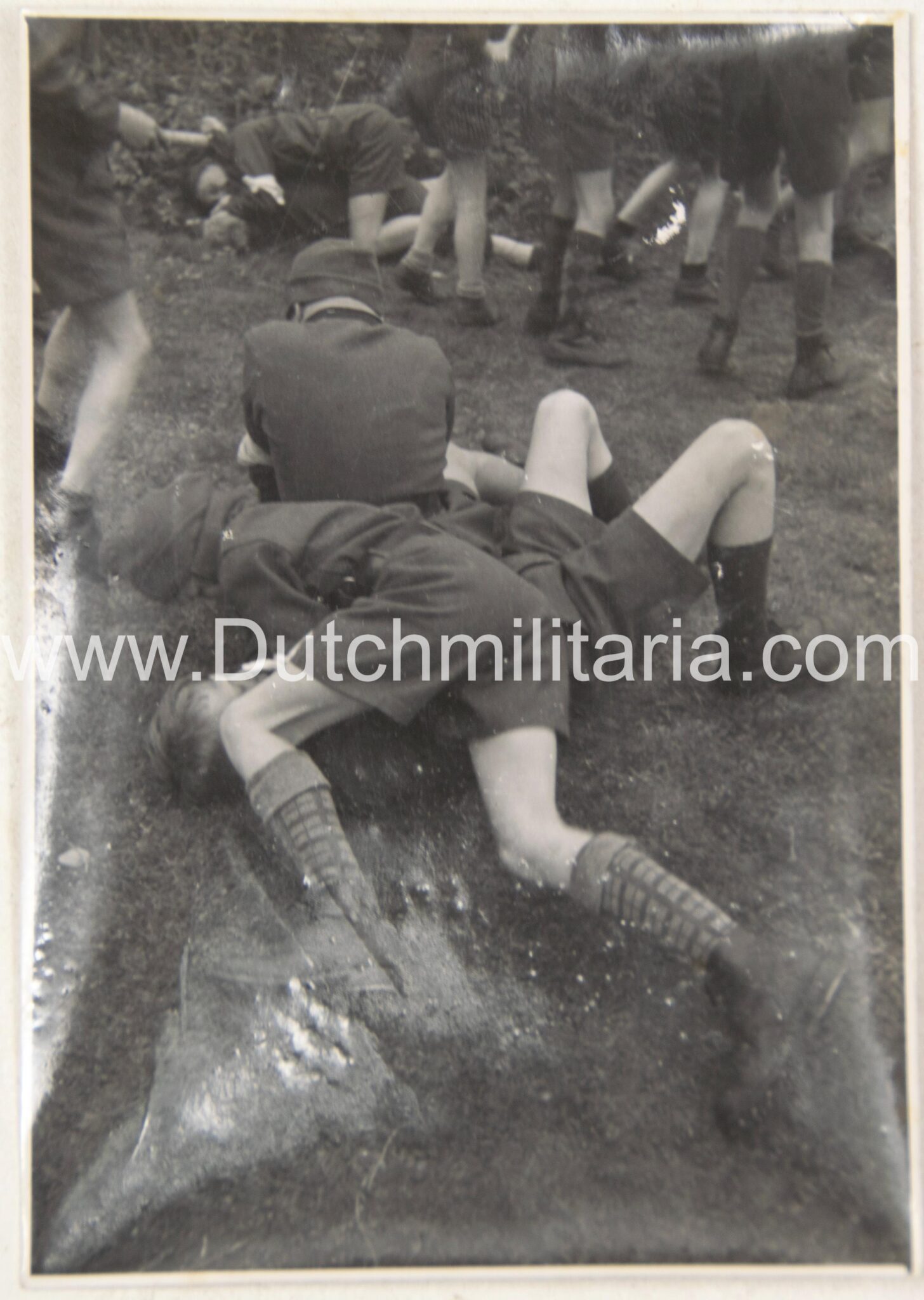
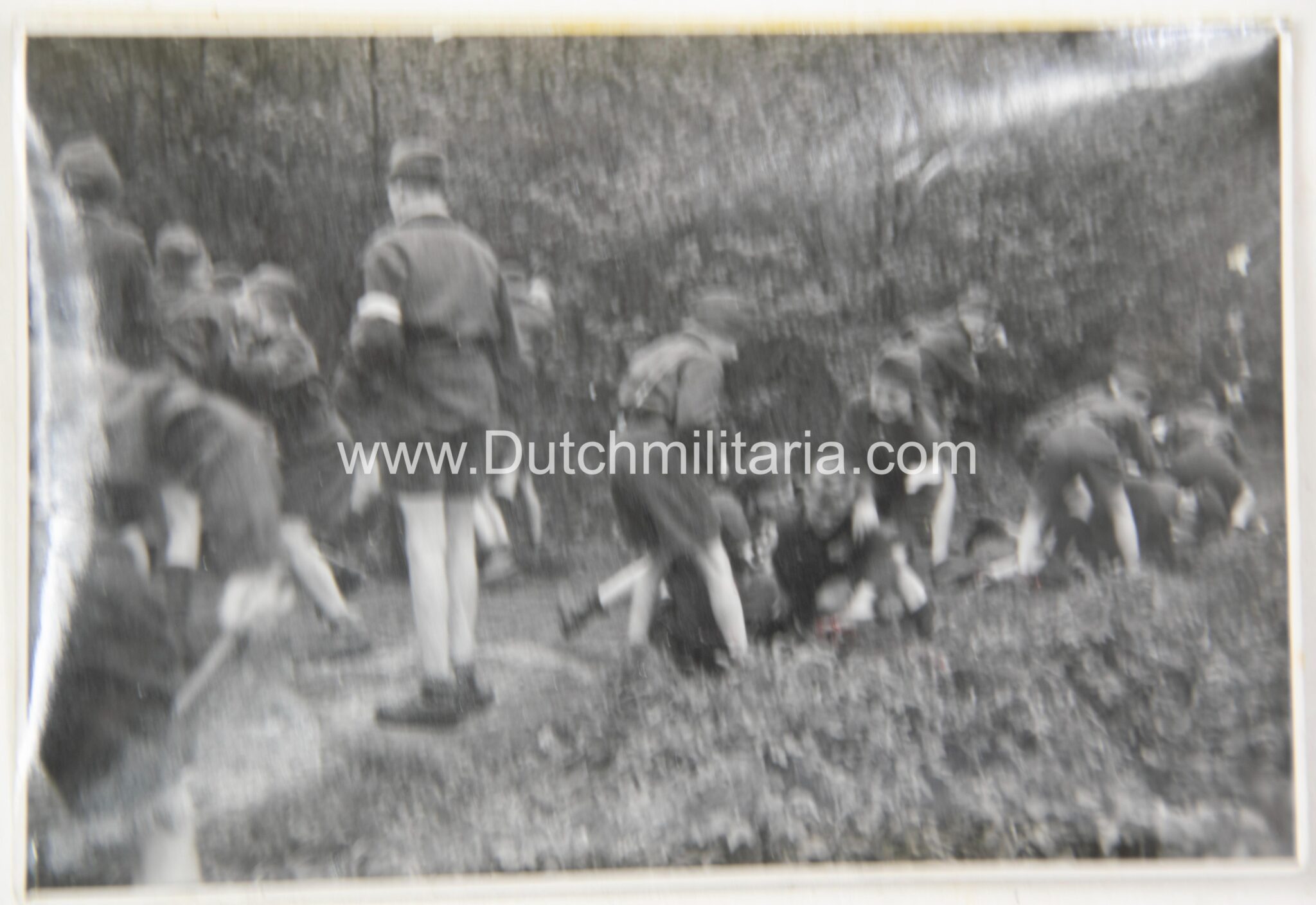
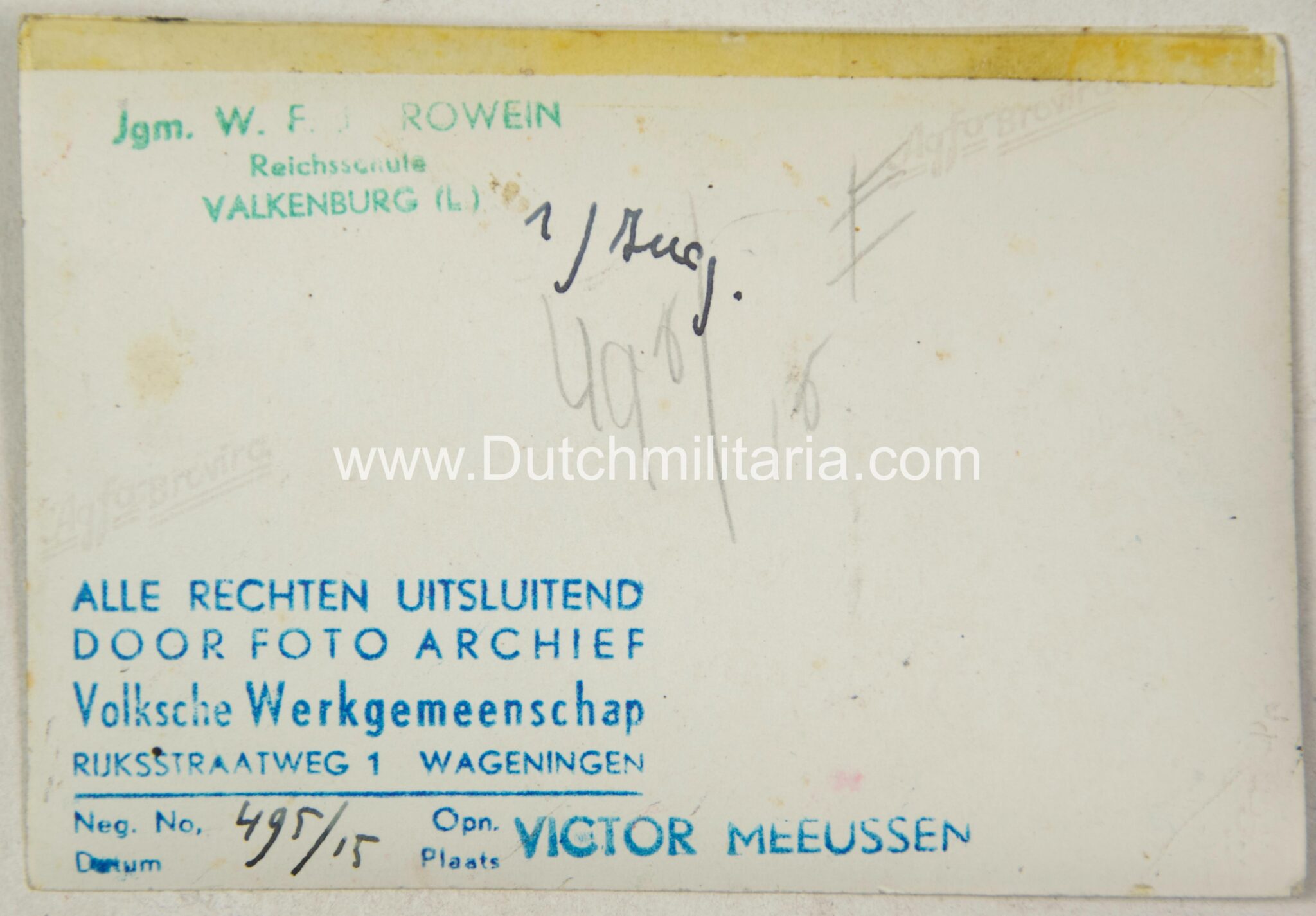
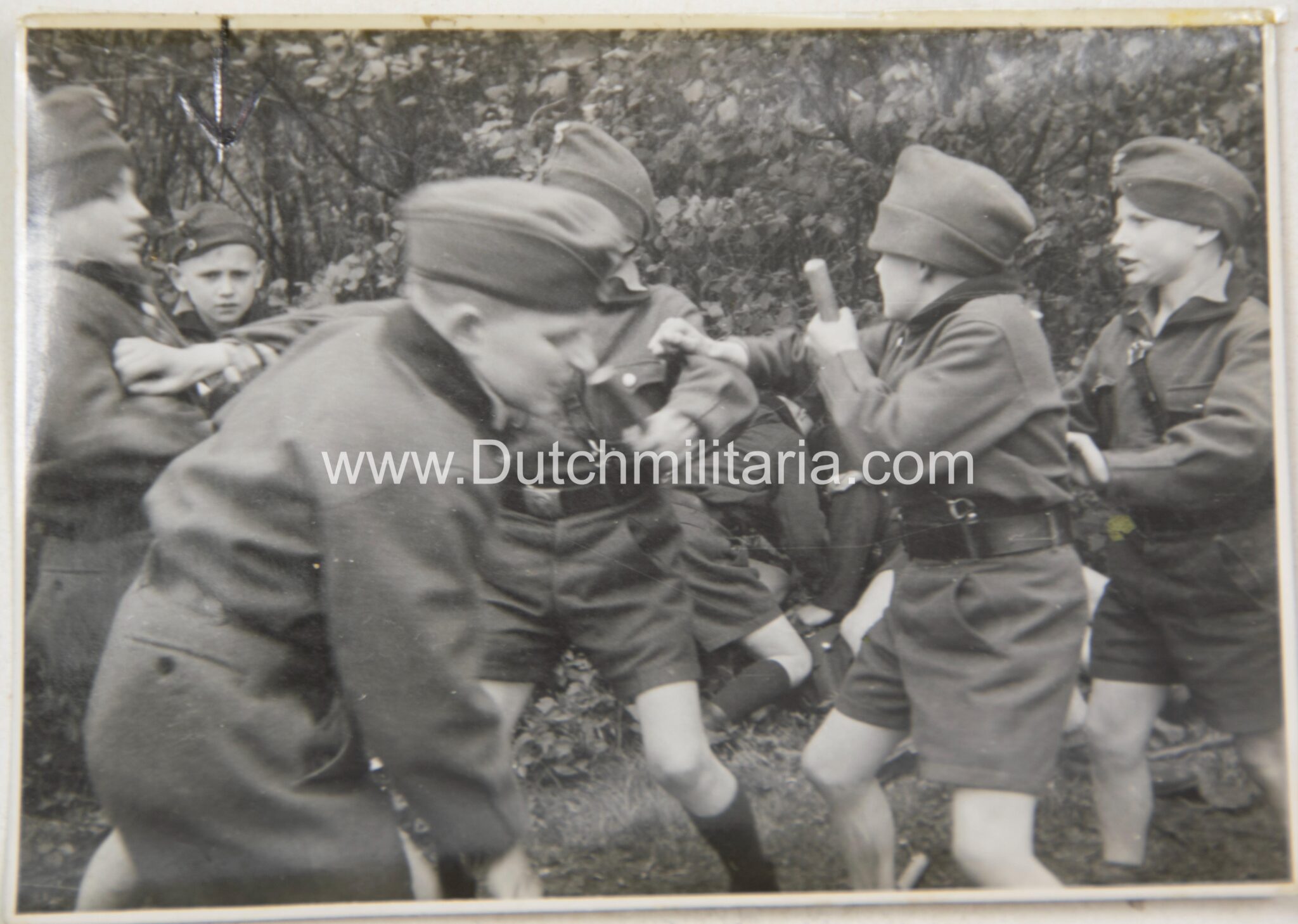
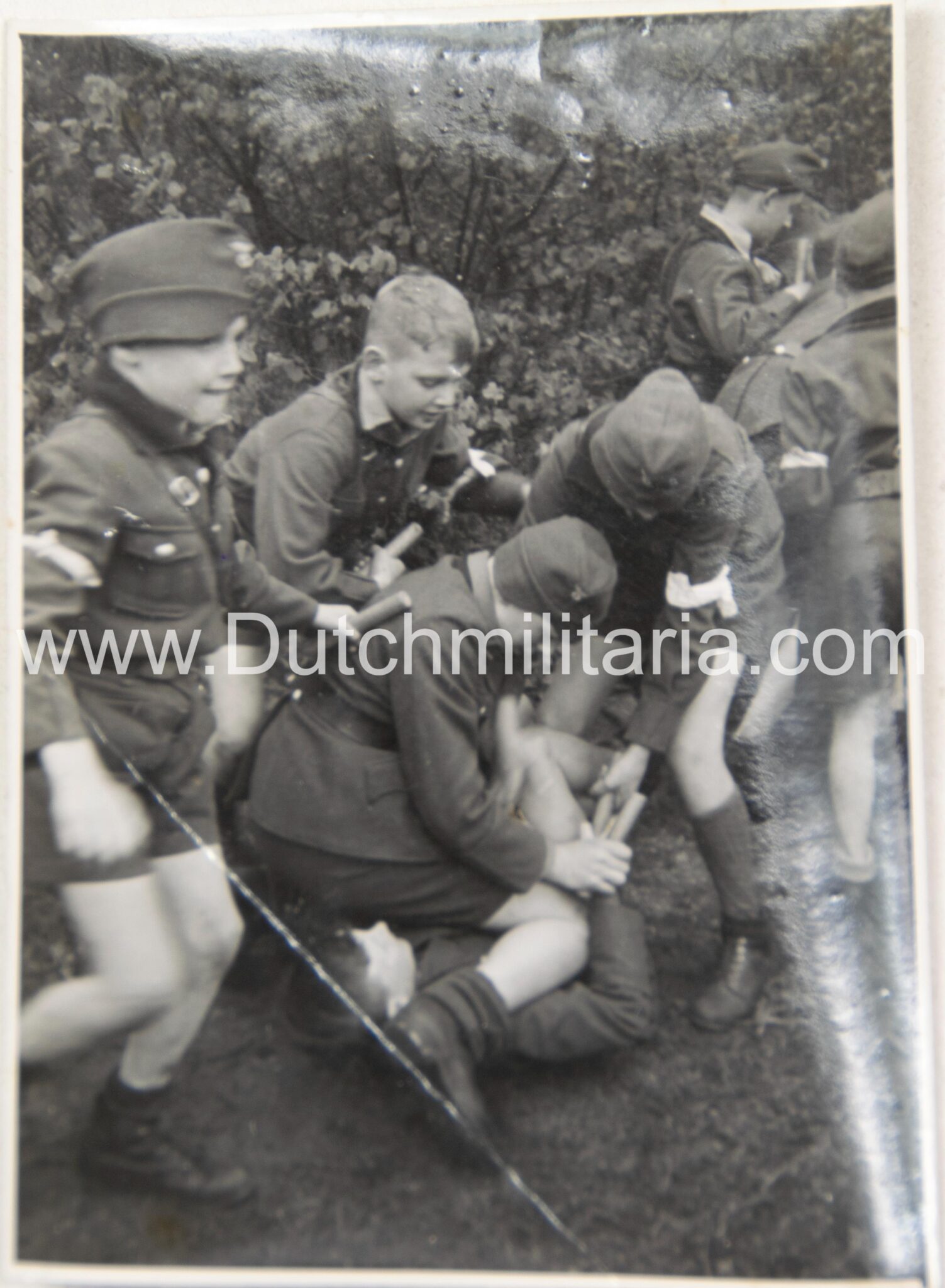
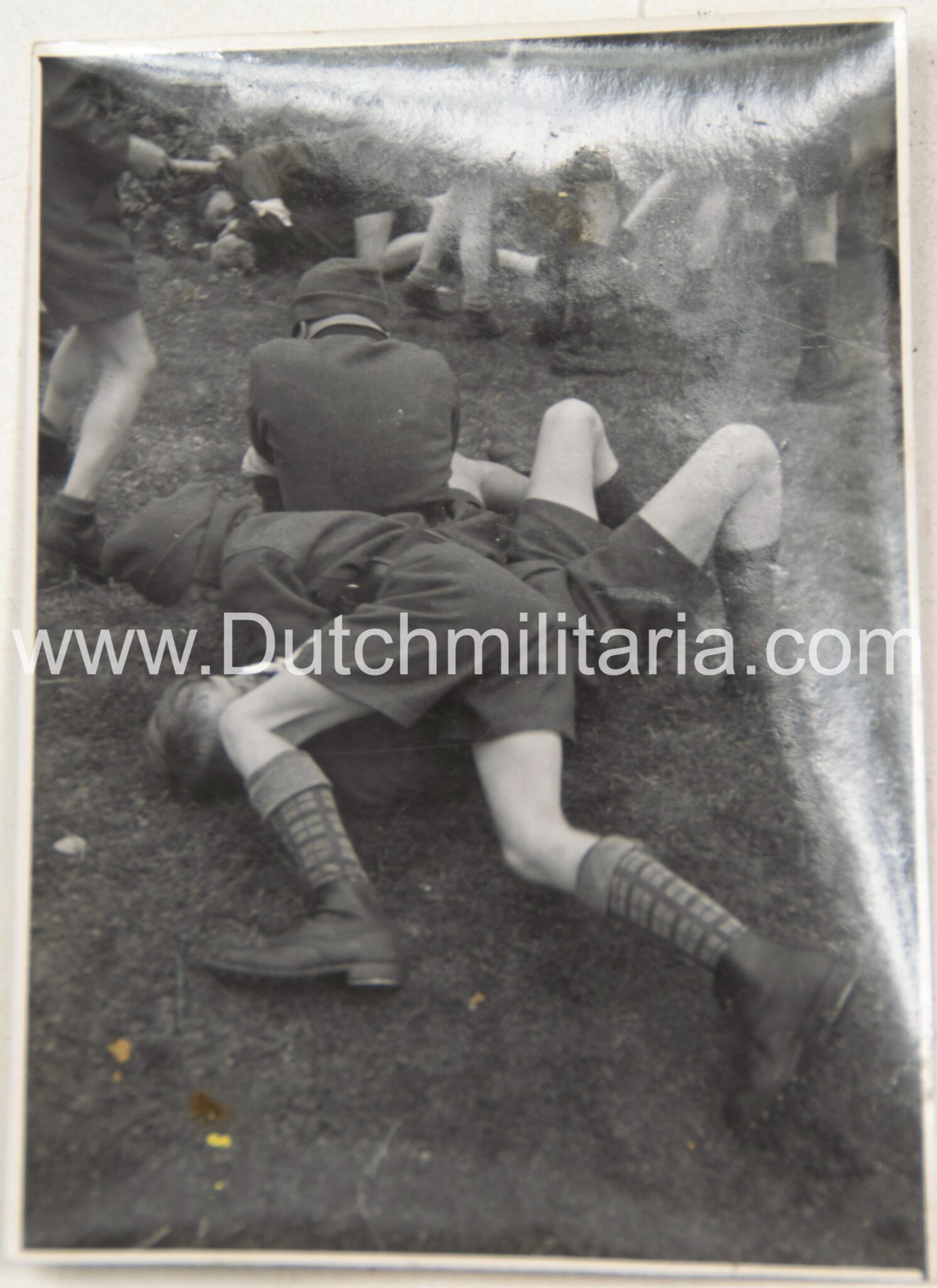
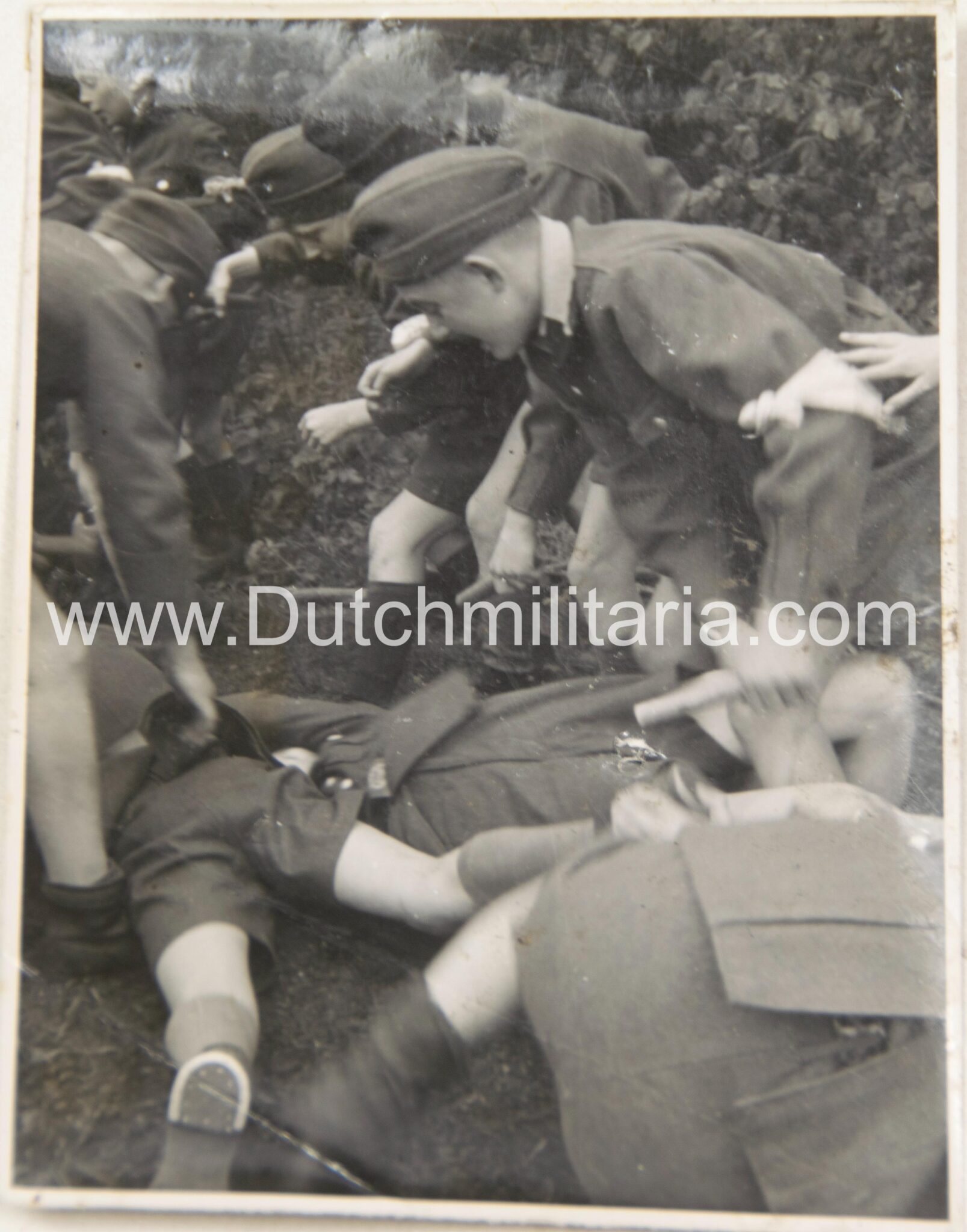
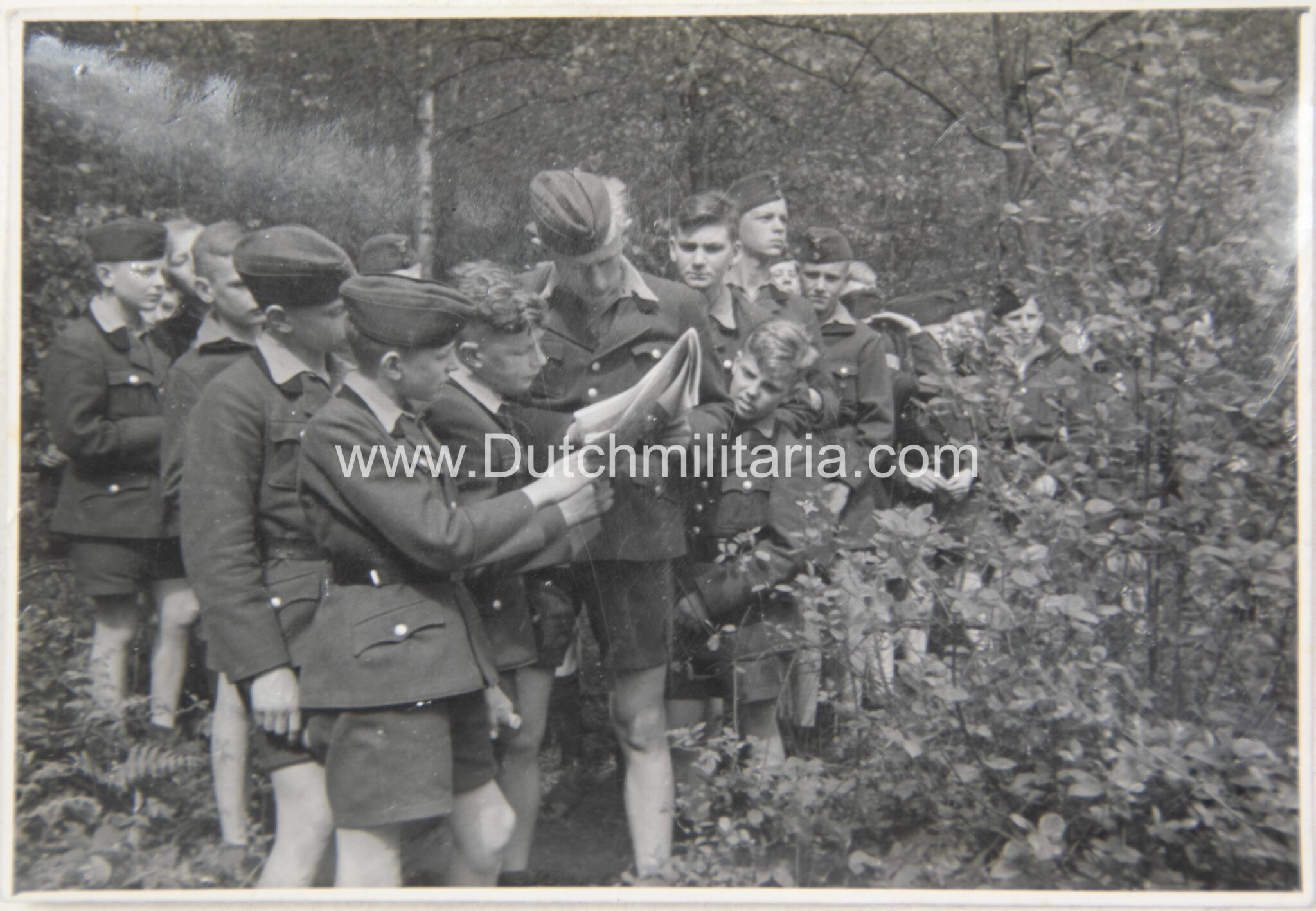
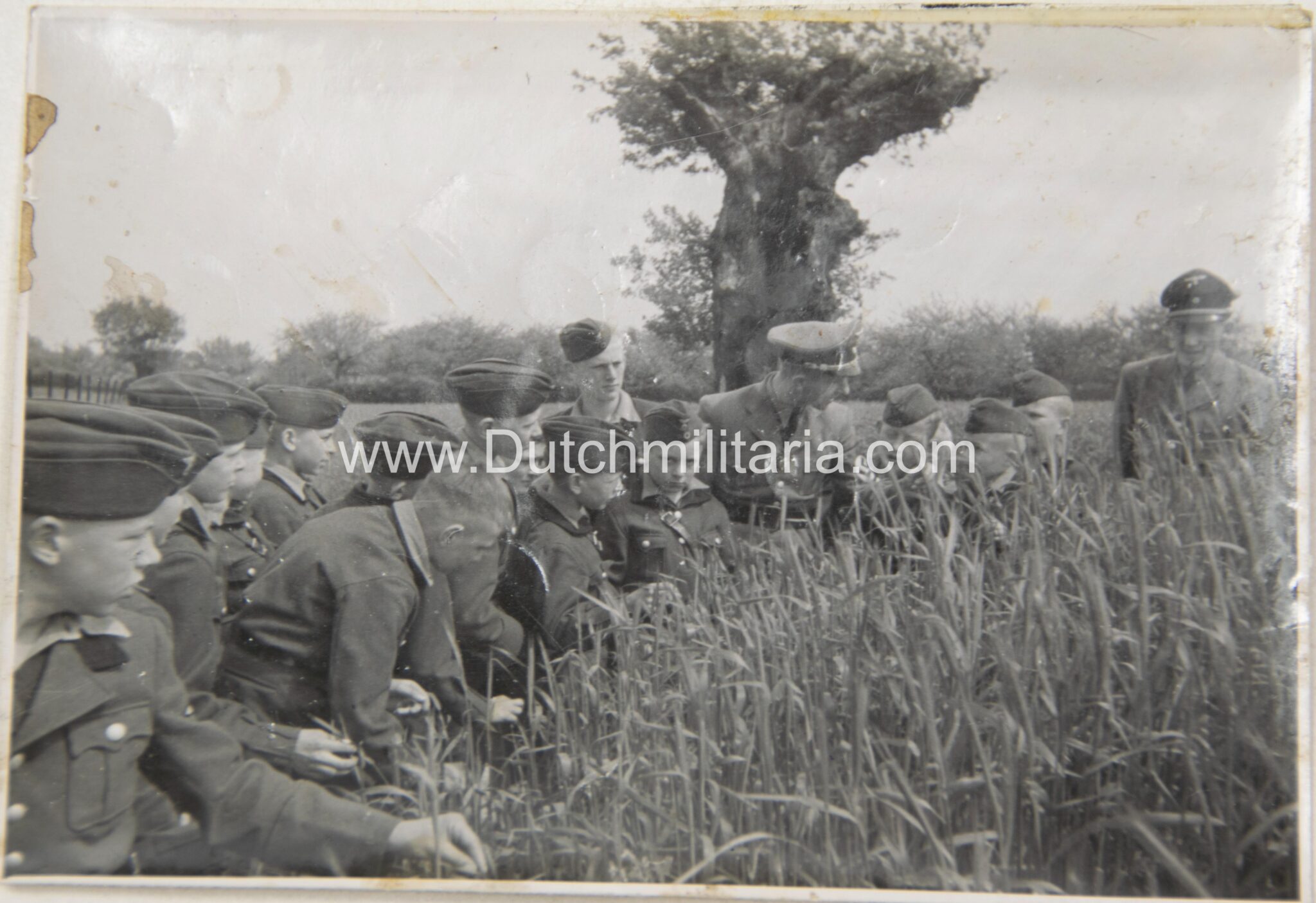
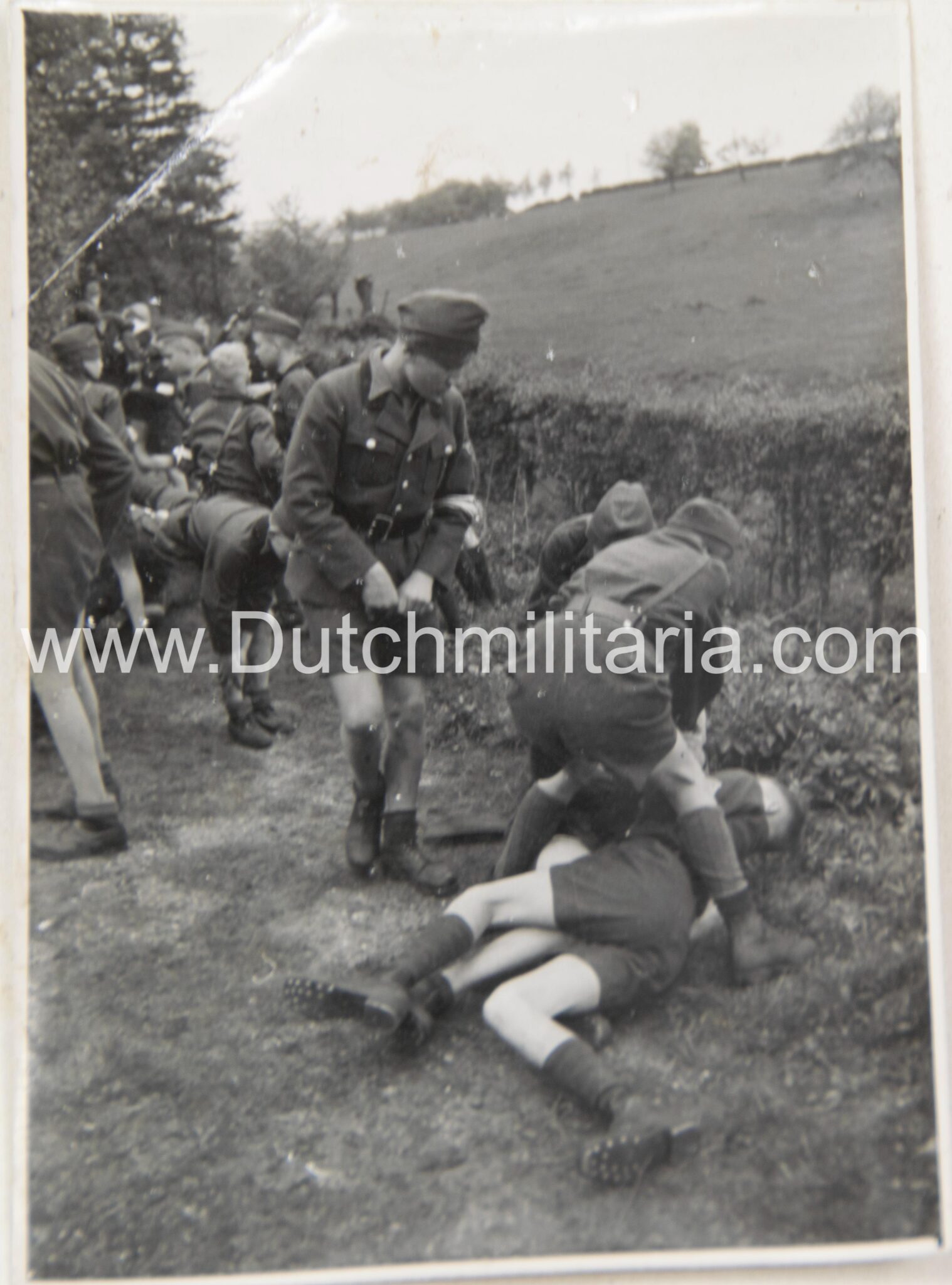
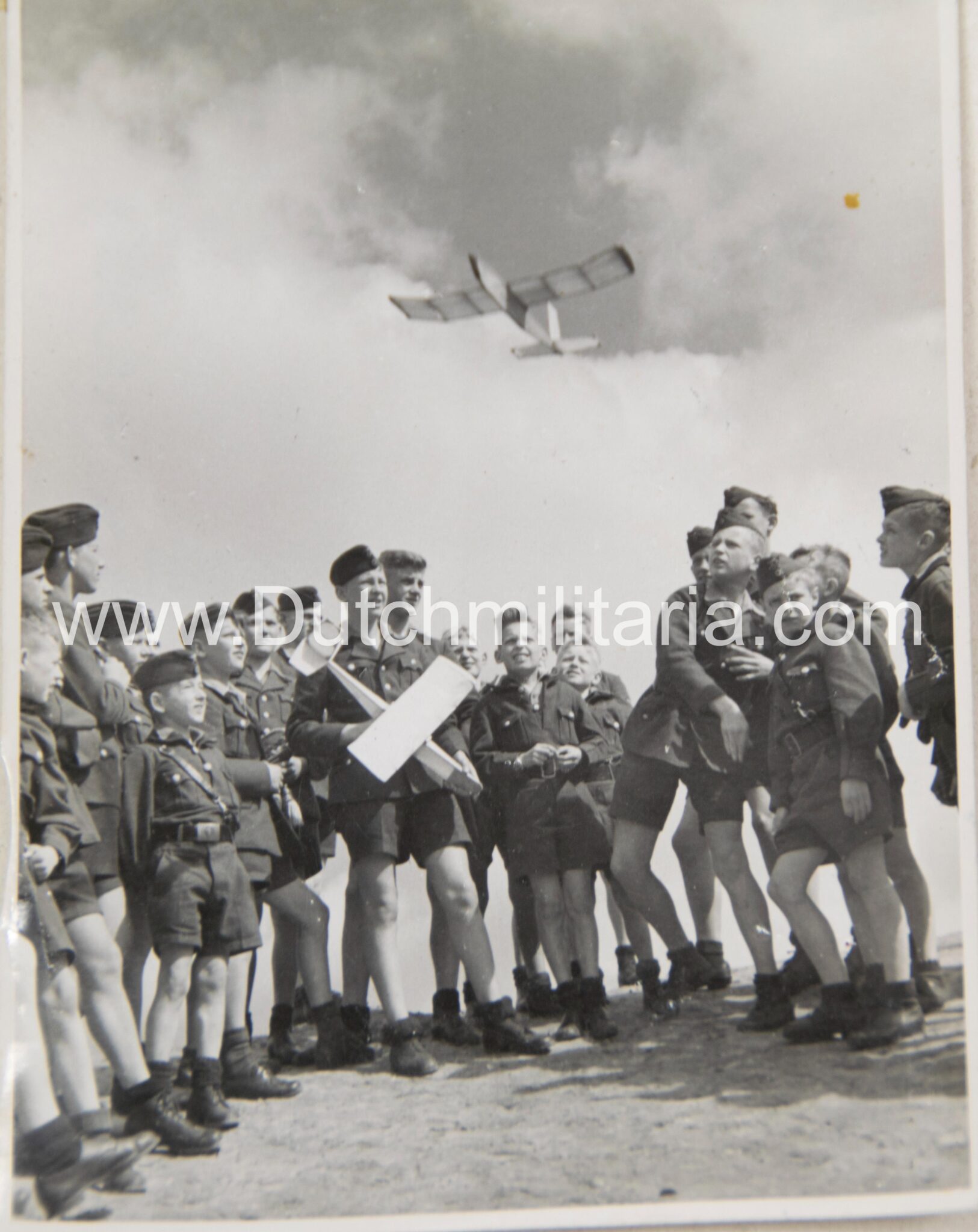
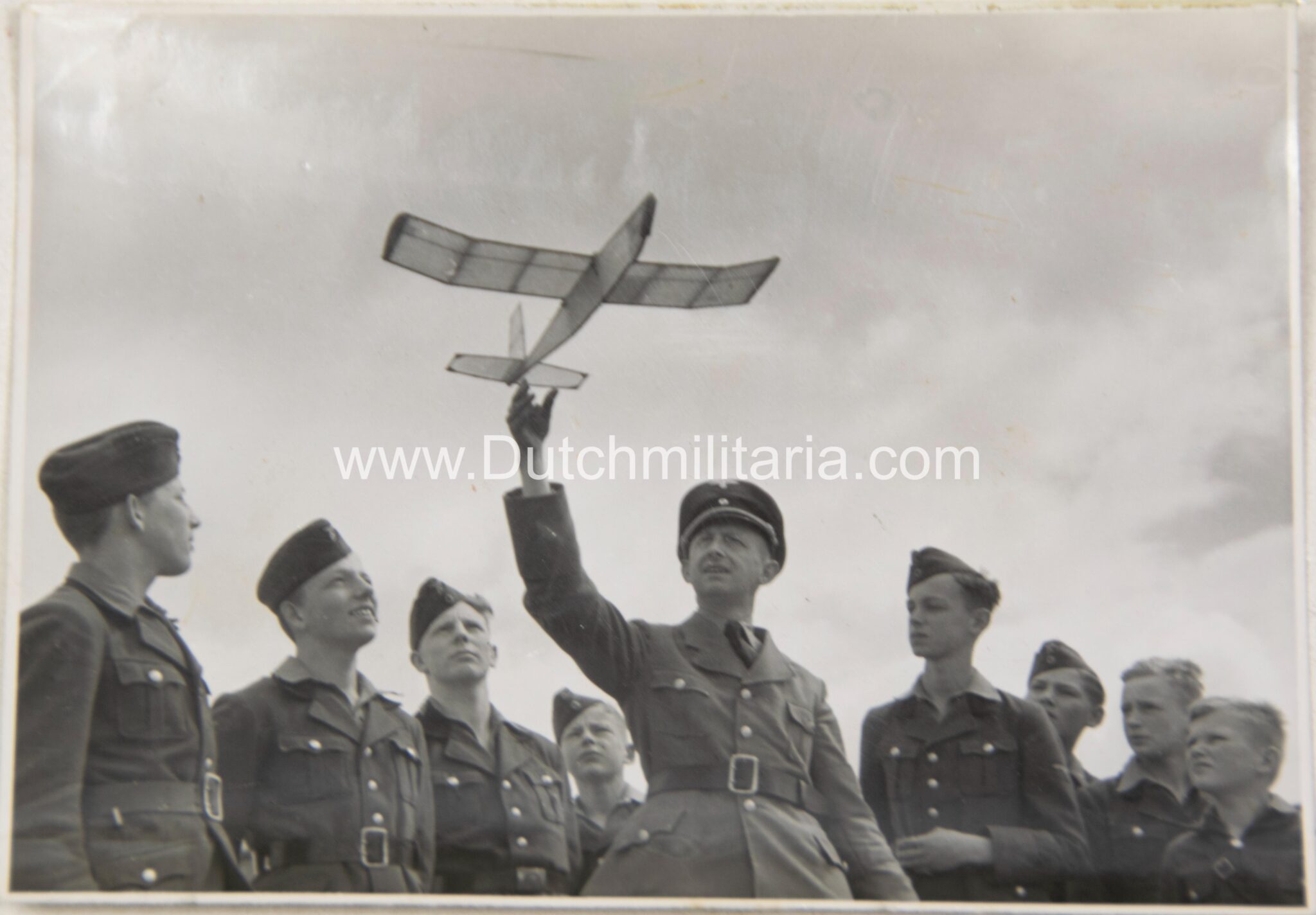
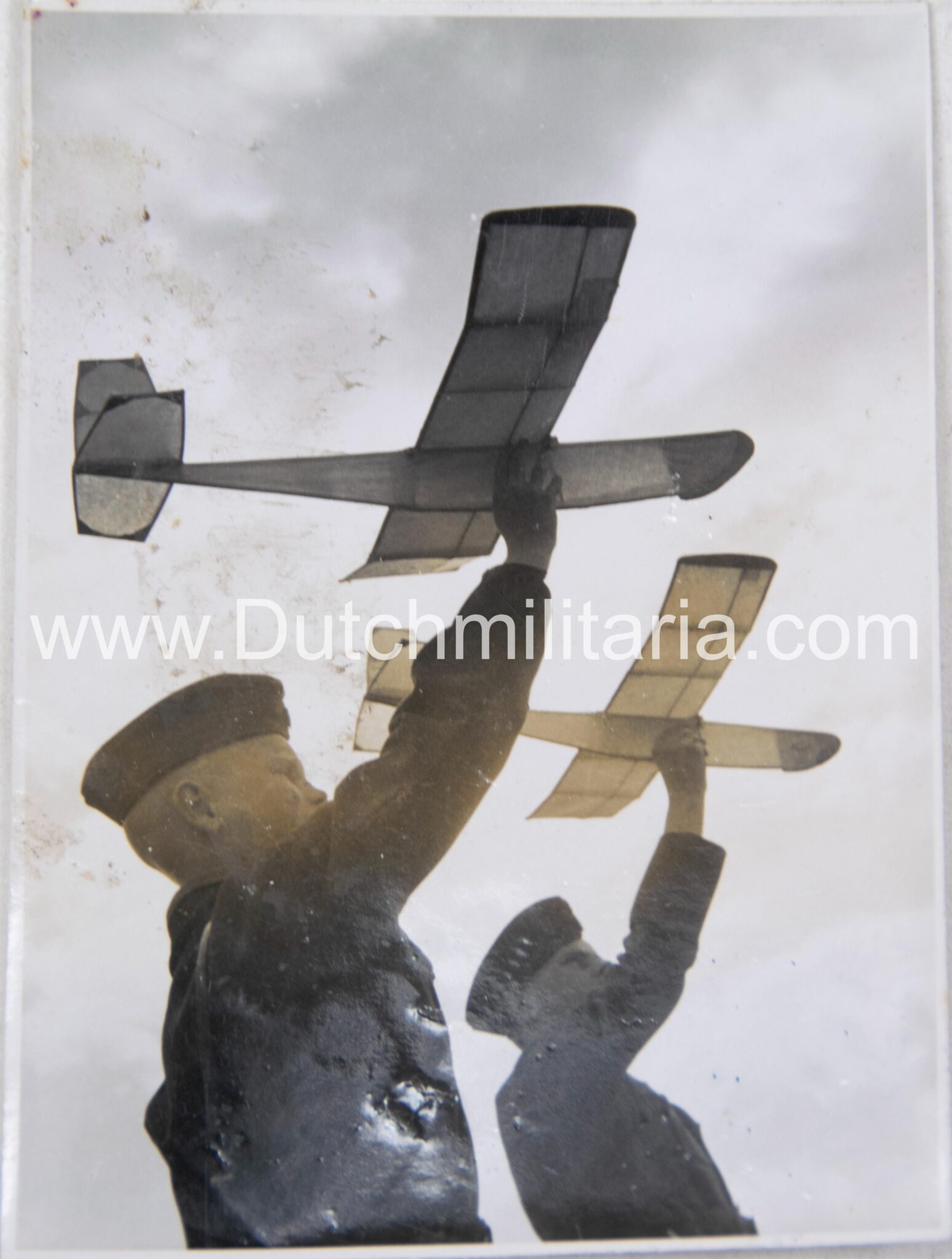
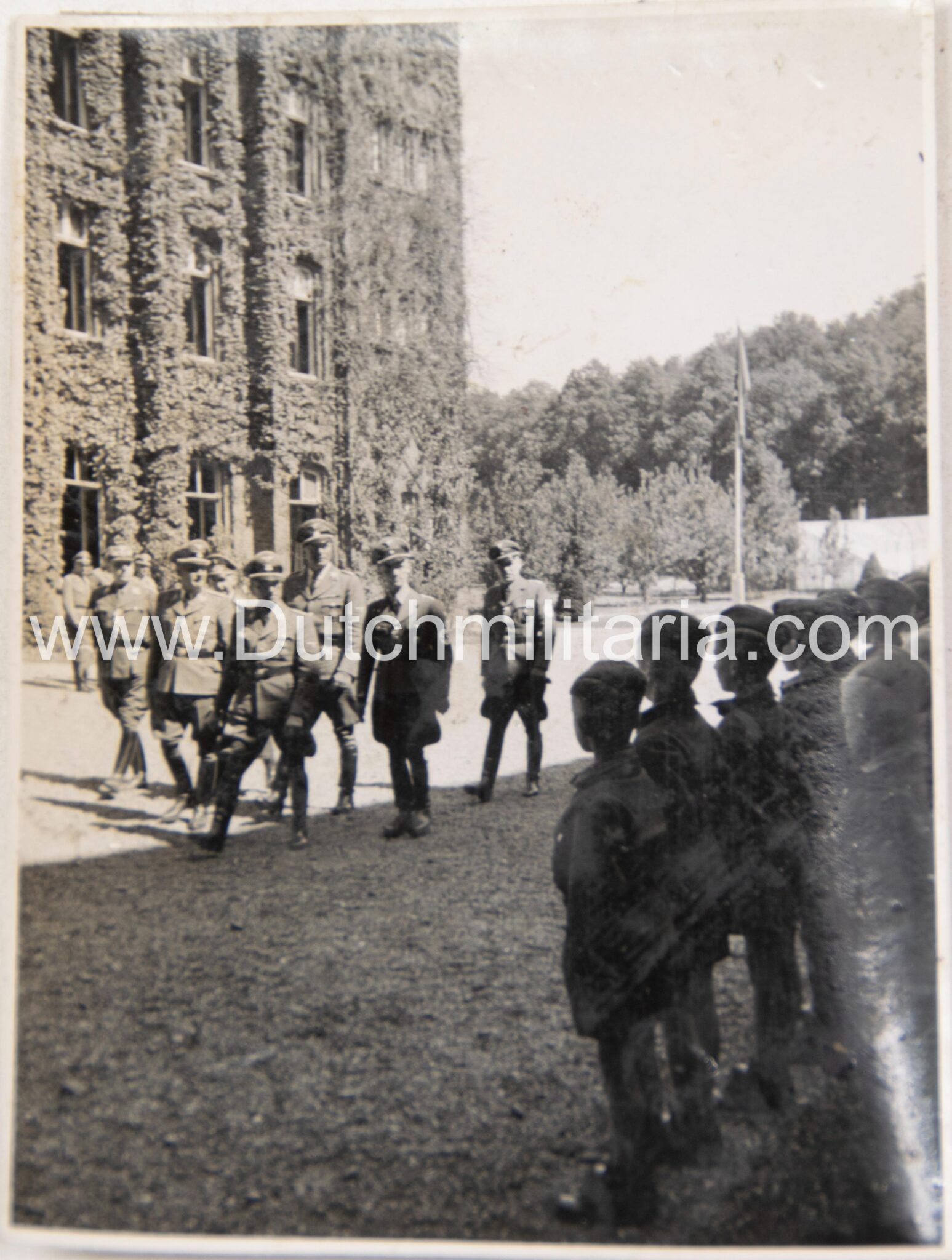
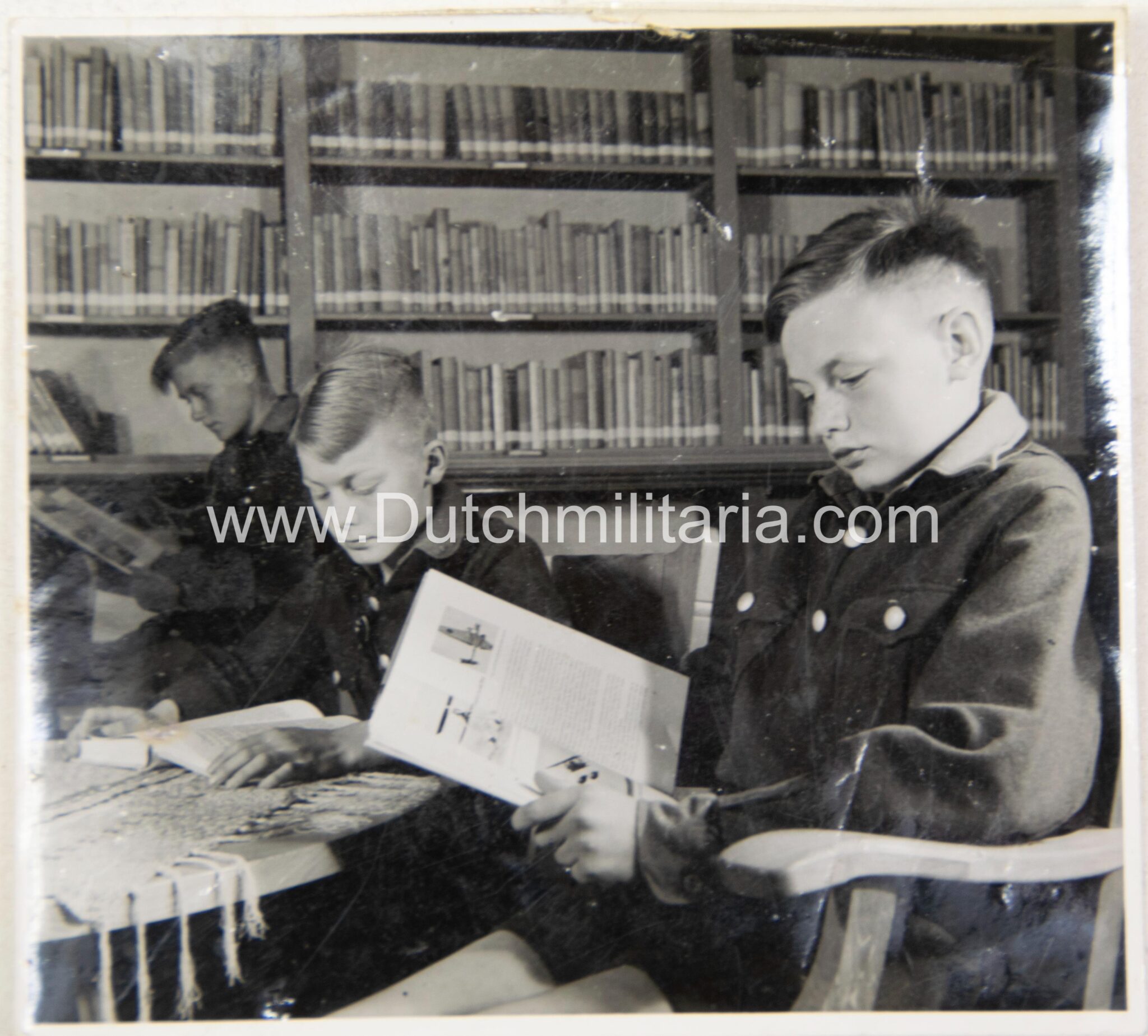
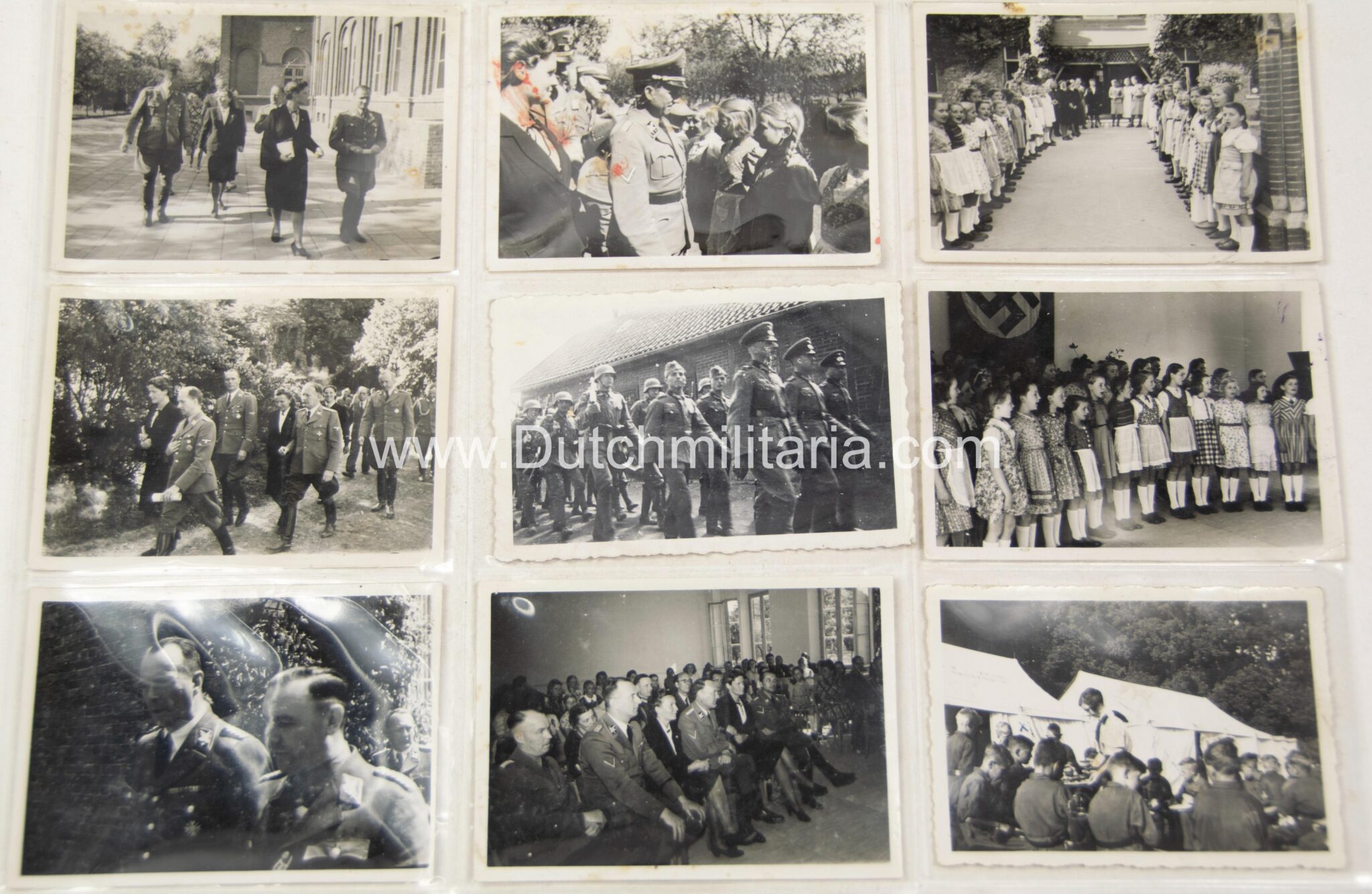
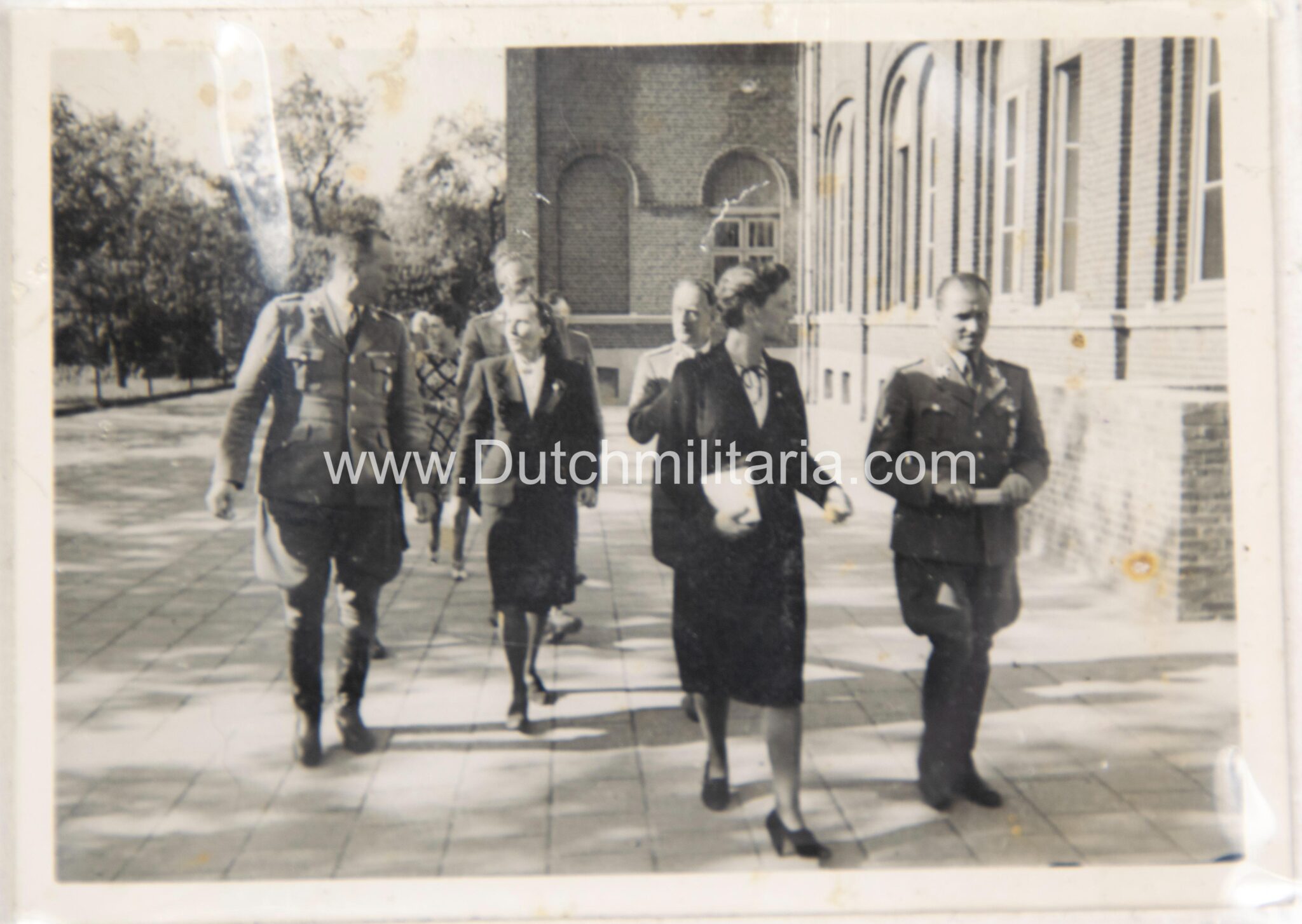
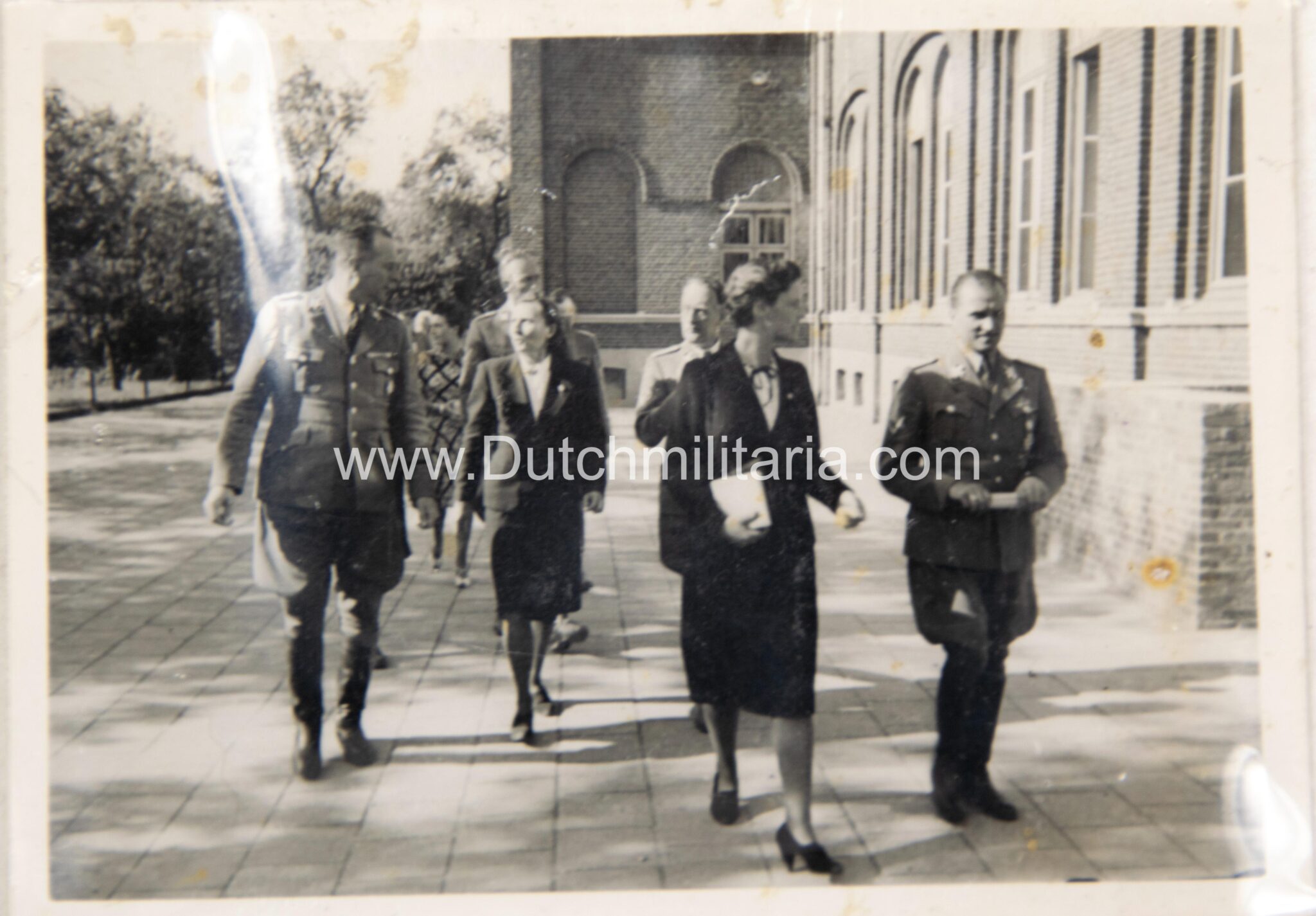
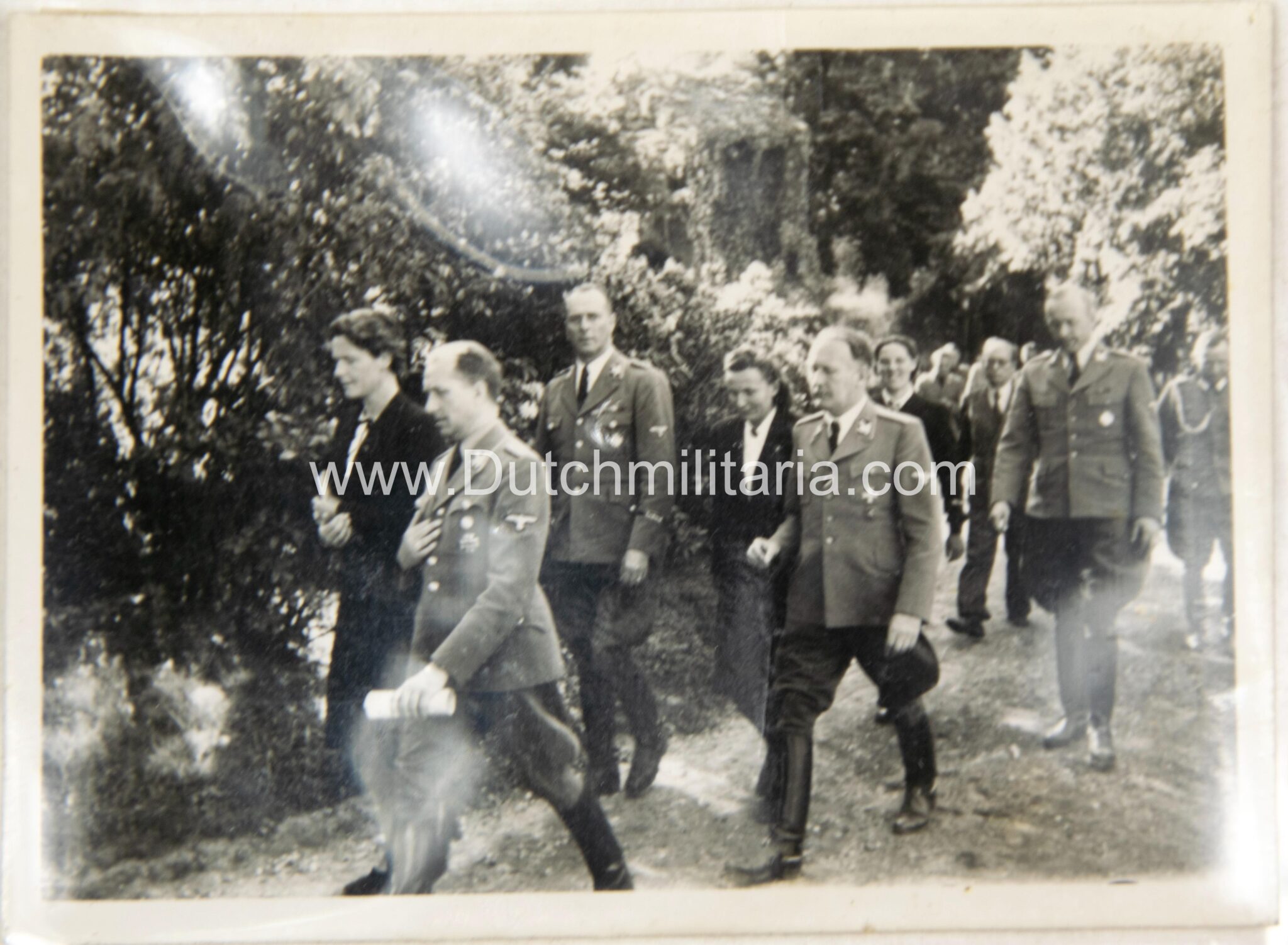
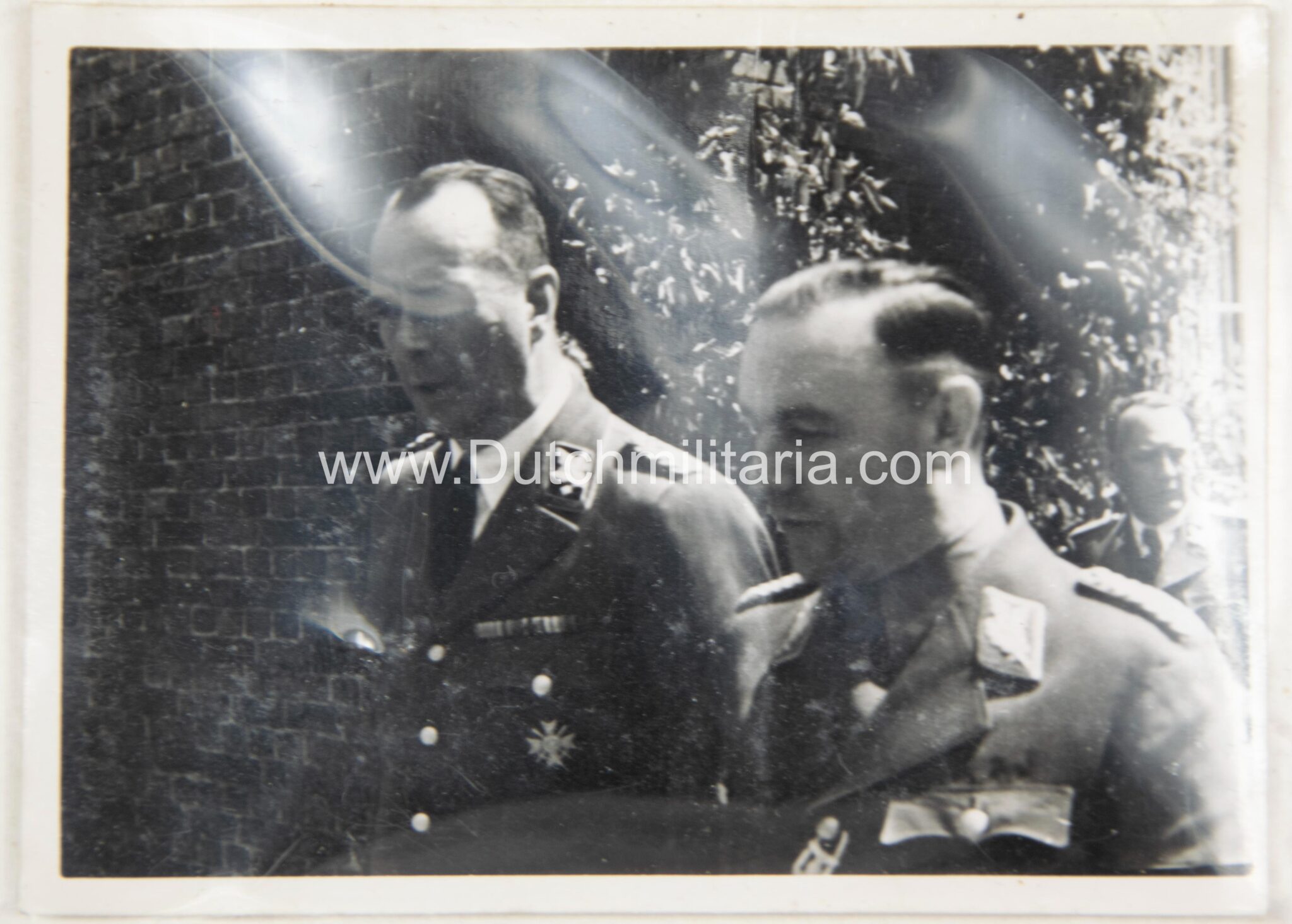
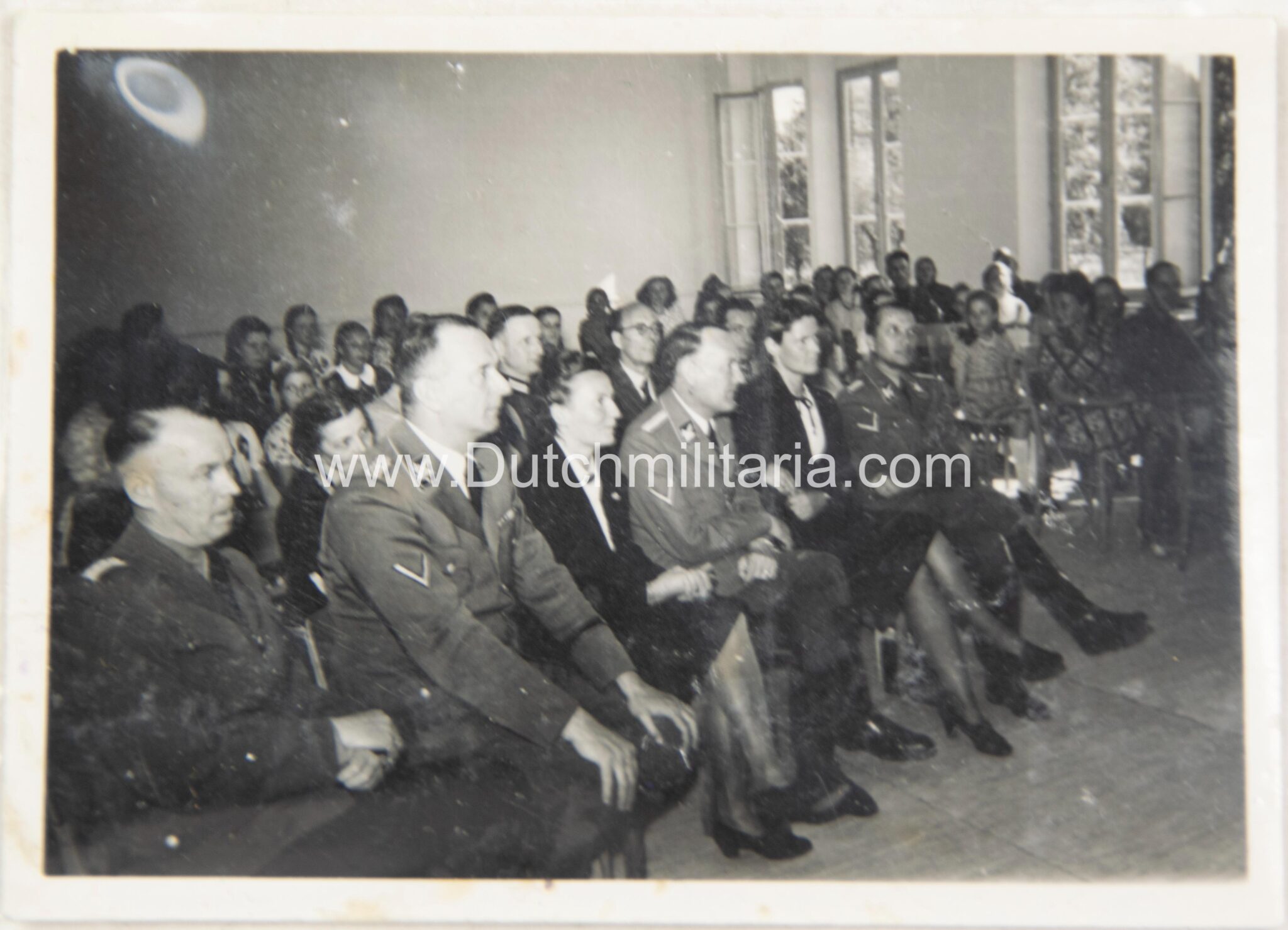
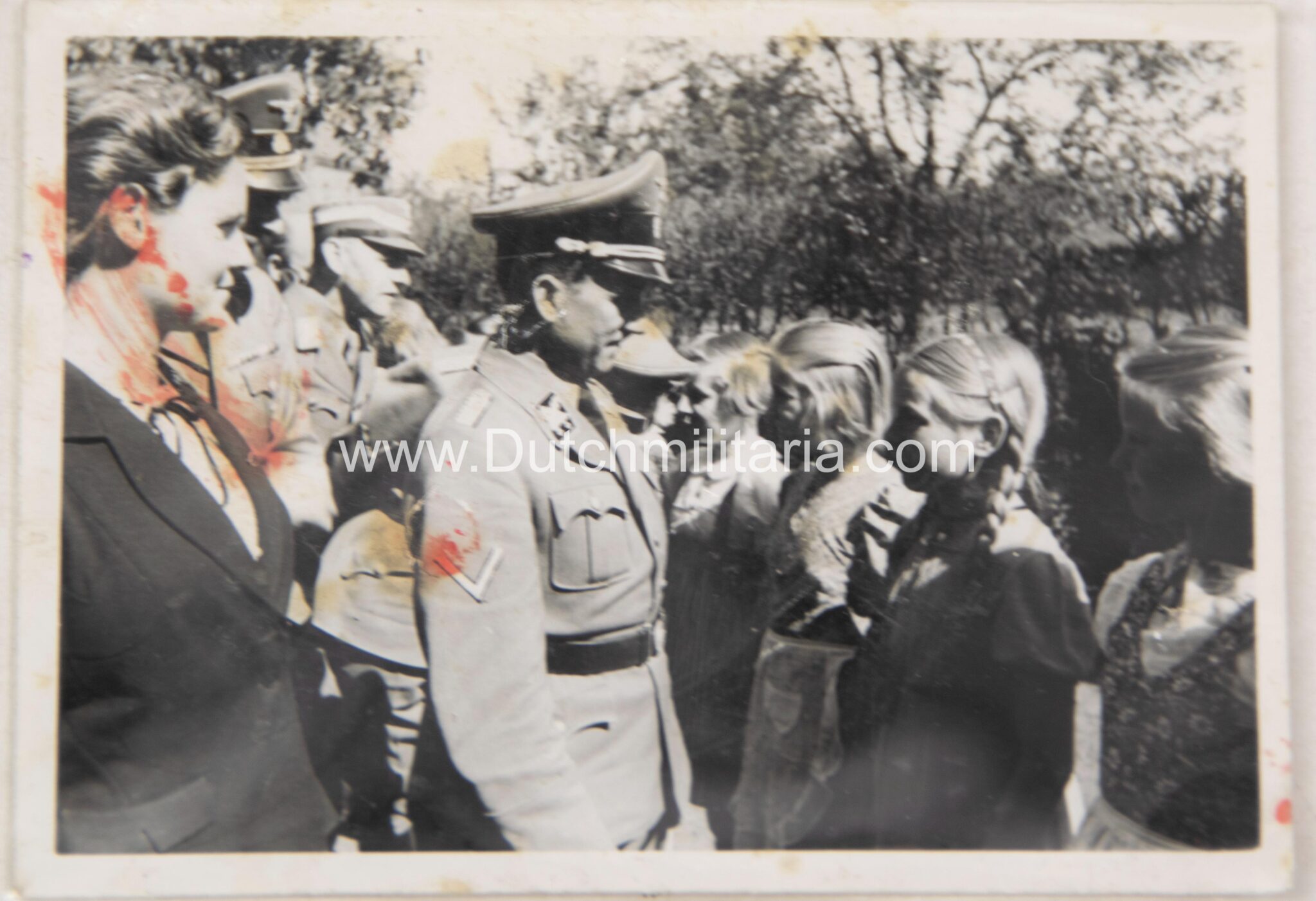
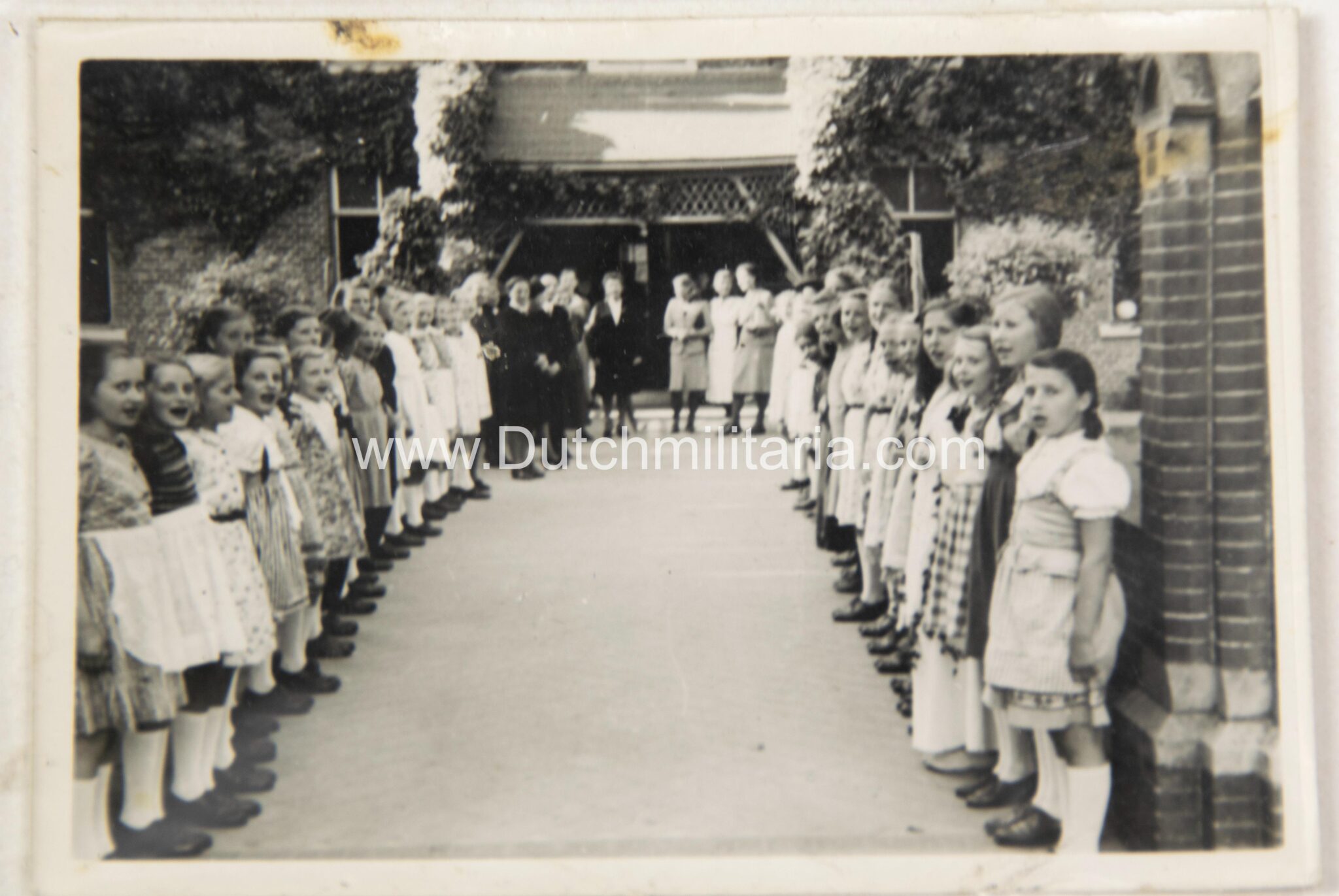
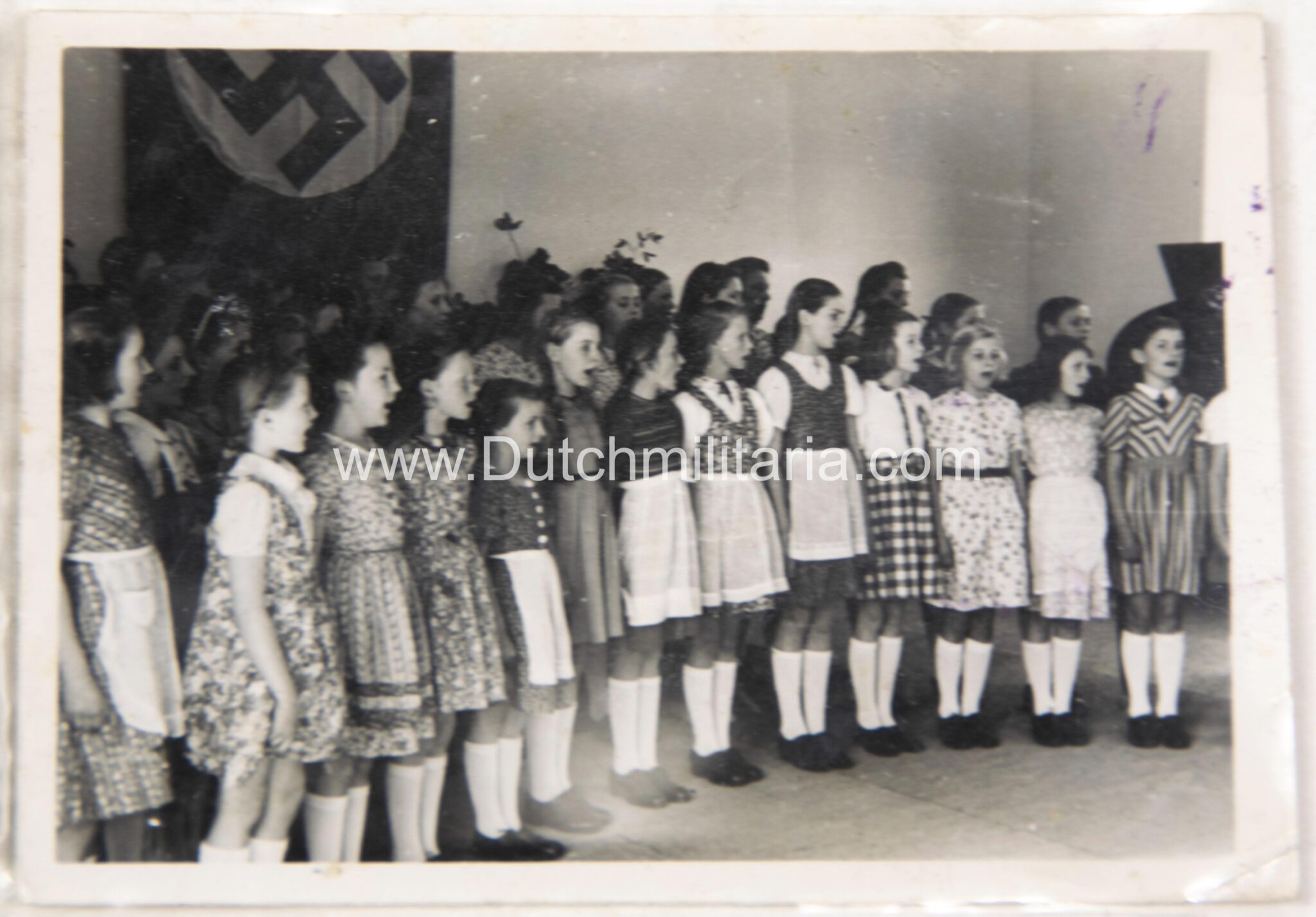
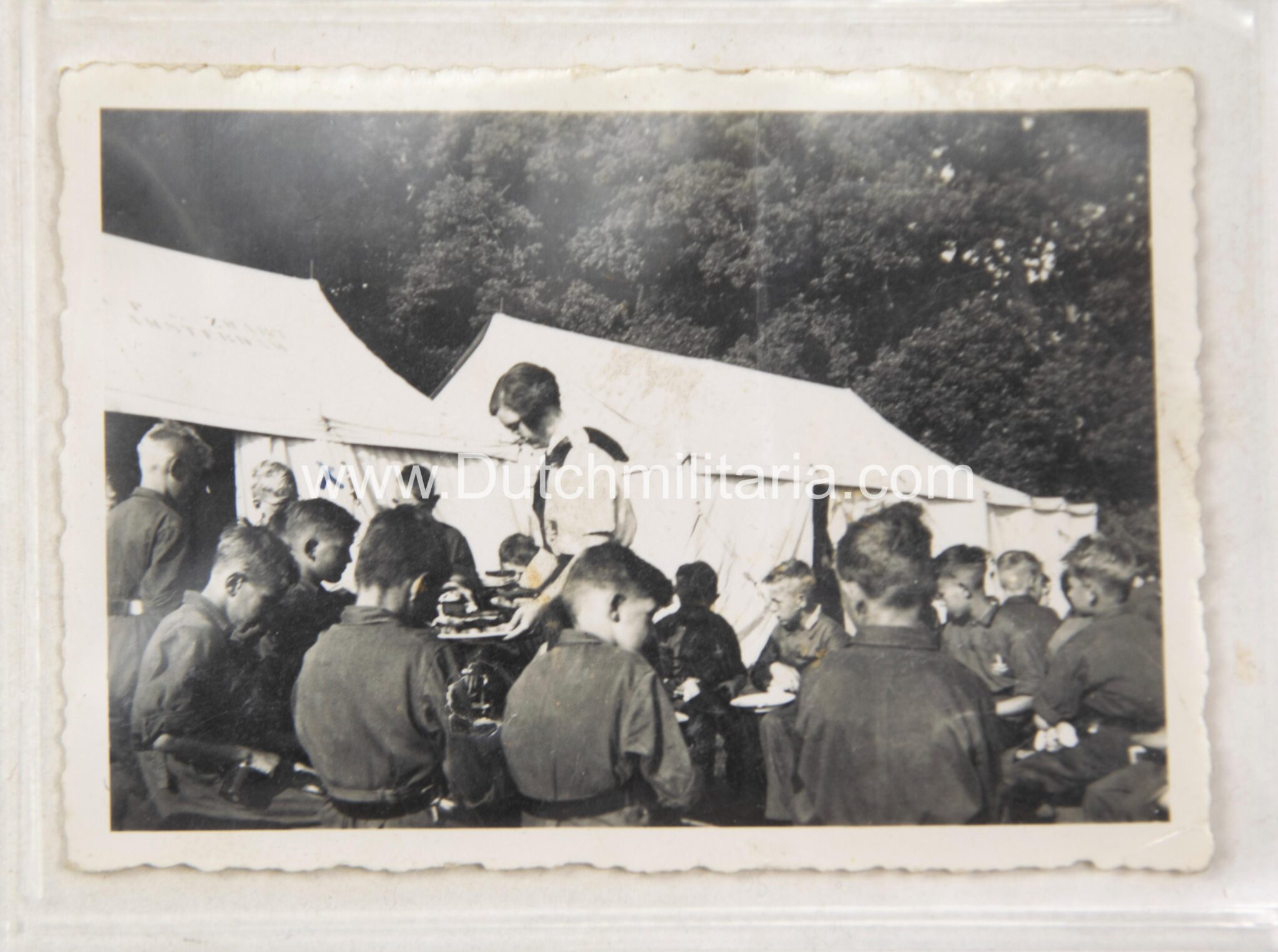
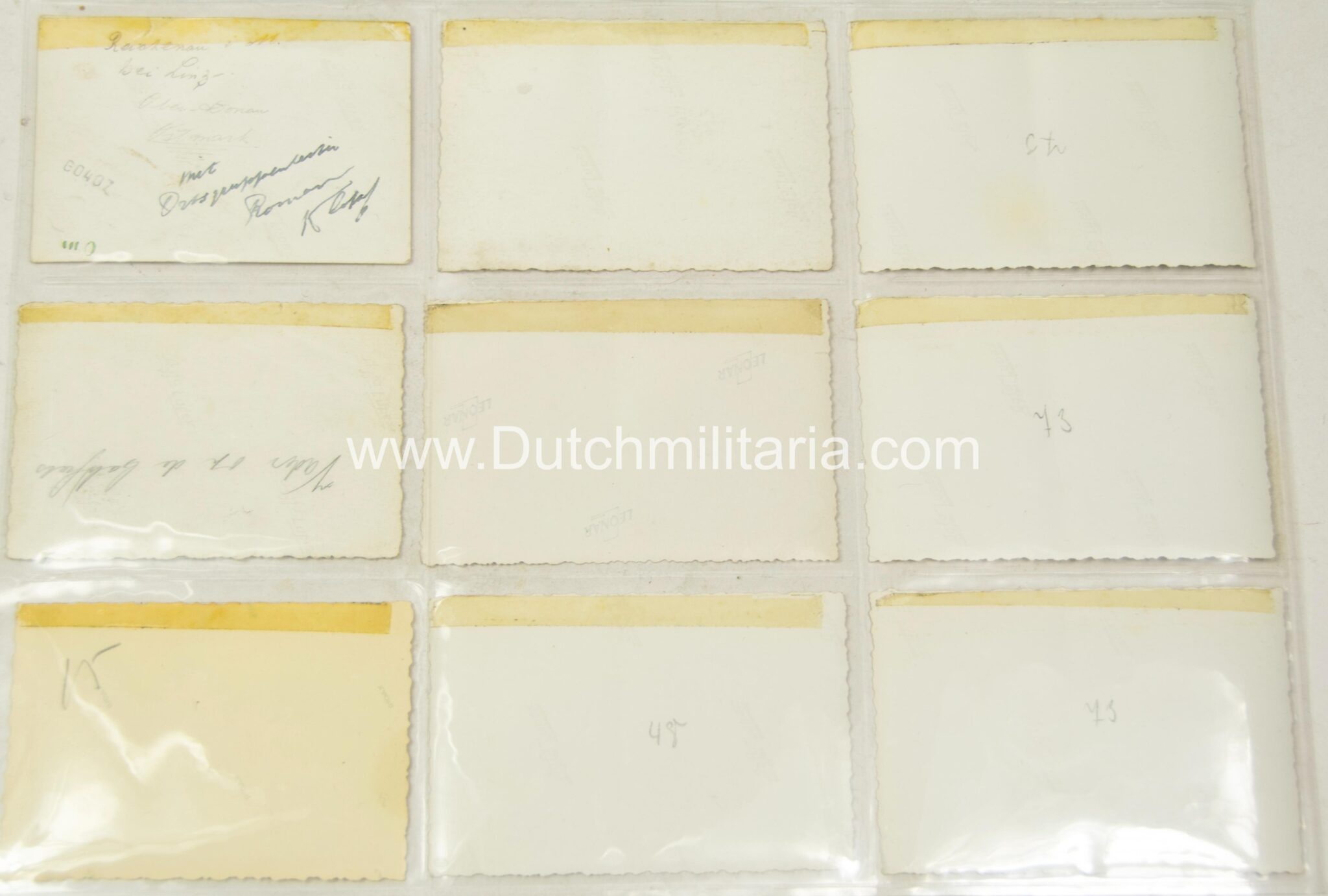
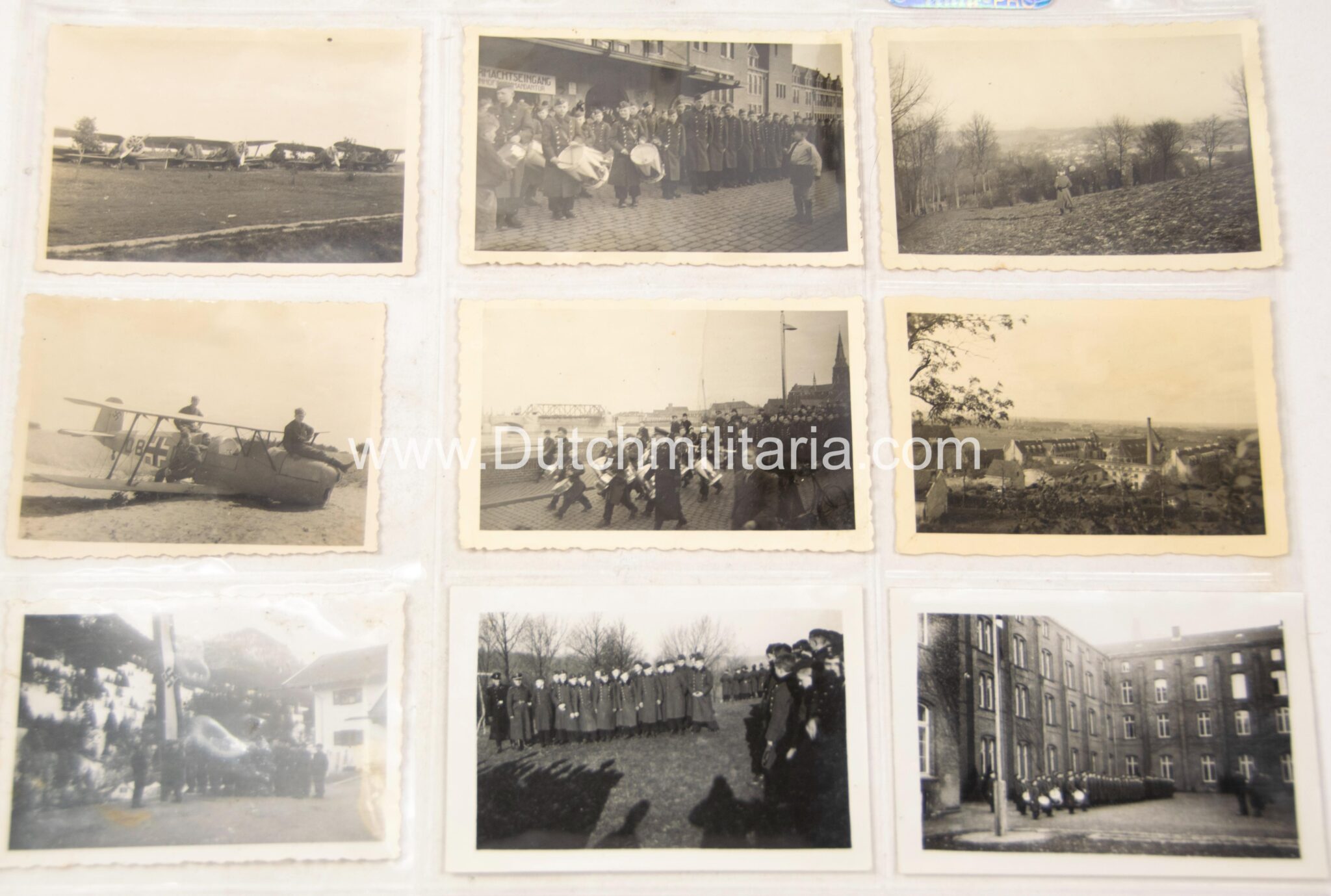
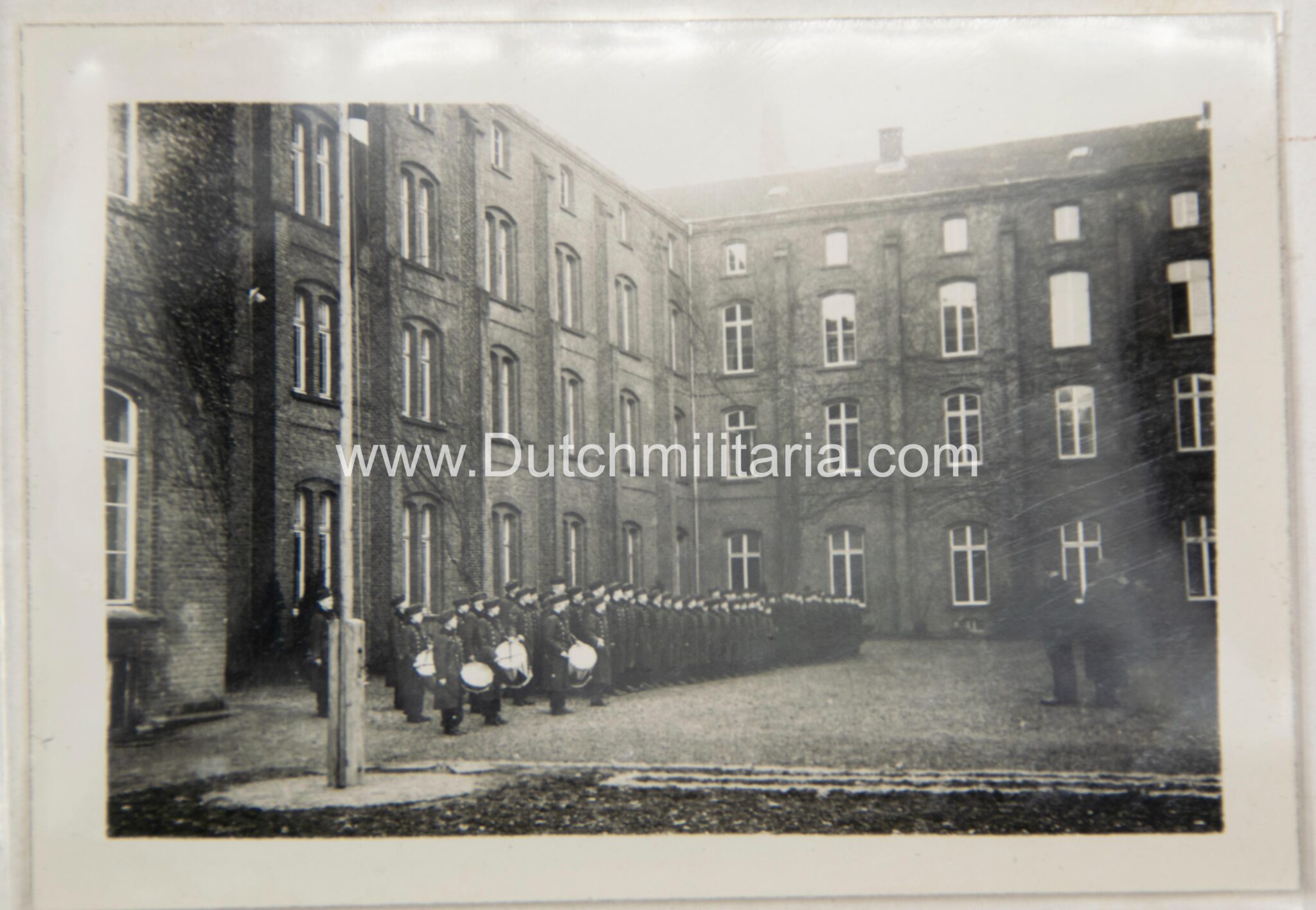
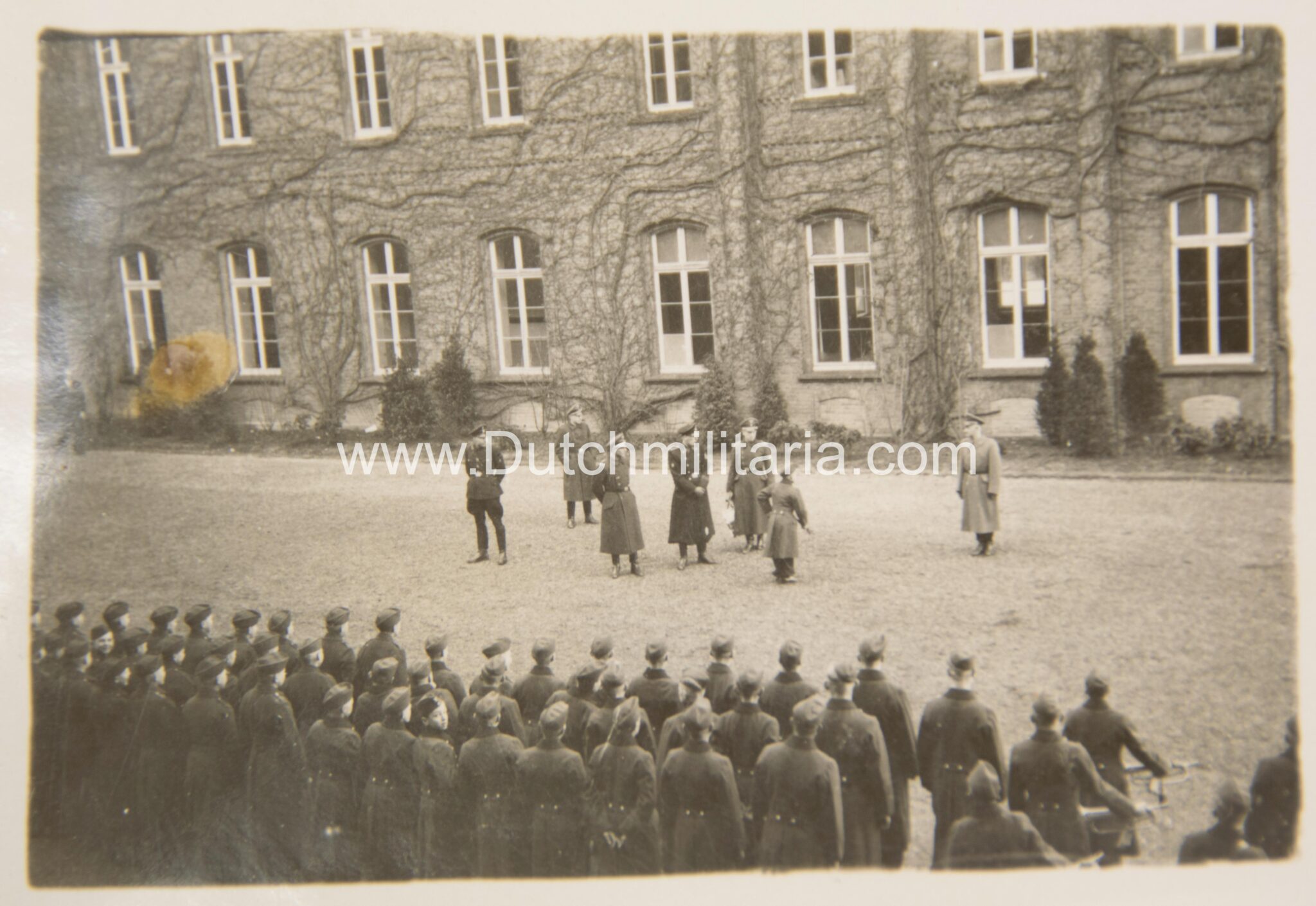
B. A large grouping of no less than 48 together belonging pressphoto’s of the Reichsschule Valkenburg. All are size 11 x 9 centimeters and all are stamped on the back with a stamp of the official wartime Photo Archive of the dutch “Volksche Werkgemeenschap”. These photos are ultra rare to find. I’ve seen in the past in all my years of collecting maybe a handfull of these photo’s sell seperately for 150-200 euro, several good ones even more PER PIECE. Included here in this lot of 48 are also the most desirable ones, being of the boys with the wooden sticks in their belts. Contrary to collectors-myths these were NOT resembling stickgrenades, but were rather used for a different purpose. The Reichschule Valkenburg was besides an educational institute also a phsysical training facility. Boys were on a young age encouraged to get a fighting spirit. For this purpose games were developed. One such game was to give each boy a wooden stick. All boys were then encouraged to “battle” eachother physically. The boy who had the most sticks at the end of the day was then called out to be the winner. PLEASE NOTE: these photo’s are all in good condition. I purposely photographed them badly and blurry, with reflecting light areas, and did purposely NOT put them under a scanner. I deem that all presented images of the photo’s here are good enough to recognise what they are, but want to protect their images to not be stolen by photo copiers. The next owner will recieve all 48 photo’s as part of this collection in good condition and i guarantee all are crystal sharp in hand. This lot alone is worth to be published in a future book as a whole. This is an instant photocollection on itself and the largest of this subject to my knowledge.
The “Volksche Werkgemeenschap” was a National Socialist organization that, during the German occupation of the Netherlands (founded on September 2, 1940), attempted to demonstrate that the Dutch and Germans belonged to the same “Germanic race.” Although the organization presented itself externally as a neutral institution for culture and history, it was in fact an extension of the SS. The organisation was instituted by Henk Feldmeyer, the leader of the Dutch/Germanic SS in the Netherlands, and was closely connected to the Ahnenerbe, the scientific organisation of the SS. Activities included mainly research which was conducted into folklore, kinship studies (genealogical research), local history, and archaeology to find “evidence” of a shared Greater Germanic past. Finding anything of the Volksche Werkschap is rare, also here in the Netherlands.
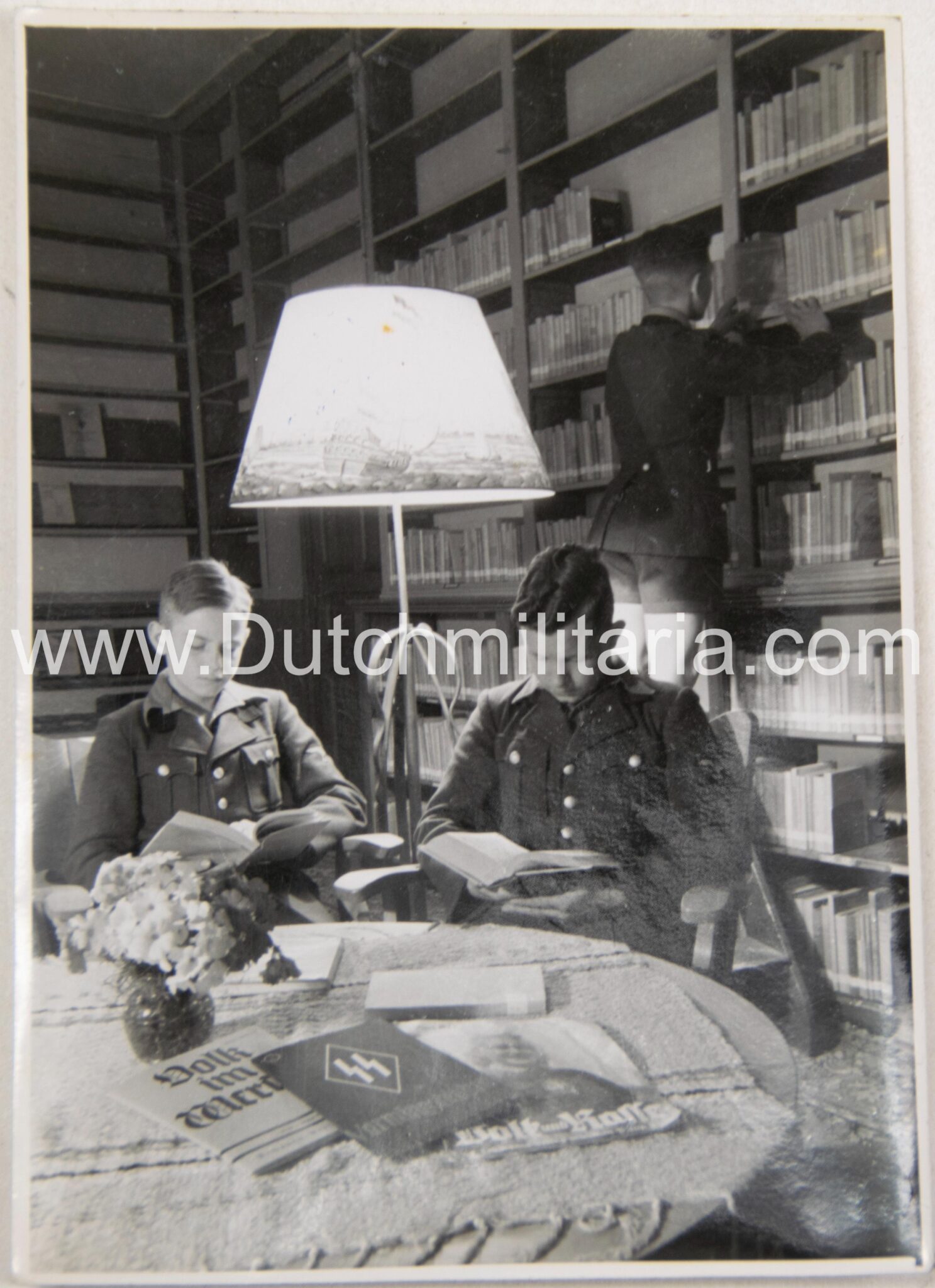
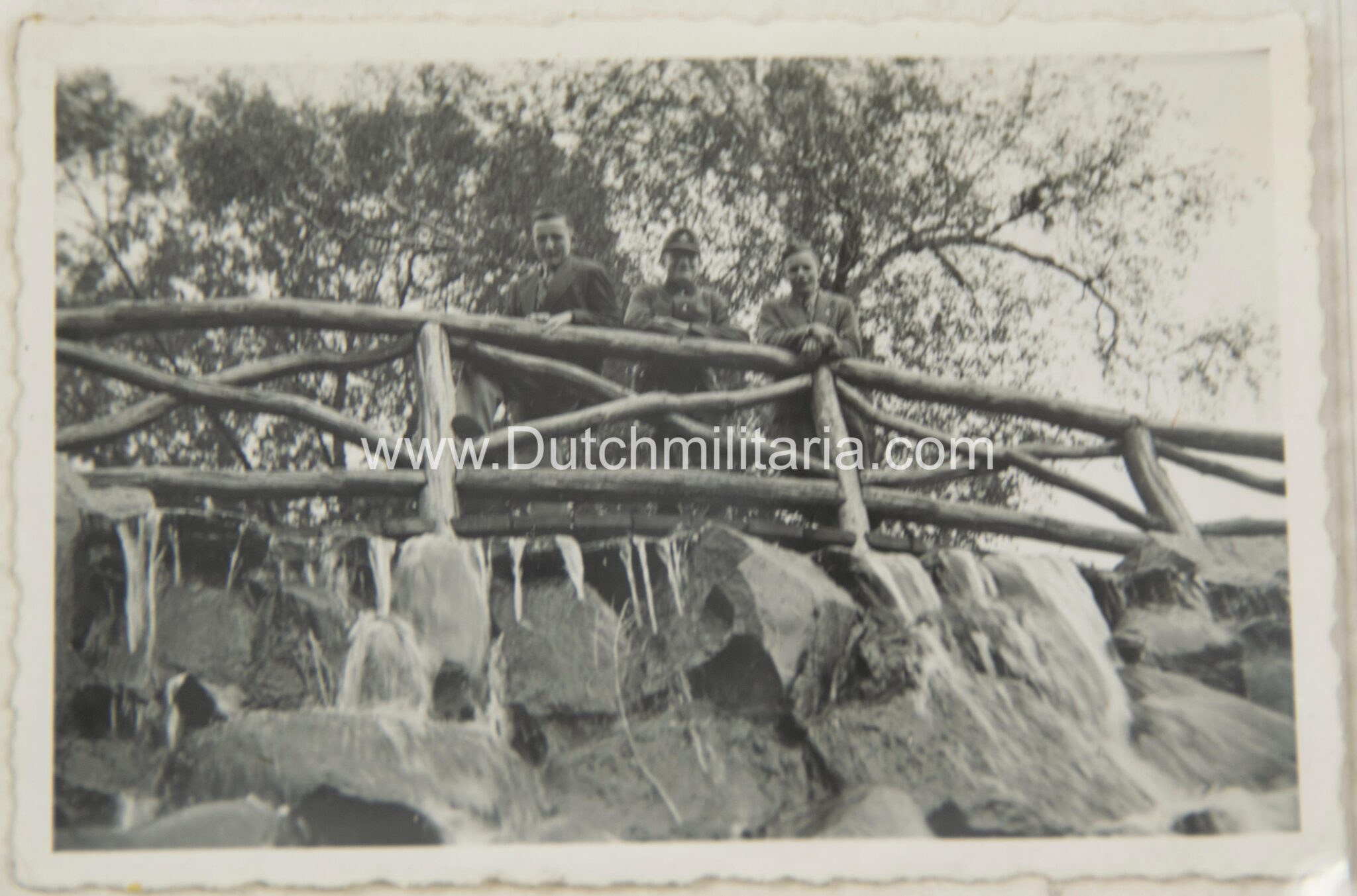
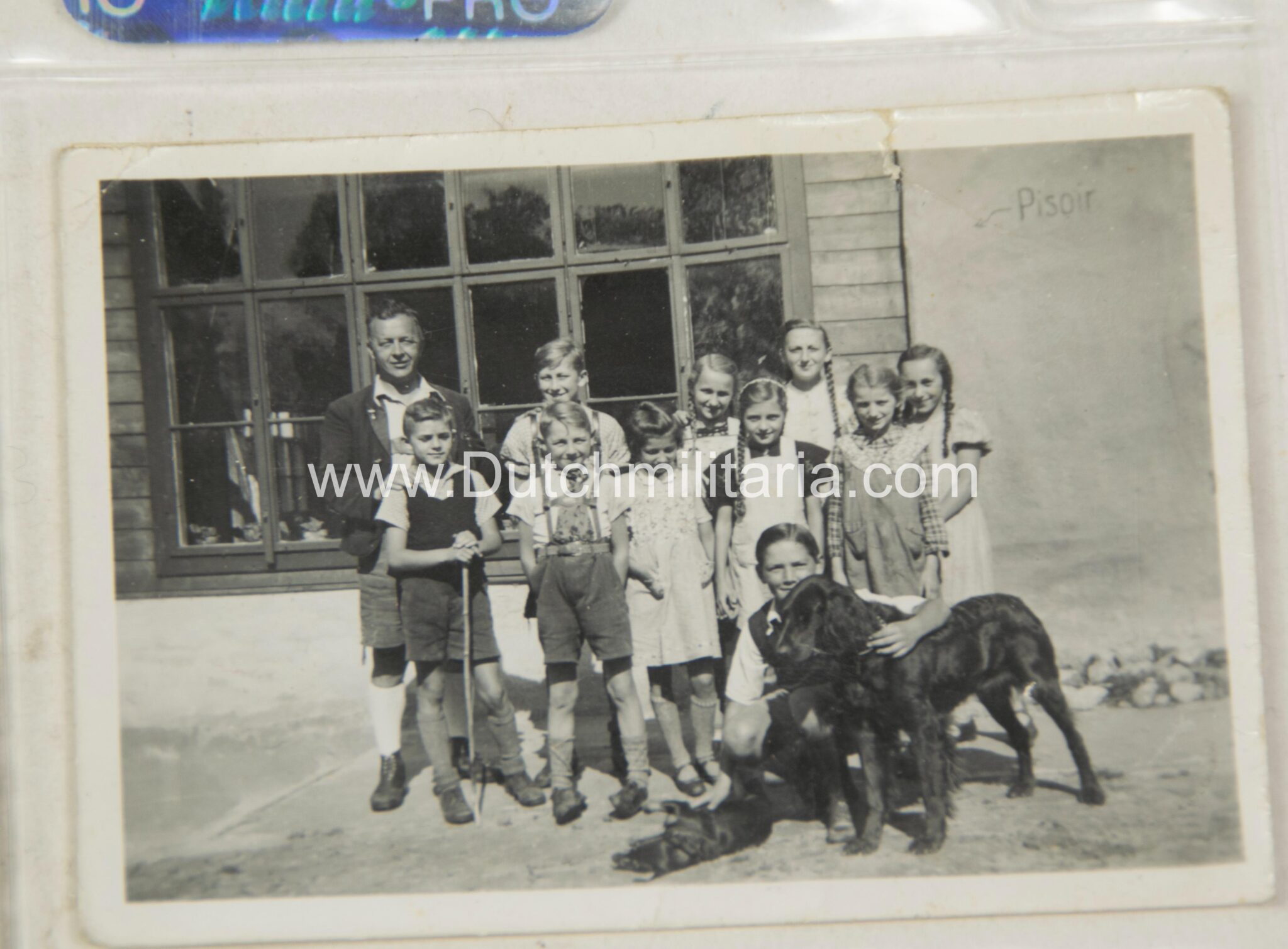
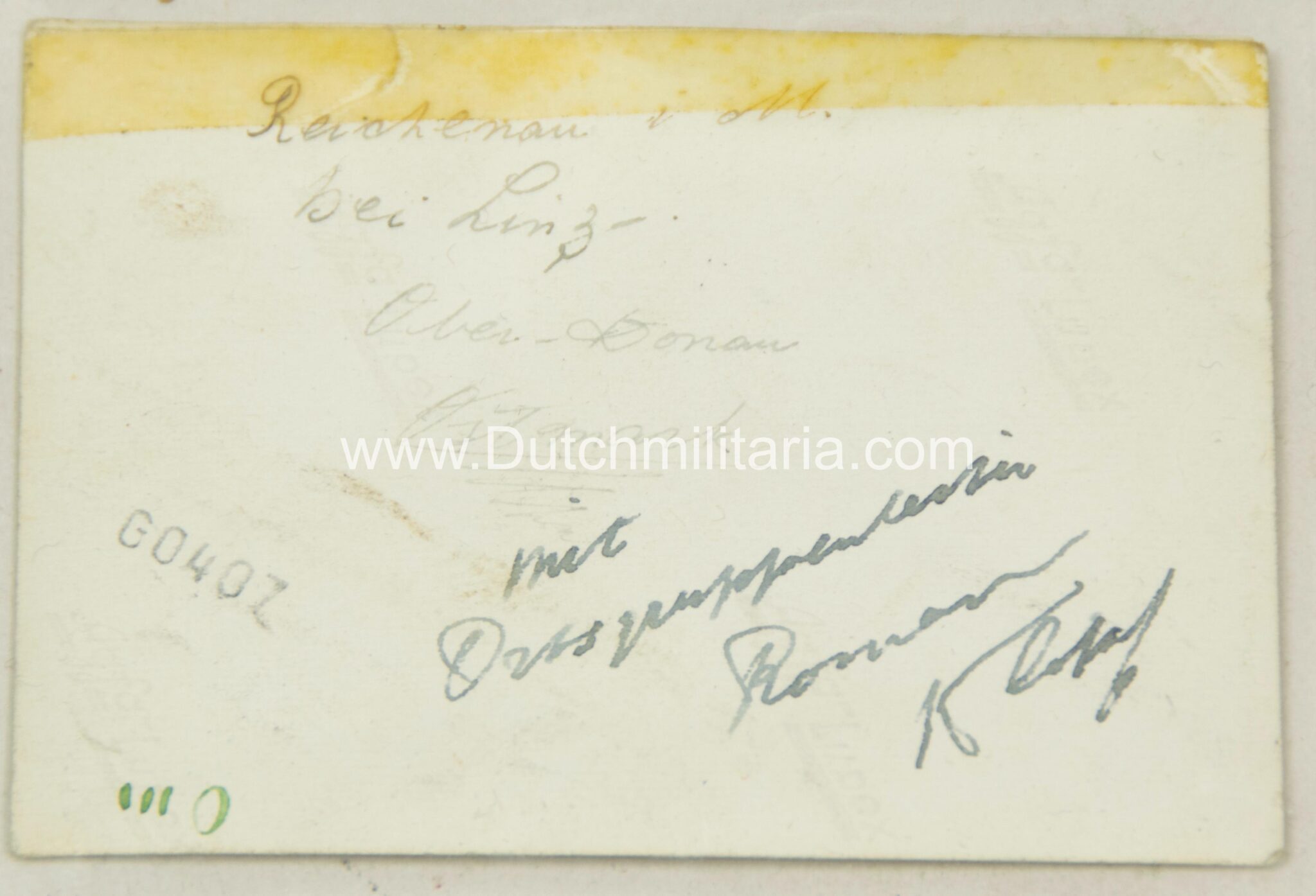
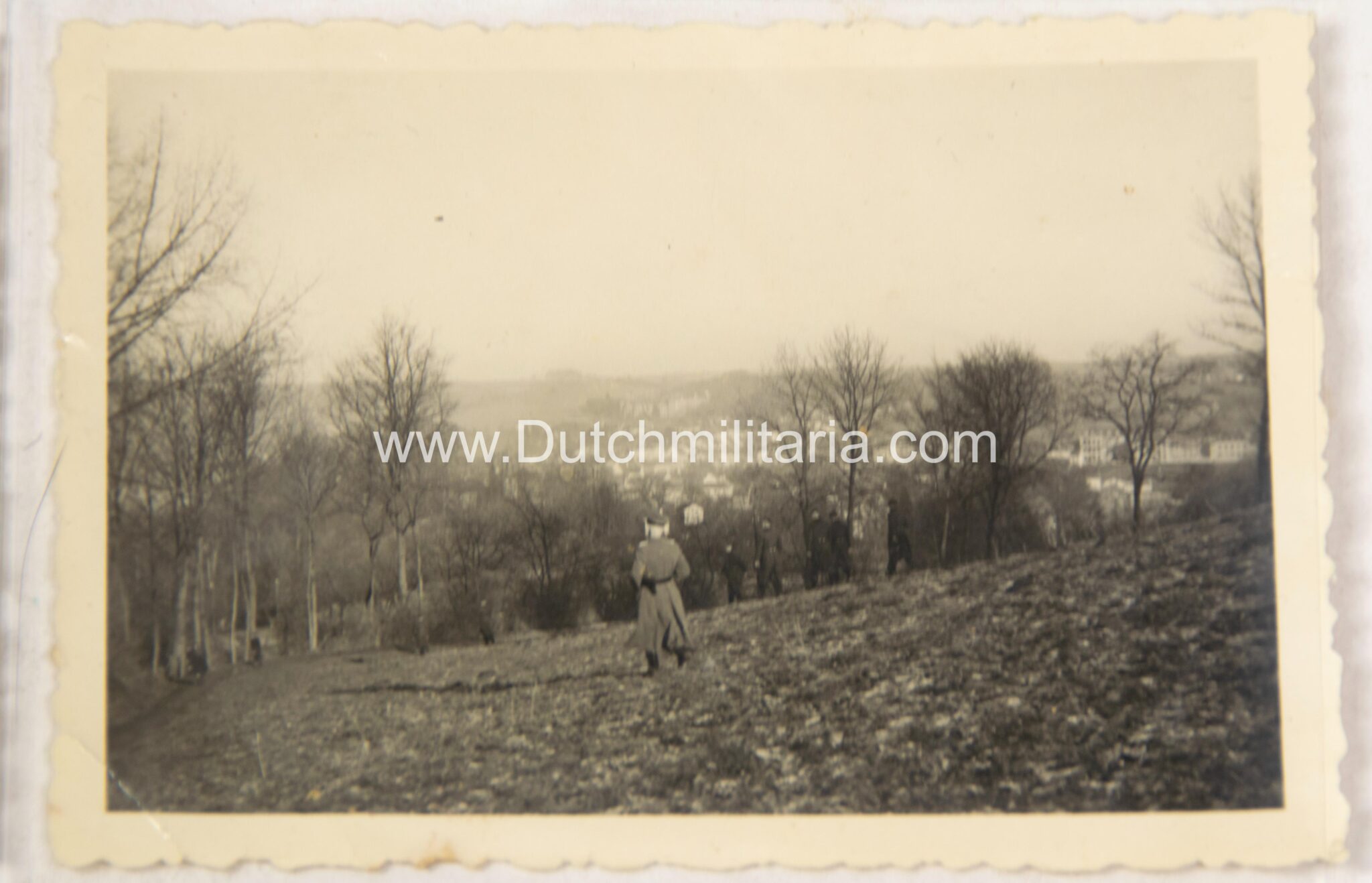
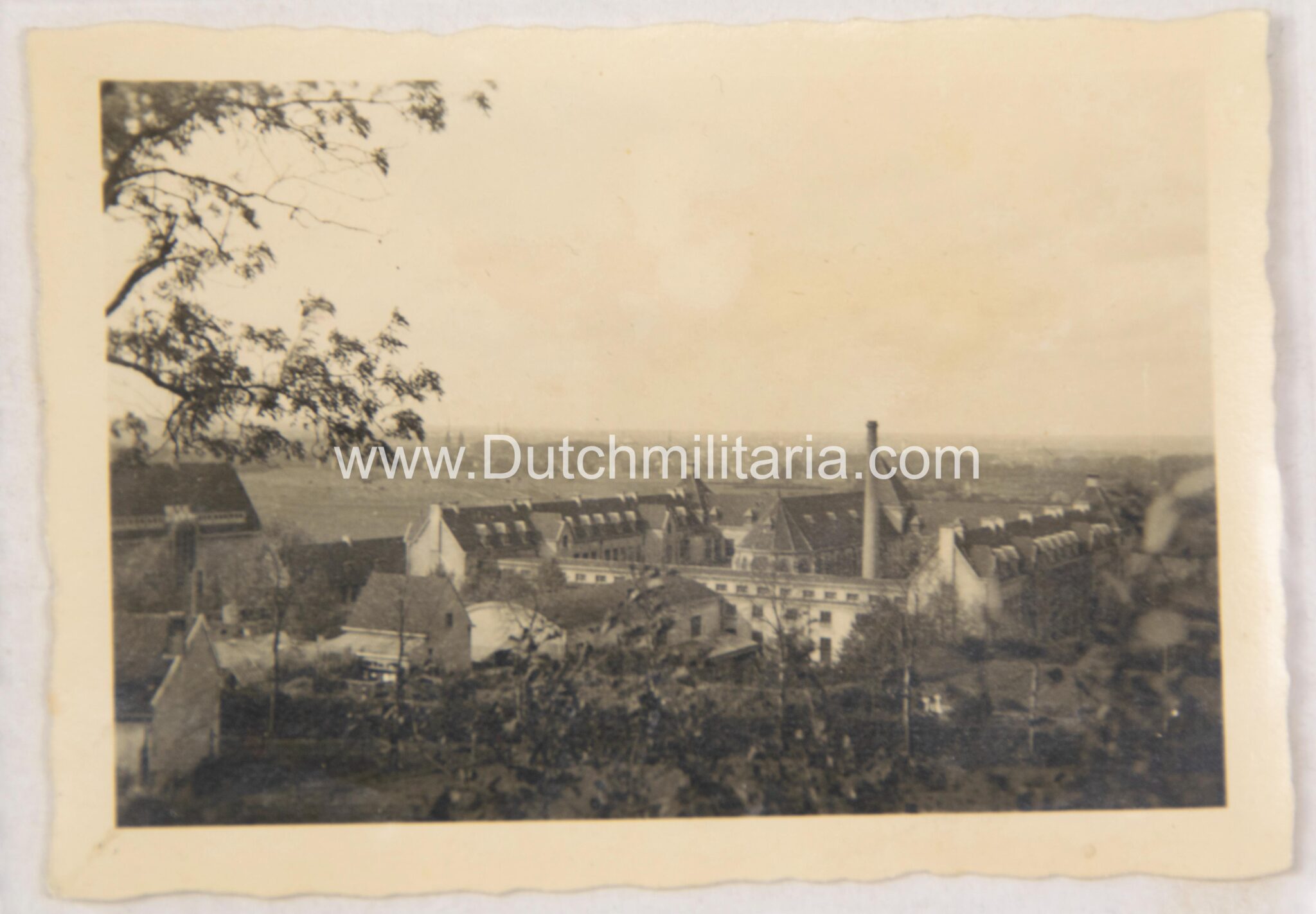
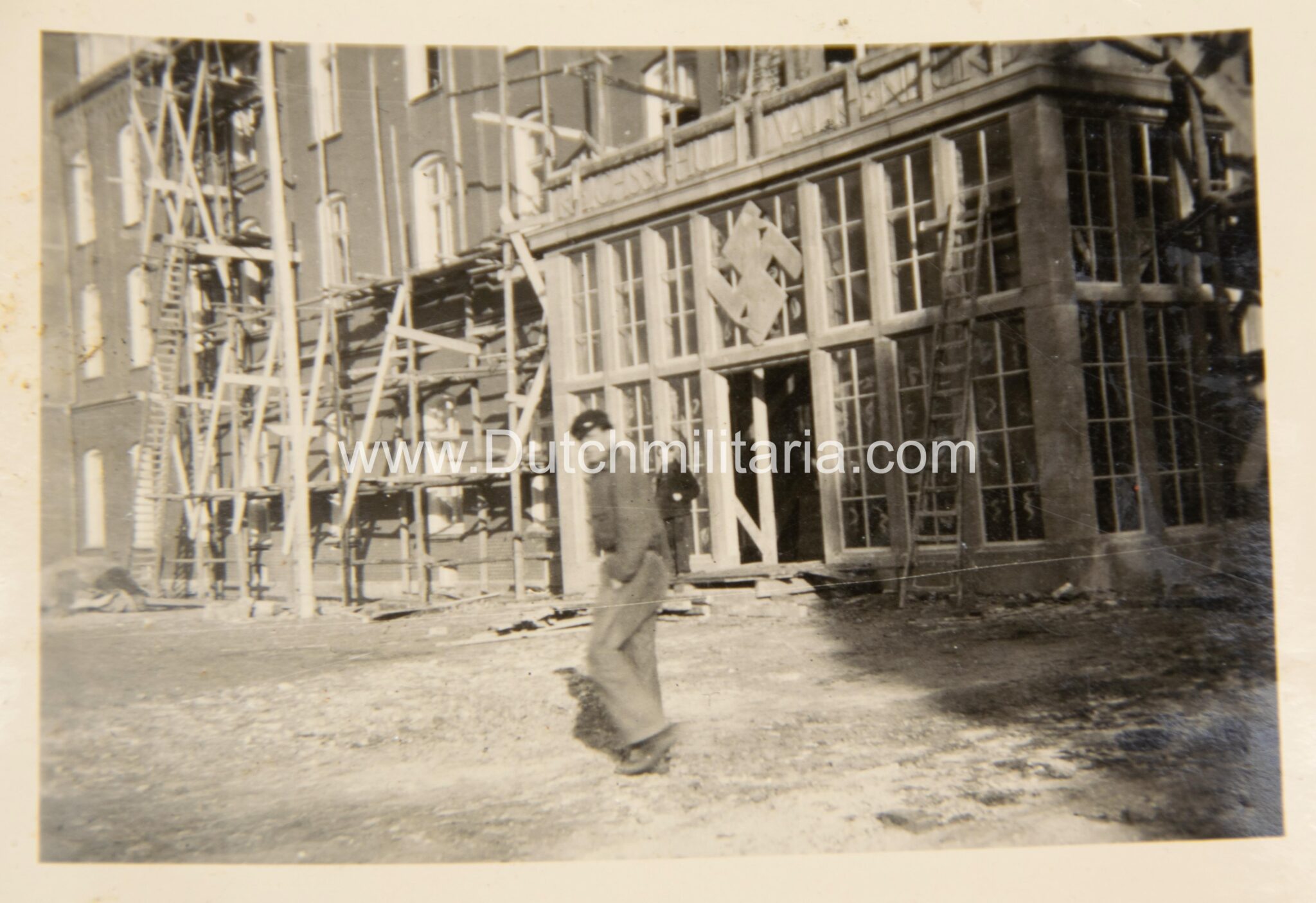
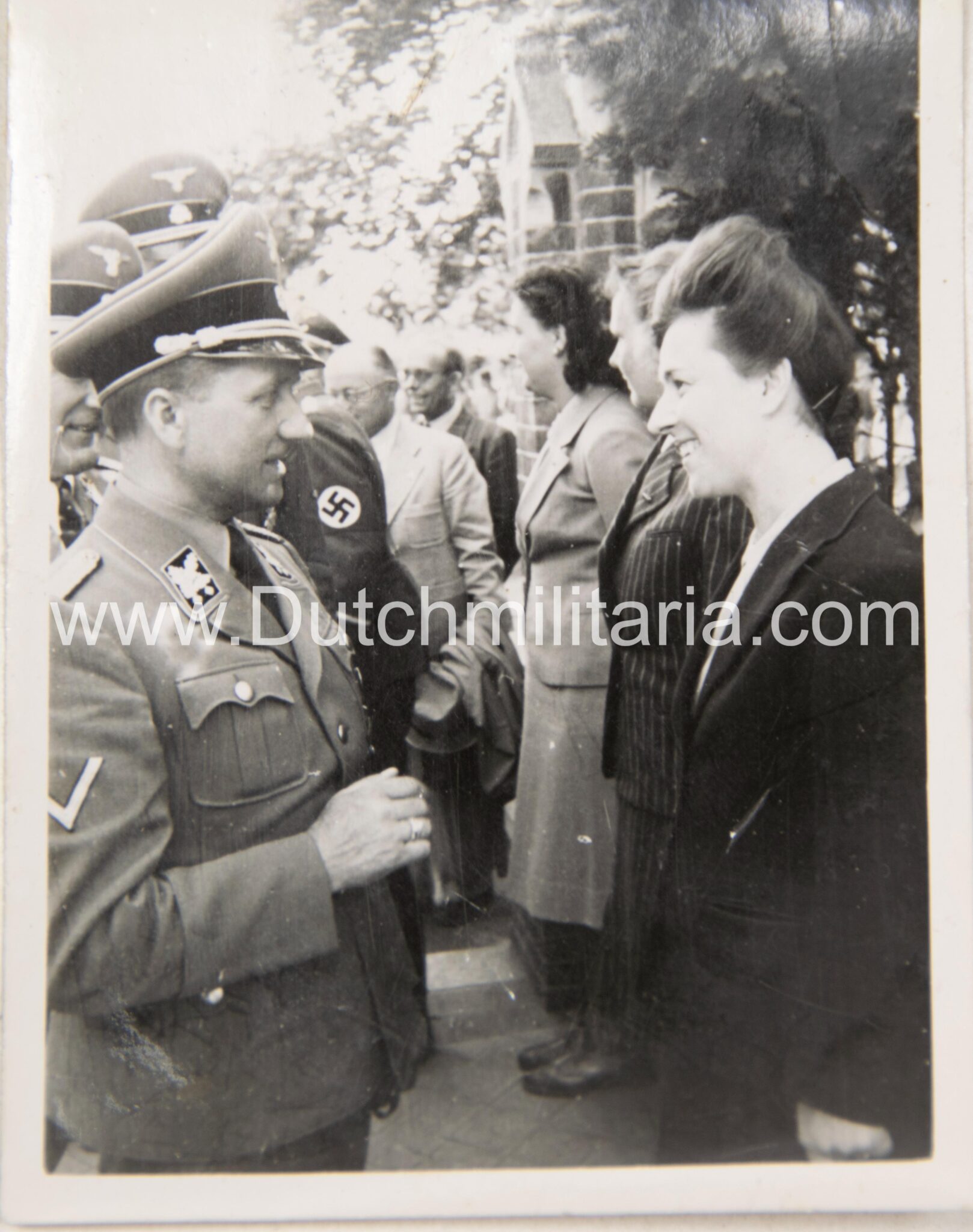
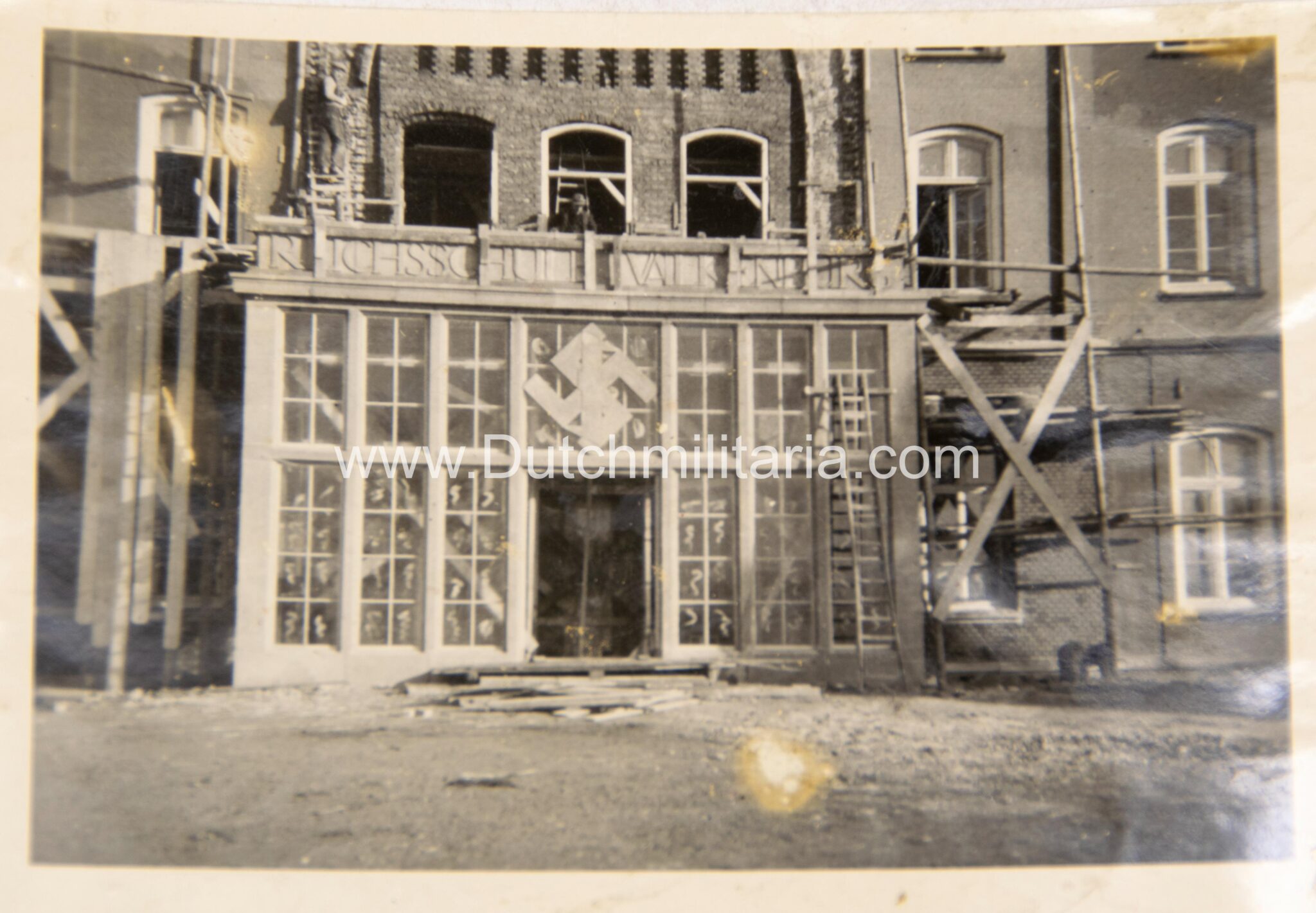
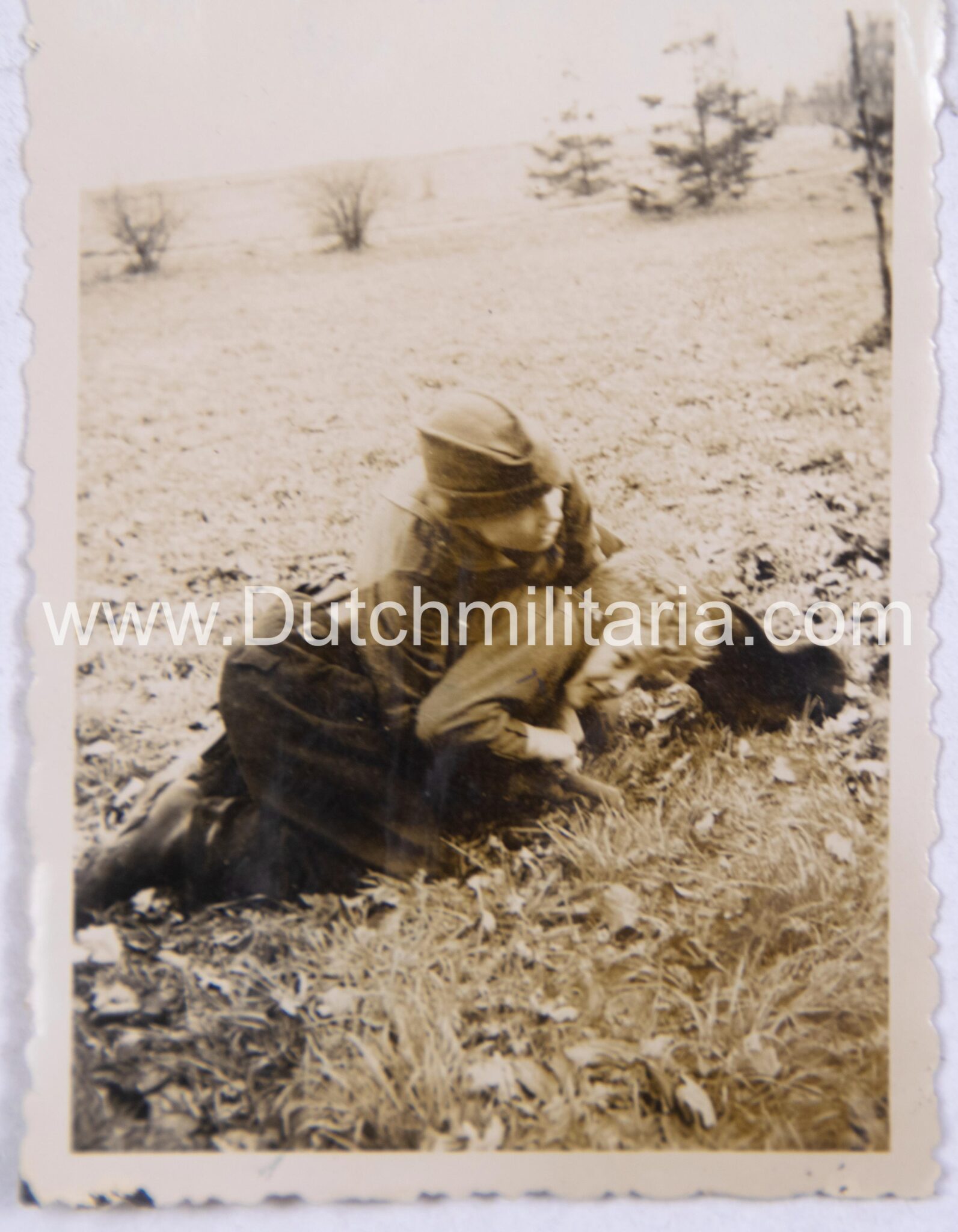
C. A lot of approximately 35 private photos in different sizes and coming from different sources. All appear to have been collected seperately. Similar to the above Volksche Werkgemeenschap photo’s i photographed these on purpose a bit blurry and behind their plastic covers. There are privat snapshots of the building (entrance) of the famous Reichsschule Valkenburg main entrance, but also several of the Reichsschule for girls in Heythuysen. Particularly interesting and very rare is that female leader Julia op ten Noort is on some photo’s. Photo’s of her are incredibly rare to find.
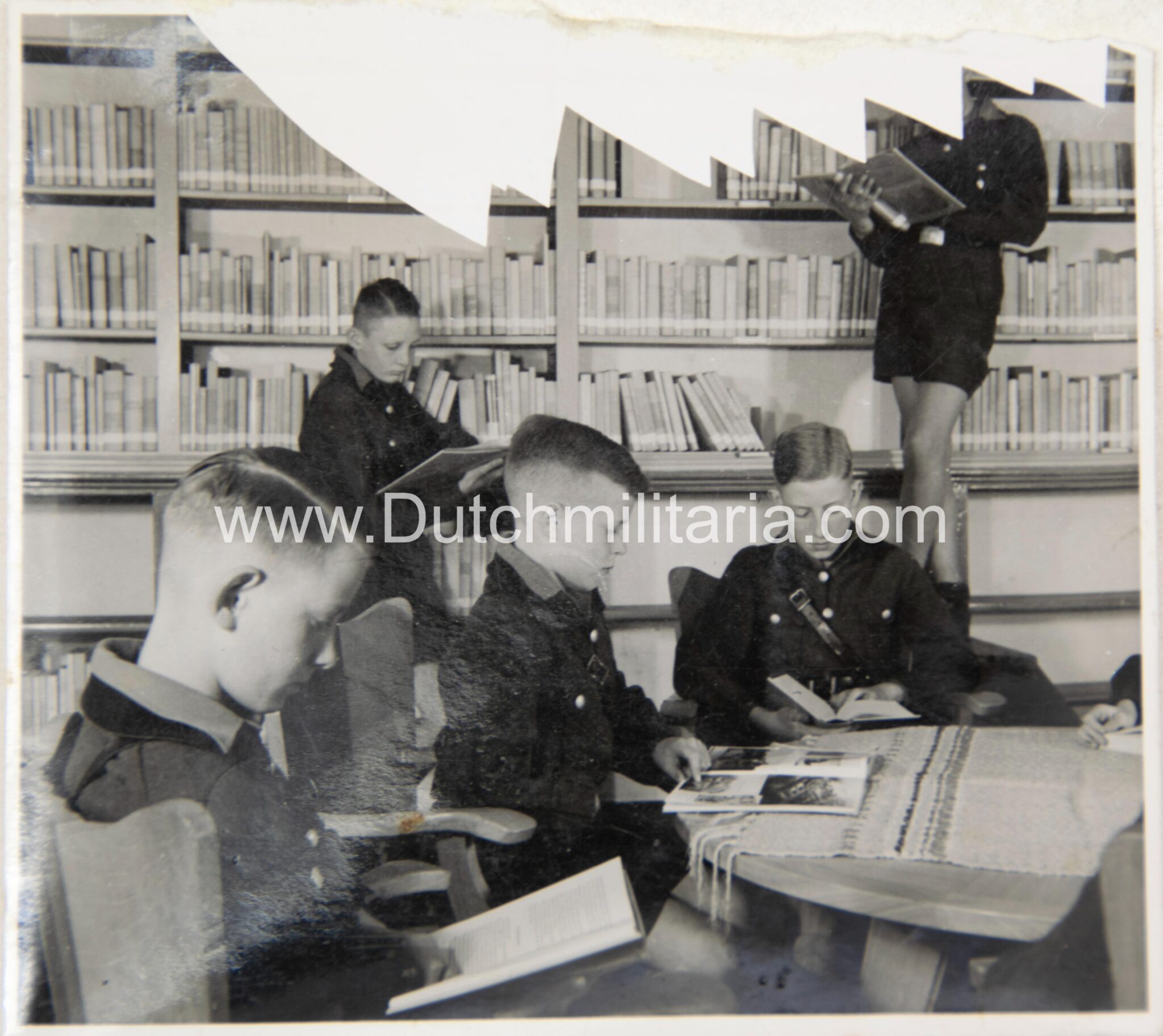
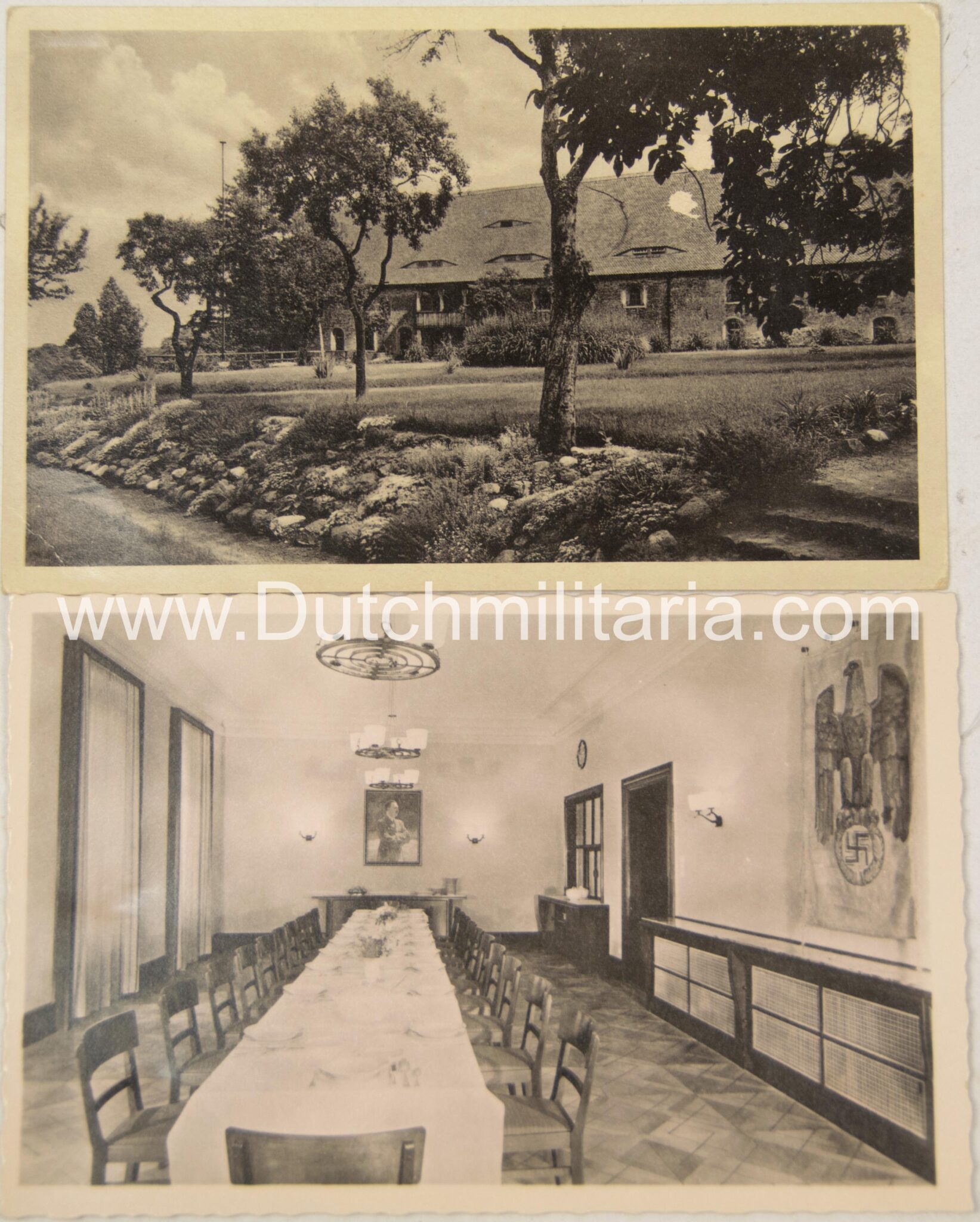
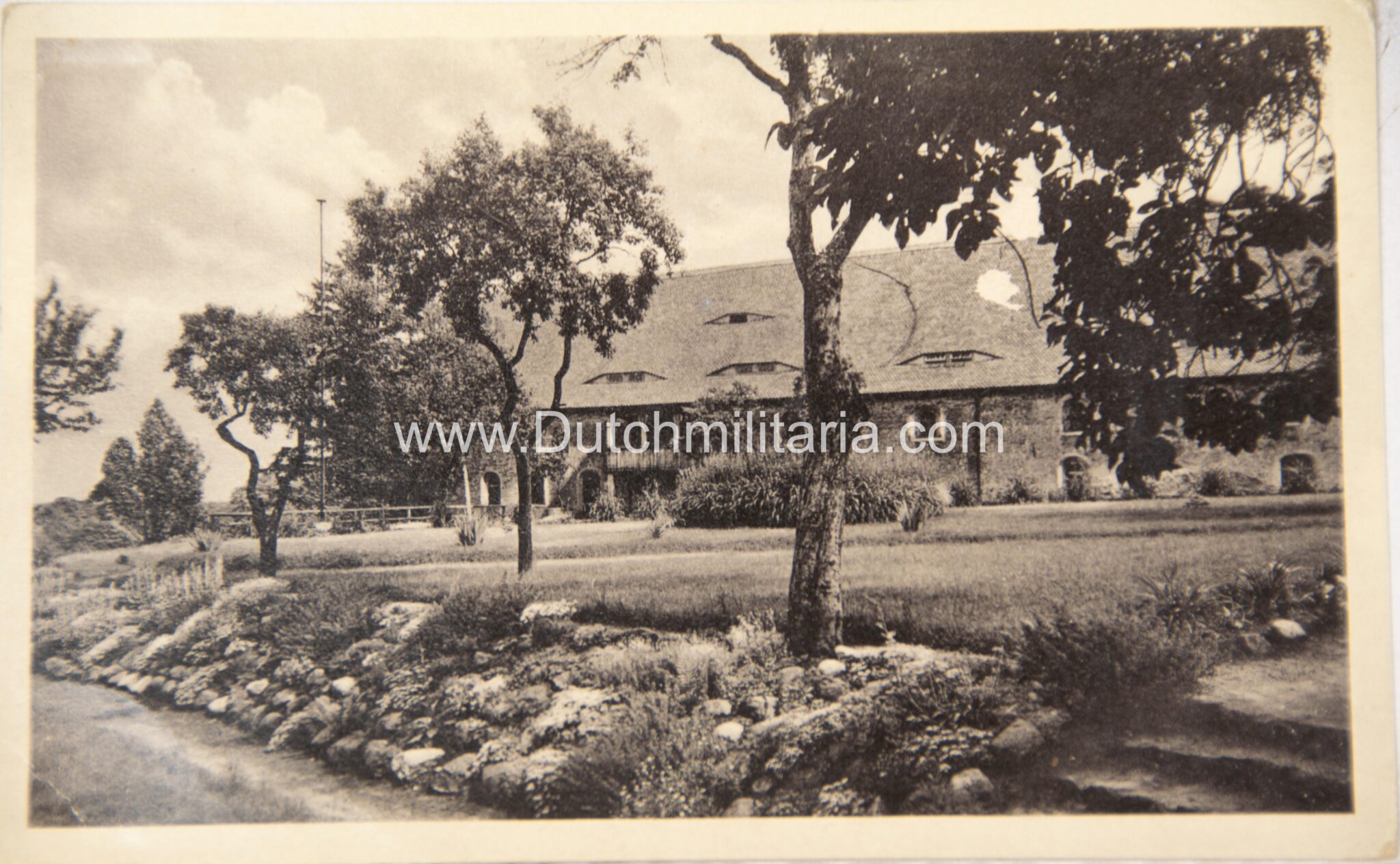
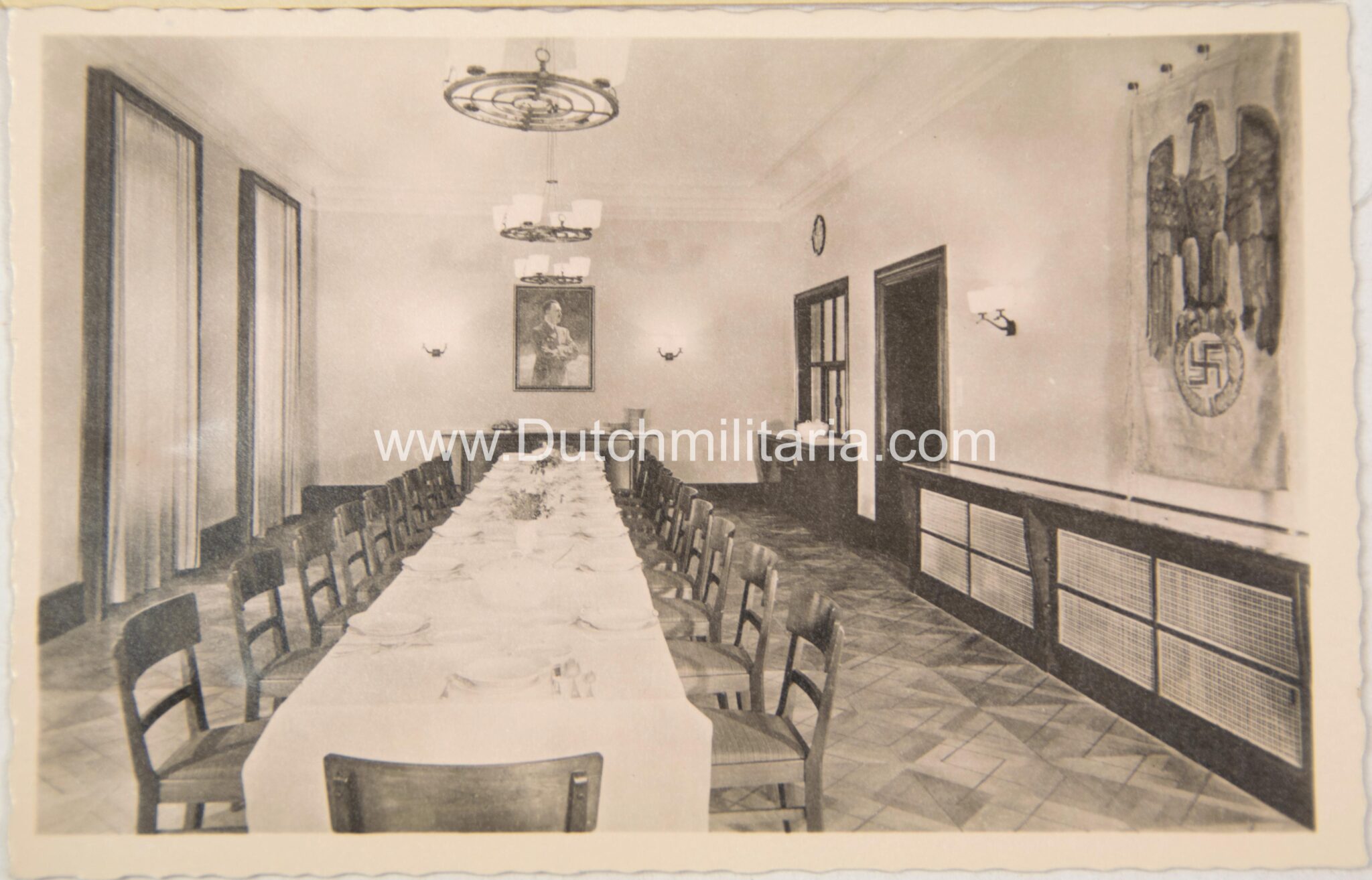
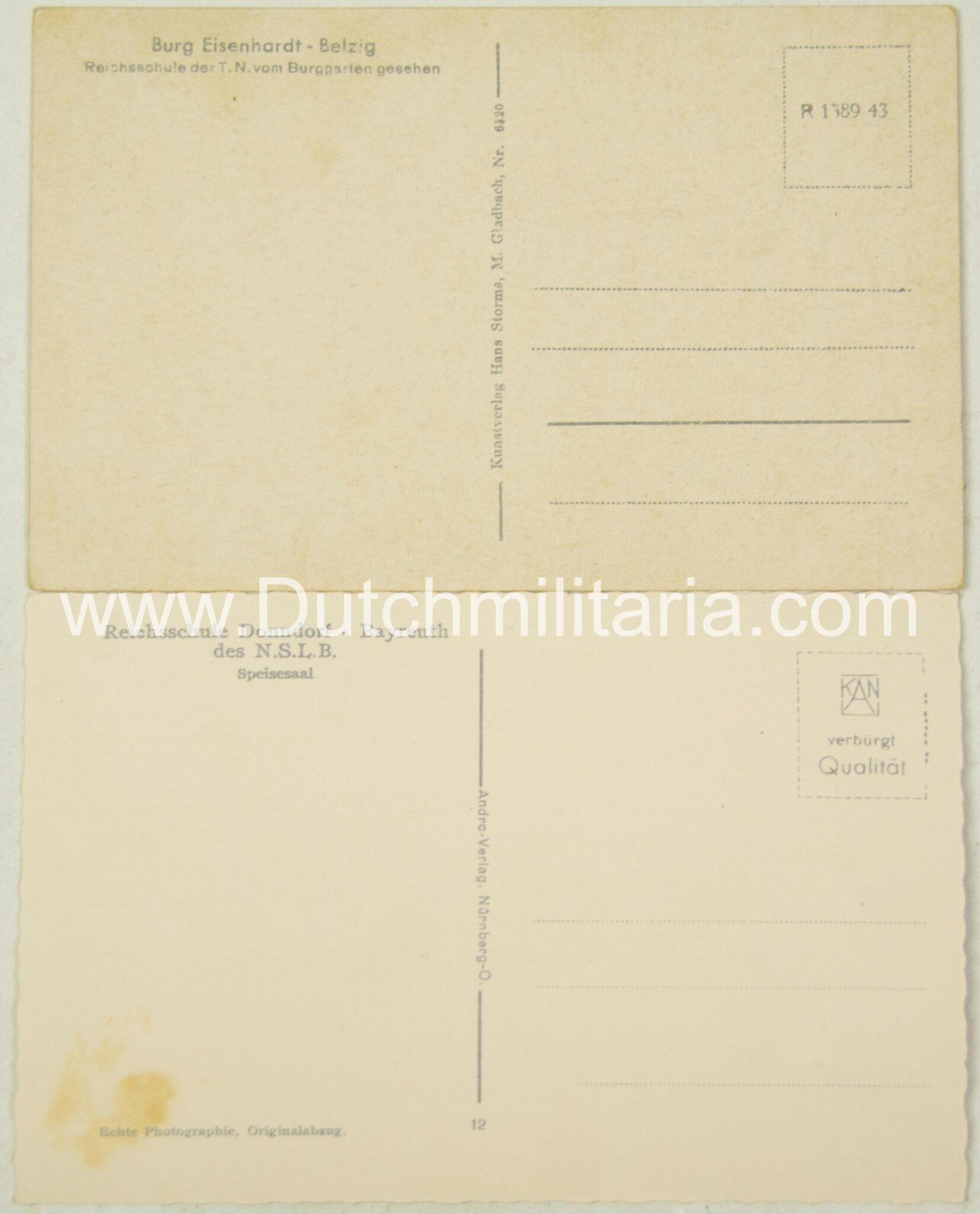
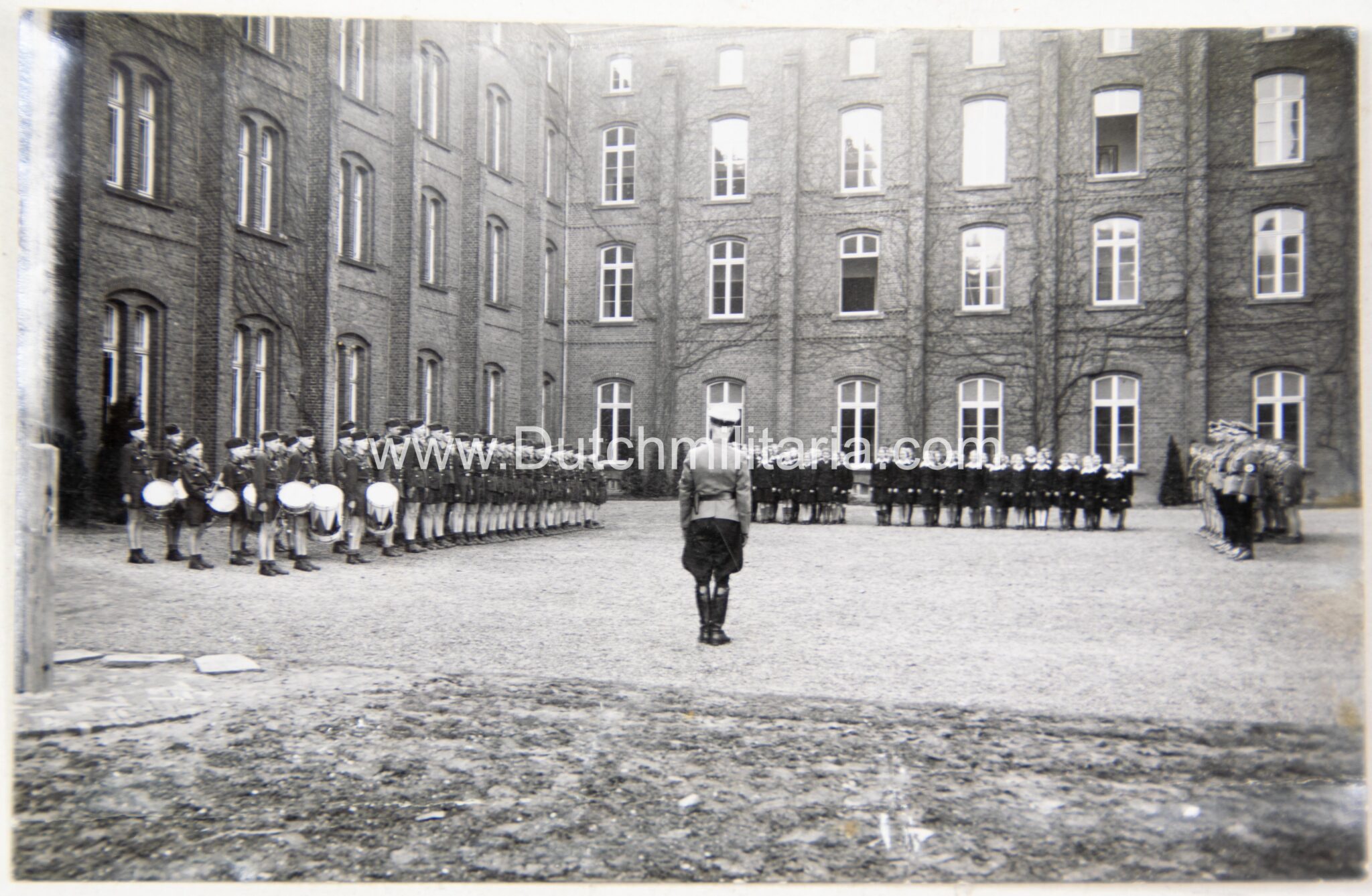
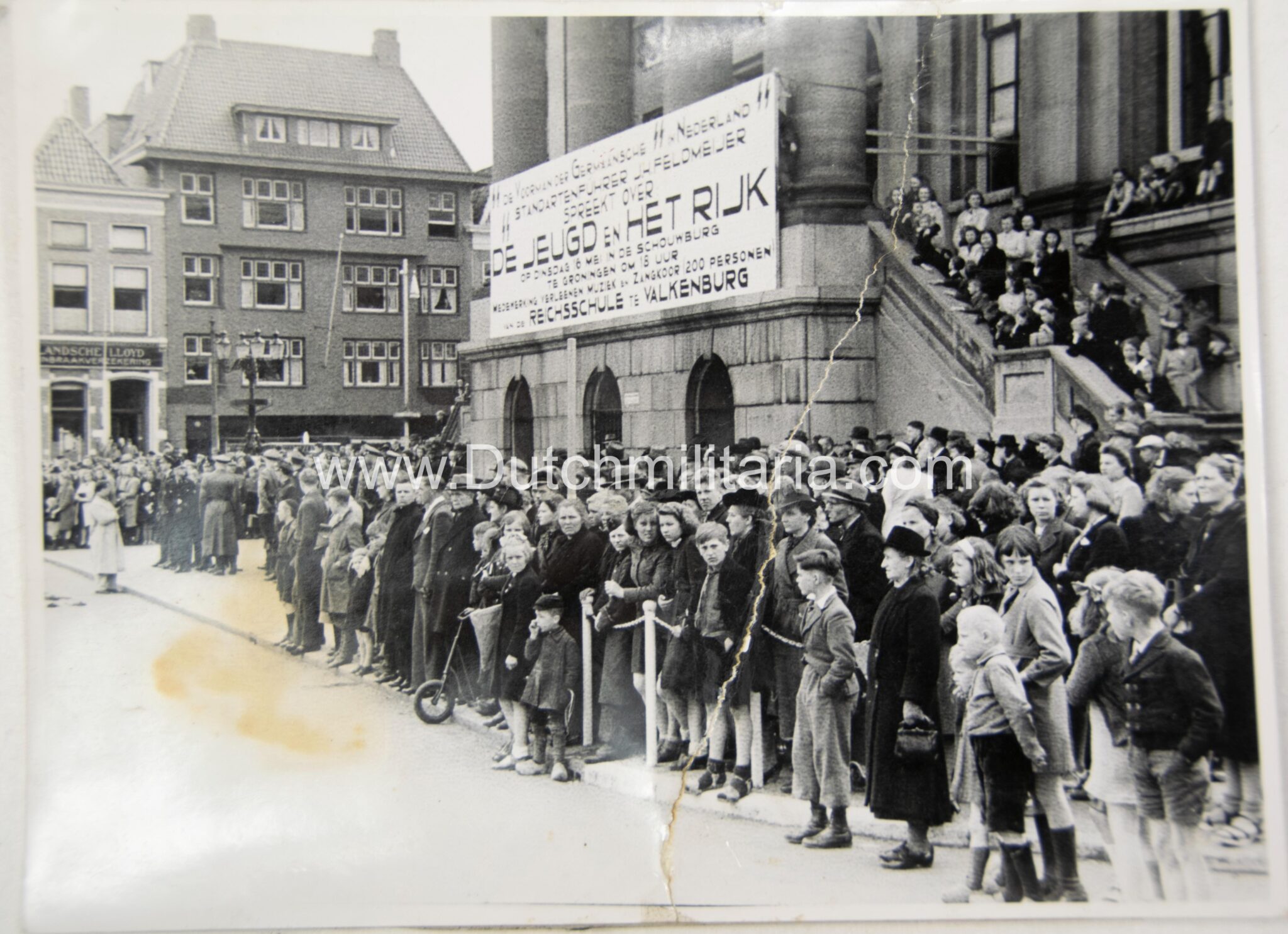
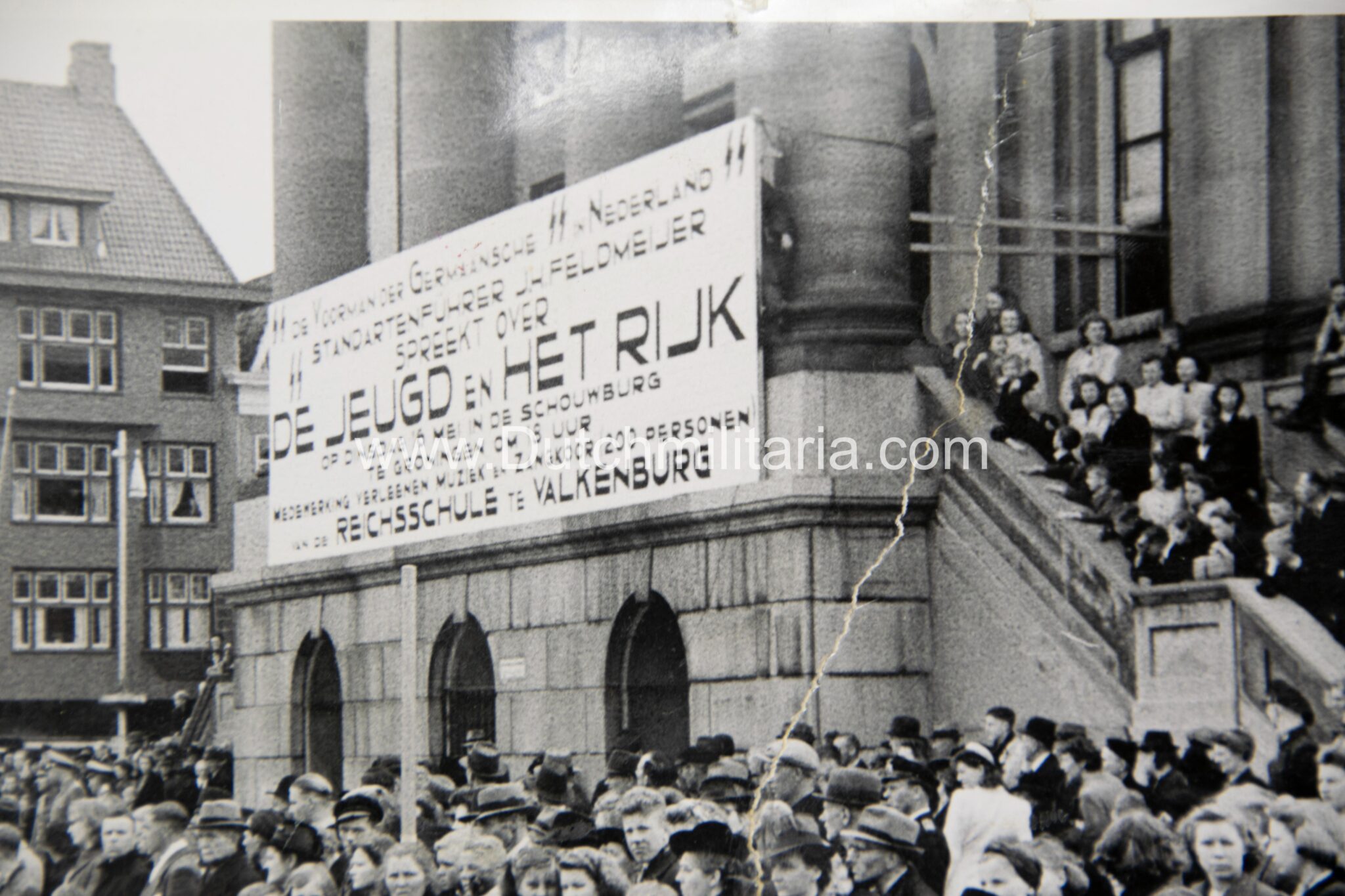
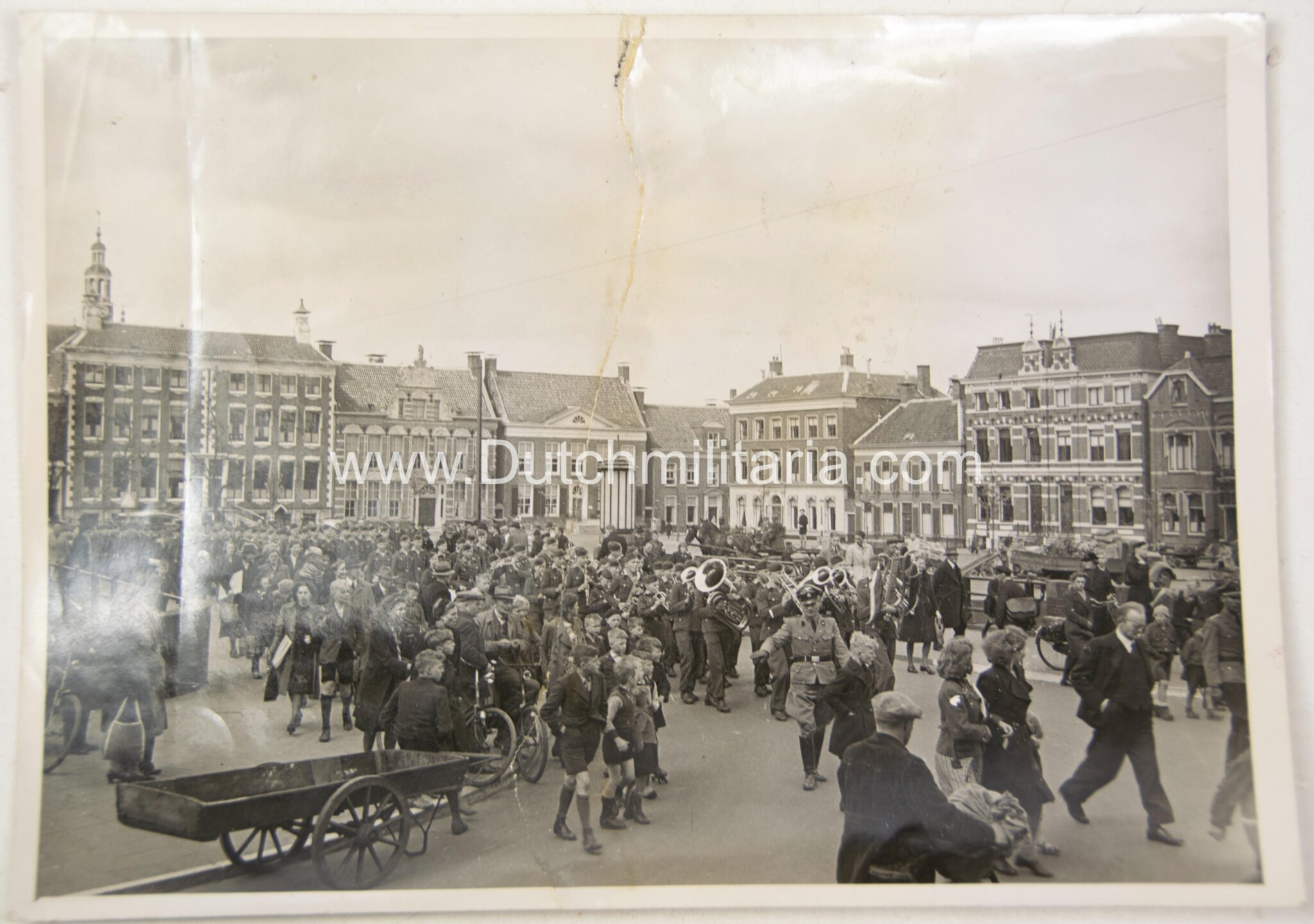
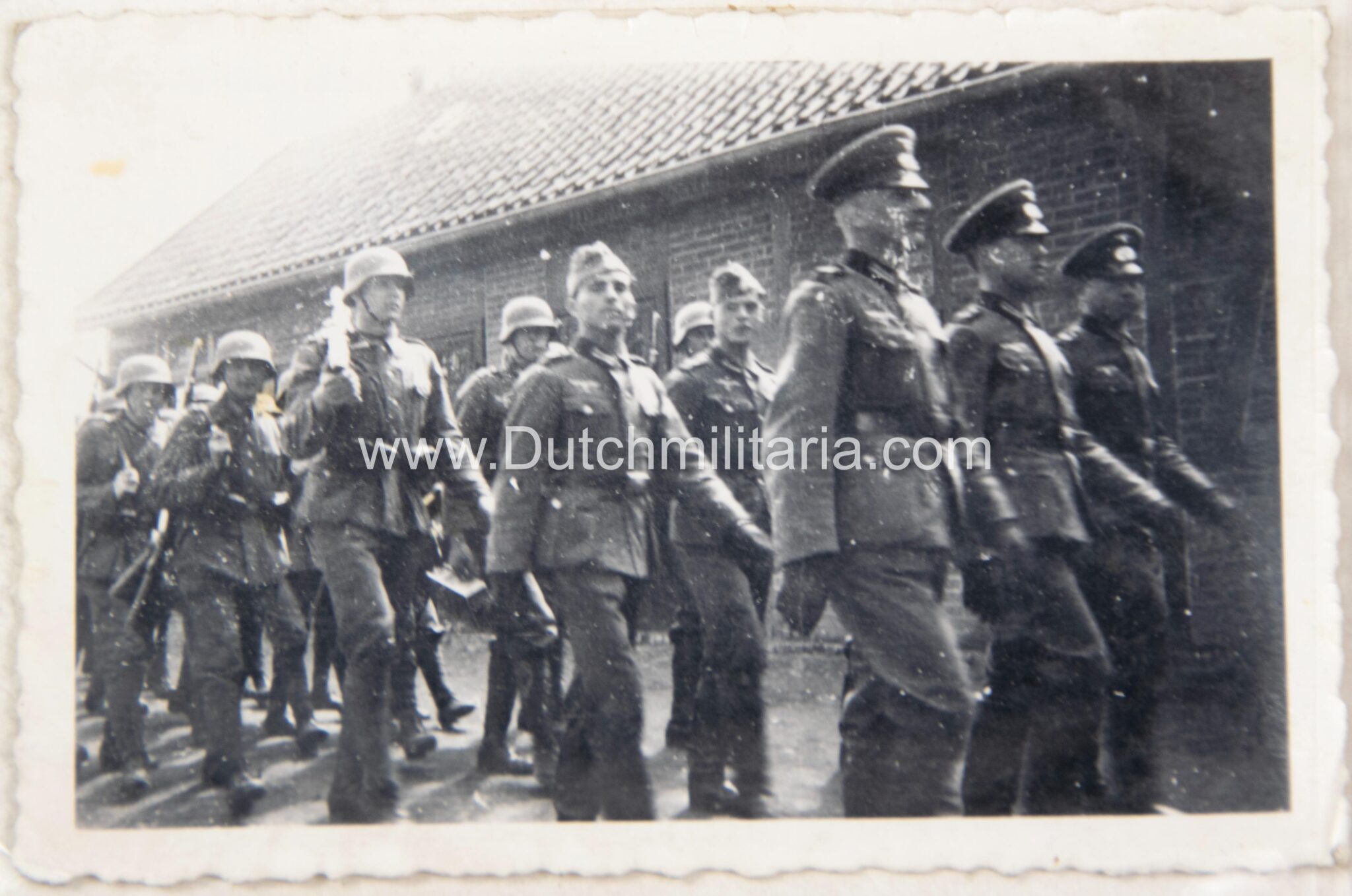
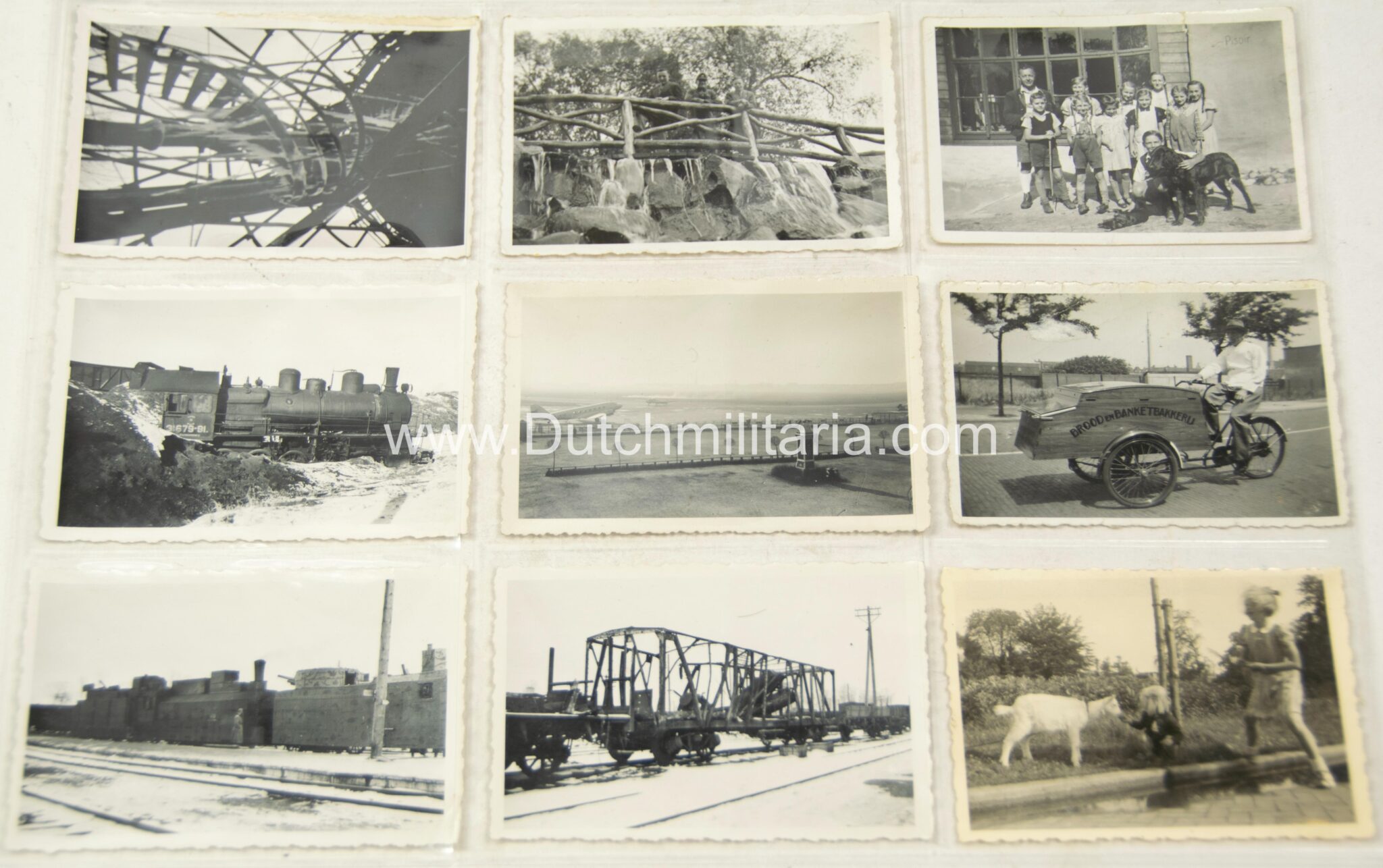
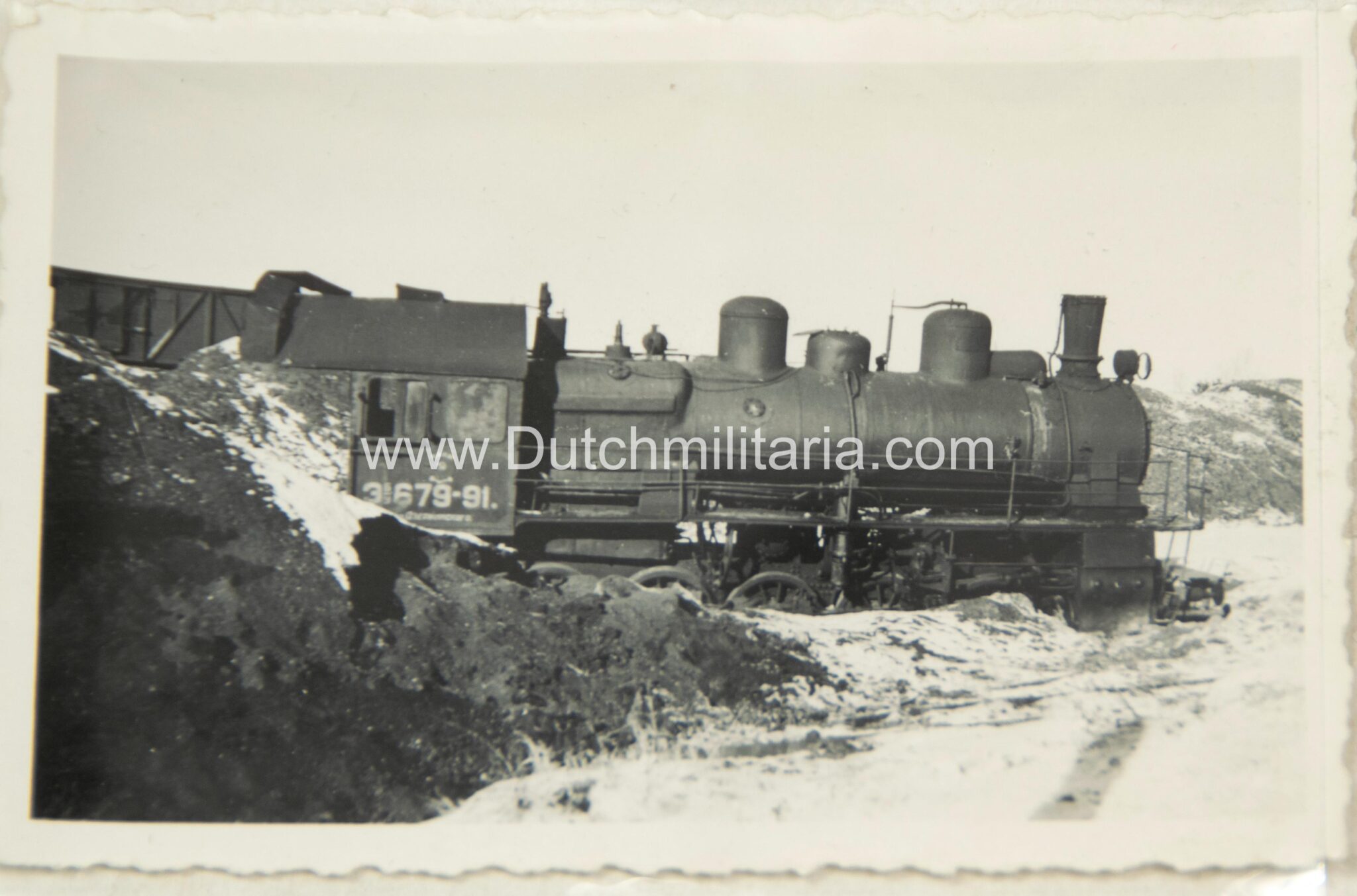
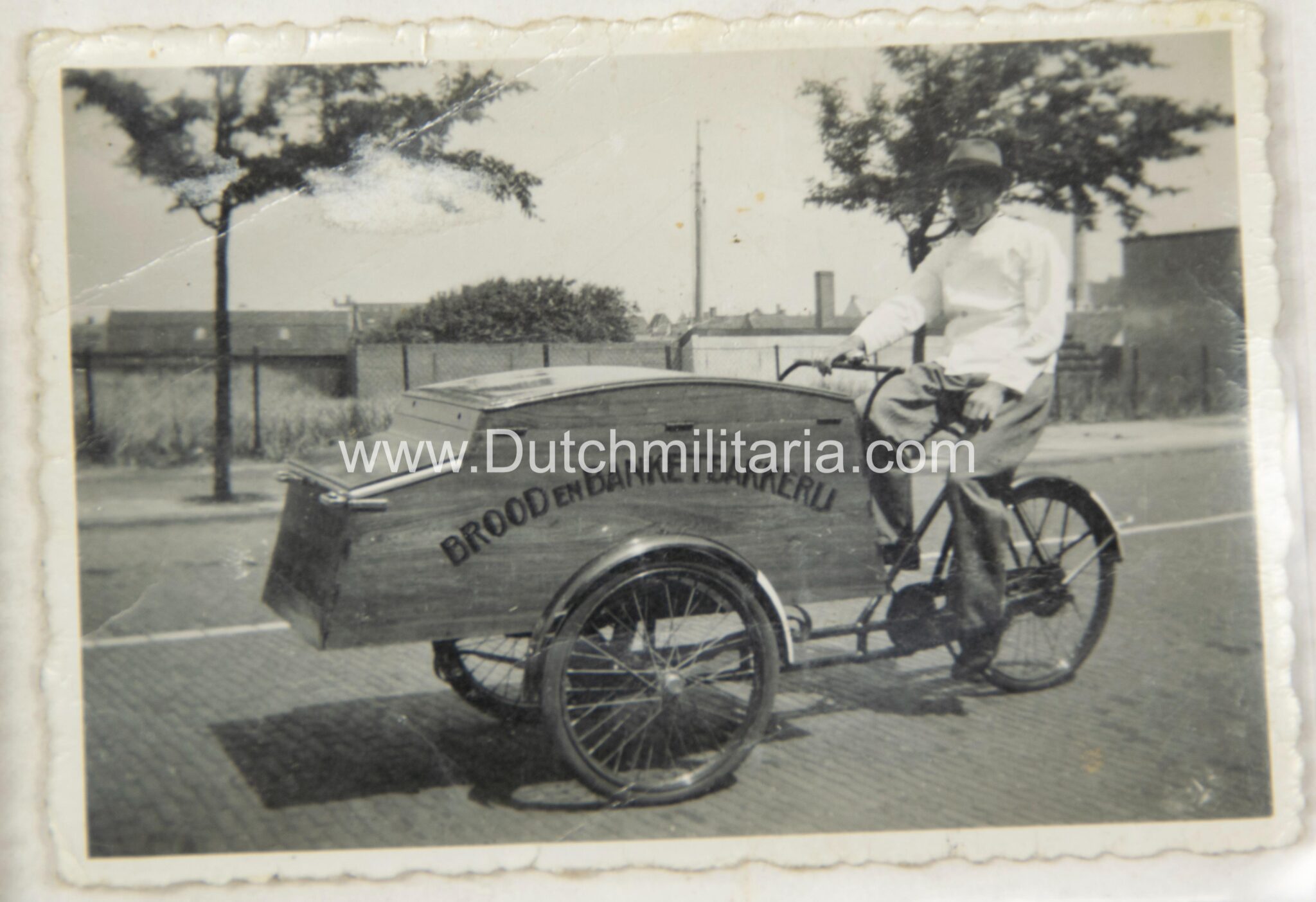
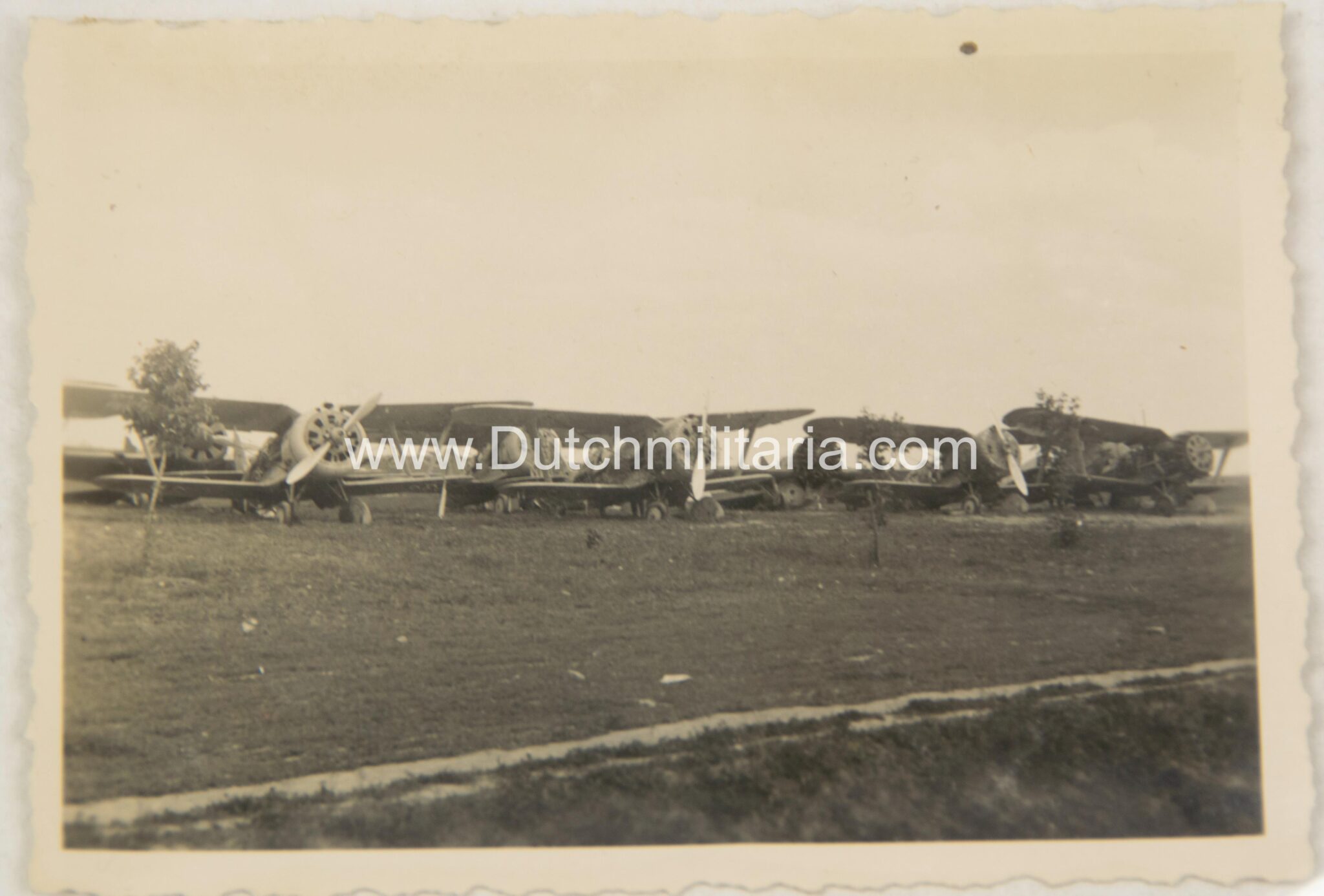
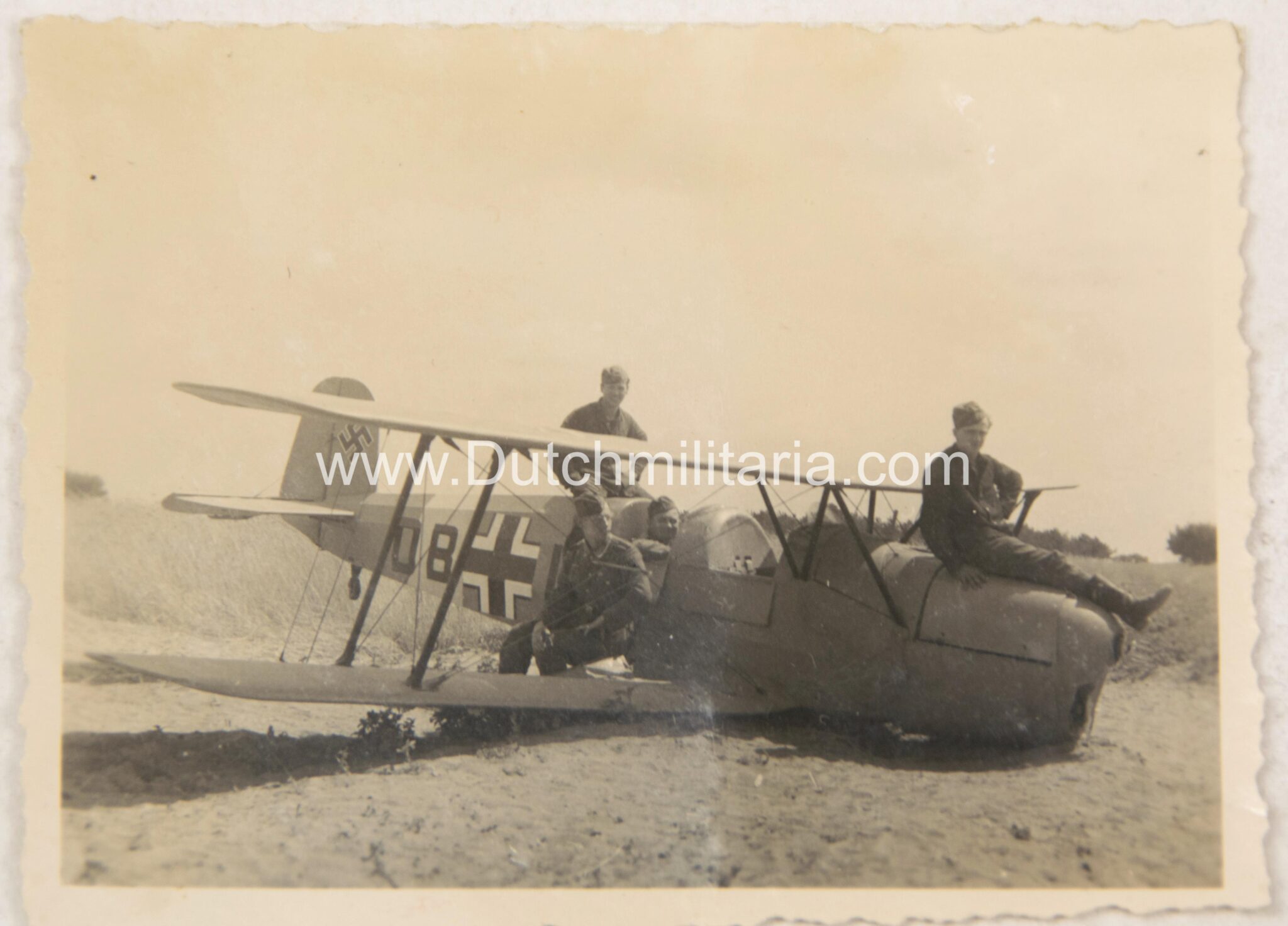
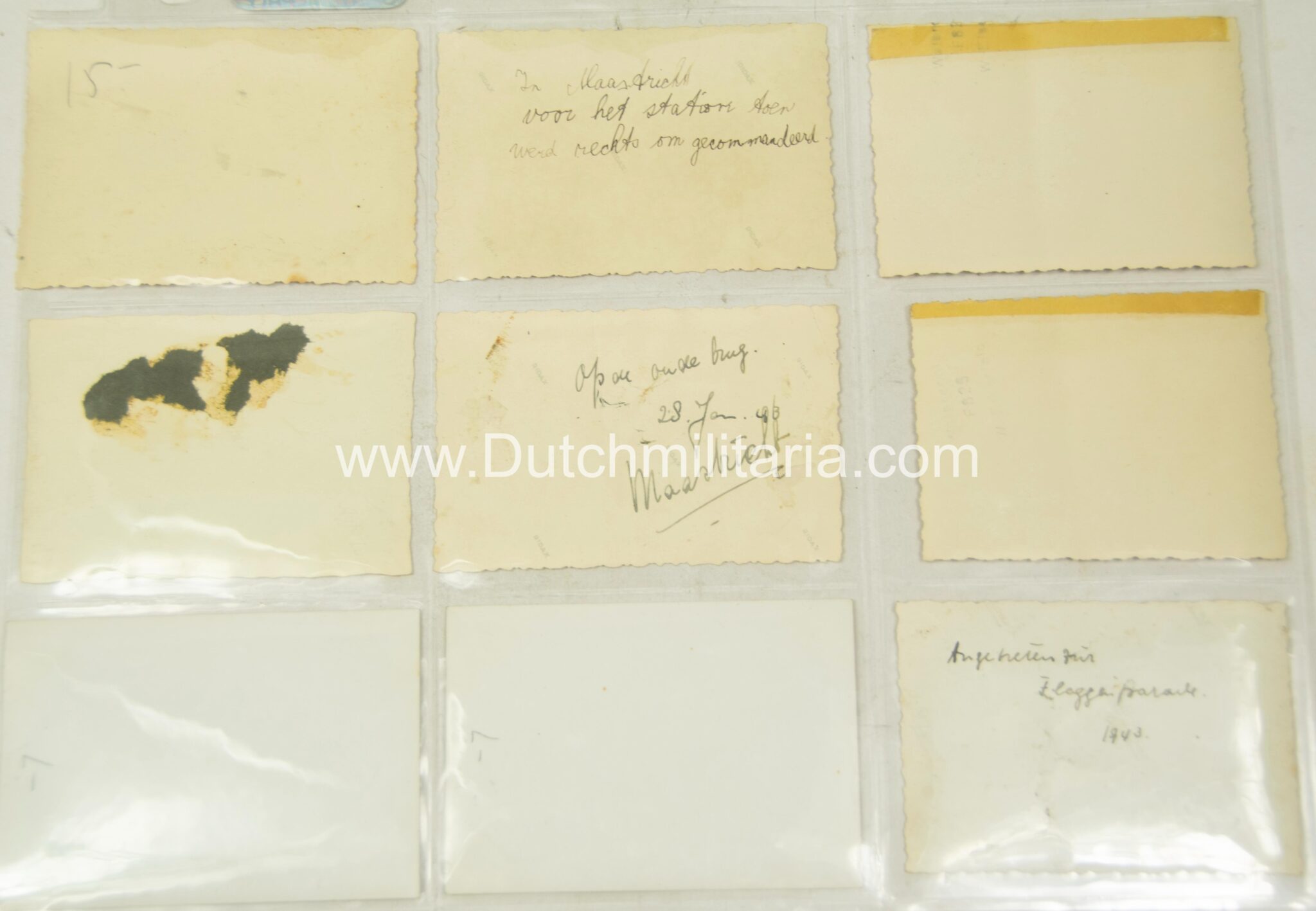
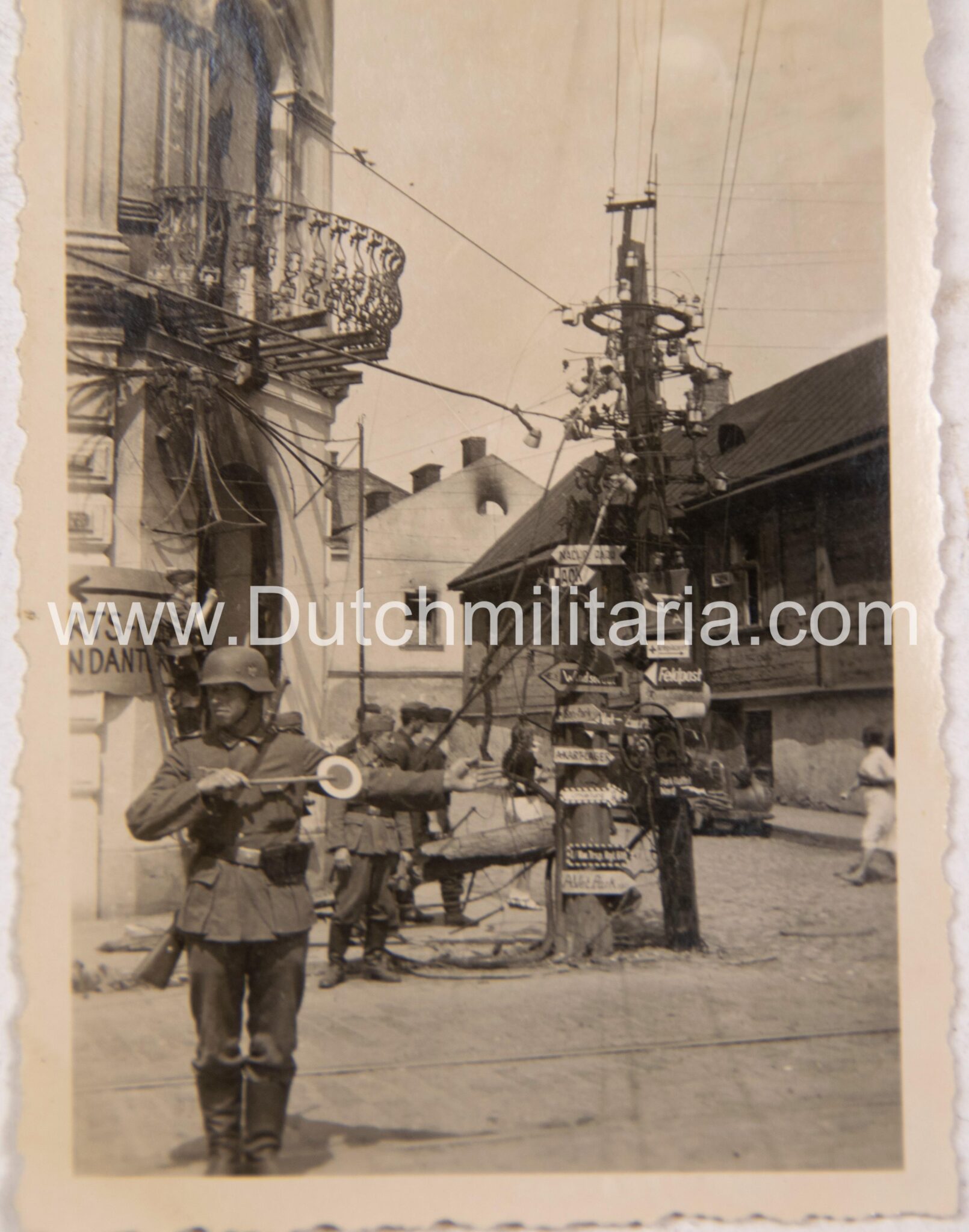
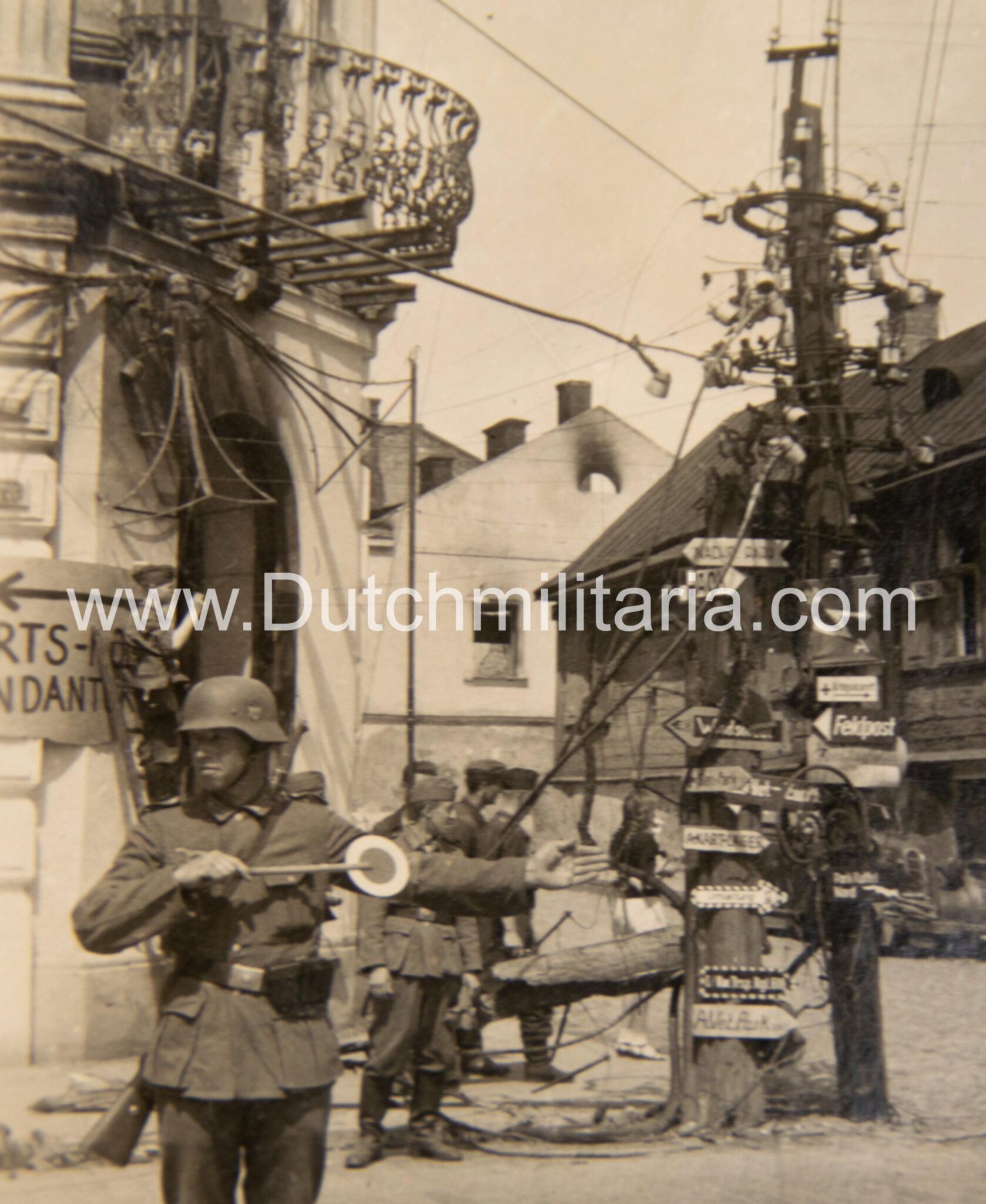
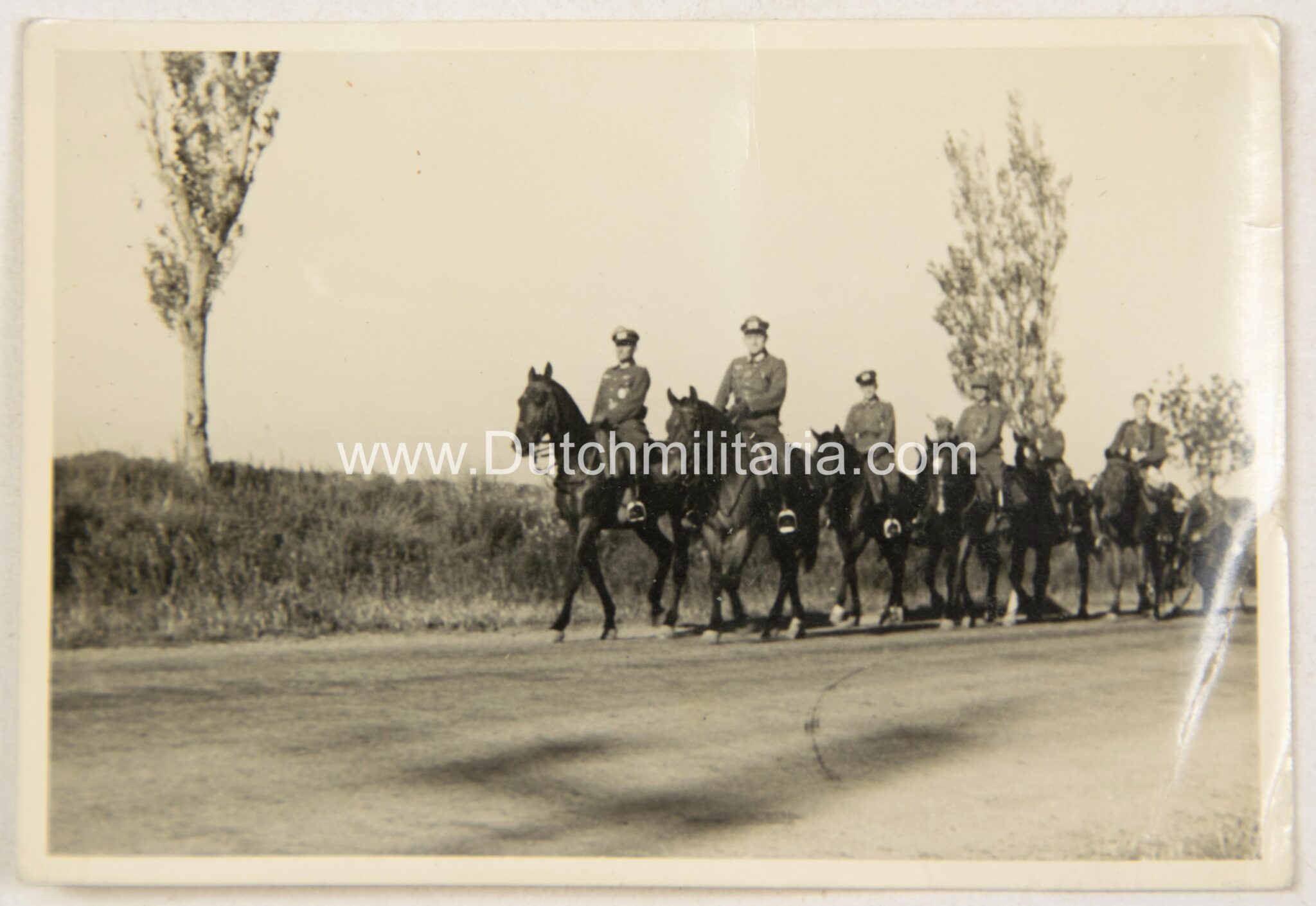
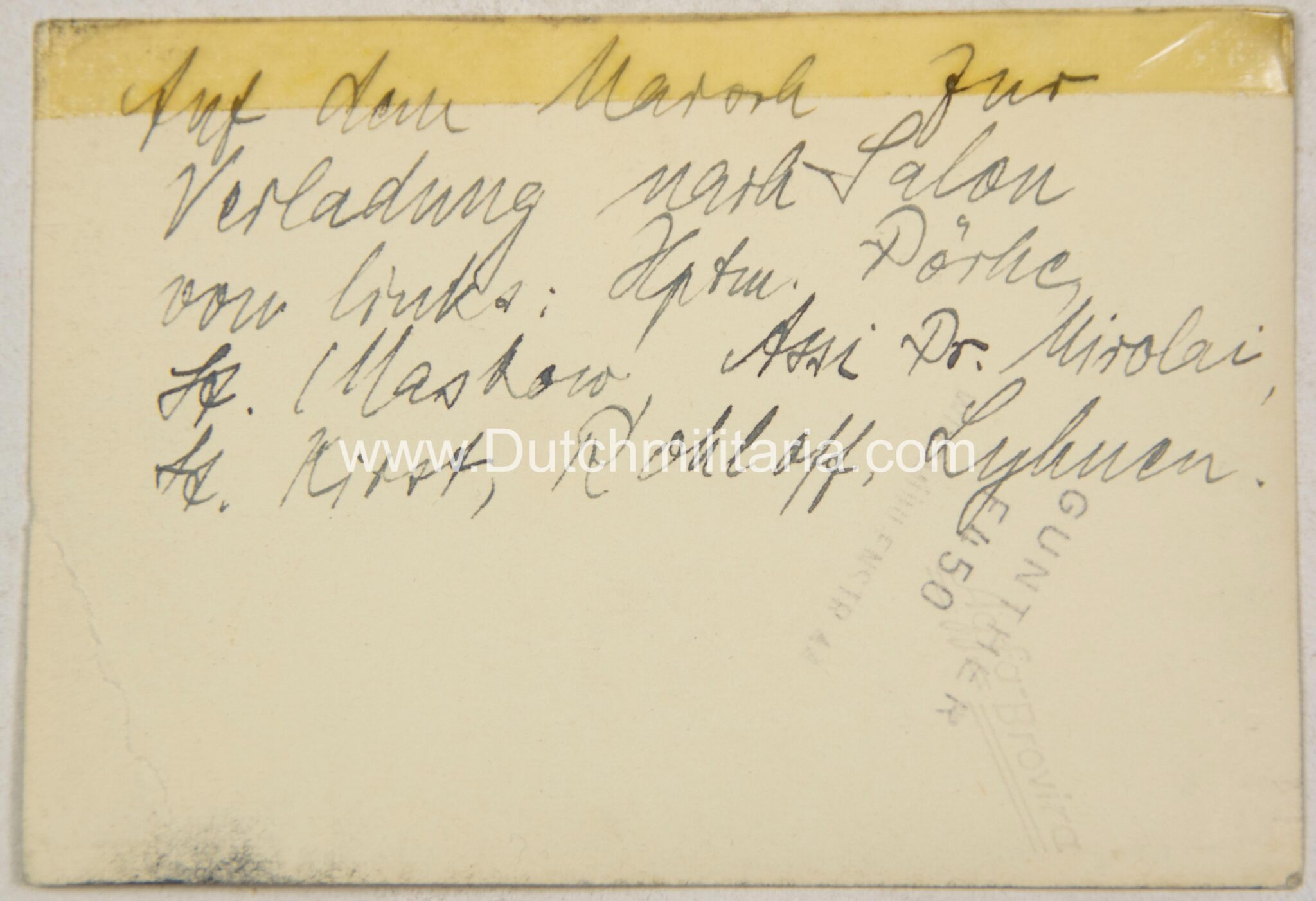
D. There’s also two postcards of two german Reichschulen, one other postcard of Valkenburg, two large Reichsschule Valkenburg photo (torn in half (wartime?) and fixed with tape) and a few wartime photo’s from nearby town Maastricht. All photo’s apear to have been collected seperately, but are here offered as a lot included in this collection. Very hard to find! In hand all photo’s are of good quality and much better as presented here (again: on purpose bad to avoid copying).
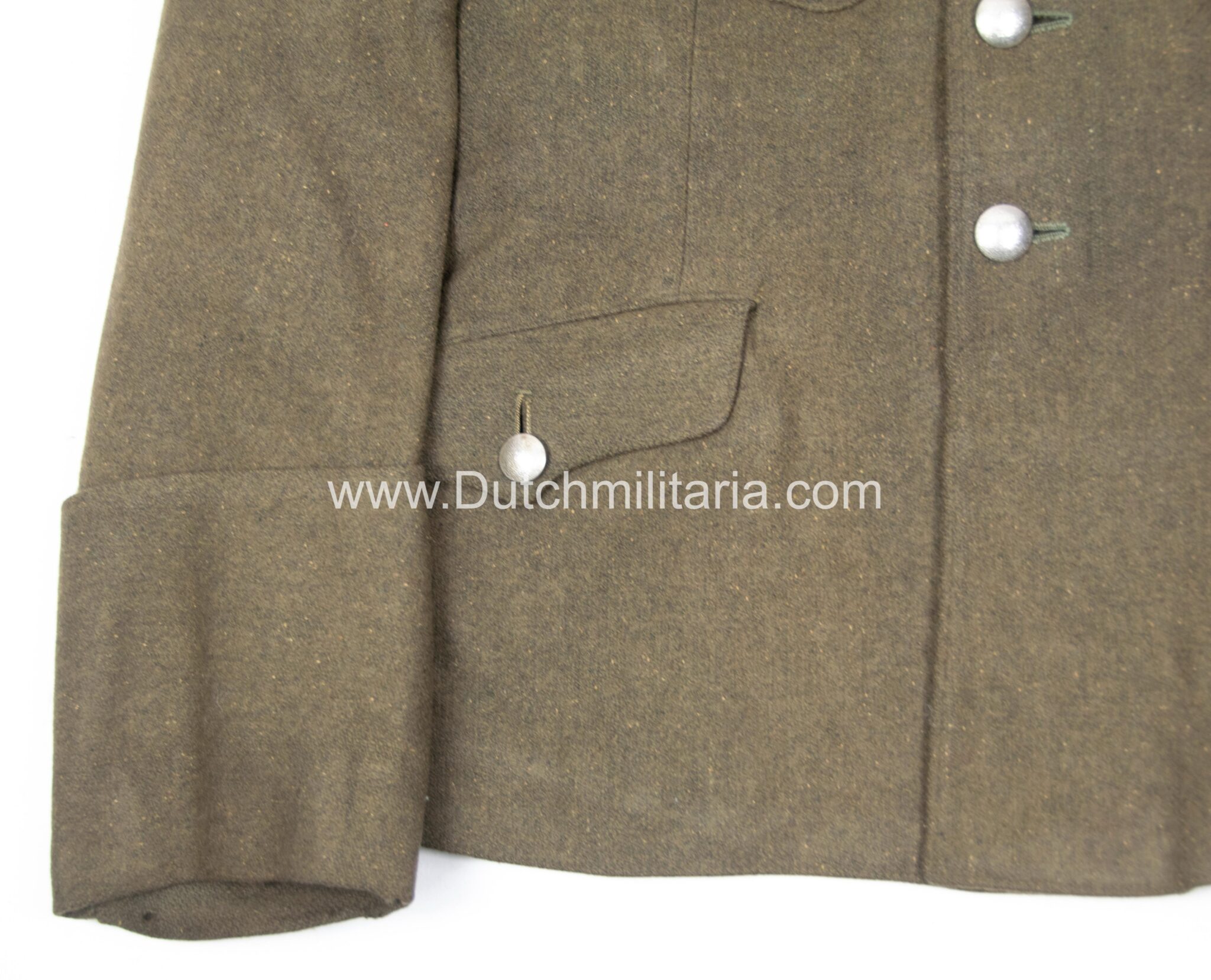
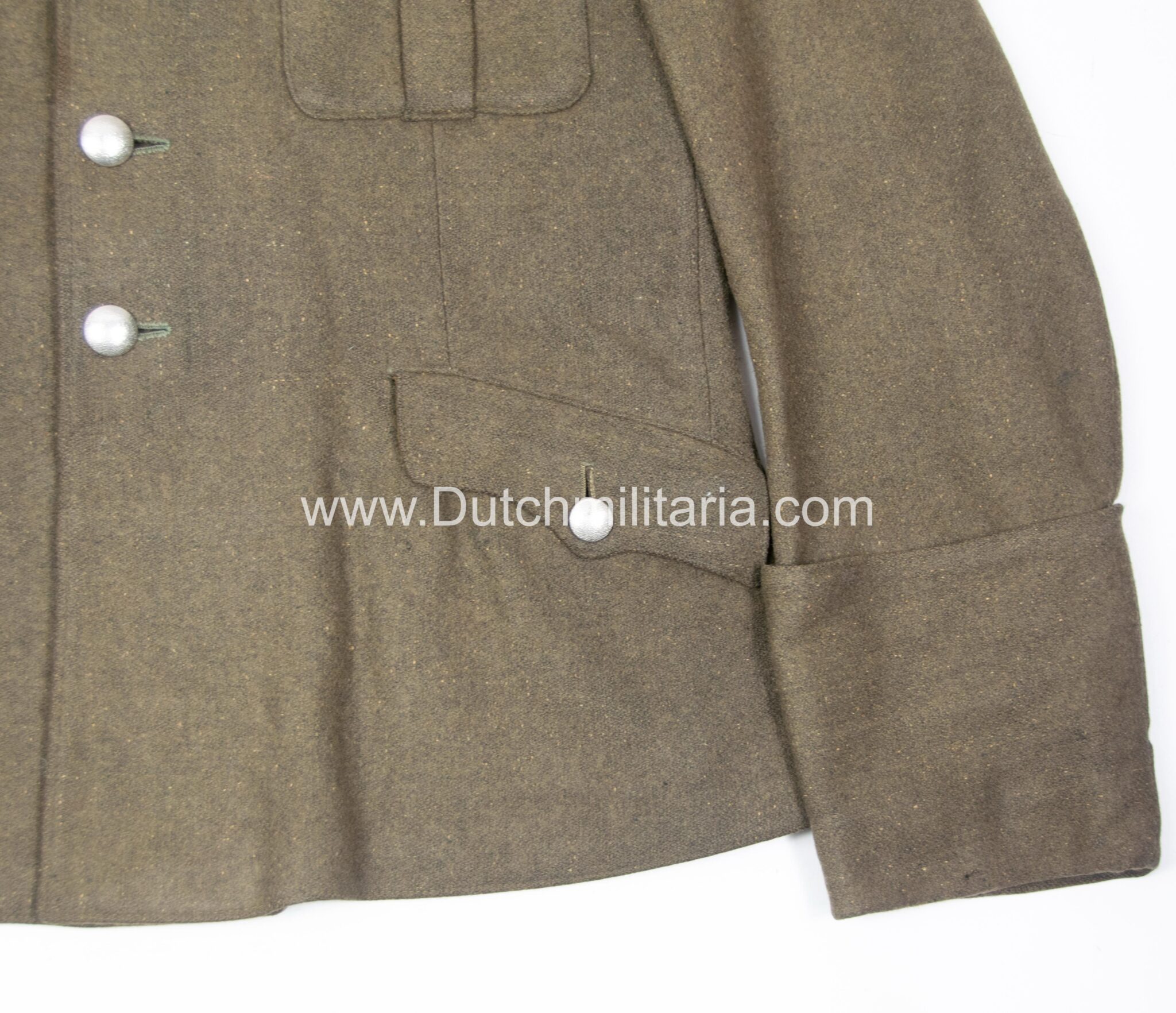
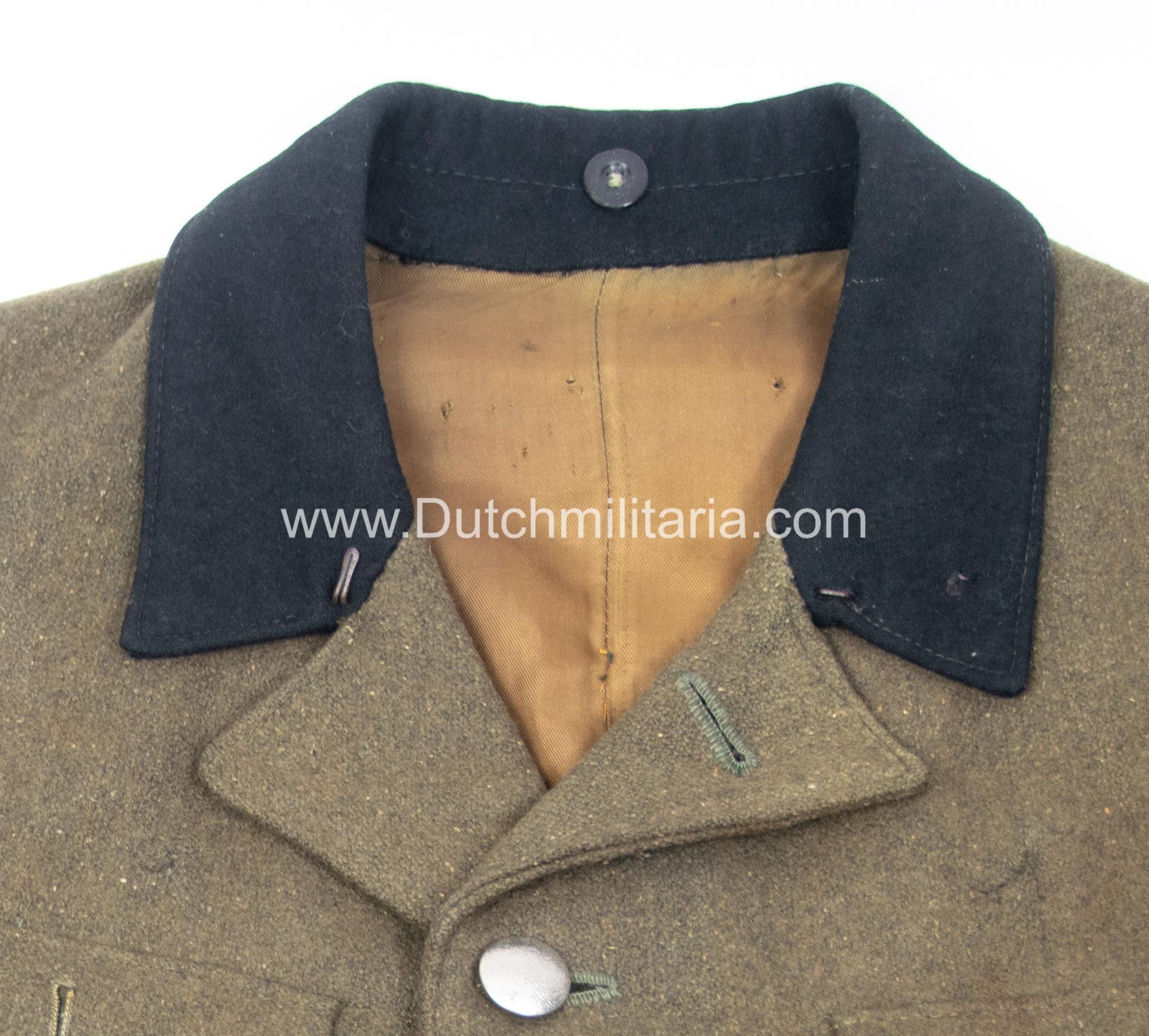
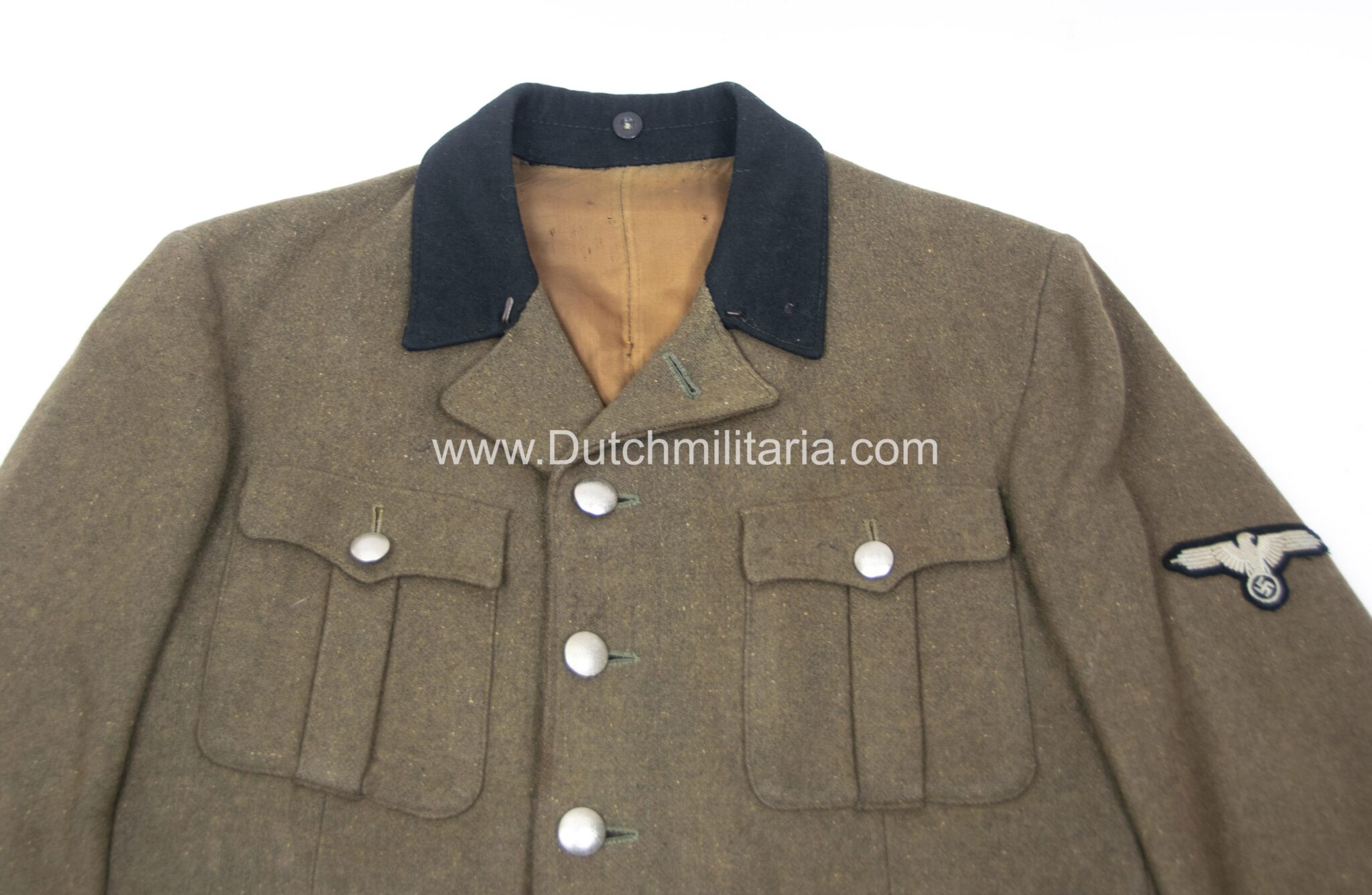
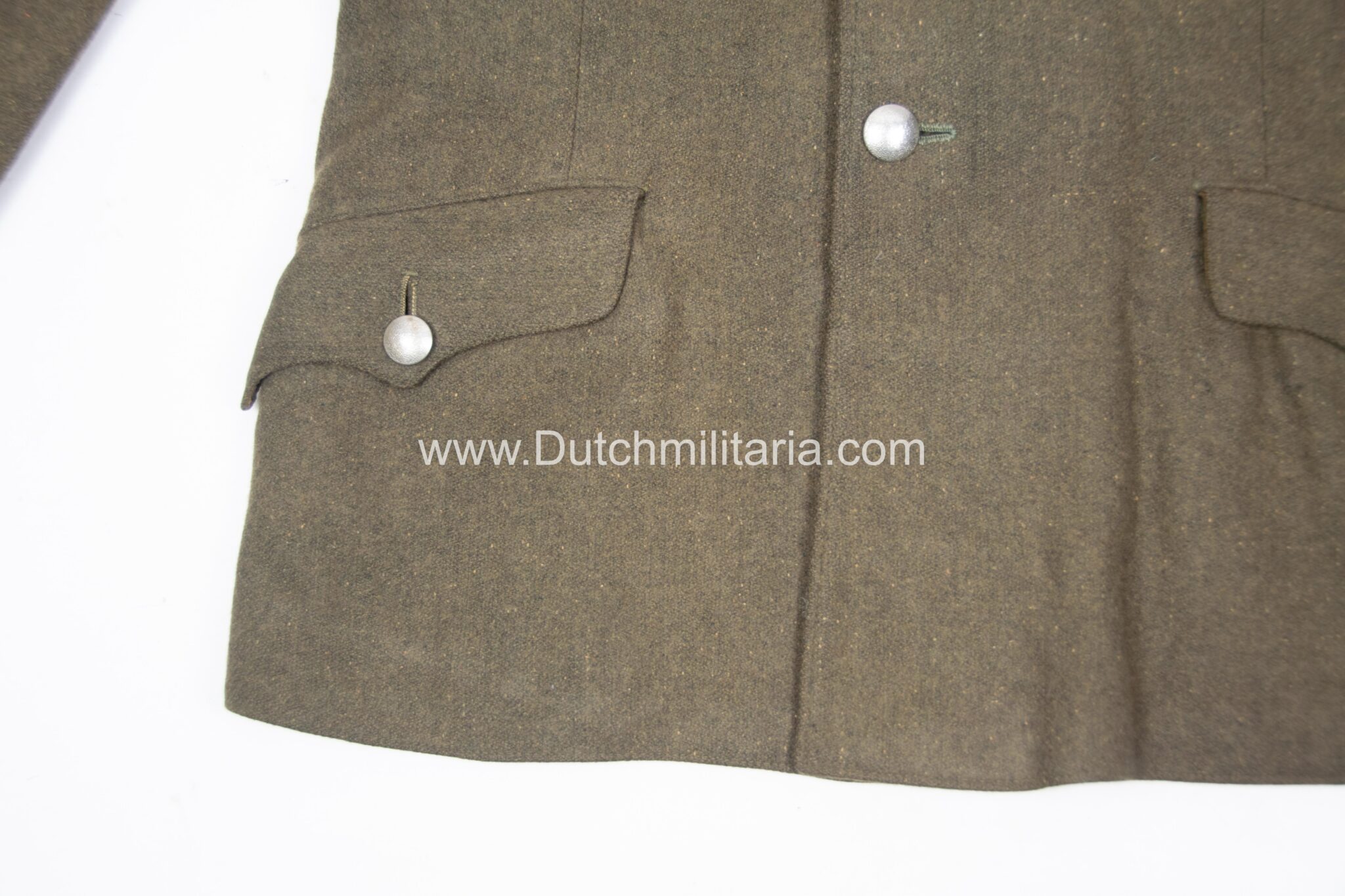
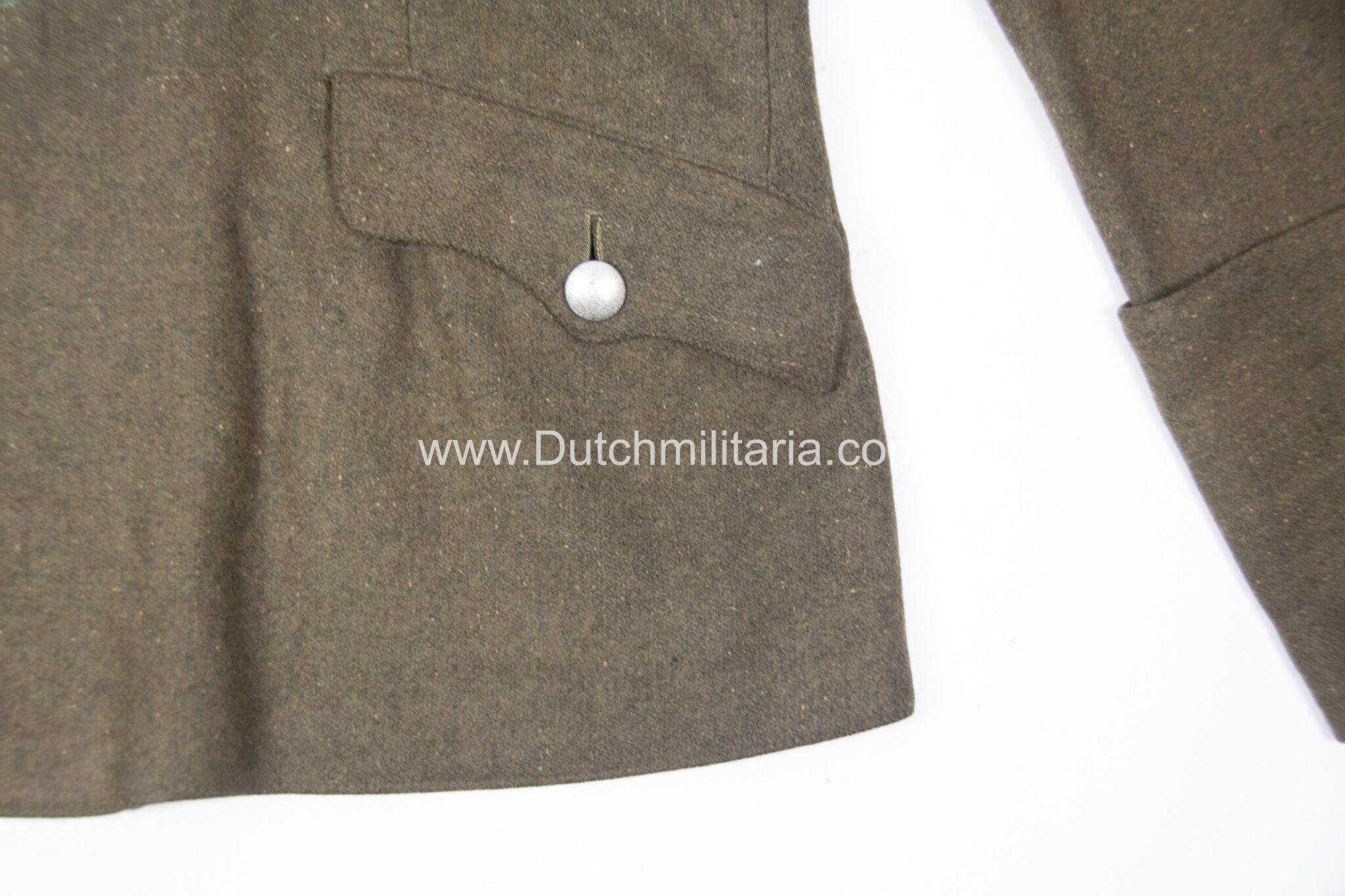
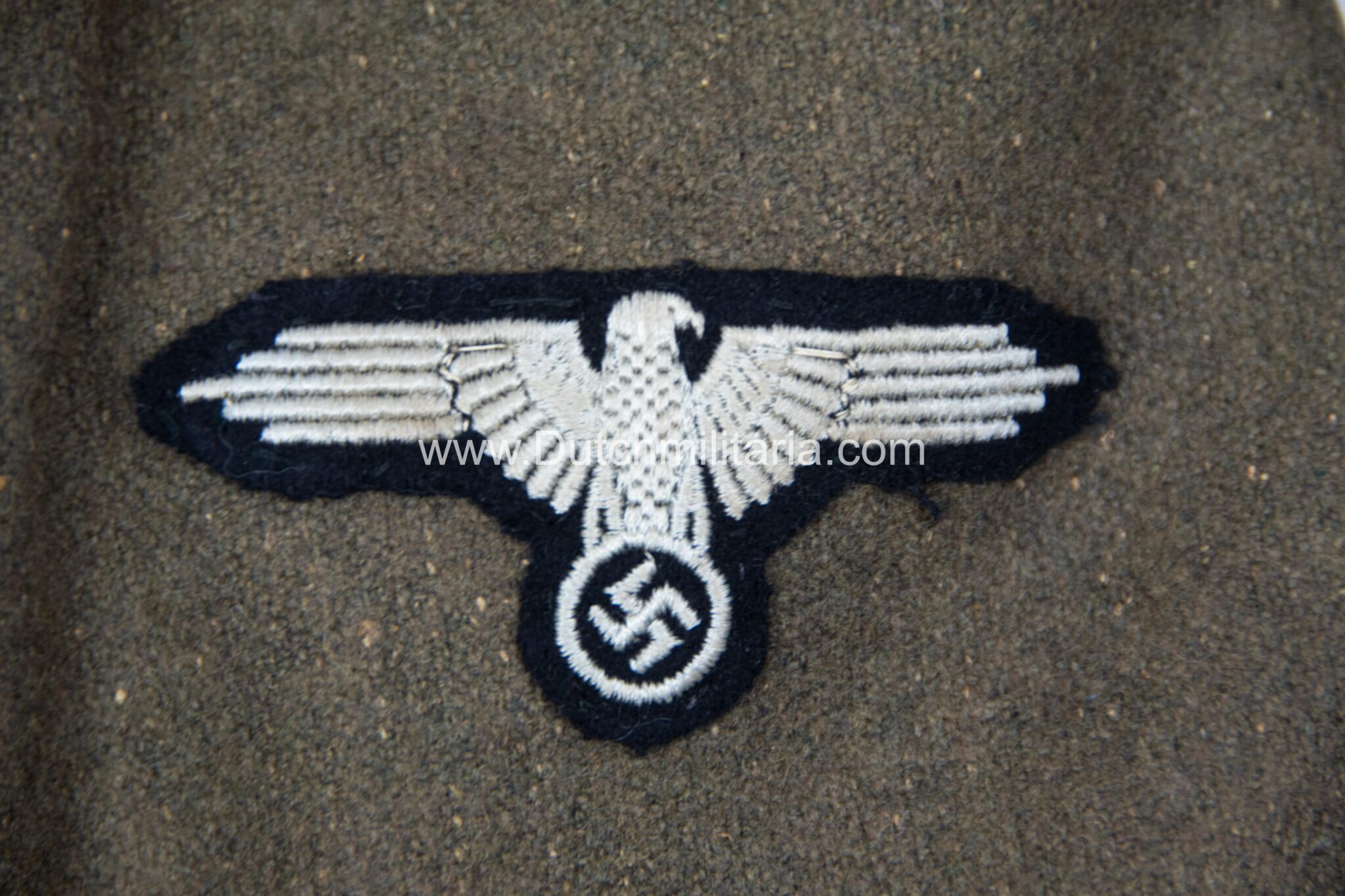
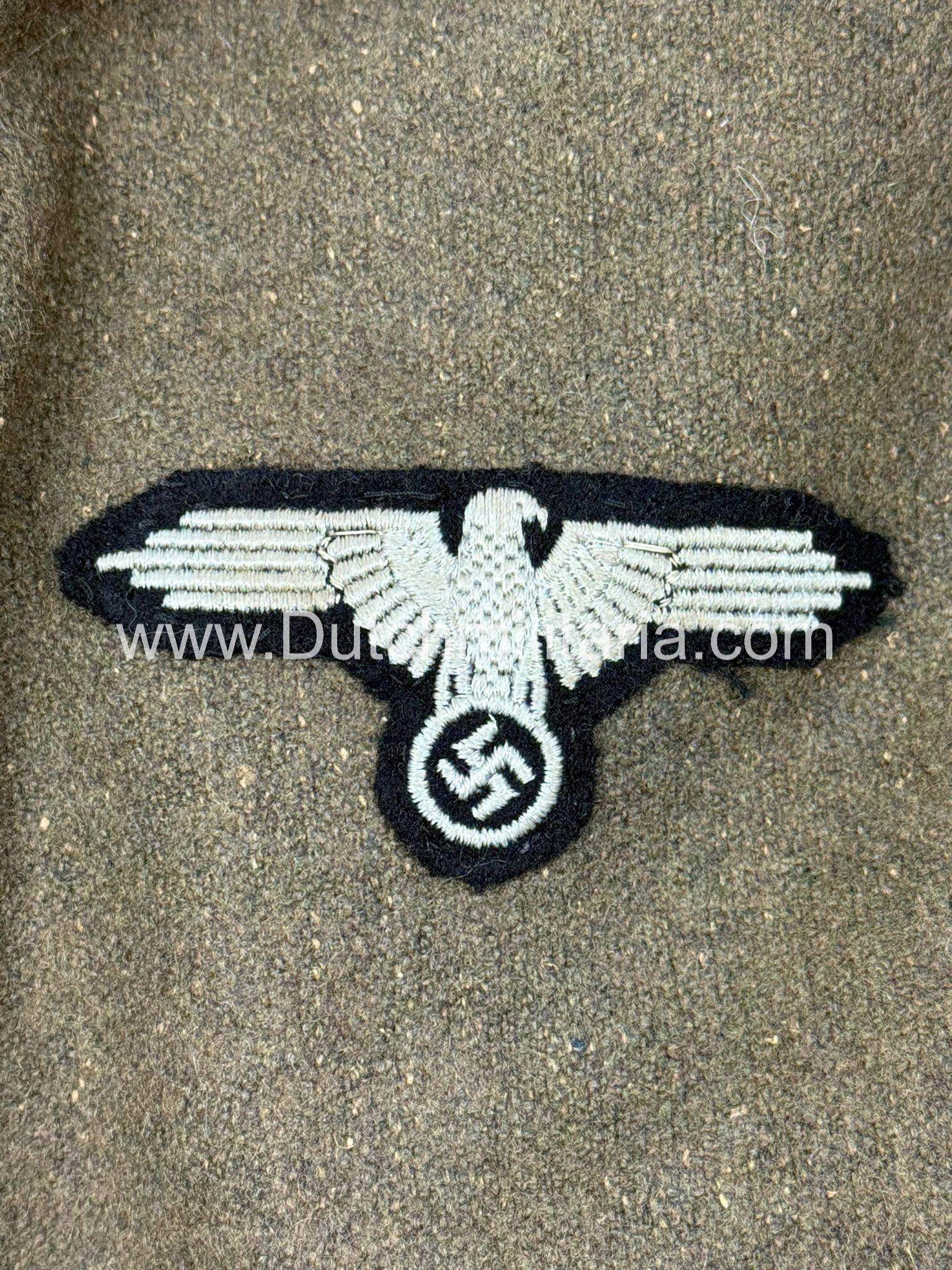
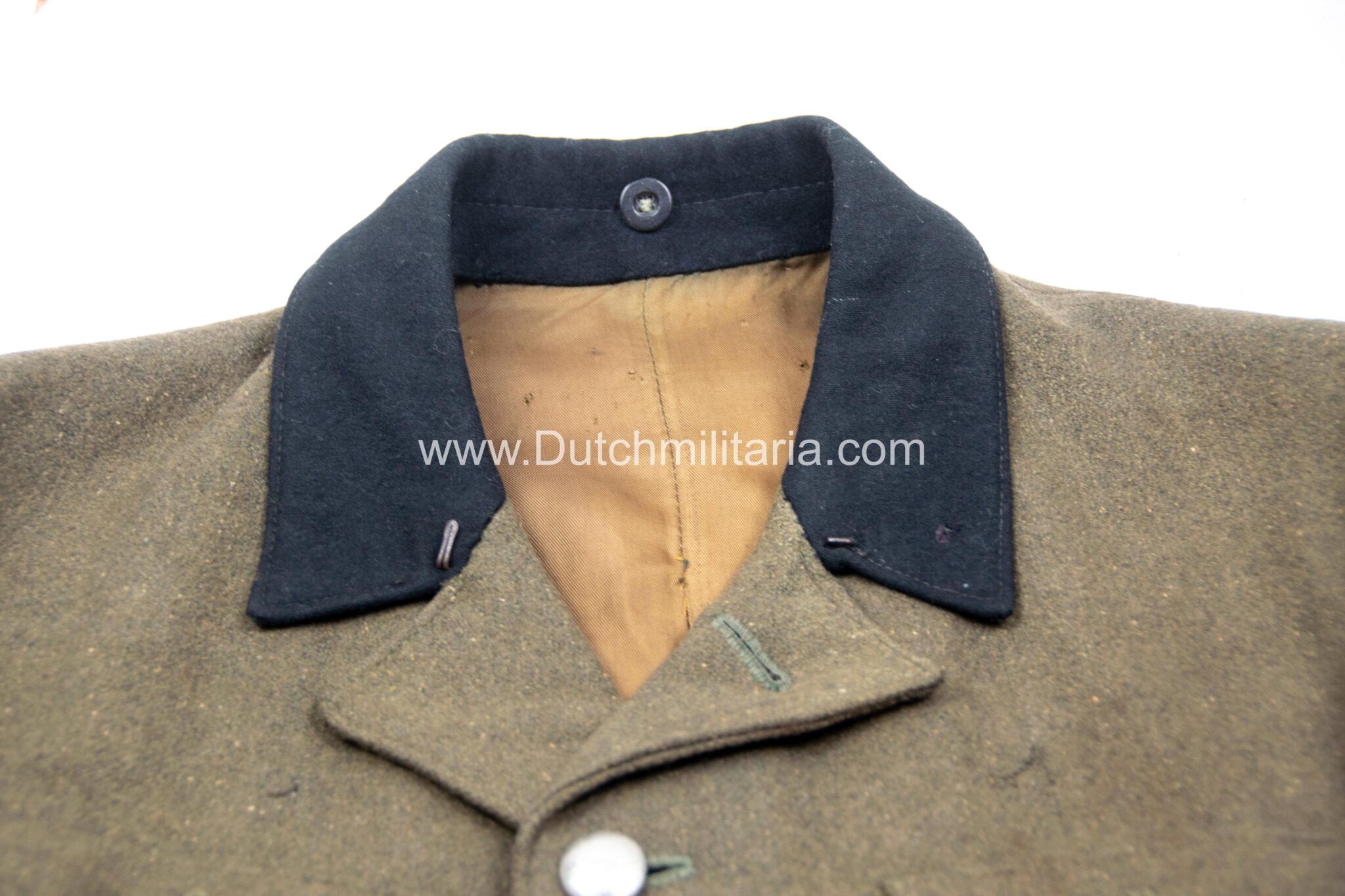
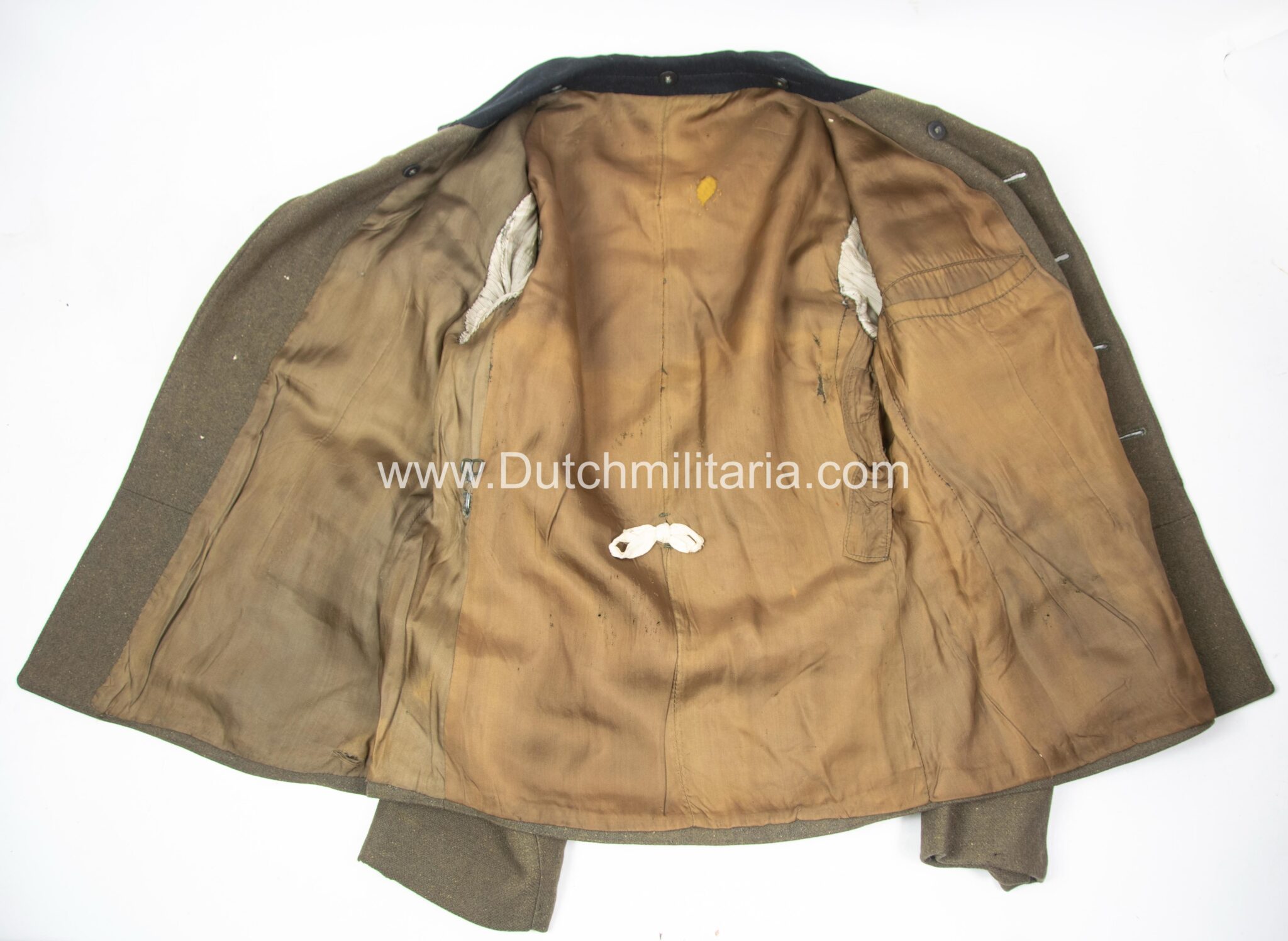
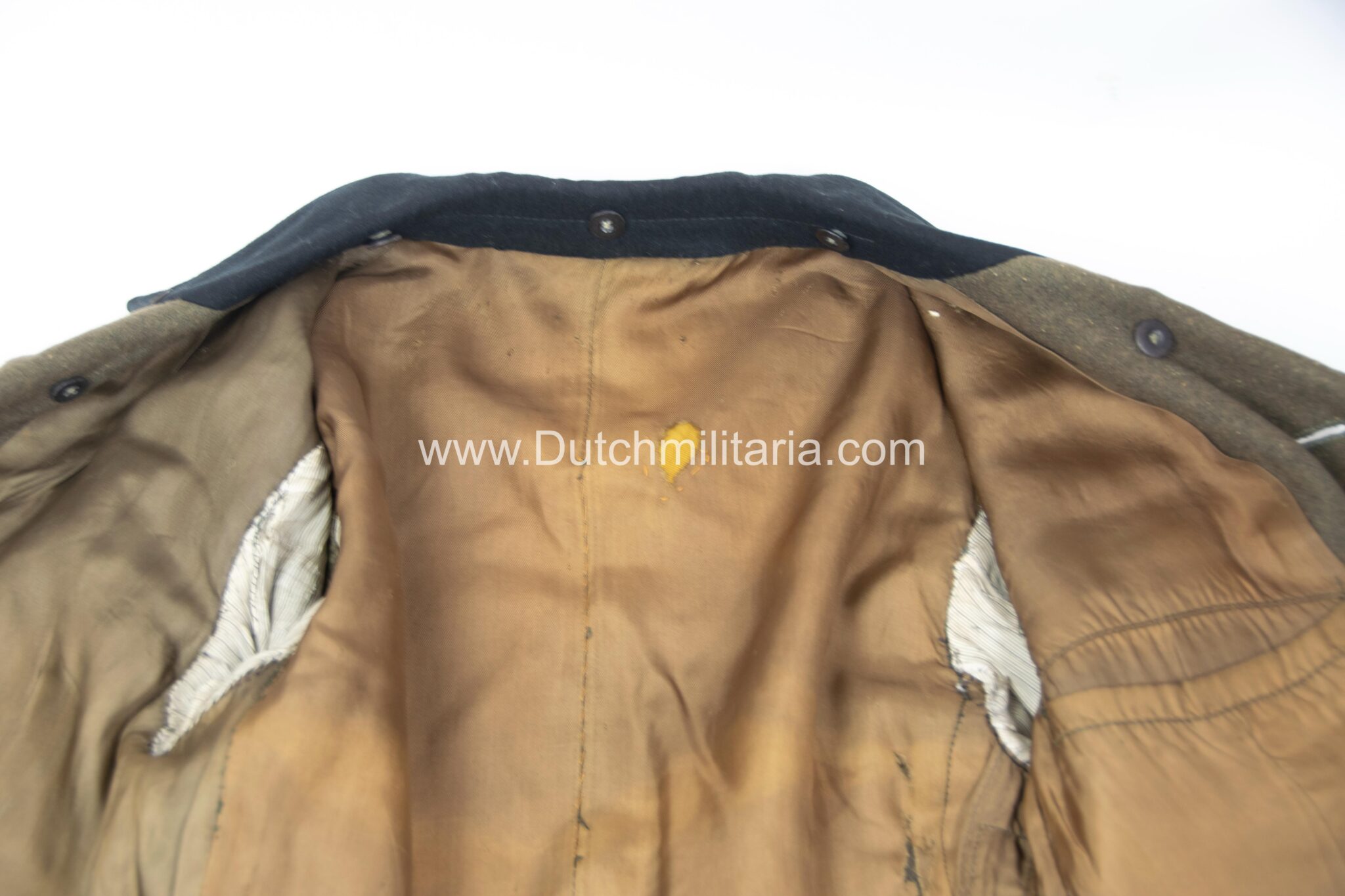
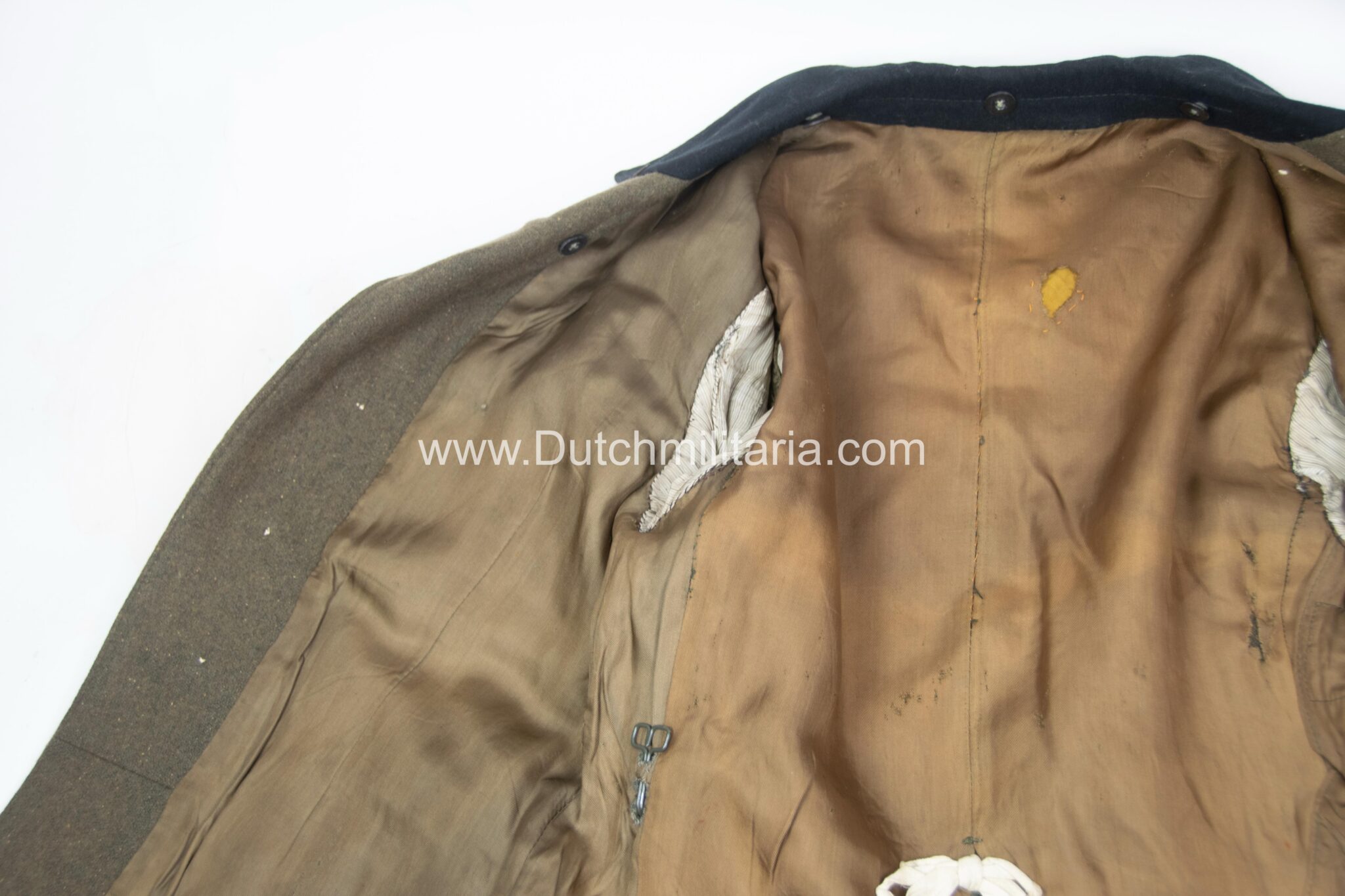
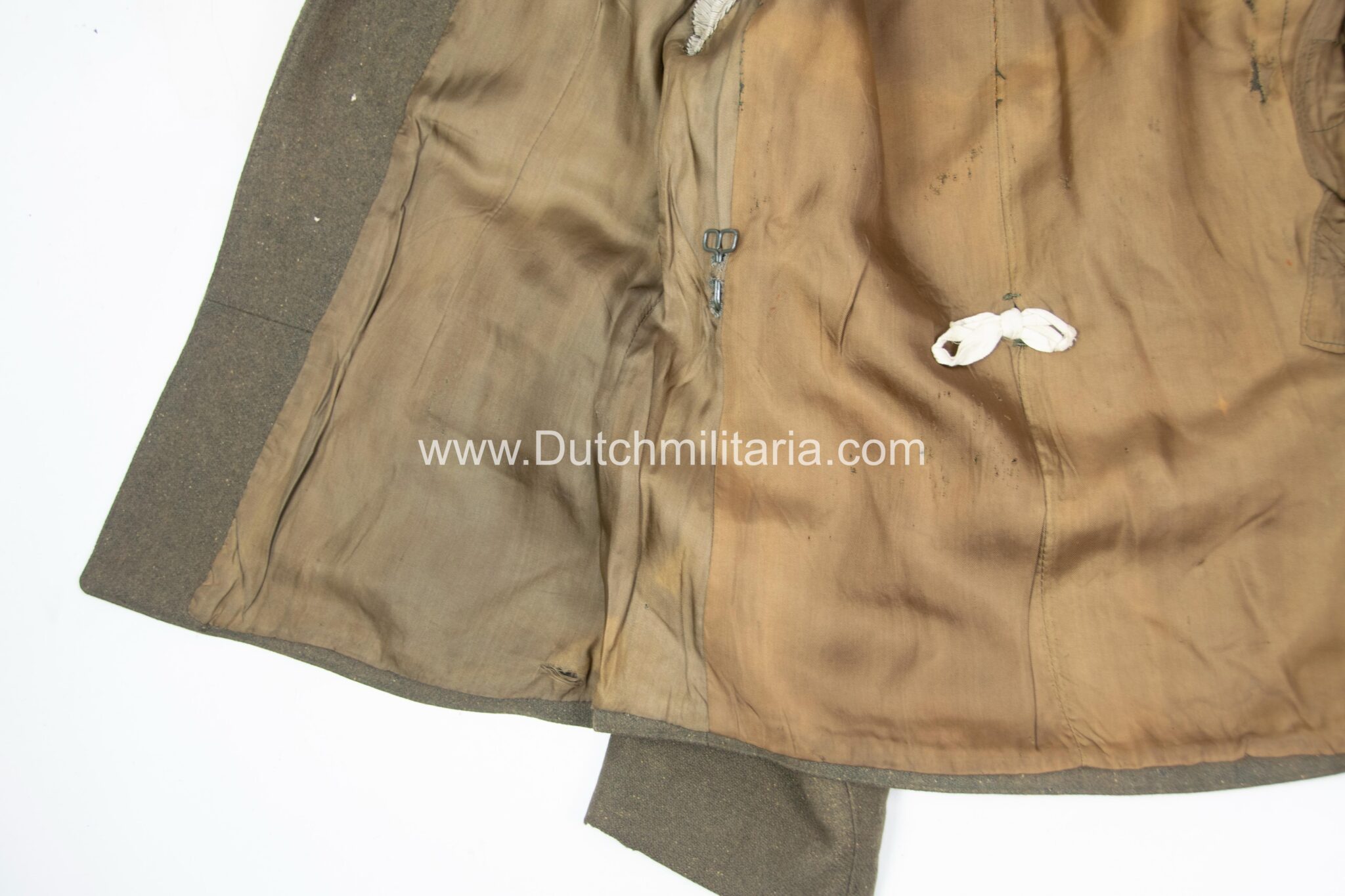
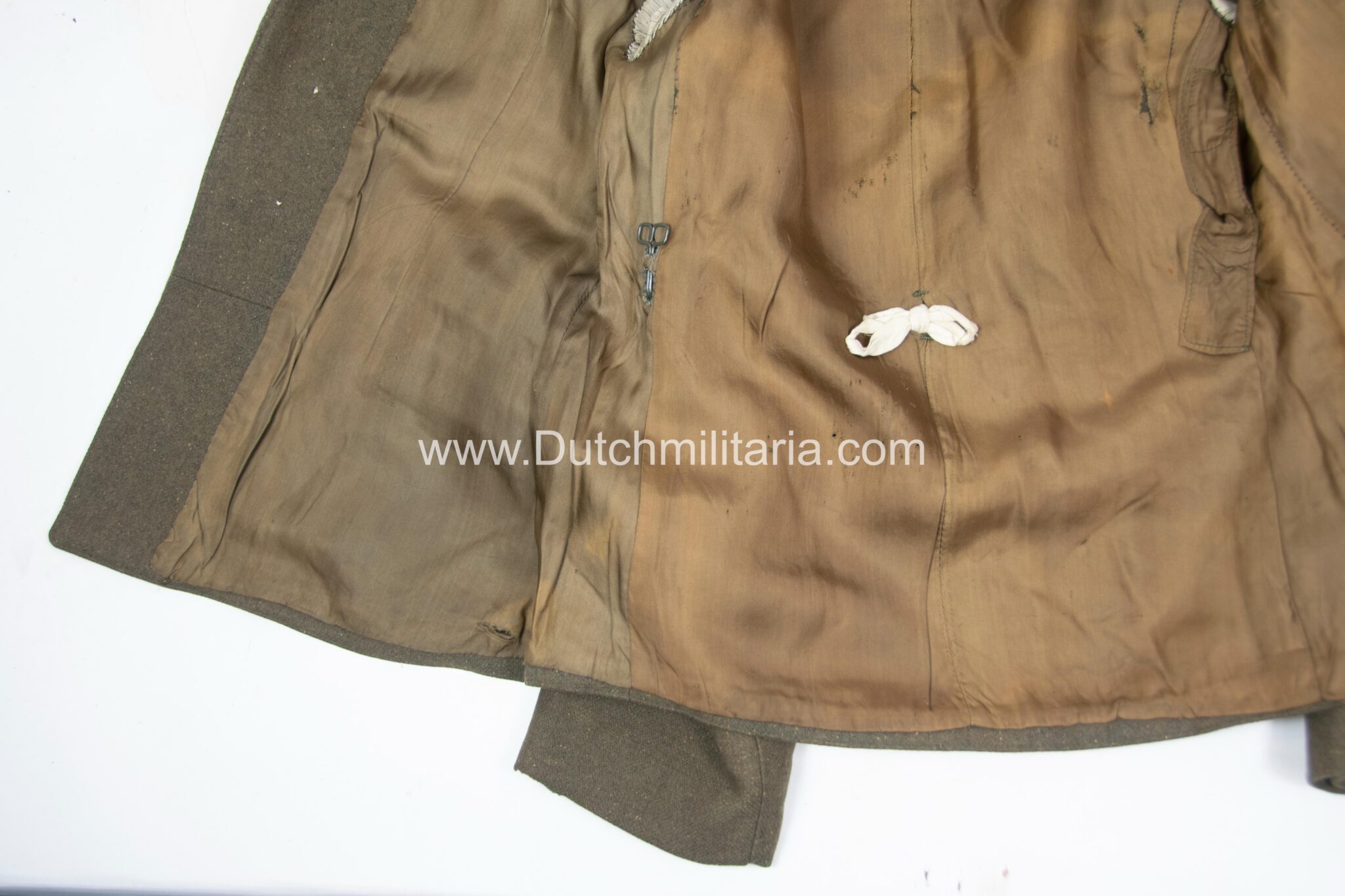
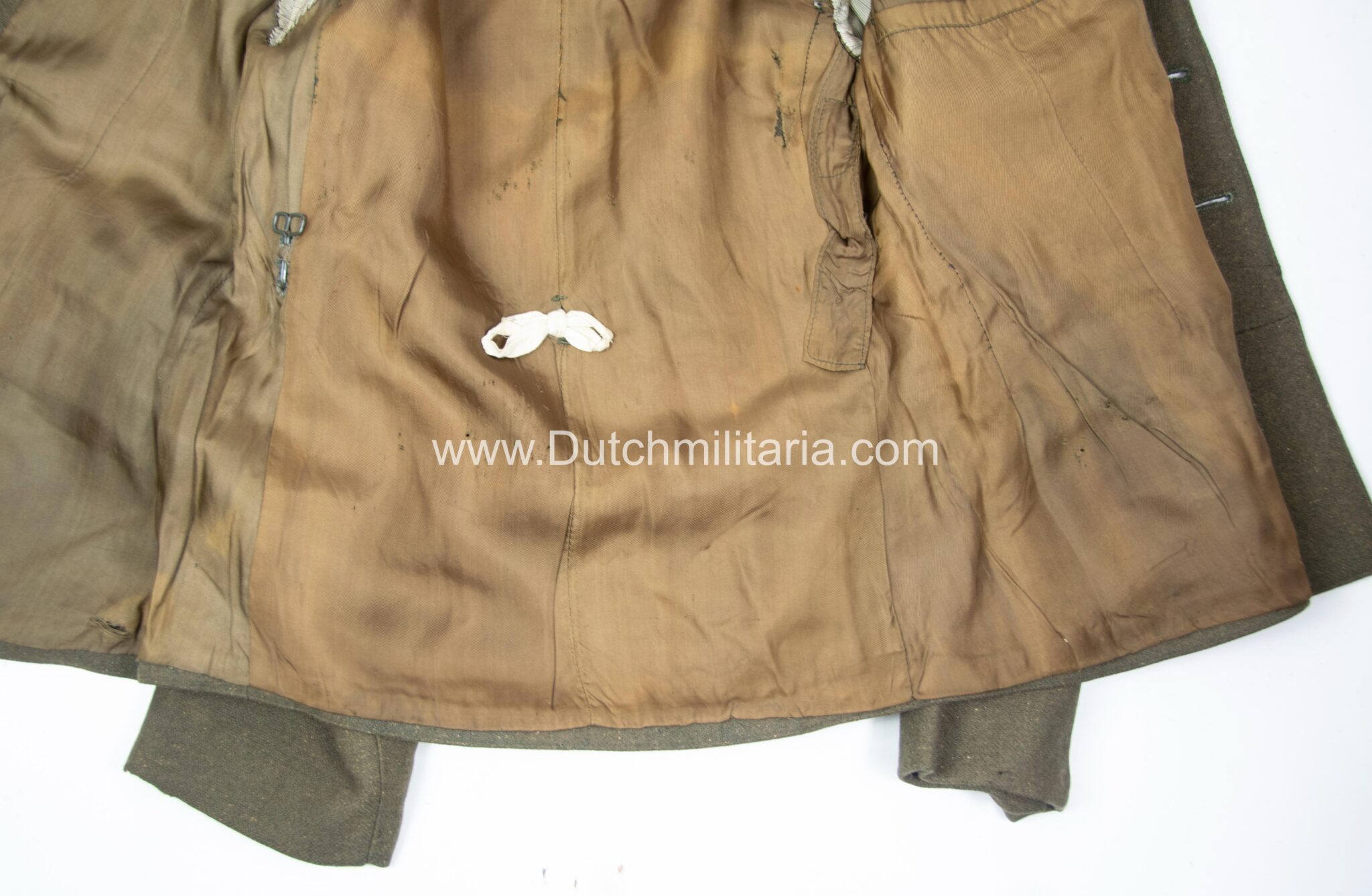
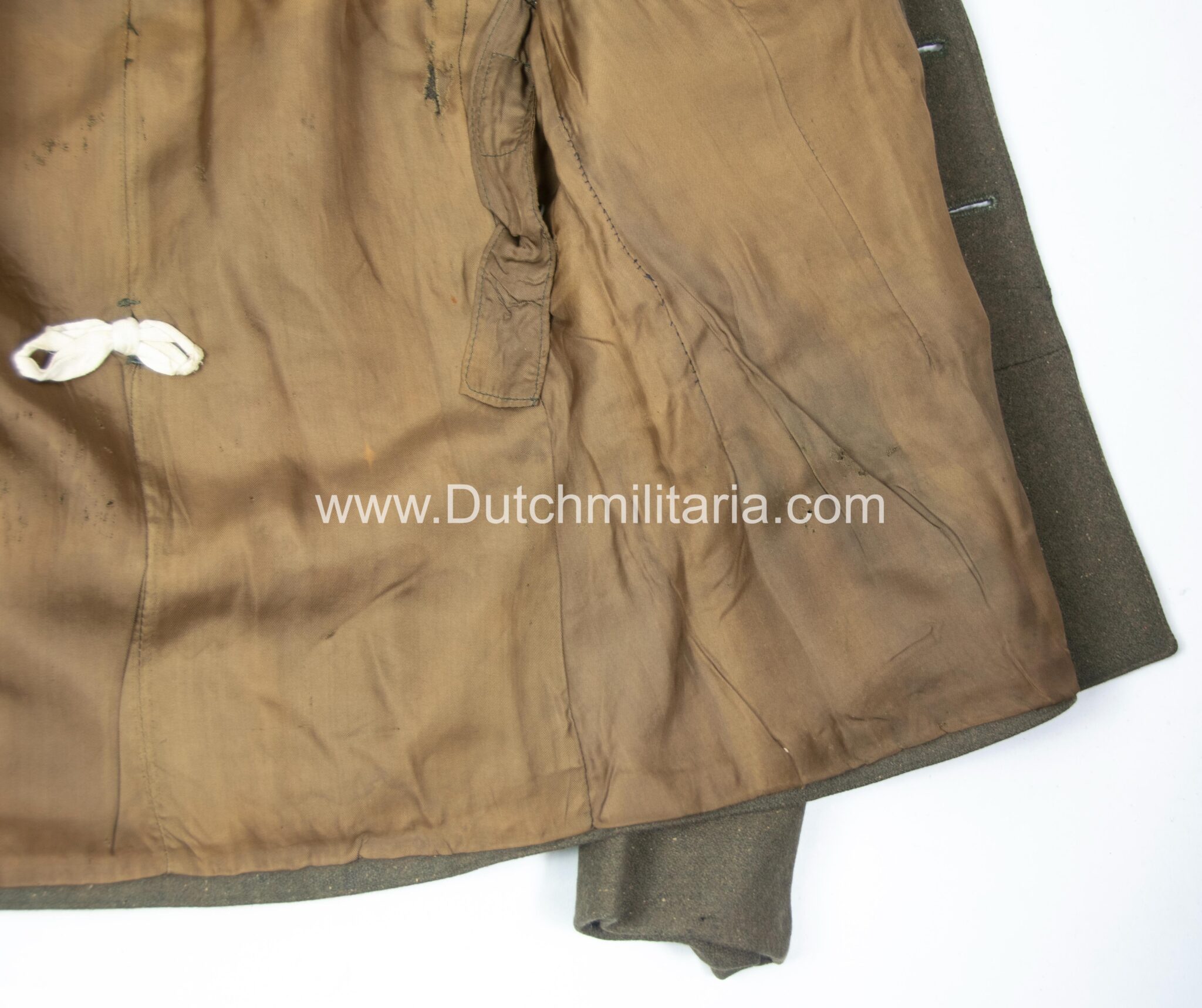
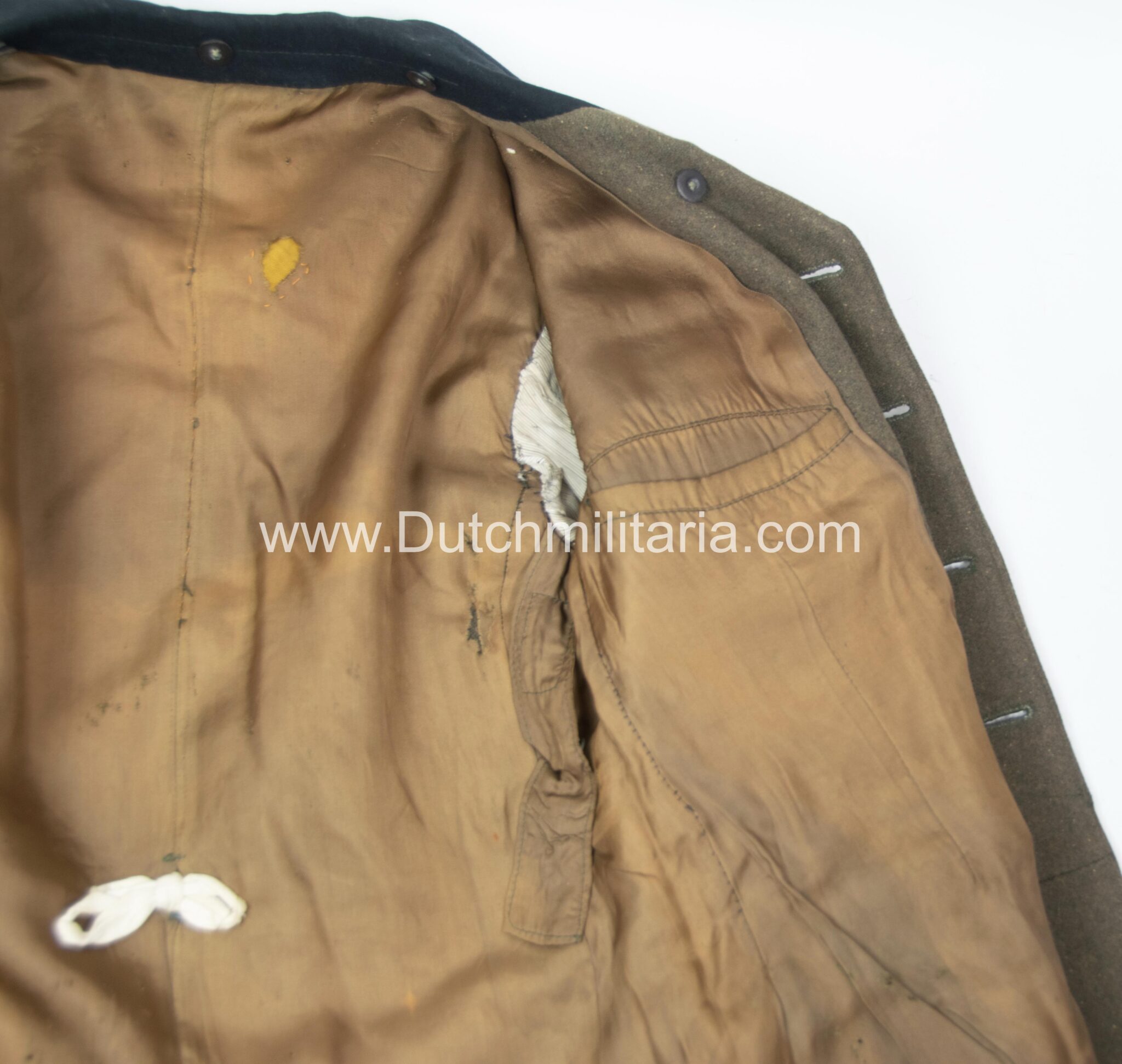
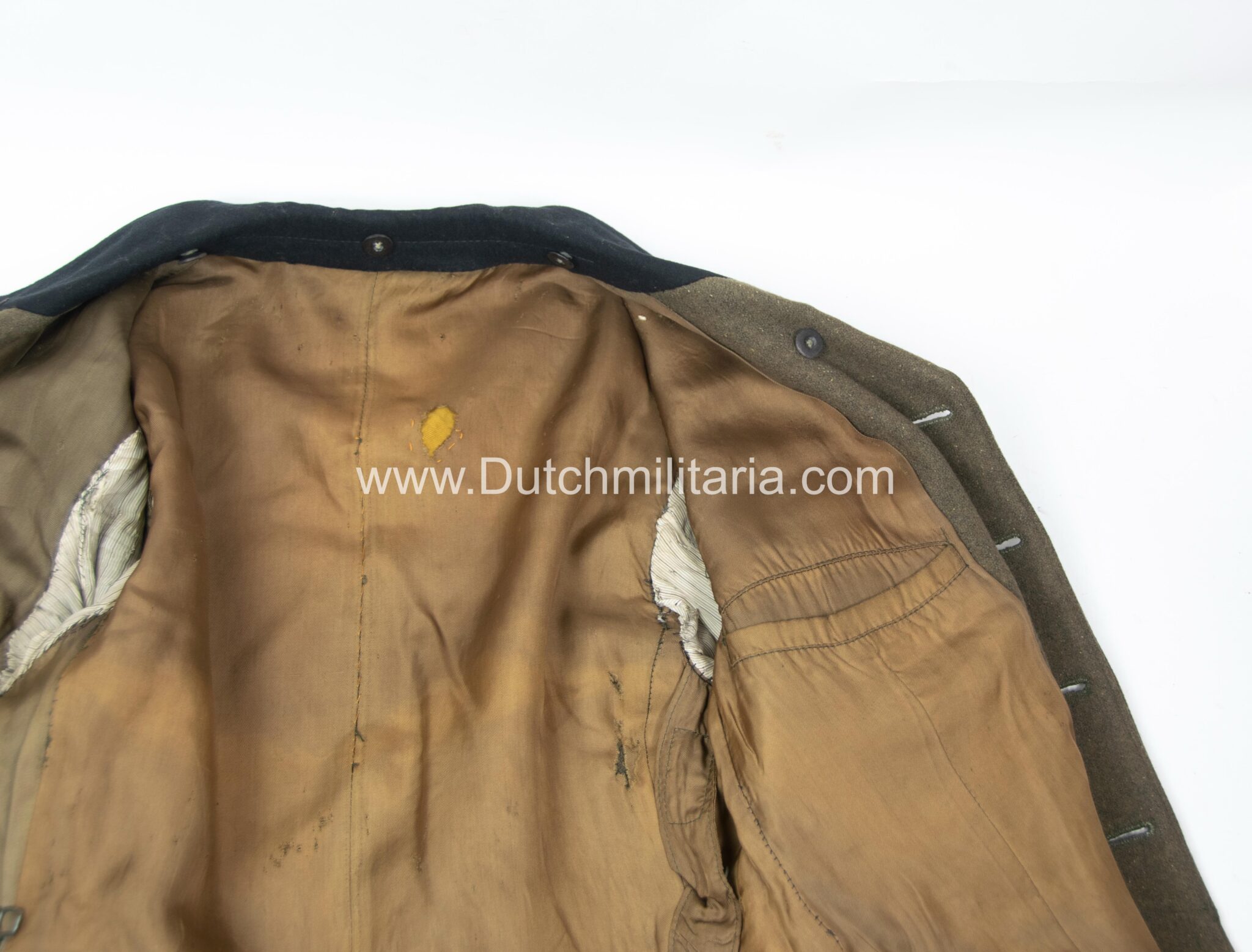
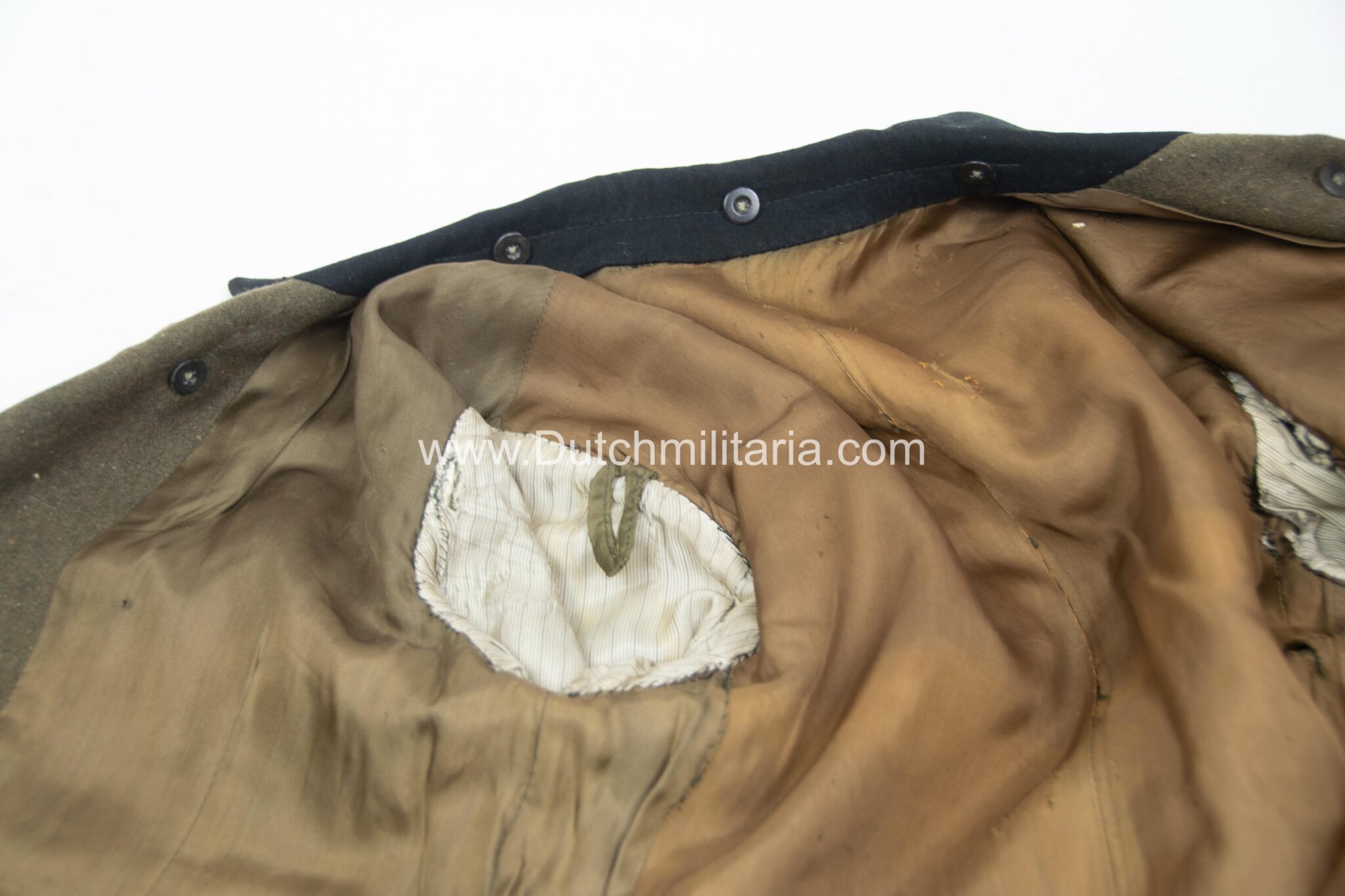
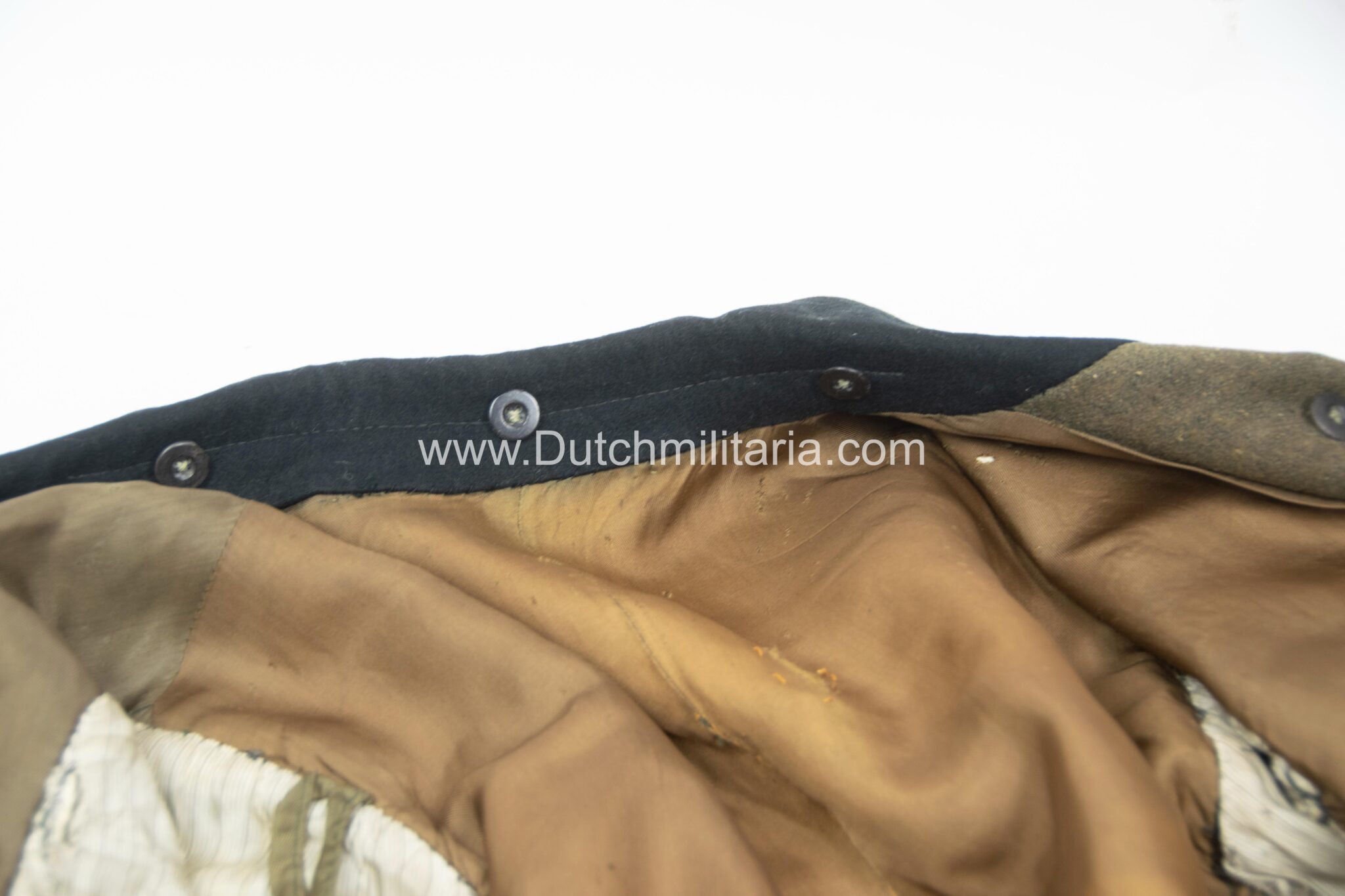
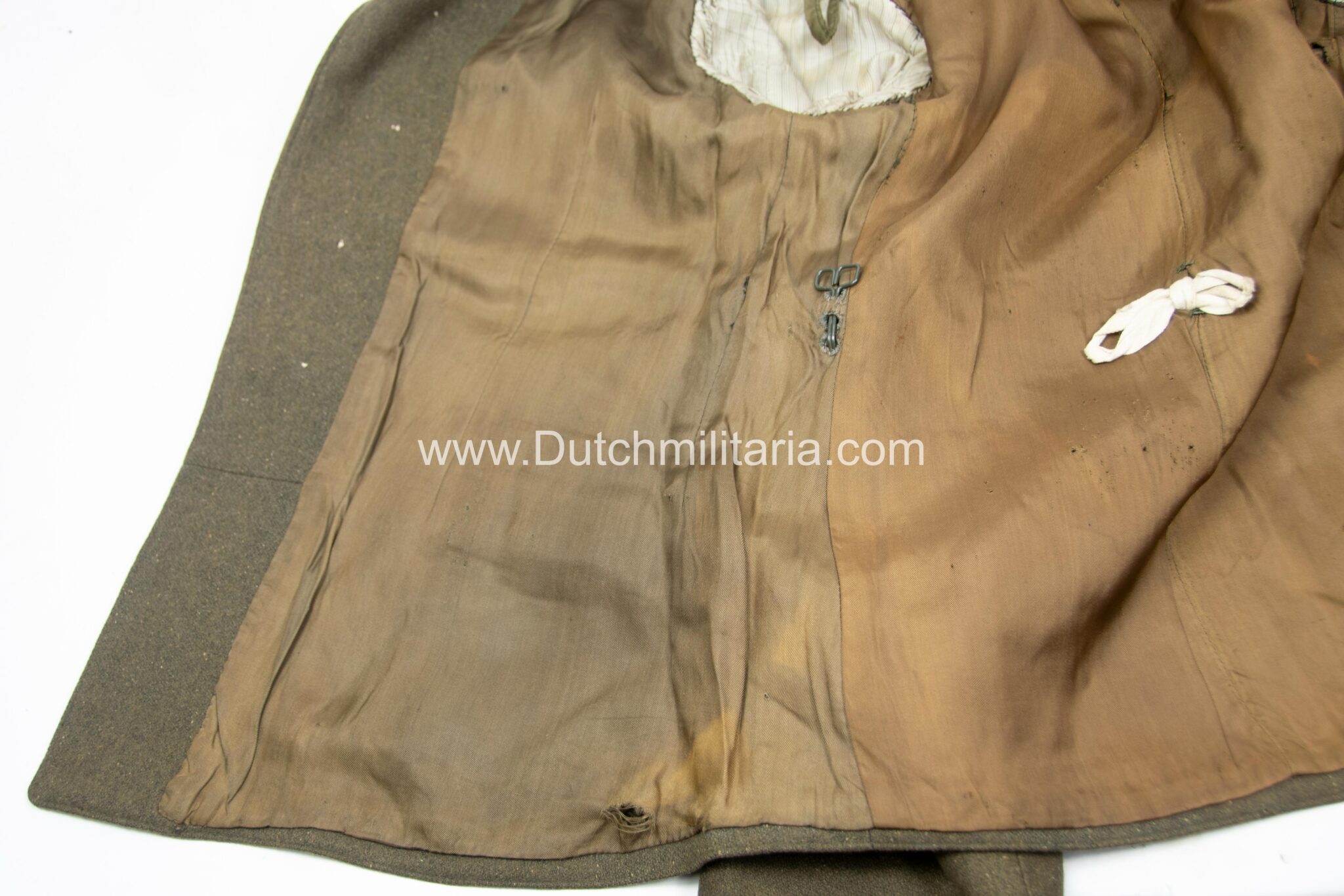
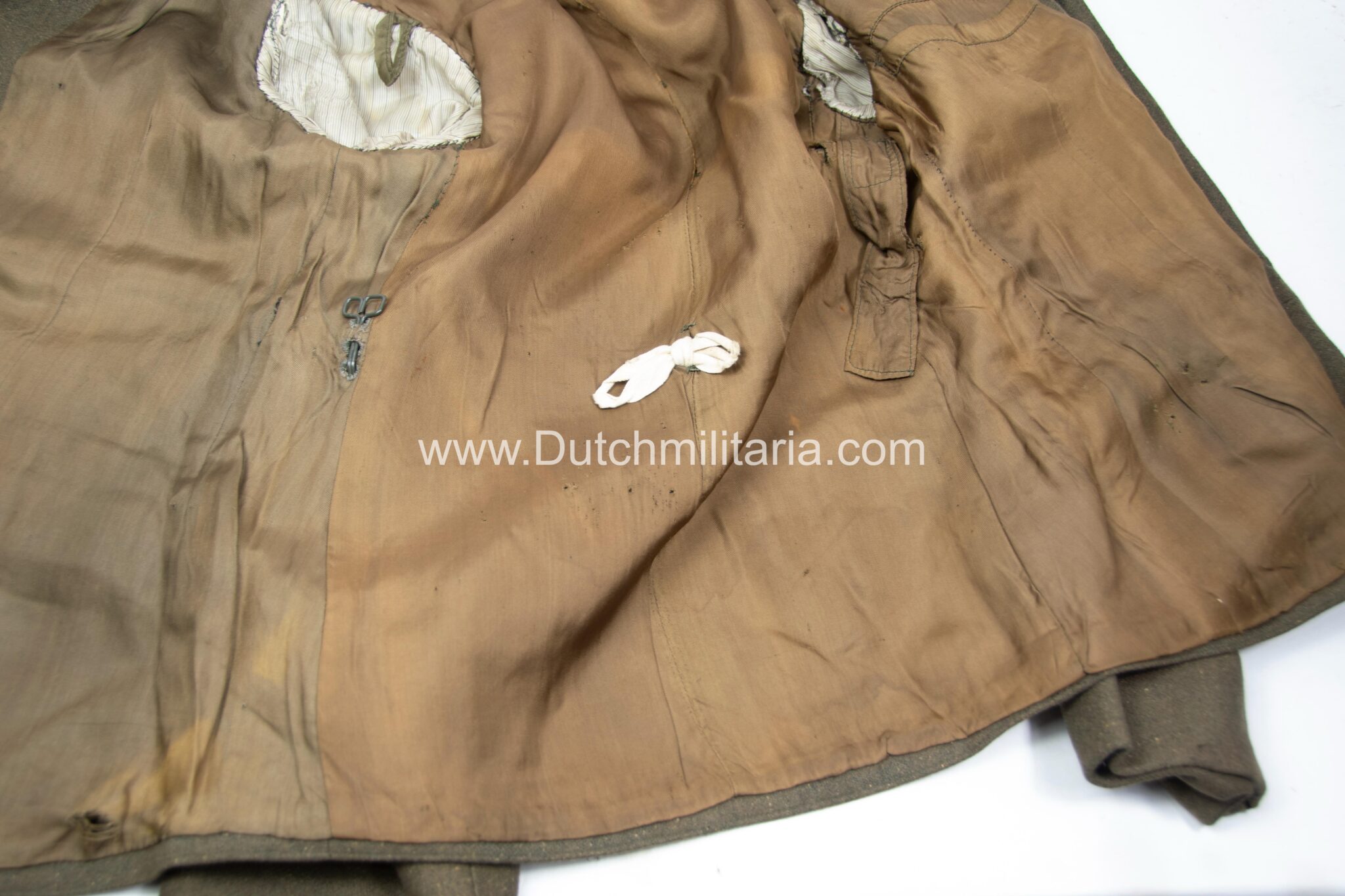
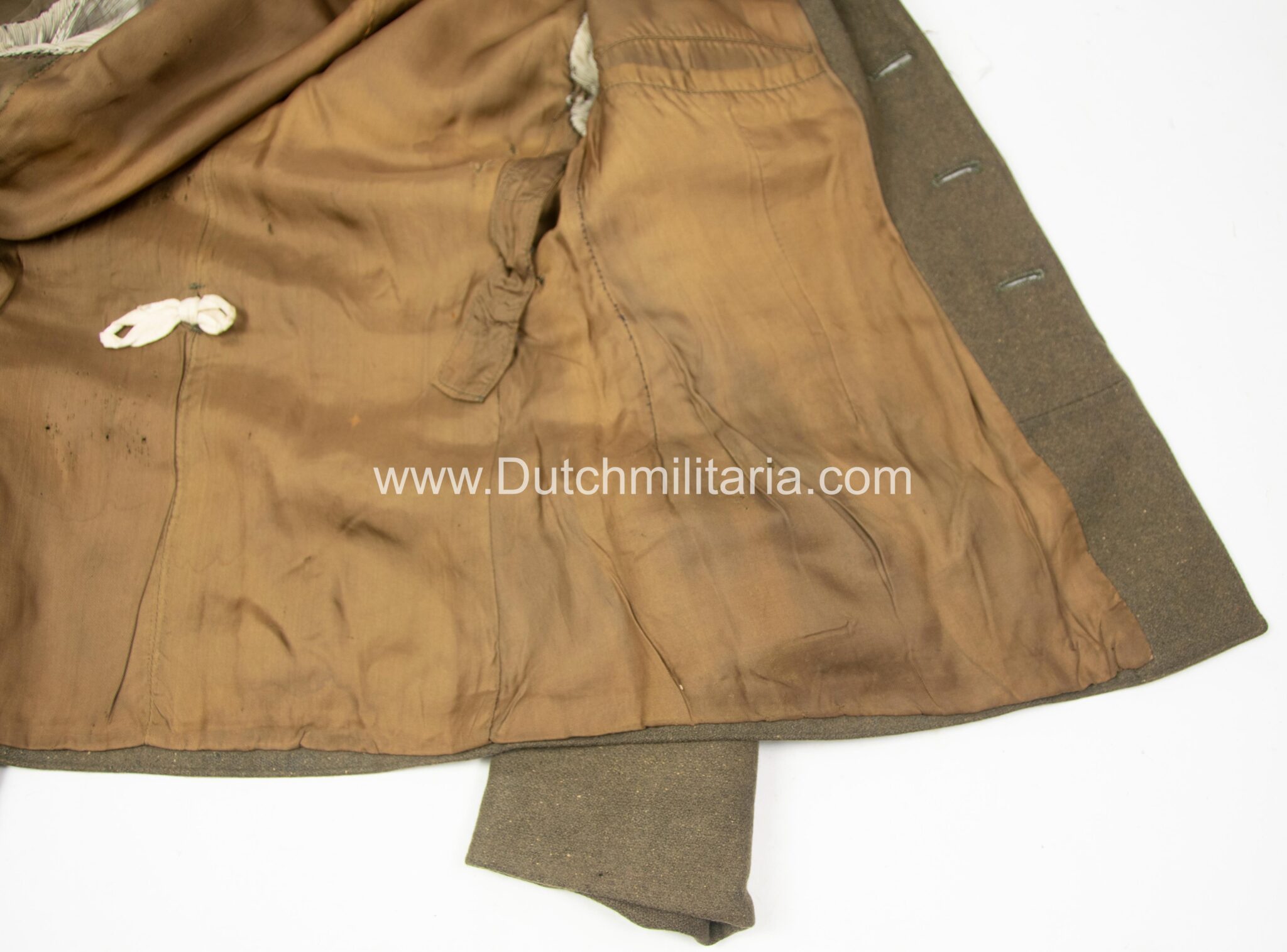
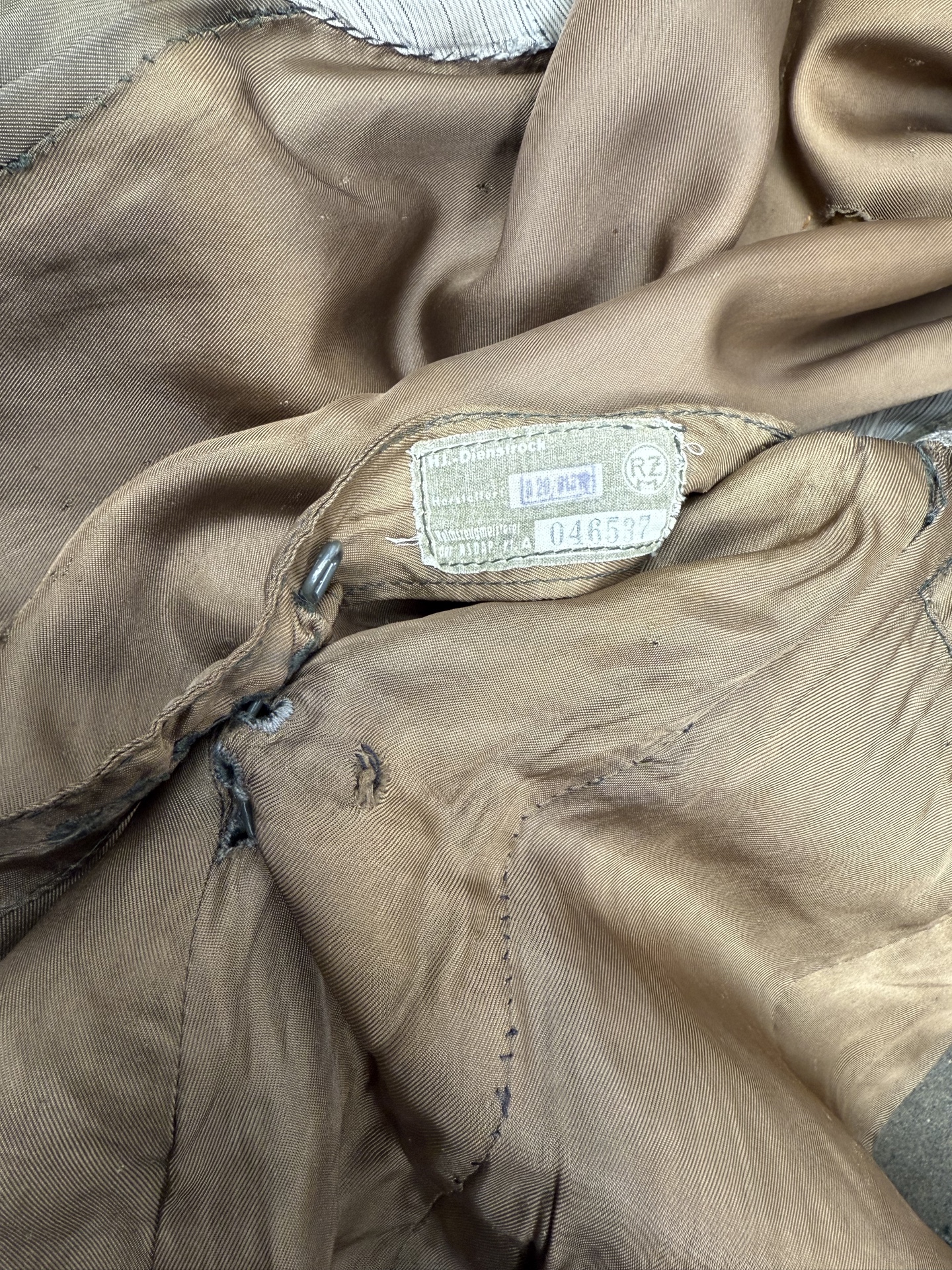
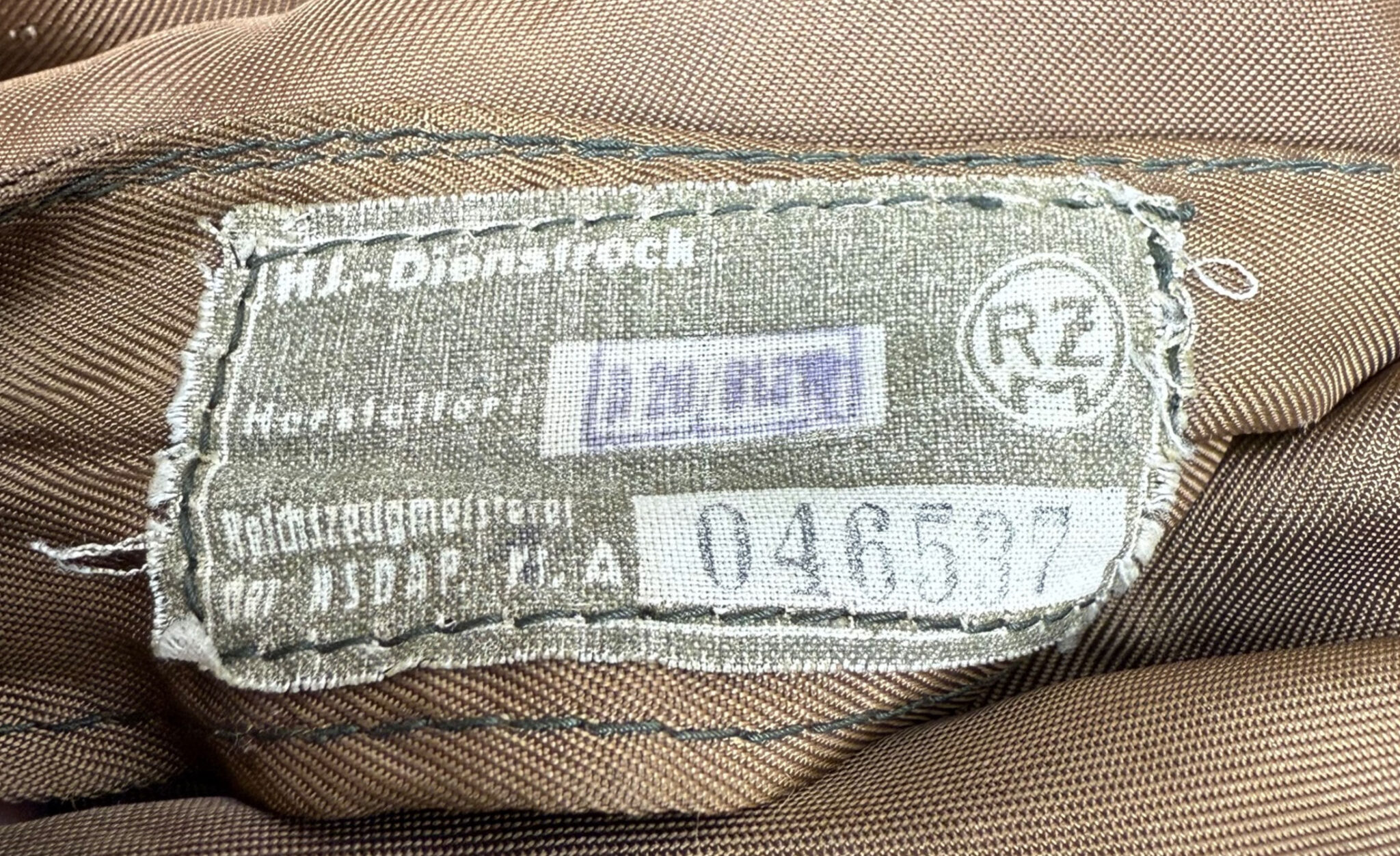
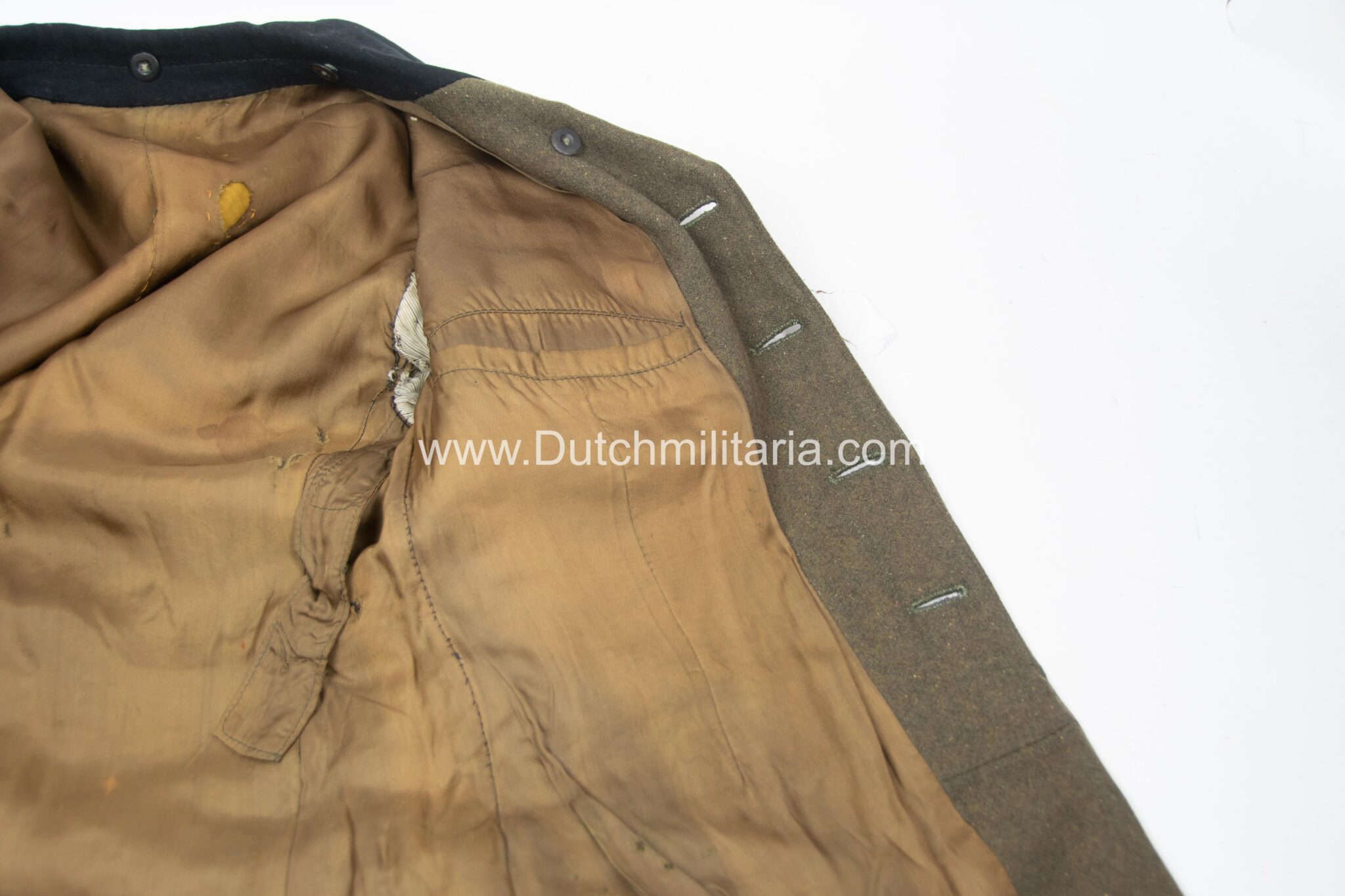
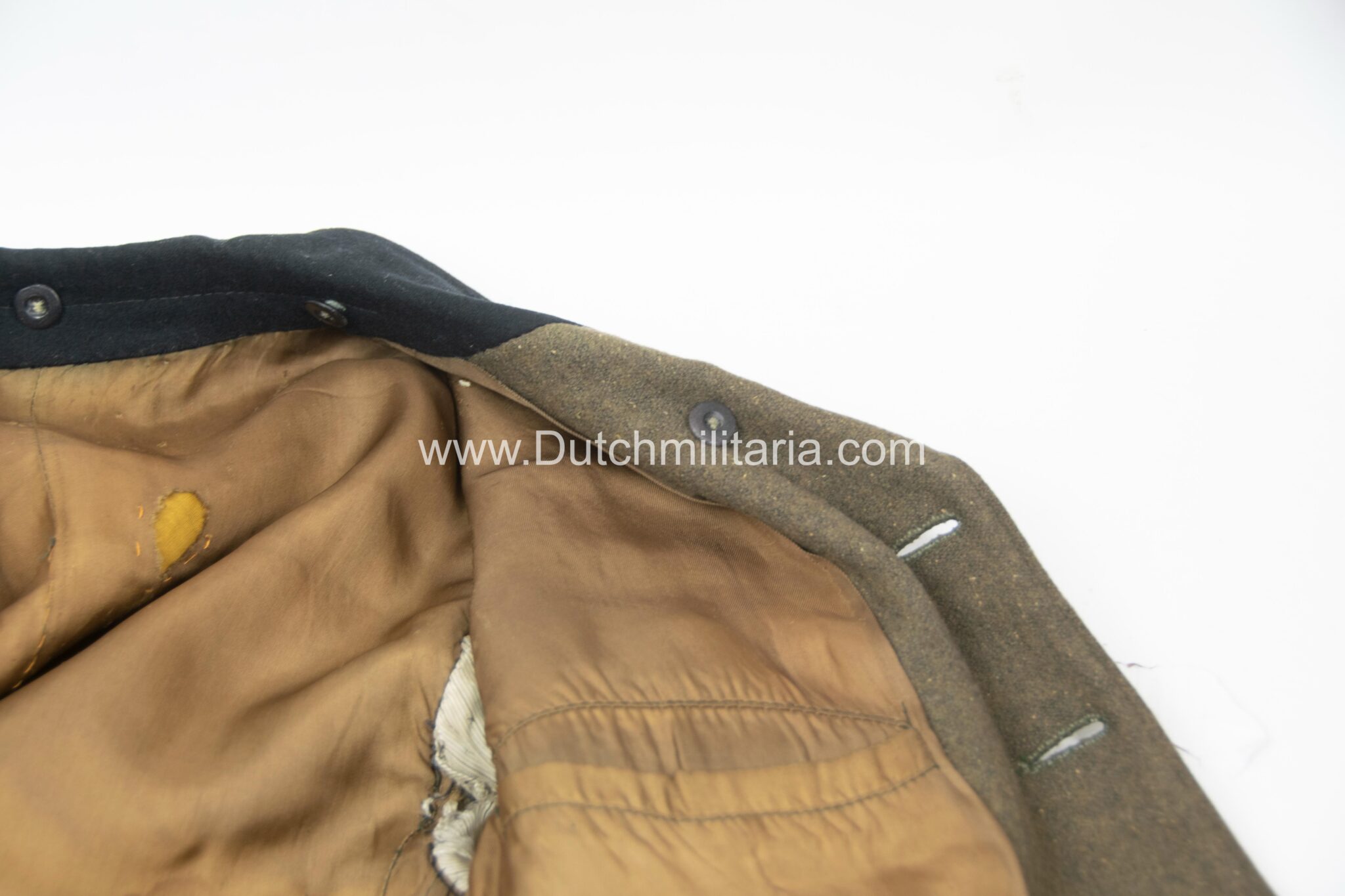
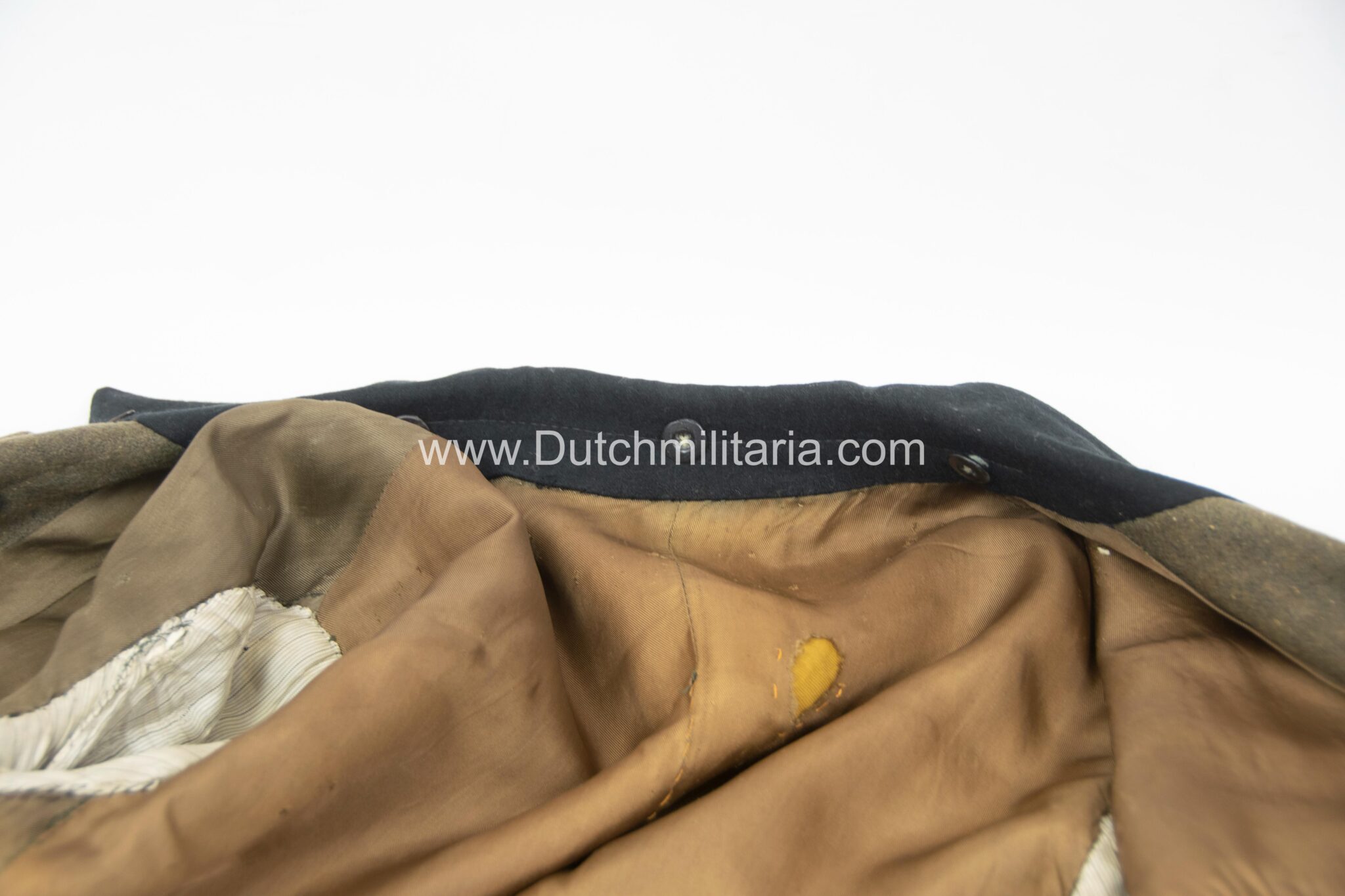
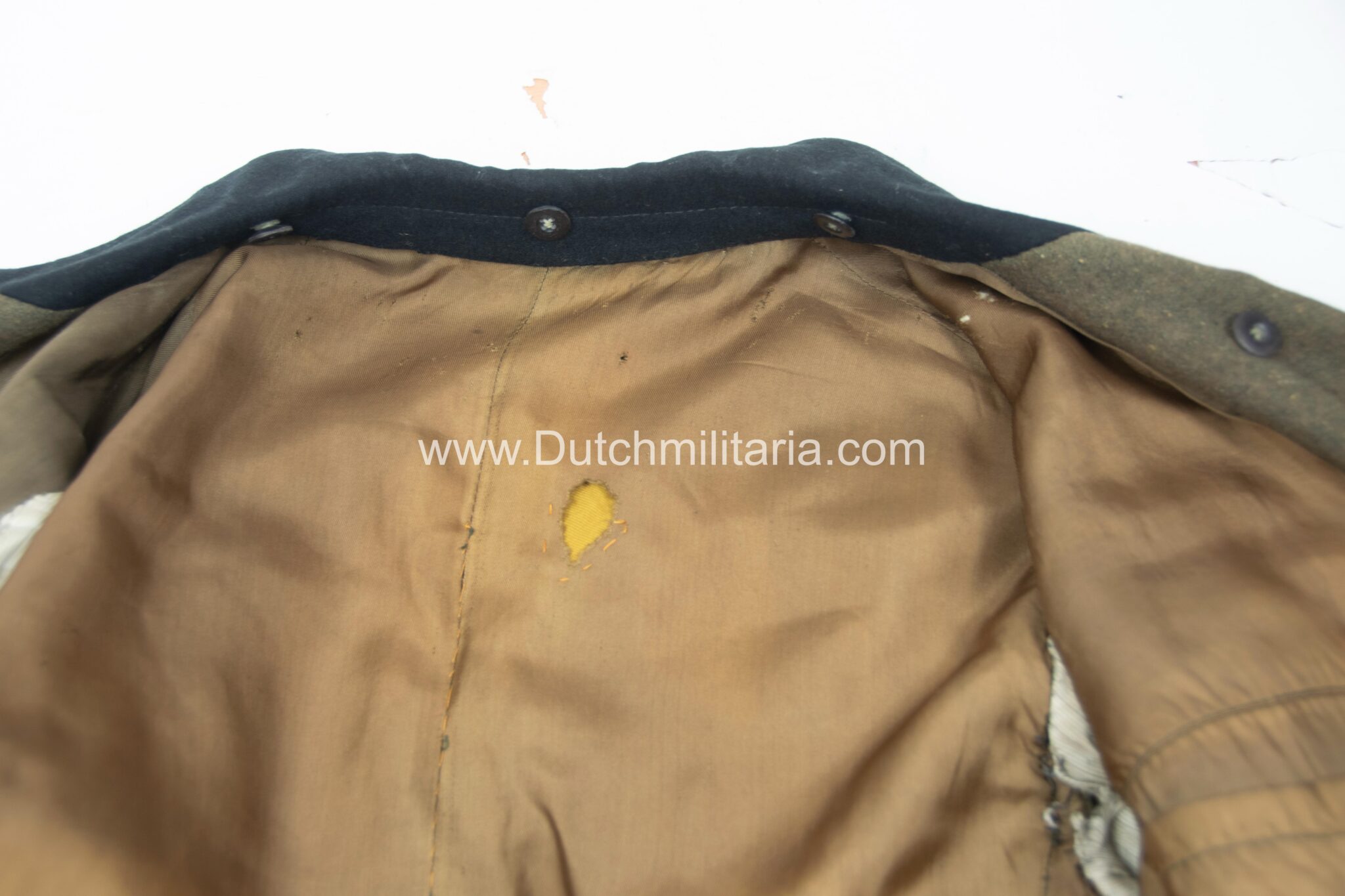
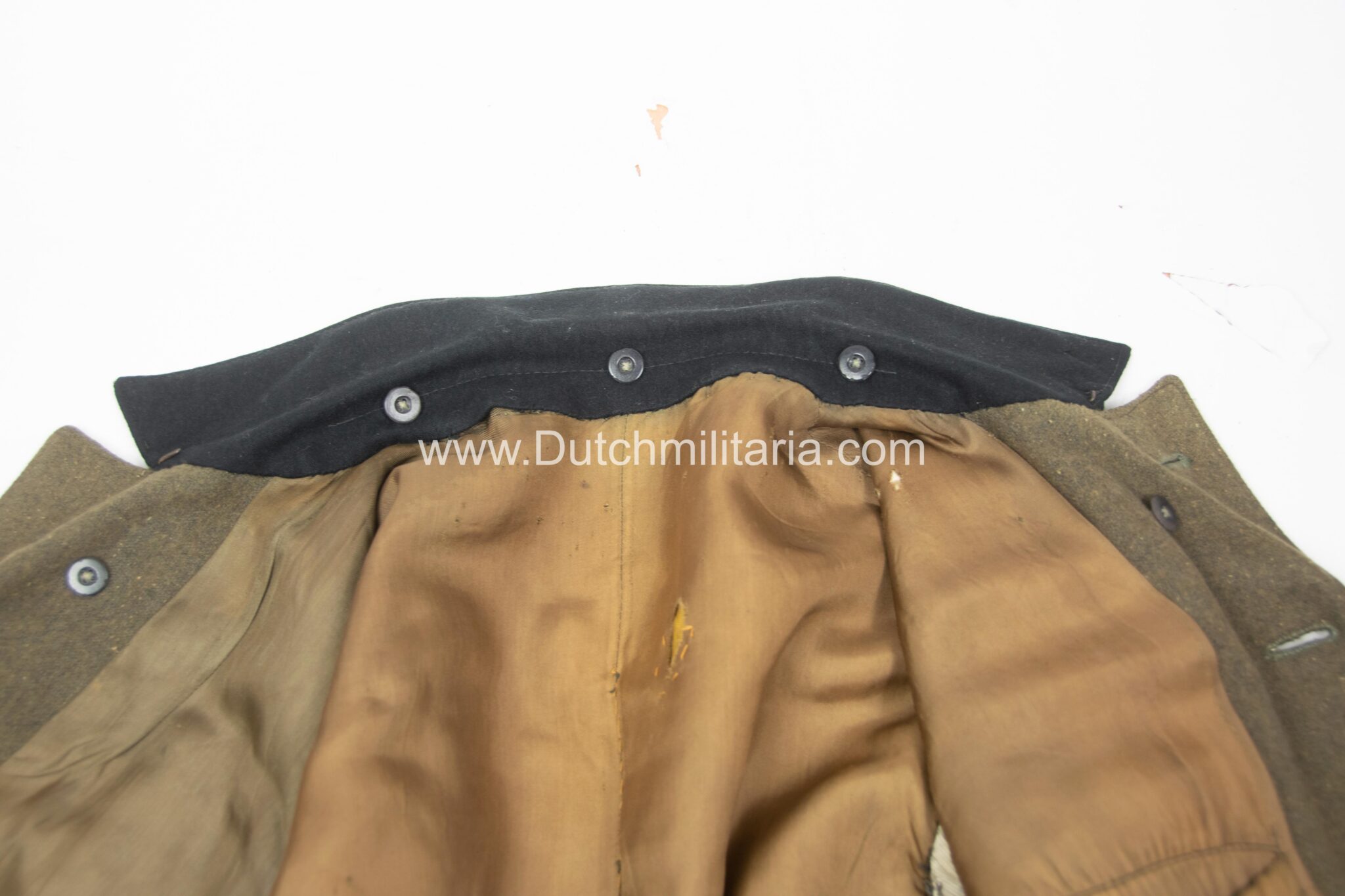
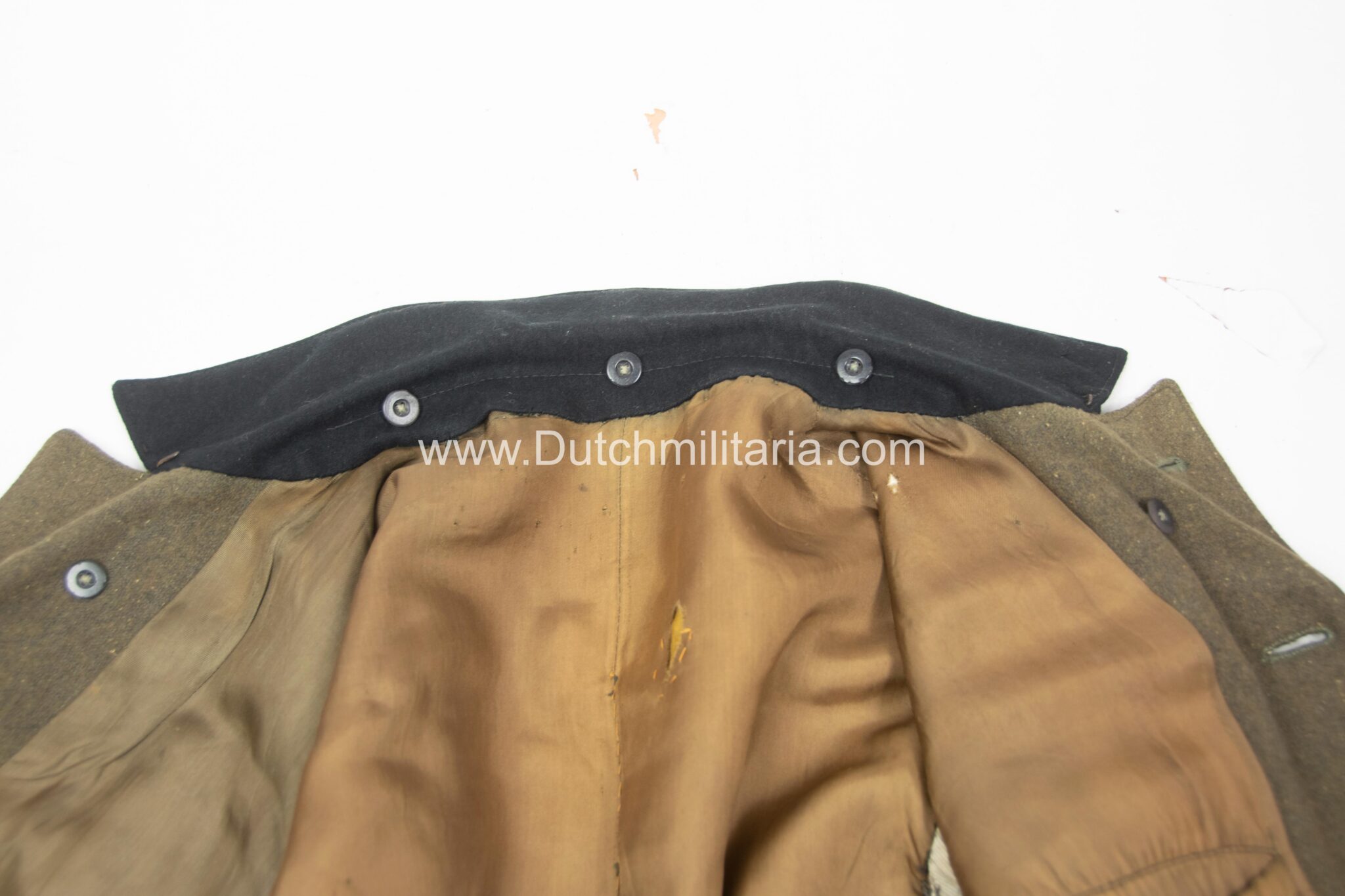
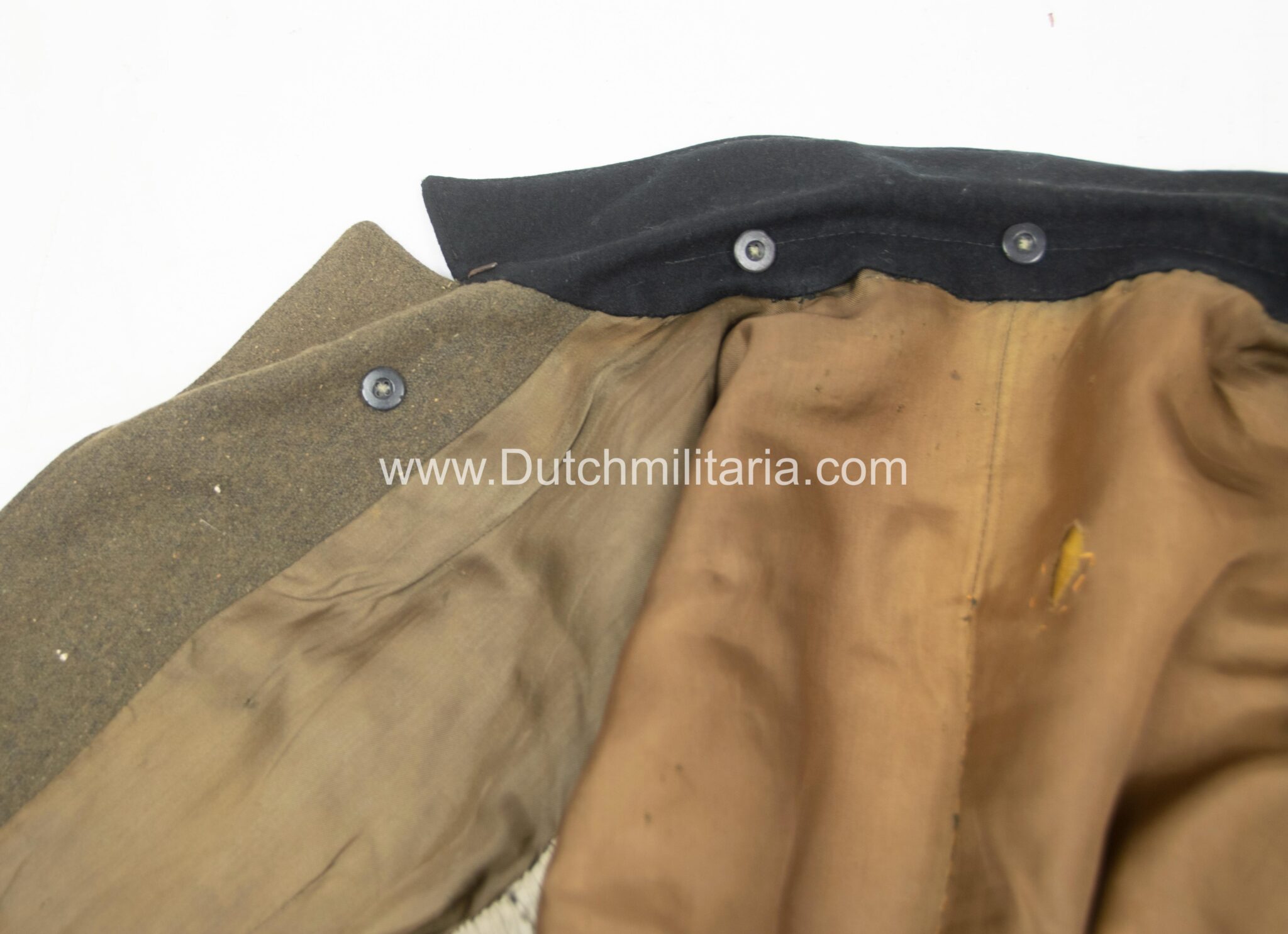
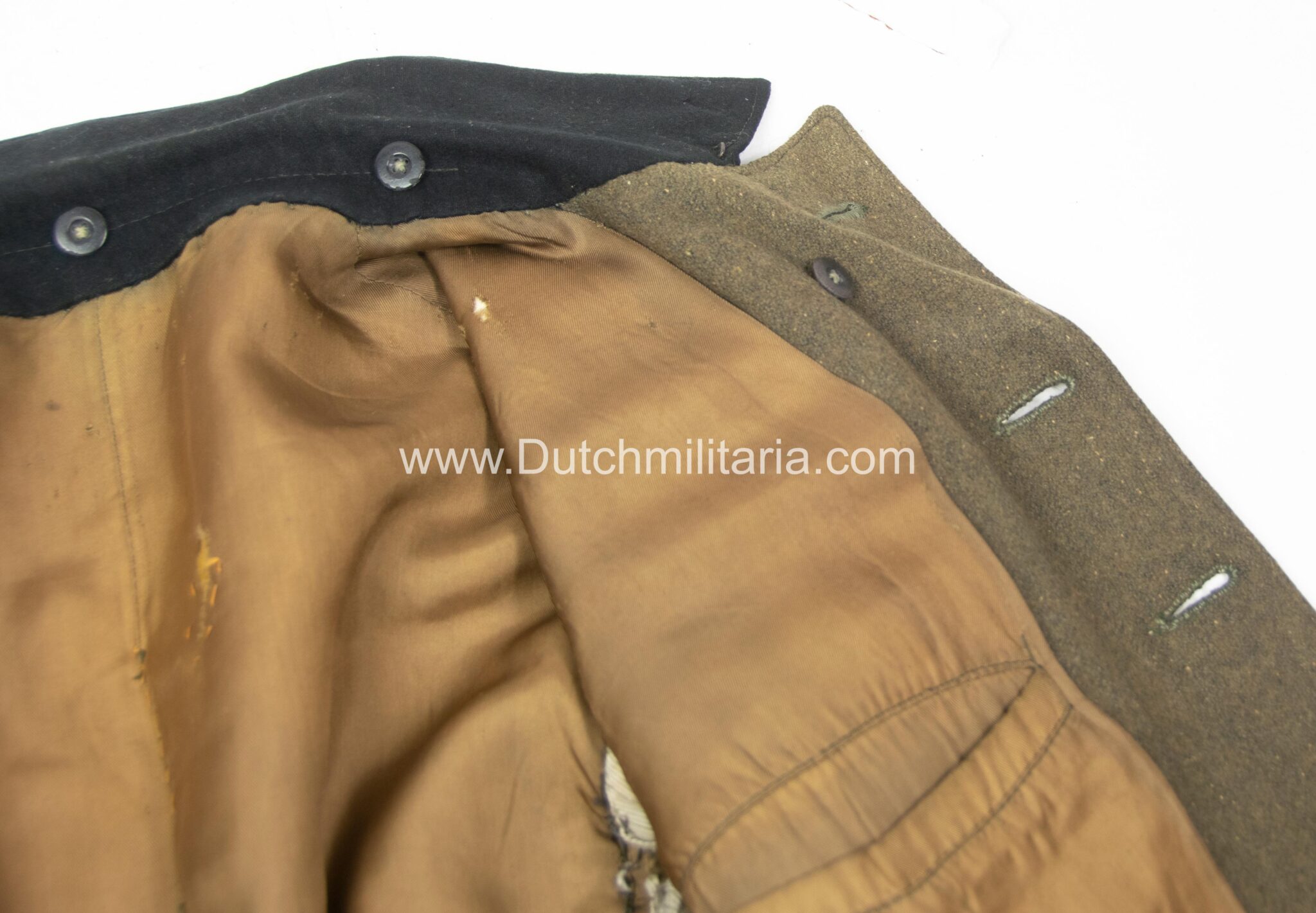
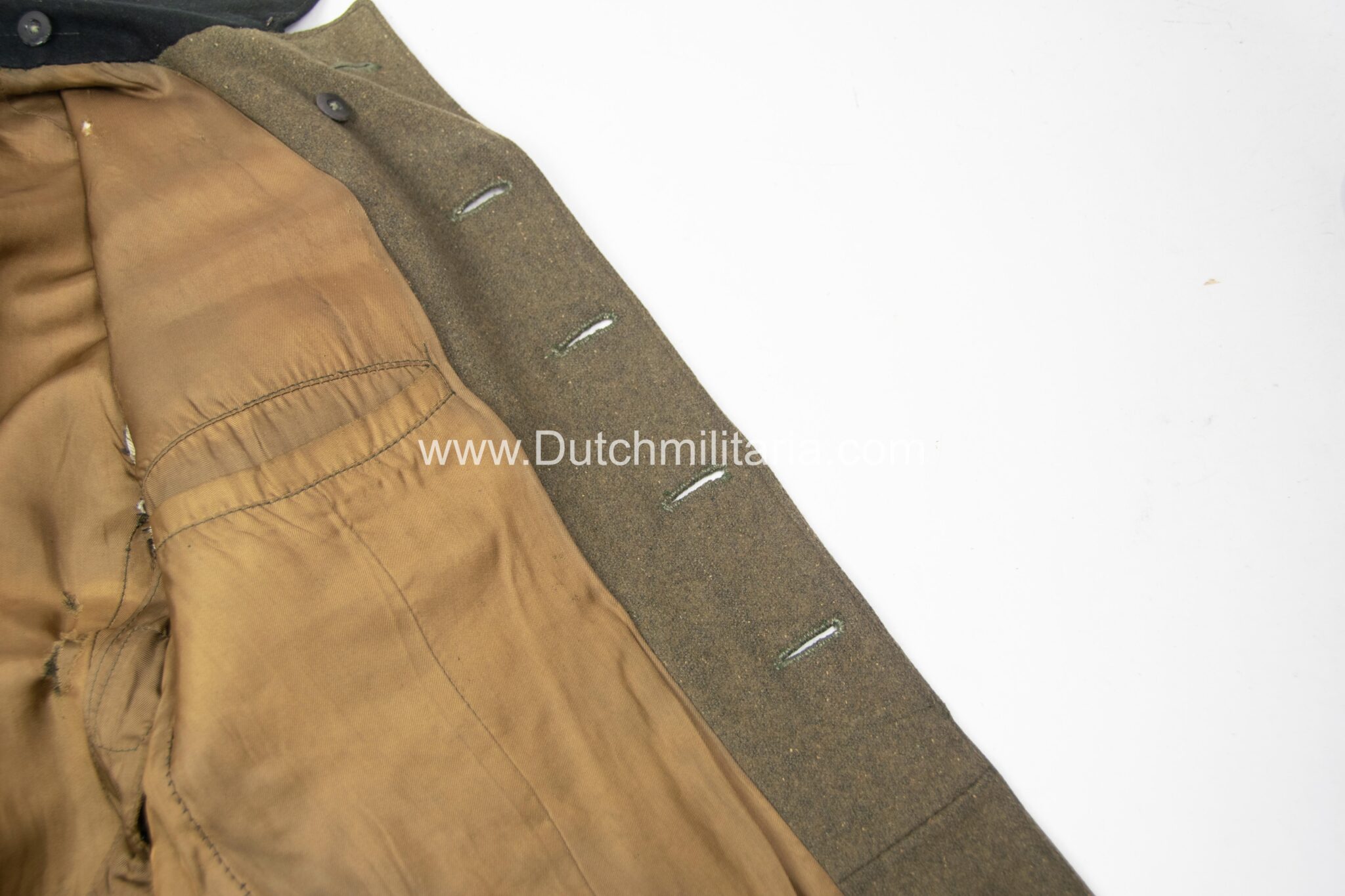
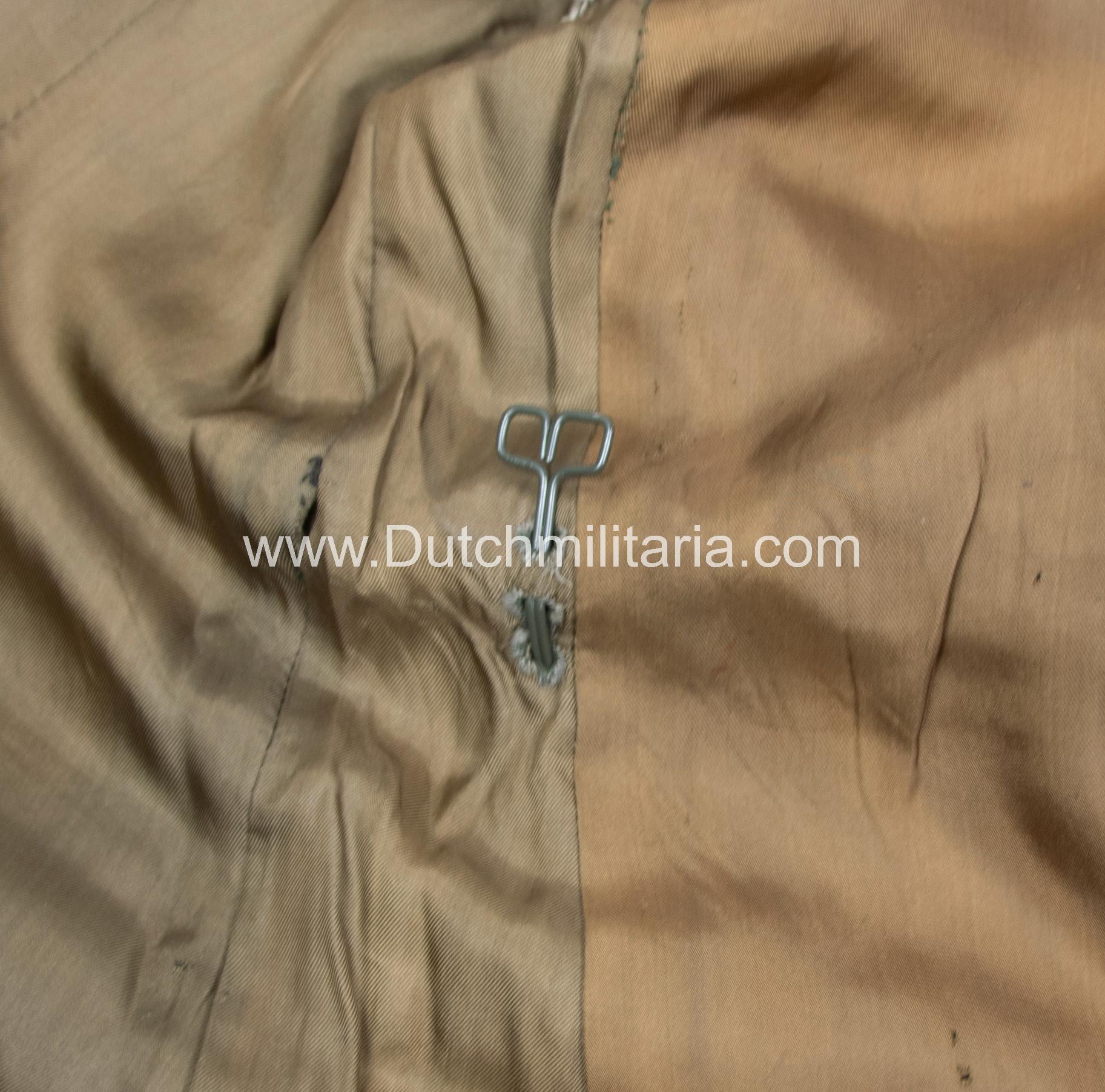
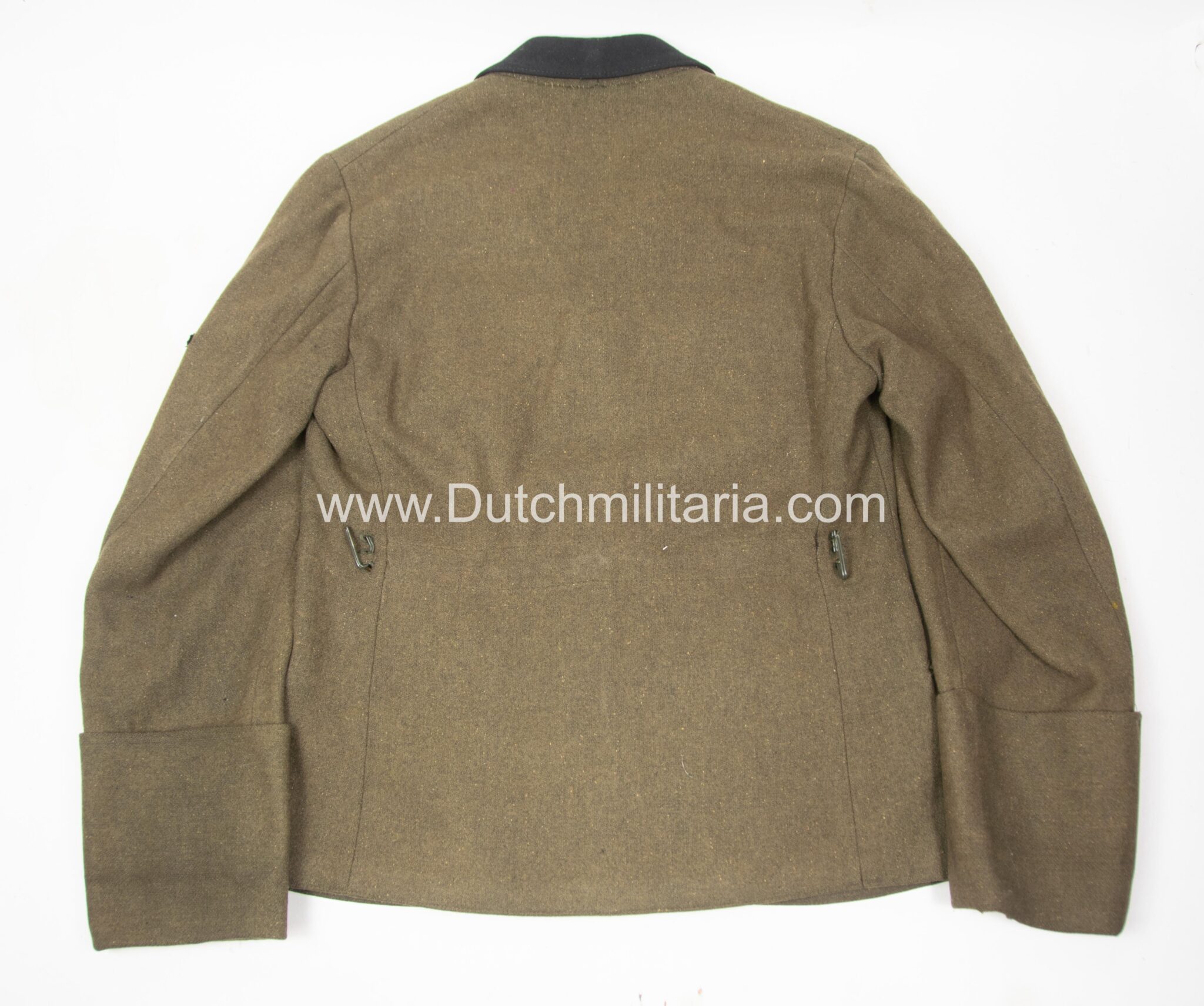
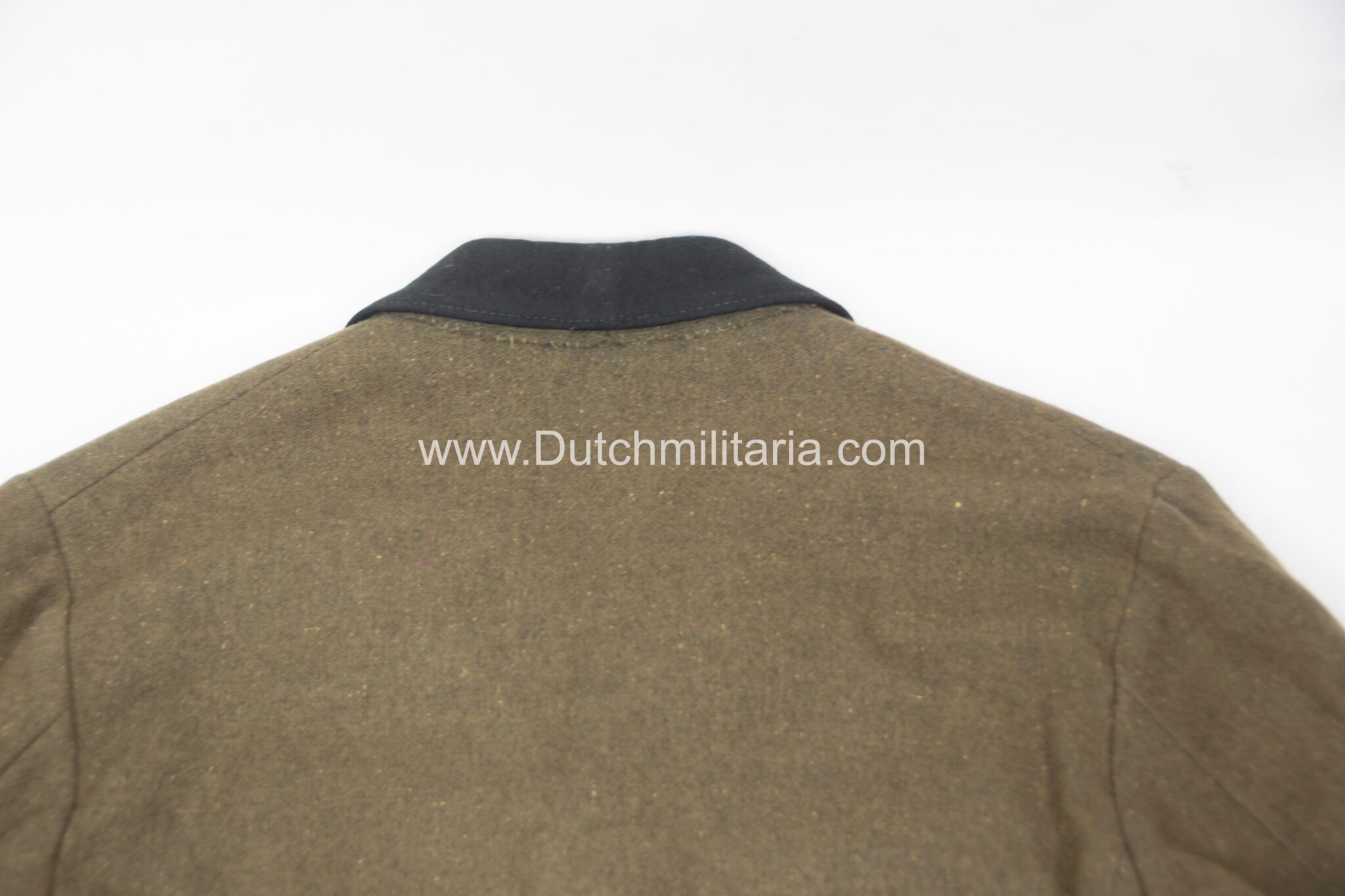
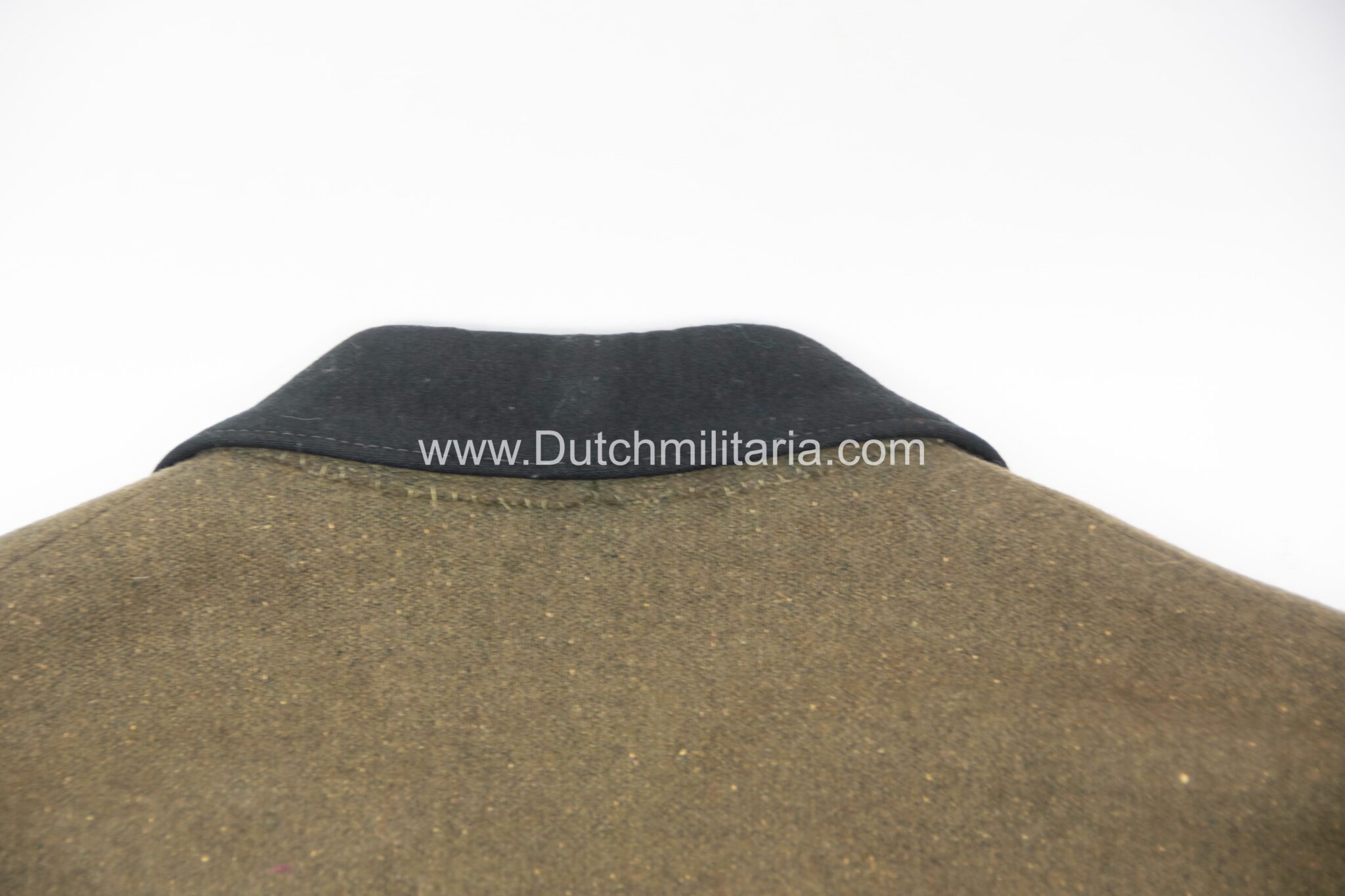
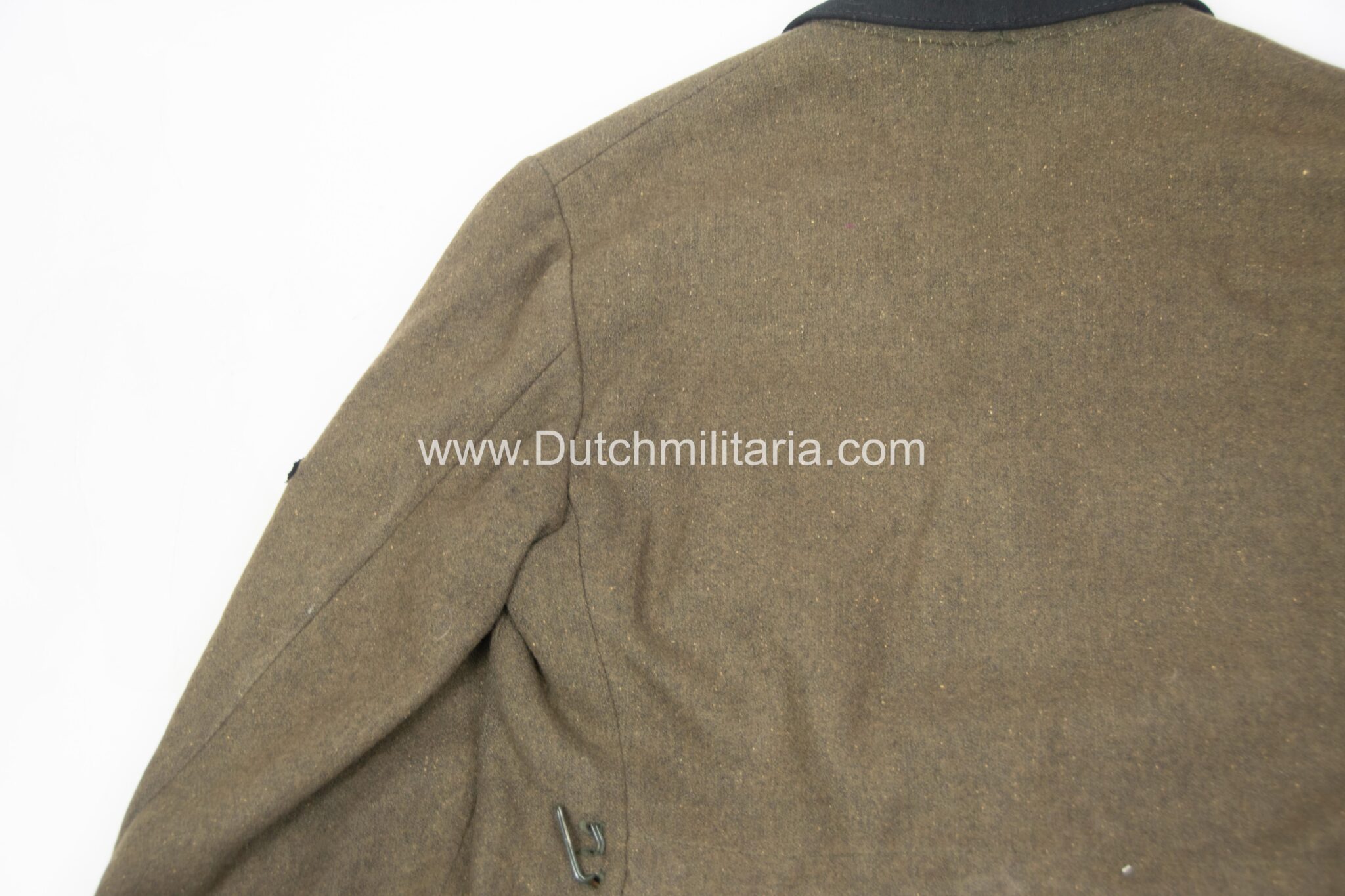
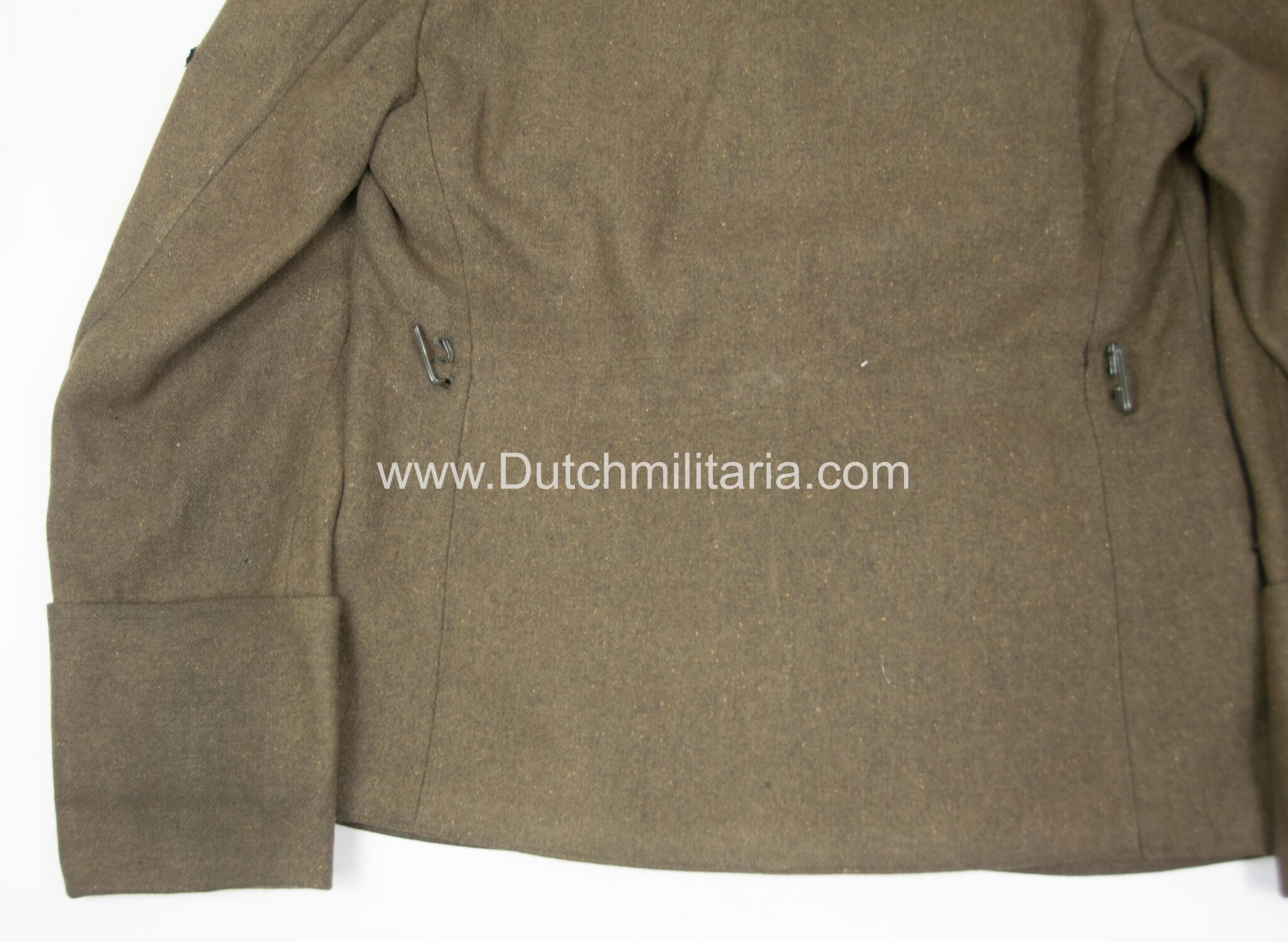
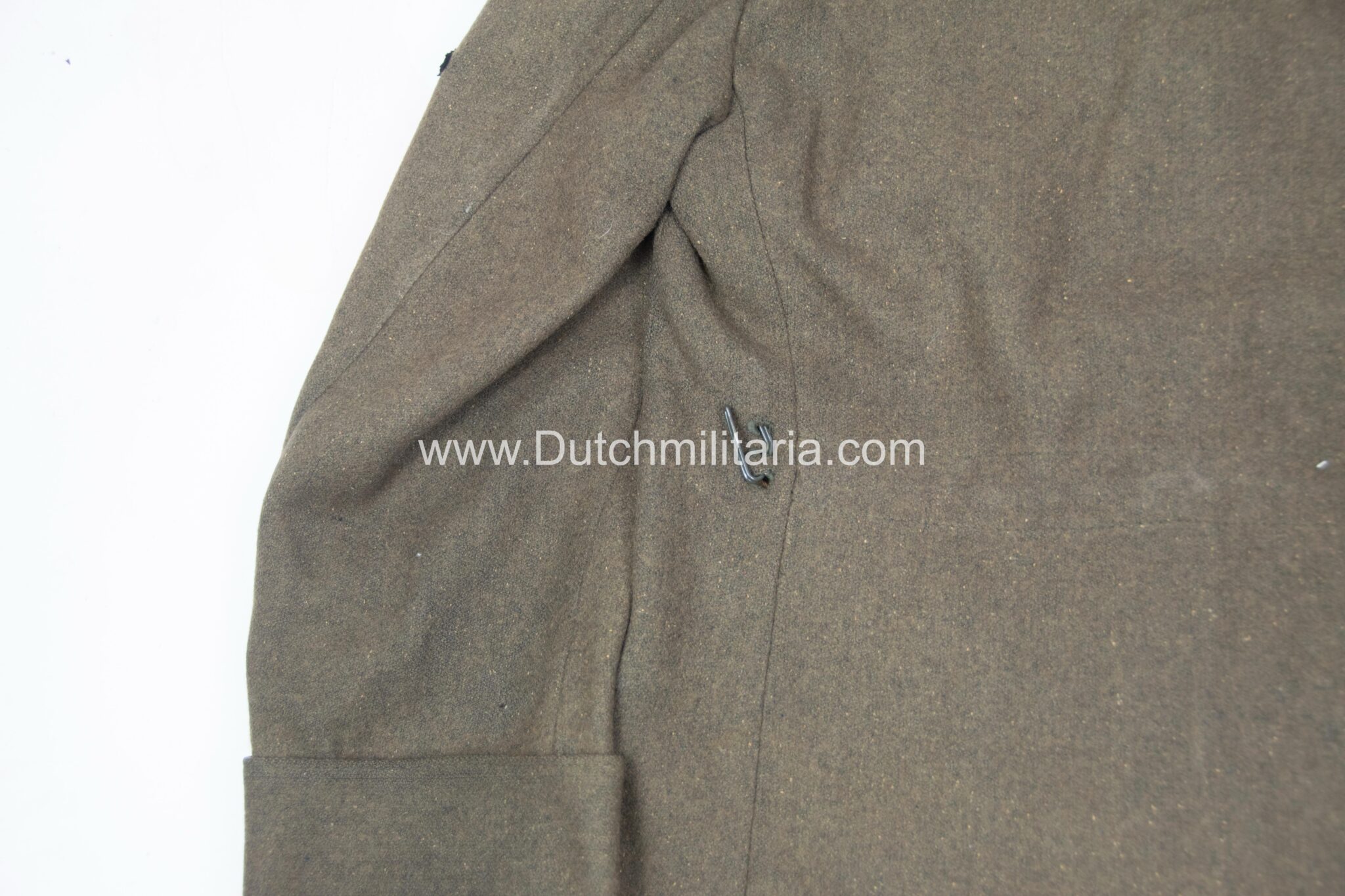
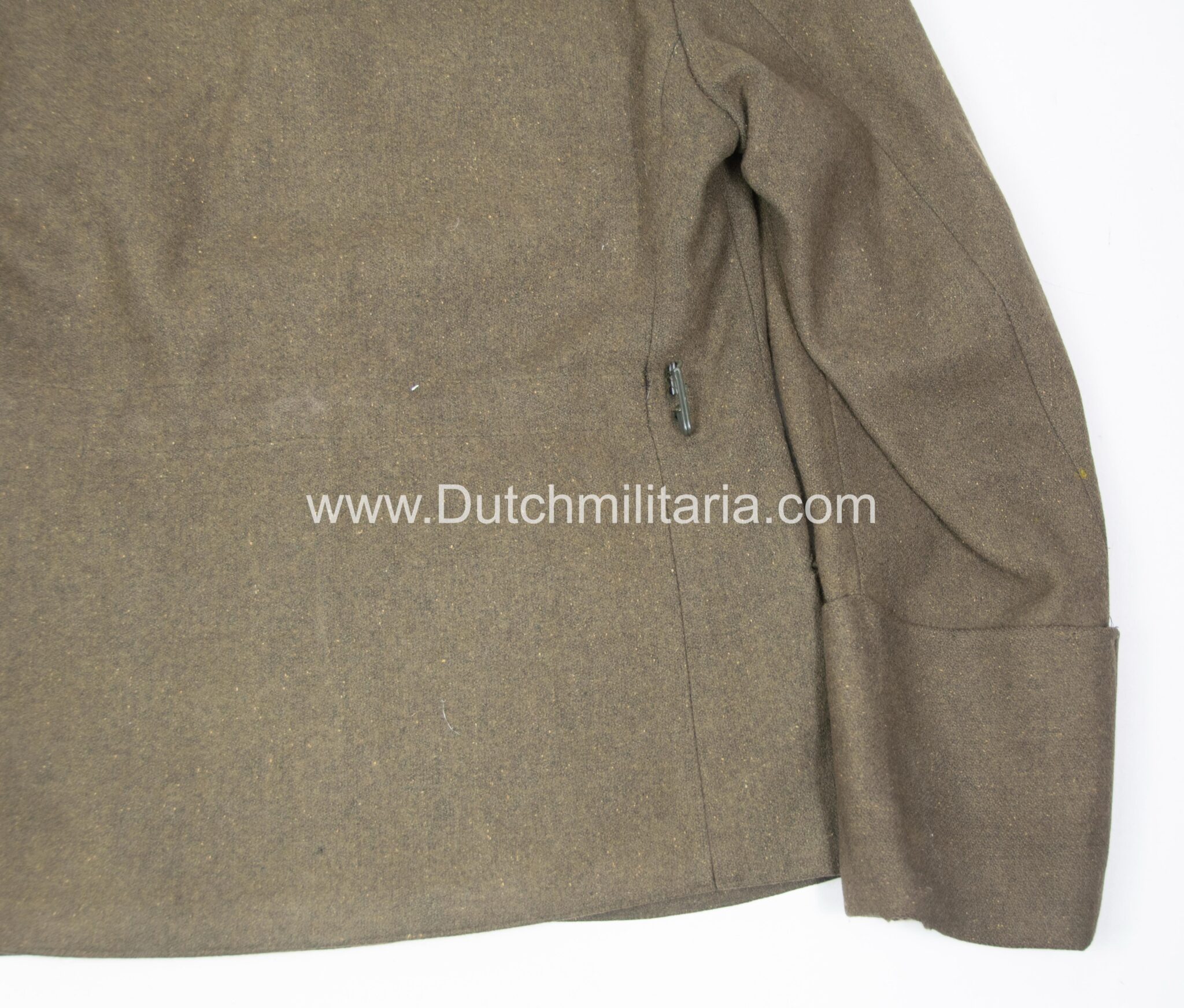
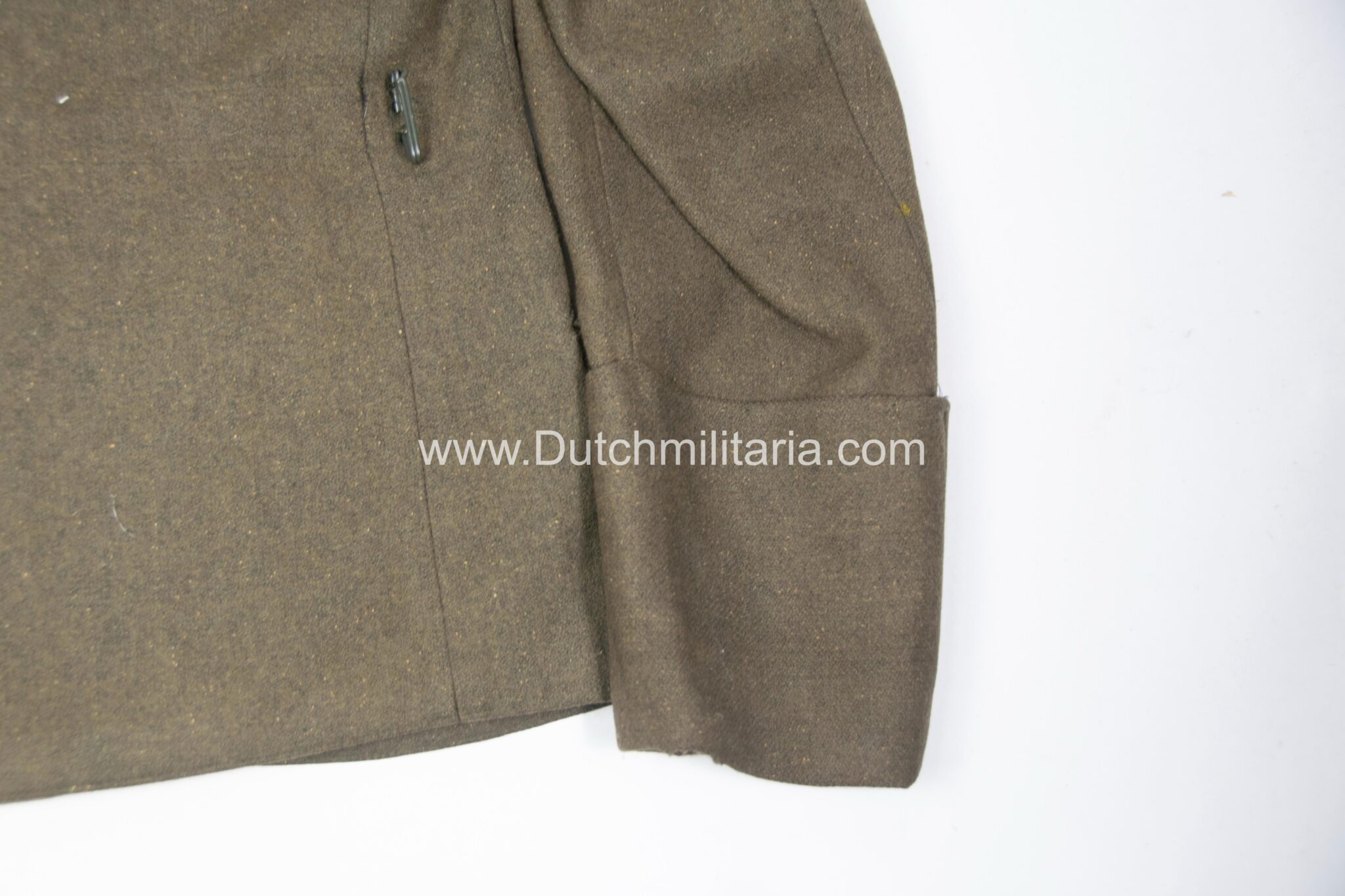
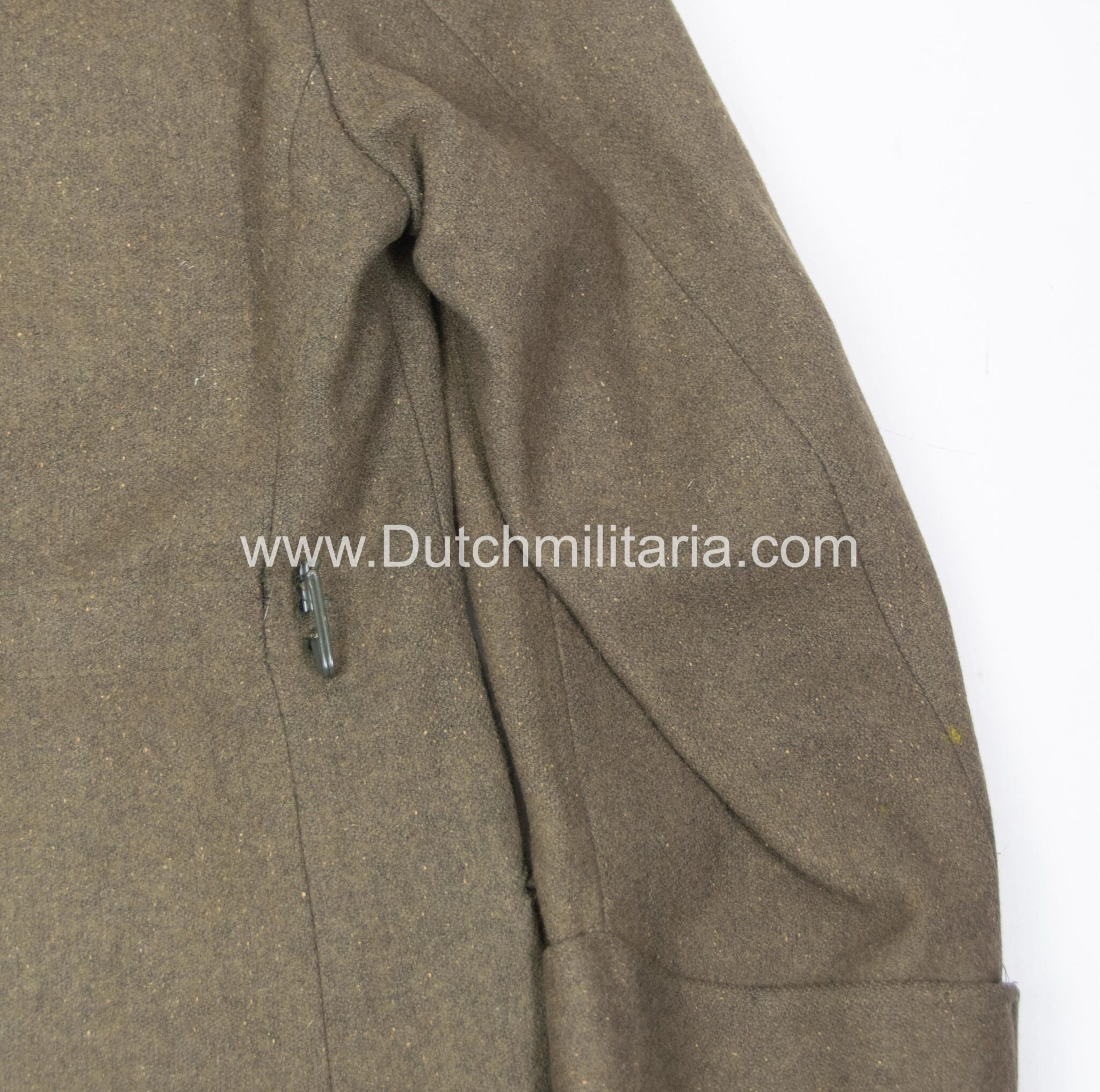
E. An original SS tunic of the Reichsschule Valkenburg. With black collar and SS sleeve eagle. The here included tunic is from one of the maximum 200 boys that attended the school. It is a textbook model and has on the inside a RZM tag that reads: HJ.-Dienstrock. Obviously the young boys got a HJ Dienstrock, that was altered into a SS tunic by applying the SS armeagle. This model can also be seen in many of the here included photos. It has on the left sleeve a hand applied SS eagle. Since the institute was an SS educational institution the boys at the school had to wear from an early age on “uniforms” that would resemble uniforms they would wear when they were older in the SS. Hence the wearing of an SS eagle on the sleeve. Of note to mention: this is the only known original tunic in the world. No other is known to have survived. The school existed for about only two years and had a small elite population. This tunic can easily be regarded as unique and as such of the utmost rarity. While it was clearly used i would deem it to be in good condition and in a good mannequin size for displaying in a museum or high end collection. It does not get rarer than this. Collectors knowledge tells it was found in the 1980’s by one of the most wellknown dutch collectors/authors on Third Reich history.
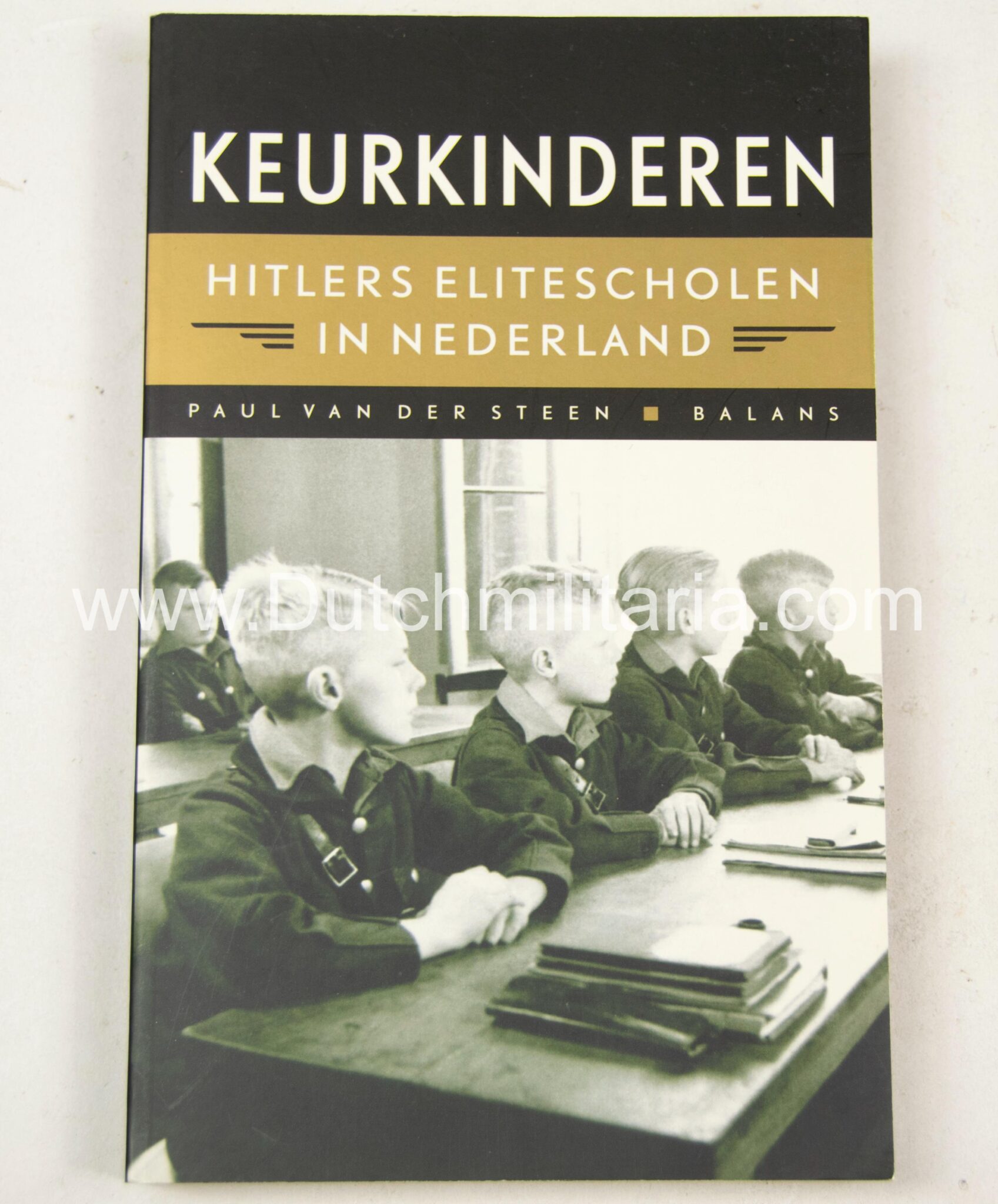
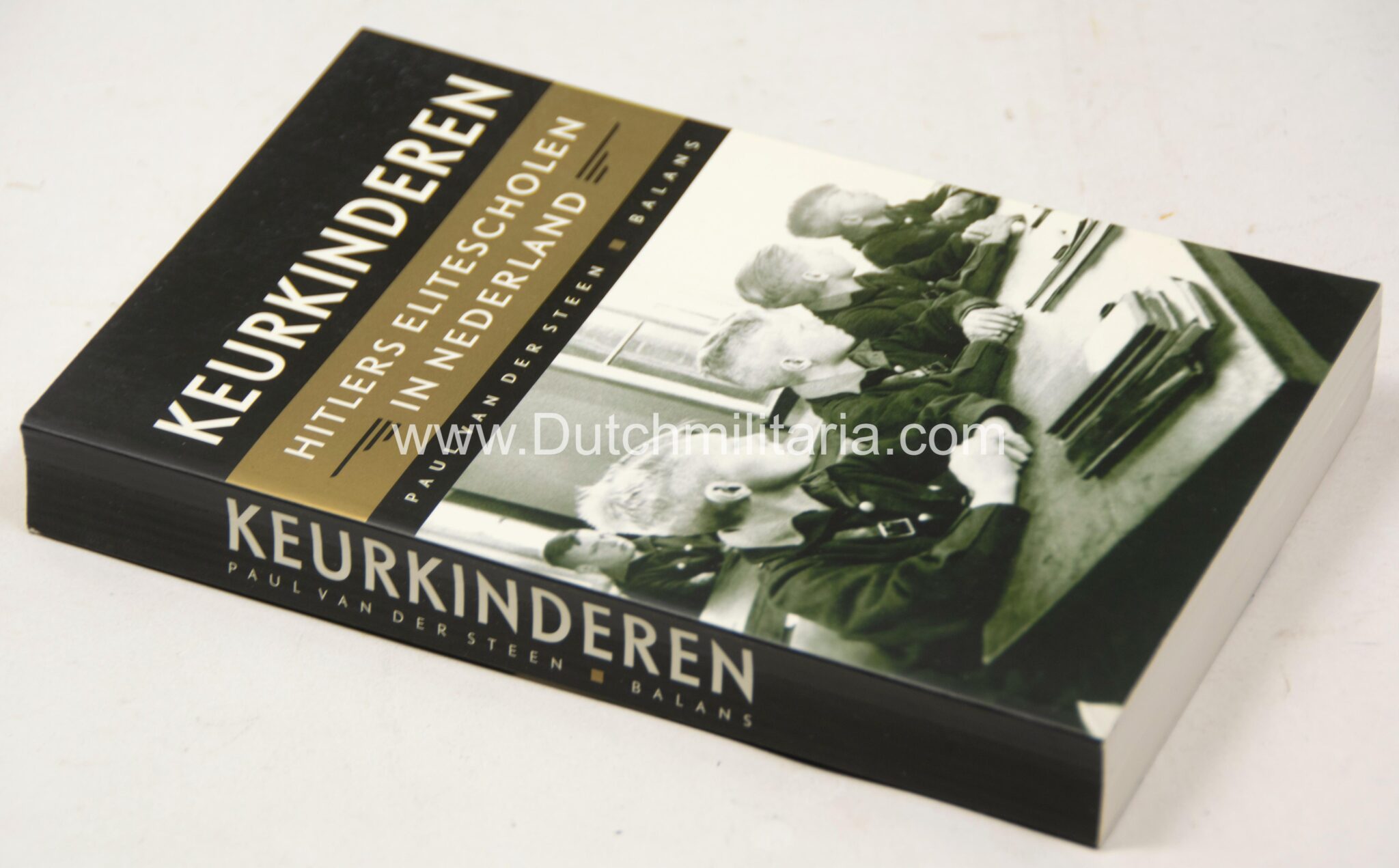
F. I added myself the leading book on the subject “Keurkinderen – Hitlers Elitescholen in Nederland” [Selected Children – Hitler’s Elite Schools in the Netherlands] by author Paul van der Steen. As mentioned above here already there is also a binder with modern copies of the background of the cufftitles, as well copies of a period booklet on the Reischsschule and copies regarding nurse Ruth E. Worthman. Under here i added a few photo’s of the binder as well. There are also four Nurse collar attachments. I presume these come from Ruth E. Wortman as well. These are also included.
—–
As a collection this is simply an amazing lot, absolutely unique and with a historical significance of the highest importance. Collections like this come by once in a lifetime. Every item in the lot is museumgrade rare. because of this rarity i don’t want to break this collection up and sell it as a whole. Preferably i’d like to see this go to a museum or advance collector/author for research and/or future publication(s). Contact me with any questions you may have. I already had the past days some inquiries about the cufftitles and photo’s, but im not breaking this collection up. Im convinced collectors will understand why.
—–
Video material of interest thats show the subject (and uniforms):
and


